Tanzania, with its breathtaking landscapes and diverse ecosystems, offers some of the world’s most incredible wildlife viewing experiences. However, the timing of your visit can greatly influence what you see and experience. Understanding the relationship between time in Tanzania and wildlife activity in Tanzaania is key to making the most of your safari adventure.
Tanzania has two main seasons: the dry season and the wet season. Each season offers a unique wildlife experience, affecting animal behavior and visibility.
The seasons in Tanzaania are shaped by the shifting patterns of rainfall, which significantly impacts wildlife dynamics. During the dry season, animals are often drawn to limited water sources, especially around rivers and waterholes. This concentration increases the chances of spotting various animal species together, creating an exciting spectacle for visitors. For more info visit here!
In contrast, the wet season transforms the landscape into a lush green paradise, offering a completely different kind of beauty. The rains bring life to the savannahs, and new plant growth provides an abundance of food for herbivores. While this disperses animals more widely across the landscape, it also ushers in a time of birth and renewal as many species give birth to their young.
During the dry season, from June to October, wildlife viewing is at its best. Water sources are scarce, making it easier to spot animals congregating around the few available waterholes.
This season is considered the peak time in Tanzania for safaris. Serengeti and Ngorongoro Crater are especially popular, offering breathtaking views and incredible wildlife sightings. The Serengeti’s plains are teeming with predators and prey, creating a dramatic display of survival.
For those interested in bird watching, the dry season is optimal as well. Many bird species congregate in visible areas, and migratory birds are less common, allowing for more consistent observations of resident species.
The wet season, from November to May, brings lush landscapes and a different set of wildlife challenges and opportunities. Some regions become inaccessible, but it’s a great time in Tanzaania to see newborn animals.
While the lush environment can pose challenges for game drives, it also provides the perfect setting for photography enthusiasts seeking vibrant backgrounds. The ample foliage acts as a striking contrast to the wildlife.
In particular, this period marks the birthing season for many animals, including wildebeest and zebras. The spectacle of seeing newborns taking their first steps is an unforgettable experience.
As roads may become difficult to navigate, planning is crucial. Our tailor-made safari options can help you create an itinerary that maximizes your chances of witnessing these unique moments.
The Great Migration is one of Tanzania’s most spectacular wildlife events. Understanding its timing and routes is crucial for anyone hoping to witness this unforgettable phenomenon.
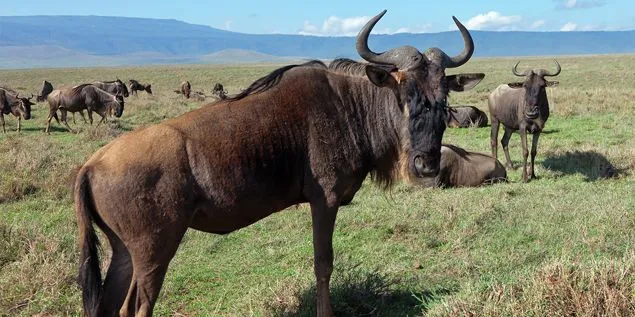
This migration primarily revolves around the movement of over a million wildebeest, accompanied by zebra and gazelle, as they travel in search of greener pastures. Their route follows a rough pattern: moving northward through the Serengeti from April to June, then returning south again from September to November.
One of the most iconic aspects of the migration is the dramatic Mara River crossing, filled with the rivers’ challenges and predators lurking for opportunities. Timing your visit to align with these crossings offers a rare and thrilling experience you won’t want to miss.
Certain animals are more active during specific times of the year. Learn when to visit if you’re eager to see particular species like elephants, big cats, or birds.
Elephants tend to be more visible during the dry season as they seek water, often in large family herds, providing a majestic sight.
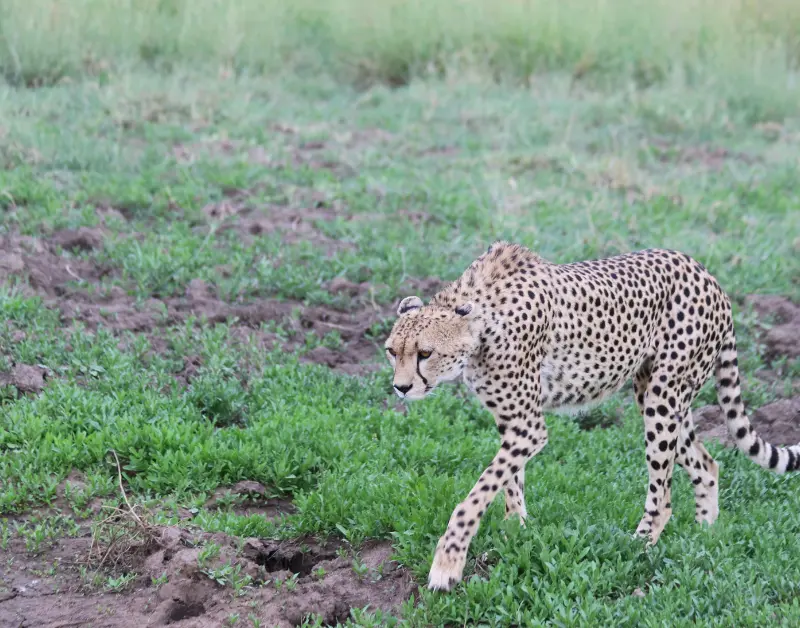
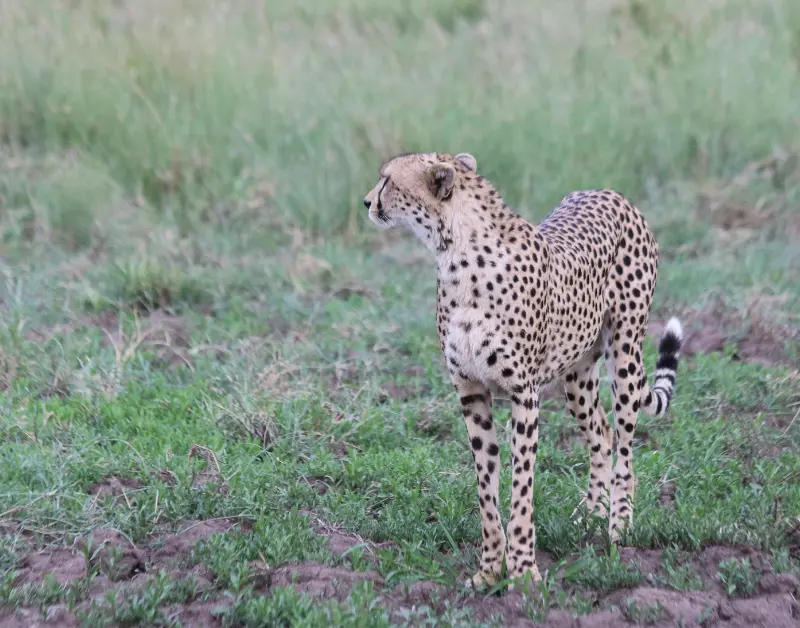
Big cats, including lions and cheetahs, are easier to spot in the dry months when the grasses are low, which not only offers better visibility but also places them closer to the busy waterholes where prey gather.
Bird watching is versatile, though the wet season does bring about some of the most vibrant plumages for breeding, as well as the presence of migratory species, adding to the diversity of observable birds.
For more information on the best times to view specific wildlife, or to tailor your experience to witness these incredible creatures, consider exploring our wildlife safaris.
Timing your visit to Tanzania can make all the difference in your wildlife viewing experience. Whether you’re hoping to witness the Great Migration or enjoy the serenity of the off-peak season, understanding the intricate dance between time in Tanzaania and wildlife activity can guide your planning. With these insights, you’re well-equipped to choose the perfect time for your adventure. For more personalized guidance, explore our safari tour offerings and let us help you plan the journey of a lifetime.
Q1. What is the best time of day for wildlife viewing in Tanzaania?
A. The best time for wildlife viewing in Tanzania is early morning and late afternoon. Animals are most active during cooler hours. Midday heat often makes them rest in shade.
Q2. Does season change wildlife viewing in Tanzania?
A. Yes, seasons play a big role in wildlife viewing. Dry season (June to October) offers better sightings. Animals gather around water sources, making them easier to spot.
Q3. Why is early morning safari better in Tanzaania?
A. Early morning safaris give the highest chance of seeing predators like lions and leopards. The temperature is cool, so animals are actively hunting or moving. Light is also perfect for photography.
Q4. How does midday time affect wildlife activity?
A. During midday, most animals rest due to high temperatures. They hide in bushes or under trees. This makes sightings less frequent compared to morning or evening.
Q5. Is evening a good time for wildlife viewing in Tanzania?
A. Yes, evening is one of the best times for safaris. Animals become active again as temperatures drop. It is also a great time to see sunsets with wildlife in action.
Embarking on a trek up Mount Kilimanjaro is an exhilarating adventure that promises breathtaking landscapes and a unique challenge. However, one of the most crucial aspects of preparation is understanding the diverse Kilimanjaro Weather conditions you will encounter along the way. In this guide, we will delve into the nuances of Kilimanjaro’s weather, helping you to pack efficiently and plan for a safe and successful climb.
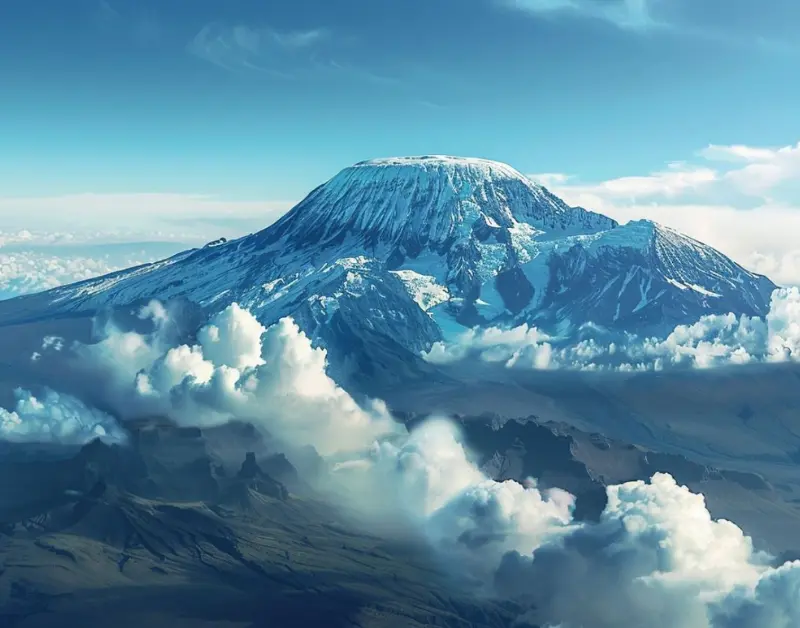
Mount Kilimanjaro is renowned for its distinct climate zones that provide a variety of Kilimanjaro Weather conditions. From the lush, tropical base to the arctic summit, climbers experience everything from warm, humid weather to frigid, thin-aired heights. At the base, expect to be immersed in a rich green paradise, teeming with diverse wildlife and thick foliage. As you ascend, the air becomes crisper and the ecology changes, showcasing the mountain’s dramatic transition. This journey offers a unique opportunity to witness these incredible biomes up close.
A significant feature of Kilimanjaro is its climatic evolution over the course of the day. Mornings often start clear and bright, but the scene may quickly become enveloped by mist. By noon, clouds frequently gather, especially in rainforest zones. This altitudinal shift means you can start your day in a vibrant rainforest and end it in stark, alpine desert conditions, sometimes all in one climb. For a deeper dive into understanding the prominent features of each climate zone, climbers can gain insights into what each zone offers. For more info visit here!
Kilimanjaro’s weather is influenced by its geographical location and altitude, leading to varying conditions throughout the year. Understanding the differences between the dry and wet seasons is essential for choosing the best time for your climb. The mountain primarily experiences two dry seasons; from late June to October and then again from late December to early March. These dry months are ideal for climbing, offering clearer skies and safer trail conditions, though temperatures can still be cold at higher altitudes.
Conversely, the wettest months on Kilimanjaro occur from March to May and November to December. During these periods, heavy rains can make trails slippery and more challenging. Rivers within the mountain become swollen, and the lush landscapes showcase vibrant greens. Though more difficult, this time can be rewarding for those seeking solitude on quieter trails, experiencing the mountain almost to themselves. For those considering a trek in the rainy season, the lush scenery and comparative peace can be a draw, provided one is prepared for the often rigorous rainy conditions.
While seasonal patterns give a broad overview, daily Kilimanjaro Weather shifts can present their own challenges. It’s important to be prepared for sudden changes, including rain showers, sunny spells, and temperature fluctuations. In just a few hours, weather conditions can transform dramatically. One moment climbers may find themselves basking in sunny warmth, and the next facing bracing winds or rain showers that arise seemingly out of nowhere. This unpredictability is part of Kilimanjaro’s challenge, necessitating constant preparedness.
Astutely managing gear according to the day’s conditions is vital. On bright days, sunscreen and sunglasses are indispensable, whereas cloudier times call for layers to combat cool breezes. At higher altitudes, sunsets bring rapid drops in temperature, calling for insulated jackets and thermal wear. Observing the Kilimanjaro Weather each morning and planning for probable shifts can ensure you enjoy each stage of your journey. It’s beneficial to familiarize oneself with reliable forecast sources that provide detailed updates on Kilimanjaro’s weather.
Despite its challenges, these ever-changing conditions present moments of awe, like unique cloud formations and rainbows between mountain peaks. Trekking during different times allows climbers to experience these diverse climates, each offering its own unique spectacle. Whether witnessing an early morning sunrise from the summit or catching the evening light over the rainforest, each instance presents its own unforgettable piece of the Kilimanjaro tapestry.
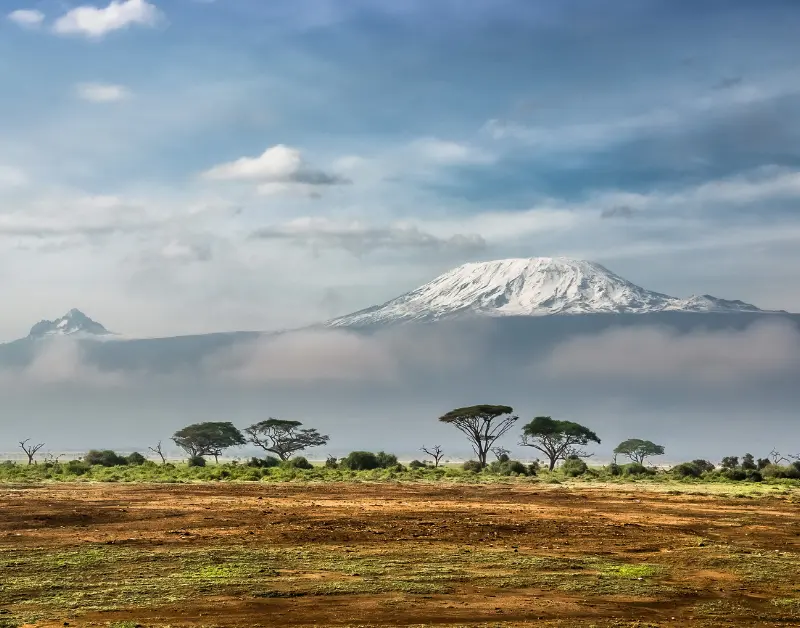
Packing the right gear ensures that you are equipped to handle Kilimanjaro’s weather changes. Layering, choosing the right footwear, and including essentials like rain gear and thermal clothes is key to a comfortable climb. Layers allow climbers to adapt to varying temperatures; moisture-wicking base layers, fleece mid-layers, and protective outer shells offer a reliable system against the shifting climate. Temperatures can swing from 20°C at the base to below freezing at the summit in one single day.
The soles and materials in your footwear should provide insulation and grip. Comfortable hiking boots with ankle support are typically recommended to navigate the rocky and sometimes icy paths. In addition, packing a hat and gloves can guard against chill in the mornings and evenings, while ensuring an ample supply of UV protection for higher altitudes. Accessories like waterproof backpacks and high-quality sleeping bags rated for sub-zero temperatures can vastly improve colder overnight stays.
Including a compact and efficient set of gear not only keeps you prepared but also alleviates the extra burden of unnecessary items. It’s crucial to pack as light as possible while ensuring your essentials aren’t left behind. Refraining from carrying anything beyond your necessities can make a massive difference in terms of overall trek comfort. Each climber may personalize their needs, ensuring every preference and contingency is covered with thoughtful planning.
Safety is paramount when it comes to navigating the unpredictable Kilimanjaro Weather. Understanding altitude sickness, staying hydrated, and knowing when to seek shelter are crucial points to ensure a safe trek. Altitude sickness is one of the most common challenges climbers face, which can be mitigated by proper acclimatization procedures. Gradually ascending while monitoring symptoms like nausea, headaches, or dizziness is vital. If symptoms persist, it is always best to descend and consult your guide.
Maintaining hydration is another critical facet of mountain safety. The conditions dehydrate climbers faster than usual, making water intake important for energy and mental clarity. Regular breaks to replenish with water or snacks help ward off fatigue and maintain alertness. Customarily, guides are equipped with first-aid kits and knowledge pertinent to altitude-related symptoms, including the ability to use oxygen tanks if needed.
Overall preparedness extends beyond physical measures to mental readiness. Remaining adaptable and mentally prepared for the potential challenges Kilimanjaro Weather may bring can vastly improve climbers’ experience, reducing stress and elevating enjoyment. Approaching the climb with respect for the elements ensures alignment with the majestic spirit of Mount Kilimanjaro while acknowledging personal limits throughout this incredible experience.
Q1. What type of weather can I expect on Mount Kilimanjaro?
A. Mount Kilimanjaro has several climate zones, so the weather changes as you climb higher. At the base, it is warm and tropical, while higher up it becomes cold and windy. Near the summit, conditions are often freezing with snow and ice. You need to be ready for all types of weather in one journey.
Q2. What is the best time to climb Mount Kilimanjaro?
A. The best time to climb Kilimanjaro is during the dry seasons, from January to March and June to October. During these months, the weather is more stable and the skies are clearer for views. Rain is less frequent, making trekking easier and safer. These periods are preferred by most climbers.
Q3. How cold does it get on Kilimanjaro?
A. Temperatures on Kilimanjaro can vary greatly depending on altitude. At the summit, it can drop below -10°C, especially at night and early morning. Strong winds can make it feel even colder than it actually is. Proper insulated clothing is necessary to handle these extreme conditions.
Q4. Does it rain on Mount Kilimanjaro?
A. Yes, rainfall is common on Mount Kilimanjaro, especially in the lower rainforest zone. The mountain experiences two main rainy seasons, which can bring heavy showers and mist. Higher elevations may receive snow instead of rain. Waterproof gear is very important for a safe climb.
Q5. Why does weather change so quickly on Kilimanjaro?
A. Weather on Kilimanjaro changes quickly because the mountain has multiple climate zones stacked on top of each other. As you climb, you move from rainforest to alpine desert and then to arctic conditions. Each zone has its own temperature and weather pattern. This creates sudden and dramatic weather shifts during the trek.
Kilimanjaro’s weather can be as breathtakingly beautiful as it is unpredictable. With the right preparation, understanding, and respect for the mountain, your journey can be both safe and memorable. Remember to embrace the experience and be prepared for all its seasonal surprises. Happy climbing! For more detailed planning tips, feel free to explore our homepage.
If you’re seeking an unforgettable adventure that combines stunning landscapes with personal triumph, a Kilimanjaro hike might just be the perfect choice. As one of the most majestic mountains on earth, Kilimanjaro offers trekkers a journey filled with unique challenges and unrivaled rewards. Here are twelve compelling reasons to make this your next great expedition.
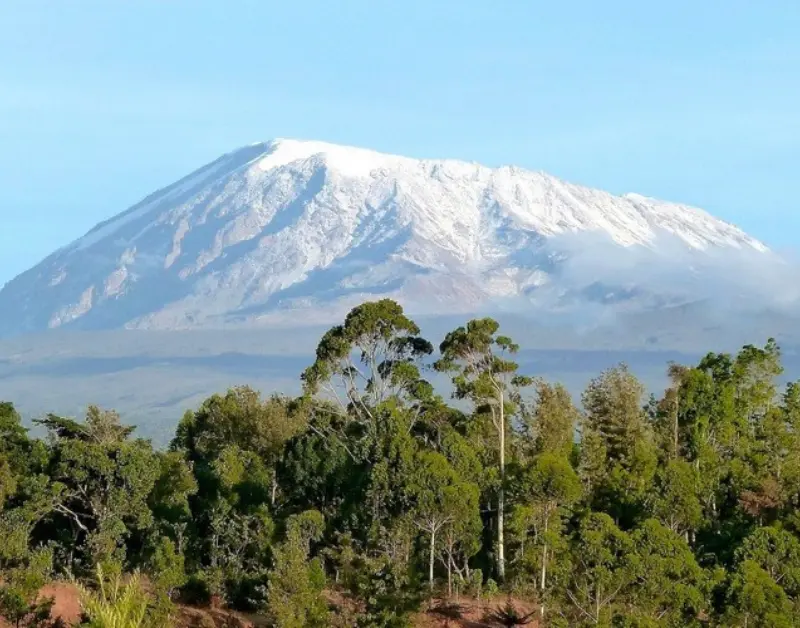
Kilimanjaro is home to an astonishing range of ecosystems, from lush rainforests at its base to icy glaciers at its peak. This trek offers an unparalleled opportunity to witness and experience these distinct environmental zones, each with their unique flora and fauna. The lower slopes are covered in thick forest where you can spot colobus monkeys jumping between the branches. As you ascend, the forest gives way to the moorland filled with exotic wildflowers and towering senecios, a sight rarely found elsewhere. This journey is not just a climb, but a trip through nature’s incredible diversity.
One of the most fascinating aspects of the Kilimanjaro hike is the rapid transition between these ecosystems. This allows trekkers to observe firsthand the magical interplay between climate and geography in shaping the natural world. Such a living textbook of ecology is a prime reason why ecologists and nature enthusiasts are drawn to the mountain. The summit, surrounded by ice fields, offers an otherworldly experience that contrasts starkly with the verdant lower levels, showcasing the mountain’s ability to host such a wide array of environments. For more info visit here!
Climbing Kilimanjaro is a test of endurance and willpower. Reaching the summit is a powerful personal achievement that leaves you with a sense of accomplishment that few other adventures can match. The journey to the top isn’t just a physical challenge but a mental one too, teaching invaluable lessons in resilience and determination. Every step forward is a step into personal growth, making the journey as significant as the destination.
The act of conquering Kilimanjaro serves as a testament to one’s strength and perseverance. Many have found this kind of personal triumph life-changing, offering a new perspective on what they can achieve. The euphoria and sense of pride experienced at reaching the summit makes every struggle and setback along the way worthwhile. It’s a profound reminder that our limitations often exist only in our minds.
Trekking Kilimanjaro isn’t just about the physical journey; it’s also an opportunity to engage with the local culture. From interacting with experienced local guides to learning about the Chagga community, this Kilimanjaro Hike offers rich cultural insights. The guides, often from the local communities, share stories, traditions, and folklore as you trek, providing a deeper understanding of the people who call the region home. Engaging with these communities allows trekkers to appreciate the cultural heritage that surrounds the mountain.
Moreover, the mountain is steeped in local lore and is considered sacred by many tribes that live around it. Each trail on Kilimanjaro is not just a path to the peak, but also a journey through the history and heritage of its native people. Learning about the customs and lifestyles of the local tribes can enrich your trekking experience, turning it into a cultural exploration as much as an outdoor adventure.
The breathtaking vistas from Kilimanjaro are unparalleled. As you ascend, you’ll be treated to stunning views of the African plains and, ultimately, a sunrise from the summit that is truly awe-inspiring. Whether it’s the expansive view stretching over the Tanzanian and Kenyan landscape or the sight of towering peaks kissing the sky, every angle offers a spectacle, often leaving trekkers in silent awe.
These views serve as a constant encouragement during the trek, motivating climbers to push through the strenuous uphill journeys. Standing at the summit as the first beams of sunrise spill across the horizon is often described as a spiritual experience, making the challenges faced to get there utterly worthwhile. The panoramic views not only reward your efforts but also reinstate the majesty and greatness of the natural world.
Unlike more crowded trails, Kilimanjaro offers a remote and tranquil wilderness experience. This solitude allows trekkers to connect deeply with nature and have a contemplative journey. Away from the bustling city life, the quiet serenity of the mountain provides an escape and a chance to reconnect with oneself. In this untouched environment, it’s easy to feel a sense of calm and introspection that’s hard to find elsewhere.
While climbing Kilimanjaro, you may encounter unique wildlife, such as colobus monkeys and various bird species. These sightings enrich your trek, offering memorable experiences beyond the climb itself. The presence of wildlife adds an element of excitement and unpredictability to the Kilimanjaro Hike, often catching trekkers by surprise with a flash of movement or an unexpected bird call. These creatures, thriving in their natural habitat, remind us of the delicate balance within these ecosystems.
The mountain serves as a refuge to various species, some of which are endemic and not found anywhere else. Understanding this helps in appreciating the ecological importance of preserving such pristine environments. The chance to observe these animals in the wild, following their natural behaviors, offers a more enriching experience than any zoo visit possibly could.
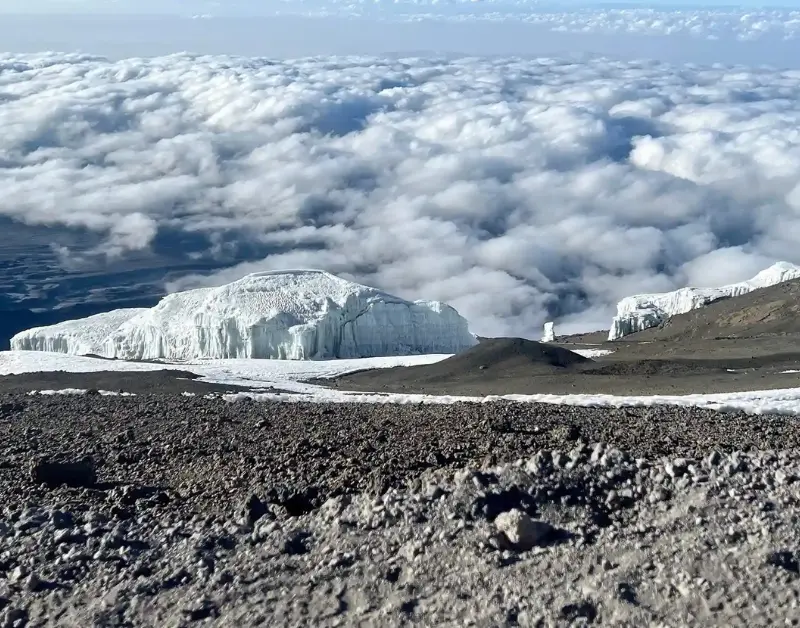
Kilimanjaro offers several routes, each with different levels of difficulty, scenery, and duration. This flexibility allows you to choose a path that best matches your interests and fitness level, making the adventure accessible to a broader range of trekkers. The Marangu Route, also known as the ‘Coca-Cola Route’, is the most popular due to its gradual slope and hut accommodations. Alternatively, those seeking a scenic adventure might prefer the Machame Route, offering breathtaking landscapes and a higher degree of difficulty. The variety ensures that every adventurer finds a suitable challenge, be it their first Kilimanjaro Hike or a more demanding journey.
Choosing the right route adds another layer of personalization to the journey, ensuring every trekker enjoys the experience that suits them best. Each path offers distinct sights and experiences, from challenging rocky terrains to beautiful vistas, catering to seasoned Kilimanjaro Hikers and novices alike. This range of options makes Kilimanjaro an inviting adventure for everyone.
Sharing such an epic journey fosters deep connections with fellow trekkers. Whether you embark with friends or join a group, the challenges and triumphs of the Kilimanjaro Hike create lasting bonds and shared memories. The camaraderie developed on the trail often leads to lifelong friendships enriched by the collective overcoming of adversity and celebration of triumphs.
The collaborative spirit of group Kilimanjaro Hikes transforms individuals into a supportive community united by a common goal. Laughing over campfire stories, encouraging one another on steep ascents, and cheering together at the summit fortify these bonds. The shared efforts and emotional highs of the trek turn acquaintances into family, leaving everyone with stories to cherish and tell long after the descent.
The Kilimanjaro Hike is led by knowledgeable local guides who provide support and share invaluable insights about the landscape and local customs. Their expertise ensures a safer and richer trekking experience. These guides are not only sources of knowledge but also pillars of support, offering encouragement and advice when needed.
Their guidance ensures that all trekkers can focus on the journey, knowing they are in capable hands. Guides also serve as cultural ambassadors, offering perspectives that enhance the trail’s story. Their presence augments the trek, transforming it from simply a physical challenge to an enlightening journey that intertwines geography and culture.
Hiking Kilimanjaro also supports sustainable tourism practices that benefit local communities and protect the environment. Choosing this adventure contributes positively to the preservation of this iconic mountain. By trekking responsibly, travelers help ensure that future generations can experience the same natural wonders.
Participating in eco-friendly tourism helps reinforce the importance of conserving natural environments while fostering economic support for surrounding villages. Organizations manage tourism on the mountain with policies that encourage minimal disturbance to the landscape, a model for sustainable travel that actively involves the communities it supports.
Many trekkers climb for a cause, using their journey to raise awareness and funds for various charitable missions. This opportunity adds an altruistic dimension to the adventure, making it even more fulfilling. By merging personal challenges with a higher purpose, Kilimanjaro Hikers turn their journey into a platform for positive global impact.
The effort to support these causes transforms the climb into a powerful personal statement, showcasing the strength of collective human spirit and generosity. For many, this altruistic component enriches the experience beyond personal gain, creating a legacy that stretches beyond the summit and spreads to communities around the world.
Beyond its physical challenges, a Kilimanjaro hike is an overwhelming testament to the power and beauty of nature. It’s an expedition that inspires and rejuvenates, offering trekkers a profound sense of freedom and wonder. As one rises above the clouds, the peacefulness and grandeur of the mountain have a transformative effect, inviting introspection and inspiration.
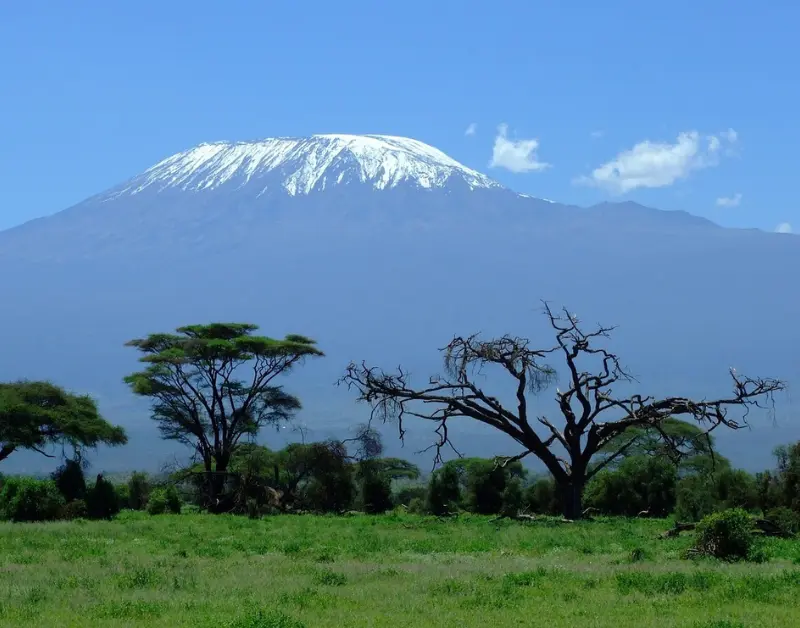
Q1. Why should I choose a Kilimanjaro hike for adventure?
A. A Kilimanjaro hike is one of the most exciting trekking experiences in the world. It lets you reach the highest peak in Africa without needing technical climbing skills. This adventure combines natural beauty, challenge, and a strong sense of achievement.
Q2. Do I need prior trekking experience for Kilimanjaro?
A. You do not need any professional trekking experience to climb Kilimanjaro. However, a basic level of fitness and good mental preparation is important. Experienced guides support you throughout the journey to make it safe and manageable.
Q3. How long does it take to climb Mount Kilimanjaro?
A. The climb usually takes between 6 to 9 days depending on the route you choose. Longer routes are recommended because they help your body adjust to altitude better. This increases your chances of reaching the summit successfully.
Q4. What is the best time to go for Kilimanjaro hiking?
A. The best time to hike Kilimanjaro is during the dry seasons, from January to March and June to October. These months offer better weather conditions and clearer mountain views. Good weather makes the trek safer and more enjoyable.
Q5. Is climbing Kilimanjaro safe for beginners?
A. Yes, Kilimanjaro is considered safe for beginners when proper guidelines are followed. Professional guides and porters help ensure safety during the climb. With slow pacing and correct preparation, even first-timers can complete the trek.
Climbing Mount Kilimanjaro is often seen as the ultimate adventure, but did you know it also offers a range of health benefits? From improving your physical fitness to boosting your mental health, a Mount Kilimanjaro hike is more than just a journey to the top of a mountain. Join us as we explore the various health benefits you can gain from this incredible experience.
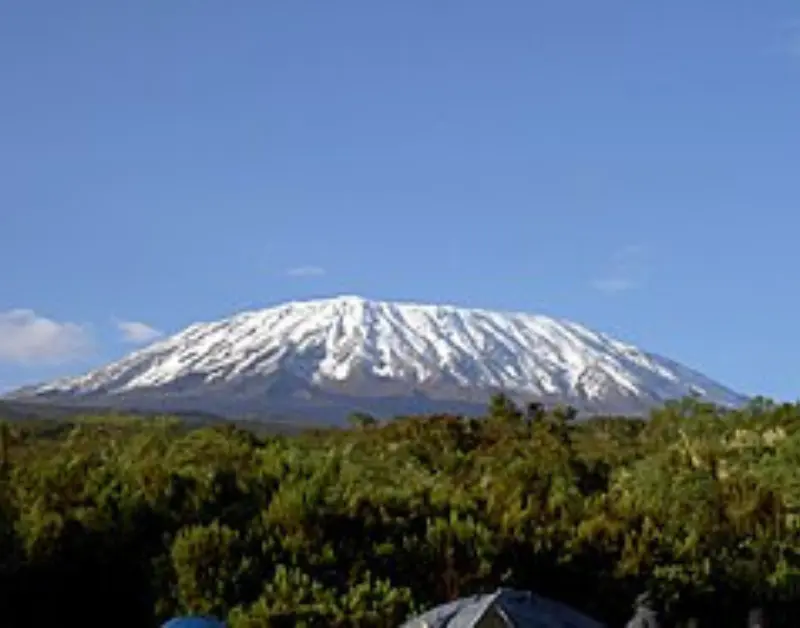
Climbing the slopes of Kilimanjaro requires endurance, improving the function and efficiency of your cardiovascular system. As you ascend, your heart and lungs work harder, strengthening them over time.
Moderate to vigorous physical activity, such as hiking, is known to reduce the risk of cardiovascular diseases. By consistently challenging your heart and lungs during the climb, you’ll improve your circulation and the efficiency of oxygen delivery throughout your body, a benefit that extends far beyond your journey. For more info visit here!
Beyond just the physical exertion, the clean mountain air and elevation changes enhance lung capacity. Breathing deeply in this environment can detoxify the system and enrich your body with oxygen, leaving you feeling revitalized and more energetic.
As you hike up the mountain, you’re engaging a variety of muscle groups, particularly in your legs, back, and core. This workout helps tone and strengthen these muscles significantly.
Each step towards the summit involves navigating uneven terrains that engage stabilizing muscles. Over time, this can lead to increased muscular endurance and improved balance, making it perfect for building strength and conditioning your body.
Many Mount Kilimanjaro hikers report improved flexibility and joint stability after their trek, thanks to the dynamic movements involved in navigating the rocky terrain of Kilimanjaro. This naturally enhances your muscles’ performance, reducing the risk of injury in daily activities.
The physical demands of hiking at high altitudes can burn a significant number of calories, contributing to weight loss or weight management goals.
Embarking on a Mount Kilimanjaro hike means engaging in prolonged physical activity that helps burn calories more effectively than a typical day at the gym. Coupled with the benefit of engaging different muscle groups, it enhances metabolism and facilitates fat burning.
While calorie burning is influenced by various factors like pace, terrain, and body weight, the overall excursion can significantly impact your fitness levels, leading to a healthier body composition and improved metabolic rate.
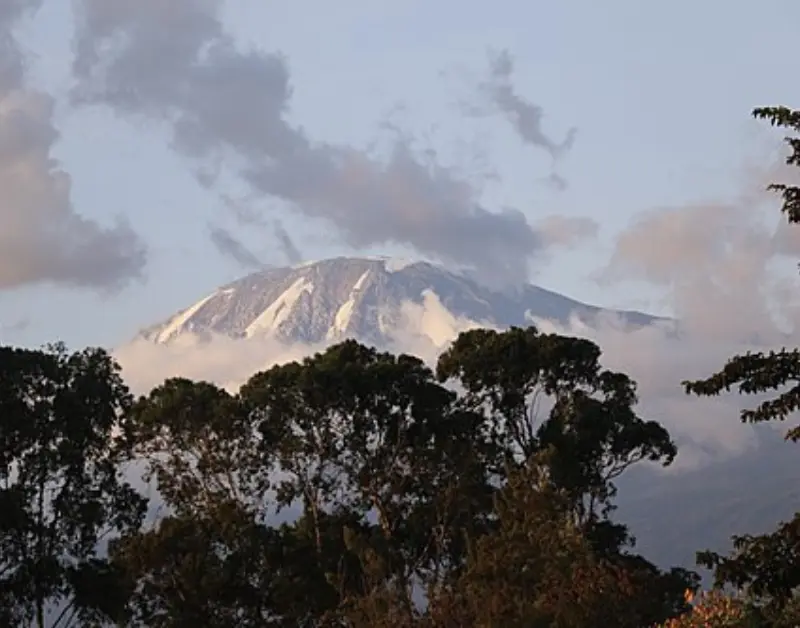
The Mount Kilimanjaro hike offers a break from daily stresses, boosts your mood, and provides a sense of accomplishment, which can greatly improve mental health. The serene beauty of the mountain also offers an opportunity for mindfulness and reflection.
Research suggests that physical activity in natural environments significantly lowers stress hormones and improves mood. The tranquility and solitude of Kilimanjaro provide an ideal setting for this mental reprieve, fostering happiness and reducing anxiety.
Moreover, reaching the summit of Kilimanjaro not only rewards with stunning views but also instills a profound sense of achievement. Completing a Mount Kilimanjaro hike of this magnitude can boost confidence, self-efficacy, and overall life satisfaction.
Tackling the challenges of a Mount Kilimanjaro hike builds resilience and determination. Overcoming these physical and mental hurdles can boost your confidence and tenacity in everyday life.
The unpredictability of mountainous weather beneath the stark beauty of Kilimanjaro teaches adaptability and patience very few environments can. As Mount Kilimanjaro hikers cope with these uncontrollable elements, they cultivate mental toughness and perseverance.
Successfully pushing personal limits on such an ambitious trek provides lessons in endurance and fortitude. These experiences are pivotal in strengthening your ability to face life’s challenges with a more resilient mindset.
Q1. Is climbing Mount Kilimanjaro good for your physical health?
A. Yes, climbing Mount Kilimanjaro is very beneficial for physical health because it improves stamina, heart health, and overall fitness. The long trekking hours help strengthen leg muscles and increase endurance naturally. Many hikers also feel more energetic and active after completing the journey.
Q2. Can a Mount Kilimanjaro hike improve mental health?
A. A Kilimanjaro hike can have a positive effect on mental health because spending time in nature helps reduce stress and anxiety. The peaceful environment and fresh mountain air allow hikers to relax and clear their minds. Reaching the summit also creates a strong feeling of confidence and personal achievement.
Q3. Does hiking Kilimanjaro help with weight loss?
A. Yes, hiking Kilimanjaro can support weight loss because the trek involves several days of continuous walking and climbing. This physical activity helps burn a high number of calories while improving overall body fitness. Many travelers notice better physical conditioning and healthy lifestyle habits after the climb.
Q4. How does high altitude affect the body on Kilimanjaro?
A. The high altitude on Kilimanjaro pushes the body to adapt to lower oxygen levels, which can improve breathing efficiency and endurance. However, some hikers may experience headaches or fatigue if they climb too quickly without proper acclimatization. Drinking enough water and moving at a steady pace helps the body adjust more comfortably.
Q5. Why do people feel emotionally stronger after climbing Kilimanjaro?
A. Climbing Kilimanjaro is a challenging adventure that tests both physical and mental strength throughout the journey. Successfully reaching the summit gives hikers a deep sense of pride, motivation, and emotional satisfaction. Many people return from the experience feeling more confident, focused, and mentally stronger in daily life.
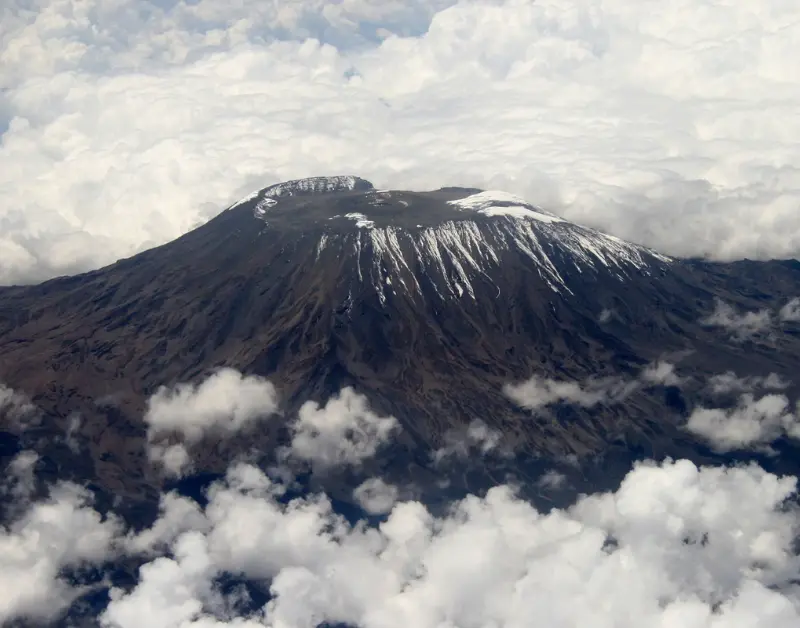
In conclusion, a Mount Kilimanjaro hike is not just an awe-inspiring adventure but also a powerful way to enhance both physical and mental health. As you step out of your comfort zone, you will build strength, endurance, and a new perspective on life. Whether you’re a seasoned Kilimanjaro hiker or a newcomer, the experience can enrich your life in more ways than one. Make the leap and start your transformative journey with us by learning more on our homepage.
A Tanzania Safari Tour offers an unparalleled opportunity to immerse yourself in the heart of Africa's wild landscapes, where untamed beauty meets rich cultural heritage. From the vast plains of the Serengeti to the pristine beaches of Zanzibar, Tanzania Tours provide a perfect blend of adventure, wildlife, and relaxation. Whether you're a seasoned traveler or a first-time explorer, Tanzania Safaris promise a journey filled with awe-inspiring moments and unforgettable memories. In this article, we’ll dive into the magic of a Tanzania Safari Tour, exploring the best destinations, activities, and why booking with Tanzania Classic Tours is your gateway to an extraordinary experience.
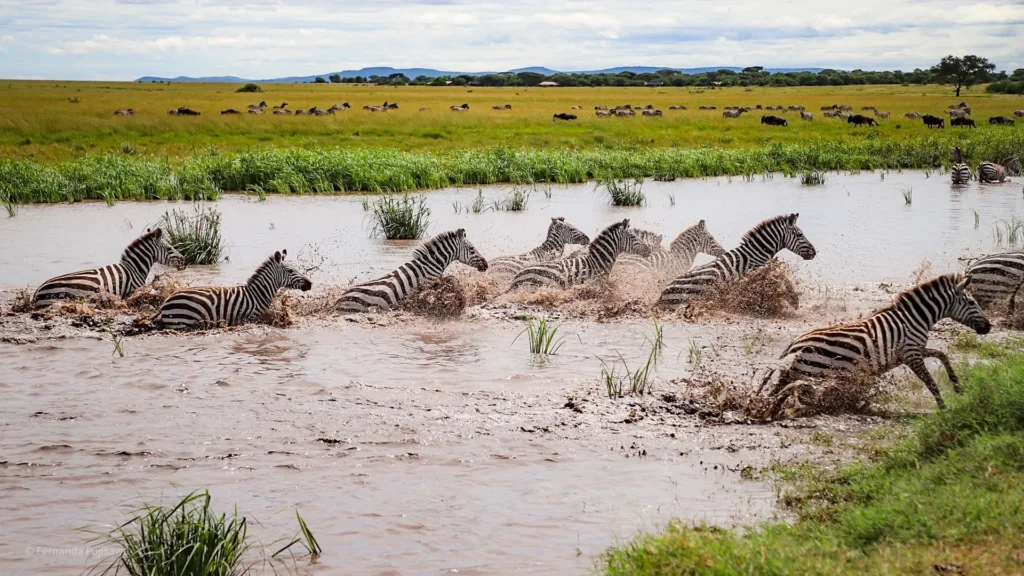
A Tanzania Safari Tour is more than just a vacation—it’s a deep dive into the soul of Africa. Tanzania is home to some of the world’s most iconic national parks and conservation areas, each offering unique ecosystems and wildlife encounters. The country boasts the Serengeti National Park, famous for the Great Migration, Ngorongoro Crater, a UNESCO World Heritage Site, and the majestic Mount Kilimanjaro, Africa’s highest peak. These destinations make Tanzania Tours a bucket-list experience for nature lovers and adventure seekers alike. For more info visit here!
What sets a Tanzania-Safari-Tour apart is the diversity of experiences. You can witness the Big Five (lion, leopard, elephant, buffalo, and rhinoceros), explore vibrant Maasai villages, or unwind on the turquoise shores of Zanzibar. With Tanzania safari packages, you can customize your journey to include game drives, walking safaris, or even hot air balloon rides over the savannah. Whether you’re traveling solo, with family, or on a romantic getaway, a Tanzania-Safari-Tour caters to every type of traveler.
Serengeti National Park: The Heart of Tanzania Safaris
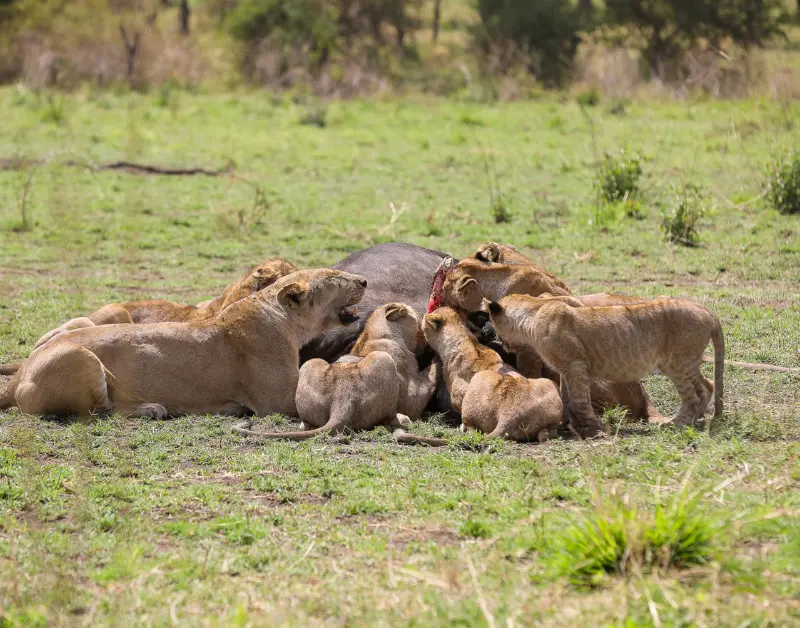
The Serengeti is the crown jewel of Tanzania Safaris, renowned for its endless plains and the annual Great Migration, where millions of wildebeest, zebras, and gazelles traverse the landscape in search of greener pastures. This natural spectacle is a highlight of any Tanzania Safari Tour, offering breathtaking views of wildlife in action. Game drives in the Serengeti allow you to spot lions, cheetahs, and hyenas, while luxurious lodges and camps provide comfort amidst the wilderness.
Ngorongoro Crater: A Natural Wonder
The Ngorongoro Crater is a geological marvel and a must-visit on any Tanzania-Safari-Tour. This massive volcanic caldera is home to an astonishing concentration of wildlife, including the rare black rhinoceros. The crater’s unique ecosystem supports a variety of animals, from elephants to flamingos, making it a paradise for wildlife enthusiasts. Tanzania Tours often include guided trips into the crater, where you can witness the harmony of nature in a setting unlike any other.
Tarangire National Park: The Land of Giants
For those seeking a quieter yet equally rewarding experience, Tarangire National Park is a hidden gem in Tanzania safari packages. Known for its large elephant herds and ancient baobab trees, Tarangire offers a serene backdrop for game drives and birdwatching. The park’s diverse landscapes, from swamps to savannahs, make it a fantastic addition to your Tanzania Safari Tour.
Zanzibar: The Perfect Safari Complement
No Tanzania-Safari-Tour is complete without a visit to Zanzibar, the idyllic island that combines relaxation with cultural exploration. After thrilling game drives, unwind on Zanzibar’s white-sand beaches or explore the historic Stone Town, a UNESCO World Heritage Site. Zanzibar Tours offer opportunities to snorkel in coral reefs, swim with dolphins, or savor the island’s unique blend of African, Arab, and Indian cultures. Including Zanzibar in your Tanzania Tours ensures a well-rounded adventure that balances wilderness and tranquility.
Wildlife Encounters
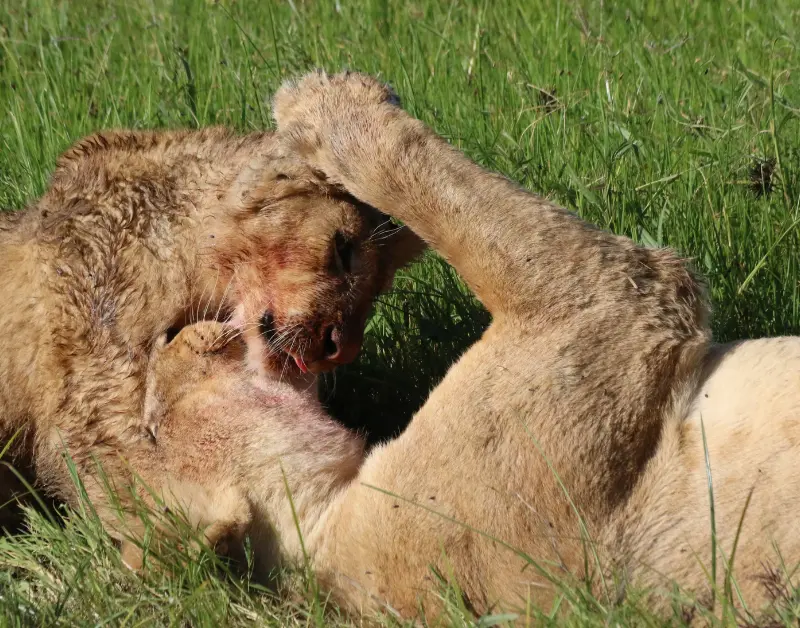
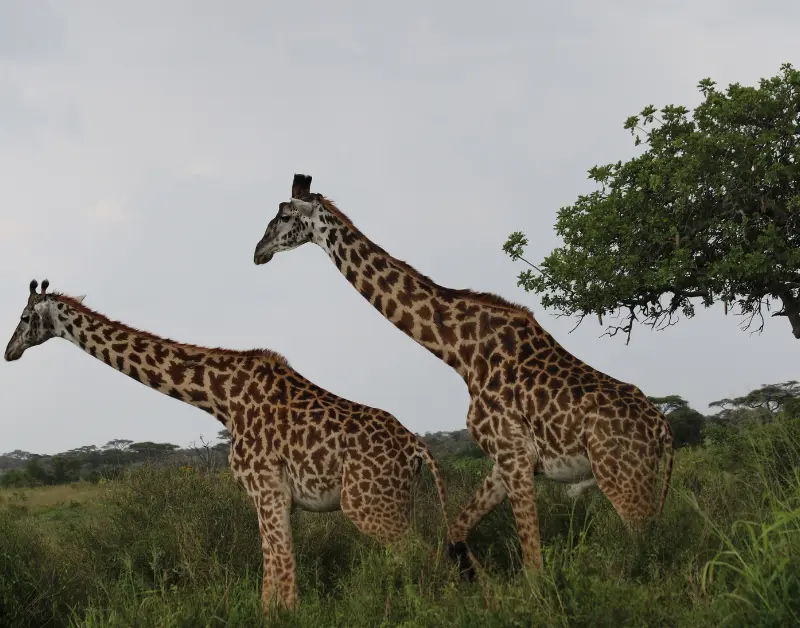
A Tanzania-Safari-Tour is synonymous with incredible wildlife sightings. From the Big Five to elusive predators like leopards and cheetahs, Tanzania’s national parks are teeming with life. Guided game drives, led by expert rangers, ensure you get up close to these magnificent creatures while learning about their behaviors and habitats. Whether it’s watching a lion pride on the hunt or spotting a giraffe gracefully roaming the plains, every moment on a Tanzania-Safari-Tour is a chance to connect with nature.
Cultural Immersion
Beyond wildlife, Tanzania Tours offer rich cultural experiences. Visiting a Maasai village allows you to learn about the traditions and lifestyles of one of Africa’s most iconic tribes. Engage with local communities, witness traditional dances, and gain insight into their harmonious relationship with the land. These cultural encounters add depth to your Tanzania Safari Tour, making it a holistic journey.
Adventure Activities
For thrill-seekers, Tanzania safari packages include a range of activities to elevate your experience. Embark on a walking safari to feel the pulse of the wilderness, or take to the skies in a hot air balloon for a bird’s-eye view of the Serengeti. If climbing is your passion, tackling Mount Kilimanjaro is an adventure of a lifetime. Tanzania Classic Tours can tailor your itinerary to include these activities, ensuring your Tanzania-Safari-Tour is as action-packed or relaxed as you desire.
Choosing the right operator for your Tanzania-Safari-Tour is crucial to ensuring a seamless and memorable experience. Tanzania Classic Tours stands out as a premier choice for travelers seeking authentic and well-organized Tanzania Safaris. With years of expertise, their team crafts personalized Tanzania safari packages that cater to your preferences, whether you’re seeking luxury, adventure, or a mix of both.
Tanzania Classic Tours prioritizes sustainable tourism, working closely with local communities and conservation efforts to preserve Tanzania’s natural beauty. Their knowledgeable guides provide in-depth insights into the wildlife and culture, ensuring you leave with a deeper appreciation for this remarkable destination. From luxurious lodges to budget-friendly camps, they offer a range of accommodations to suit every traveler’s needs.
Best Time to Visit
Tanzania is a year-round destination, but the best time for a Tanzania-Safari-Tour depends on your goals. The dry season (June to October) is ideal for wildlife viewing, as animals gather around water sources, making them easier to spot. The wet season (November to May) offers lush landscapes and fewer crowds, perfect for birdwatching and photography. For the Great Migration, plan your trip between July and September to witness the dramatic river crossings in the Serengeti.
What to Pack
Packing for a Tanzania-Safari-Tour requires careful consideration. Lightweight, neutral-colored clothing is recommended for game drives, along with sturdy walking shoes for outdoor activities. Don’t forget essentials like sunscreen, insect repellent, binoculars, and a good camera to capture the stunning landscapes and wildlife. Tanzania Classic Tours provides detailed packing guides to ensure you’re well-prepared for your adventure.
Visa and Travel Requirements
Before embarking on your Tanzania-Safari-Tour, check visa requirements for your nationality. Most visitors can obtain a visa on arrival or apply online in advance. Ensure your passport is valid for at least six months and that you have the necessary vaccinations, such as yellow fever, if required. Tanzania Classic Tours can assist with travel logistics, making your journey hassle-free.
For a truly unforgettable experience, combine your Tanzania-Safari-Tour with Zanzibar Tours. After days of exploring the wilderness, Zanzibar’s beaches offer the perfect place to unwind. Snorkel in the crystal-clear waters of Mnemba Atoll, explore the spice plantations, or wander through Stone Town’s vibrant markets. Tanzania Classic Tours can seamlessly integrate Zanzibar Tours into your itinerary, creating a perfect balance of adventure and relaxation.
Tanzania’s natural wonders are a treasure to be protected, and responsible tourism is key to preserving them. Tanzania Classic Tours is committed to sustainable practices, supporting local communities and conservation initiatives. By choosing their Tanzania safari packages, you contribute to the preservation of Tanzania’s wildlife and ecosystems, ensuring future generations can enjoy these incredible landscapes.
Q1. What makes a Tanzania safari tour special?
A. A Tanzania safari tour gives travelers a chance to see famous wildlife, beautiful national parks, and natural landscapes in one trip. From the Serengeti plains to the Ngorongoro Crater, every destination offers a different experience. It is a perfect mix of adventure, nature, and cultural discovery.
Q2. Which animals can you see during a Tanzania safari tour?
A. Visitors can see the Big Five, including lions, elephants, leopards, rhinos, and buffaloes during a Tanzania-safari-tour. Many parks also have giraffes, zebras, cheetahs, hippos, and hundreds of bird species. Wildlife sightings are one of the biggest highlights for travelers.
Q3. When is the best time to visit Tanzania for a safari?
A. The best time for a Tanzania-safari-tour is usually during the dry season from June to October. During this period, animals gather near water sources, making them easier to spot. The weather is also pleasant for game drives and outdoor activities.
Q4. Is a Tanzania safari tour suitable for families?
A. Yes, a Tanzania-safari-tour can be a great experience for families with children and adults alike. Many safari lodges offer family-friendly accommodations and guided activities for all age groups. It is a fun way to learn about wildlife and spend quality time together.
Q5. What should travelers pack for a Tanzania safari tour?
A. Travelers should pack light clothing, comfortable shoes, sunscreen, sunglasses, and a camera for their safari adventure. Neutral-colored clothes are recommended because they blend well with the environment. A small backpack with travel essentials can also make the trip more comfortable.
A Tanzania Safari Tour is a journey into the heart of Africa, where breathtaking landscapes, diverse wildlife, and rich cultures come together to create an experience like no other. Whether you’re marveling at the Great Migration, exploring the Ngorongoro Crater, or relaxing on Zanzibar’s beaches, Tanzania Tours offer something for everyone. With Tanzania Classic Tours, you’ll embark on a seamless, personalized adventure that showcases the best of Tanzania Safaris.
Don’t wait to experience the magic of Tanzania. Book with Tanzania Classic Tours today for amazing Tanzania Safaris that will leave you with memories to cherish for a lifetime. Contact their team to start planning your dream Tanzania-Safari-Tour and discover why Tanzania is a destination like no other.
When planning a trip to an African destination, one of the most common questions travelers ask is, "Is Tanzania safe for tourists?" The answer is a resounding yes, as Tanzania is widely regarded as one of Africa's safest and most welcoming countries for visitors. Known for its stunning landscapes, abundant wildlife, and rich cultural heritage, Tanzania's safety, peace, and hospitality make it a top choice for travelers seeking unforgettable experiences.
In this article, we’ll explore why Tanzania is safe for tourists, delving into Tanzania’s safety, Tanzania’s peace, and the country’s reputation as Nchi ya Amani na Upendo (a land of peace and love). Whether you're considering a safari or a beach getaway, booking with Tanzania Classic Tours ensures a secure and memorable journey.
Tanzania has earned a reputation as a stable and peaceful destination, making it an ideal choice for travelers worldwide. Is Tanzania safe for tourists? Absolutely. The country enjoys political stability, a low crime rate compared to other destinations, and a welcoming attitude toward visitors. The Tanzanian government prioritizes tourism, recognizing its importance to the economy, and has implemented measures to ensure Tanzania’s safety for travelers in popular areas like national parks, cities, and Zanzibar.
Tourism hubs such as Arusha, Moshi, Dar es Salaam, and Zanzibar are well-equipped to cater to international visitors, with infrastructure designed to ensure safety and comfort. Tanzania’s peace is reflected in its friendly locals, who are known for their hospitality and the phrase Chi ya Amani na Upendo, embodying the nation’s spirit of peace and love. Whether you’re embarking on a safari in the Serengeti or exploring the vibrant streets of Stone Town, Tanzania is safe for tourists when you take standard precautions and travel with a reputable operator like Tanzania Classic Tours. For more info visit here!
One of the main draws of Tanzania is its world-renowned national parks, such as the Serengeti, Ngorongoro Crater, and Tarangire, which are central to the country’s tourism industry. Is Tanzania safe for tourists visiting these wilderness areas? Yes, these parks are well-managed by the Tanzania National Parks Authority (TANAPA), which ensures visitor safety through trained rangers and strict regulations.
Serengeti National Park
The Serengeti, famous for the Great Migration, is a highlight of any Tanzanian safari. Park authorities maintain a strong presence to protect both wildlife and visitors, ensuring Tanzania’s safety standards are met. Guided game drives, led by experienced professionals, minimize risks associated with wild animals, allowing you to enjoy the beauty of the savannah securely.
Ngorongoro Crater
The Ngorongoro Crater, a UNESCO World Heritage Site, is another safe destination for tourists. Access to the crater is tightly controlled, and guided tours ensure that visitors can explore this wildlife-rich area without incident. The crater’s enclosed ecosystem and well-maintained roads contribute to Tanzania’s peace and safety for travelers.
Tarangire and Other Parks
Tarangire National Park, known for its elephant herds, and other parks like Lake Manyara are equally safe, with established protocols for visitor protection. Tanzania Classic Tours enhances your safety by providing expert guides who are knowledgeable about the terrain and wildlife behavior, ensuring a worry-free experience.
While Tanzania’s national parks are the heart of its tourism, cities like Arusha, Moshi, and Dar es Salaam are often gateways for travelers. Is Tanzania safe for tourists in urban areas? Generally, yes, though exercising common sense is advised, as in any major city worldwide.
Arusha and Moshi
Arusha, the safari capital of Tanzania, and Moshi, the gateway to Mount Kilimanjaro, are bustling yet safe hubs for tourists. These towns are accustomed to hosting international visitors and offer a range of accommodations, from budget hostels to luxury hotels. Petty crimes like pickpocketing can occur in crowded areas, but Tanzania’s safety is upheld by local police and community efforts to protect tourists. Avoid walking alone at night in unfamiliar areas and keep valuables secure to ensure a trouble-free visit.
Dar es Salaam
Dar es Salaam, Tanzania’s economic hub, is a vibrant coastal city with a growing tourism scene. While it’s busier than Arusha or Moshi, Tanzania is safe for tourists in Dar es Salaam when basic precautions are followed. Stick to reputable transportation, avoid flashing valuables, and rely on trusted tour operators like Tanzania Classic Tours for city tours and transfers.
Zanzibar, the idyllic island off Tanzania’s coast, is a popular destination for relaxation after a safari. Is Tanzania safe for tourists visiting Zanzibar? Yes, Zanzibar is known for its tranquil atmosphere and welcoming locals. The island’s beaches, such as Nungwi and Kendwa, are safe for swimming and water activities, with lifeguards and security at major resorts.
Stone Town, Zanzibar’s historic heart, is a cultural gem where visitors can explore narrow alleys and bustling markets. While petty theft can occur in crowded areas, Tanzania’s peace shines through in Zanzibar’s friendly vibe. Tanzania Classic Tours offers guided Zanzibar Tours that prioritize safety, ensuring you can immerse yourself in the island’s charm without worry.
Tanzania’s reputation as Chi ya Amani na Upendo (a land of peace and love) is rooted in its diverse and harmonious communities. Engaging with local cultures, such as visiting Maasai villages or attending cultural festivals, is a highlight of any Tanzanian trip. Is Tanzania safe for tourists during cultural interactions? Yes, as long as you approach these experiences with respect and follow your guide’s advice.
Tanzania Classic Tours facilitates meaningful cultural exchanges, ensuring that interactions with communities like the Maasai or Hadzabe are conducted respectfully and safely. By traveling with a reputable operator, you can enjoy authentic experiences while contributing to local economies, further reinforcing Tanzania’s peace and hospitality.
To maximize Tanzania’s safety during your visit, consider these practical tips:
Is Tanzania safe for tourists in terms of health? Tanzania has made significant strides in improving healthcare access for visitors, with clinics and hospitals available in major cities and tourist areas. For minor ailments, pharmacies are well-stocked, and reputable lodges often have first aid facilities.
Malaria is a concern in some regions, so consult your doctor about prophylactics before traveling. Tanzania Classic Tours provides guidance on health precautions, including recommendations for travel insurance and nearby medical facilities. Bottled water is widely available, and sticking to it ensures you avoid waterborne illnesses.
Tanzania’s safety extends beyond personal security to include sustainable tourism practices. The country is committed to preserving its natural and cultural heritage, ensuring that tourism benefits local communities and wildlife. Tanzania Classic Tours supports these efforts by partnering with eco-friendly lodges and promoting responsible travel, allowing you to explore with peace of mind.
When planning your trip, choosing a trusted operator is key to ensuring Tanzania is safe for tourists. Tanzania Classic Tours specializes in crafting personalized itineraries that prioritize safety, comfort, and authenticity. Their experienced guides, well-maintained vehicles, and deep knowledge of Tanzania’s landscapes and cultures guarantee a secure and enriching experience.
Whether you’re exploring the Serengeti, climbing Kilimanjaro, or relaxing in Zanzibar, Tanzania Classic Tours ensures every aspect of your trip is handled with care. Their commitment to Tanzania’s peace and sustainable tourism makes them the ideal partner for your adventure.
Q1. Is Tanzania safe for first-time tourists?
A. Yes, Tanzania is considered one of the safer travel destinations in East Africa for tourists. Most visitors enjoy their trips without any problems, especially in popular safari parks and tourist cities. Travelers should still follow basic safety rules like avoiding isolated areas at night and keeping valuables secure.
Q2. Are safaris in Tanzania safe for families and children?
A. Tanzania safaris are generally safe for families when booked through trusted tour operators and guided camps. Professional guides are trained to handle wildlife situations and follow strict safety procedures. Parents should always follow lodge instructions and supervise children during game drives.
Q3. What health precautions should tourists take before visiting Tanzania?
A. Tourists are advised to get recommended vaccinations and carry basic medicines before traveling to Tanzania. In some regions, malaria prevention is also important, especially near coastal or rural areas. Drinking bottled water and maintaining hygiene can help avoid common travel illnesses.
Q4. Is public transportation safe in Tanzania for tourists?
A. Public transportation can be crowded and less comfortable for tourists, especially long-distance buses and minibuses. Many travelers prefer private transfers, domestic flights, or organized tour vehicles for better safety and convenience. Using licensed taxis and ride services is usually the safer option in cities.
Q5. Can tourists safely visit Zanzibar and other beach destinations in Tanzania?
A. Yes, places like Zanzibar are popular and generally safe for international tourists throughout the year. Beach resorts and tourist areas usually have strong security and welcoming local communities. Visitors should still stay aware of their surroundings and avoid carrying large amounts of cash in public.
Is Tanzania safe for tourists? Without a doubt, Tanzania’s combination of political stability, friendly locals, and well-managed tourism infrastructure makes it a secure and inviting destination. From the wildlife-rich plains of the Serengeti to the tranquil beaches of Zanzibar, Tanzania’s safety and reputation as Chi ya Amani na Upendo create the perfect backdrop for an unforgettable journey.
Ready to experience the magic of Tanzania? Book with Tanzania Classic Tours for amazing Tanzania safaris that combine safety, adventure, and cultural immersion. Contact their team today to plan your dream trip and discover why Tanzania is a land of peace, love, and extraordinary beauty.
The question “Is Zanzibar part of Tanzania?” is one that many travelers ask when planning their African adventure. The answer is yes—Zanzibar is a semi-autonomous region of Tanzania, a vibrant archipelago that complements the mainland’s iconic safari destinations with its pristine beaches and rich cultural heritage. Known for its turquoise waters, historic Stone Town, and spice-scented air, Zanzibar is a must-visit destination. In this article, we’ll explore where Zanzibar is located, what you can do in Zanzibar, whether you can do a safari in Zanzibar, and how to combine the best beach experience in Africa with a Serengeti safari and Zanzibar beach experience. With Tanzania Classic Tours, you can seamlessly blend these experiences for an unforgettable journey.

To clarify, Zanzibar is part of Tanzania, officially known as the United Republic of Tanzania. The archipelago, which includes the main islands of Unguja (commonly referred to as Zanzibar Island) and Pemba, along with smaller islets, operates as a semi-autonomous region with its own government and president. Zanzibar joined mainland Tanganyika in 1964 to form Tanzania, creating a unique blend of cultures and landscapes that make it a top destination for travelers.
Zanzibar’s distinct identity, shaped by its history as a trading hub for Arab, Indian, and African cultures, adds to its allure. While it shares Tanzania’s commitment to tourism and hospitality, Zanzibar offers a coastal contrast to the mainland’s savannahs, making it an ideal addition to any Tanzanian itinerary. Booking with Tanzania Classic Tours ensures you can explore both Zanzibar and the mainland, including the famous Serengeti safari and Zanzibar beach experience, with ease. For more info visit here!
Understanding where Zanzibar is located is key to planning your trip. Zanzibar lies in the Indian Ocean, approximately 25–50 kilometers off the eastern coast of mainland Tanzania. The archipelago is easily accessible by short flights from Dar es Salaam or Arusha, or by ferry from Dar es Salaam, taking about 1.5–2 hours. Its strategic location has historically made it a melting pot of cultures, with influences from Africa, Arabia, India, and Europe evident in its architecture, cuisine, and traditions.
Zanzibar’s proximity to Tanzania’s mainland makes it a perfect complement to a safari adventure. After exploring the wildlife-rich plains of the Serengeti or Ngorongoro Crater, you can relax on Zanzibar’s beaches, enjoying the best beach experience in Africa. Tanzania Classic Tours offers seamless travel packages that connect the mainland and Zanzibar, ensuring a hassle-free journey.
When it comes to what you can do in Zanzibar, the options are as diverse as the island’s cultural heritage. Whether you’re a history buff, an adventure seeker, or simply looking to unwind, Zanzibar has something for everyone. Here are some top activities to include in your itinerary:
Explore Stone Town
Stone Town, a UNESCO World Heritage Site, is the cultural heart of Zanzibar. Wander through its narrow alleys, where you’ll find historic buildings, bustling markets, and vibrant cafes. Key attractions include the House of Wonders, the Old Fort, and the Darajani Market. A guided tour with Tanzania Classic Tours brings Stone Town’s history to life, offering insights into its Swahili, Arab, and Indian influences.
Relax on Pristine Beaches
Zanzibar is home to some of the best beach experiences in Africa, with powdery white sands and crystal-clear waters. Popular beaches like Nungwi, Kendwa, and Paje offer opportunities for swimming, sunbathing, and water sports. Whether you’re staying at a luxury resort or a cozy beach bungalow, Zanzibar’s beaches provide the perfect setting for relaxation after a Serengeti safari and Zanzibar beach experience.
Snorkeling and Diving
Zanzibar’s coral reefs are a paradise for snorkelers and divers. Mnemba Atoll, a marine conservation area, is renowned for its vibrant marine life, including colorful fish, dolphins, and sea turtles. Tanzania Classic Tours can arrange snorkeling or diving excursions, ensuring you explore Zanzibar’s underwater wonders safely and sustainably.
Spice Tours
Zanzibar is known as the “Spice Island” due to its history of spice production. A spice tour takes you through plantations where you can see, smell, and taste spices like clove, cinnamon, and vanilla. These tours offer a sensory journey into Zanzibar’s agricultural heritage and are a must-do for food enthusiasts.
Dolphin Tours and Jozani Forest
For wildlife lovers, a dolphin tour off Kizimkazi allows you to swim with these playful creatures in their natural habitat. Additionally, Jozani Forest, part of the Jozani-Chwaka Bay National Park, is home to the rare red colobus monkey. These activities add a touch of adventure to your Zanzibar visit, complementing the island’s beach vibe.
A common question is, “Can I do a safari in Zanzibar?” While Zanzibar itself does not offer traditional wildlife safaris like those on the mainland, it provides unique nature-based experiences. The Jozani Forest, for example, offers guided walks where you can spot endemic species like the red colobus monkey and explore mangrove ecosystems. For a true safari experience, however, you’ll want to visit Tanzania’s mainland parks, such as the Serengeti or Ngorongoro Crater.
The beauty of a Tanzanian holiday is the ability to combine a Serengeti safari and Zanzibar beach experience. After thrilling game drives in the Serengeti, where you can witness the Great Migration or spot the Big Five, you can fly or take a ferry to Zanzibar for relaxation. Tanzania Classic Tours specializes in crafting itineraries that seamlessly blend these experiences, ensuring you enjoy both the wild and the serene.
For the ultimate Tanzanian adventure, pair a Serengeti safari and Zanzibar beach experience. The Serengeti National Park, located on Tanzania’s mainland, is world-famous for its vast plains and the annual migration of millions of wildebeest, zebras, and gazelles. Game drives here offer unparalleled wildlife sightings, from lions and leopards to elephants and giraffes. After your safari, head to Zanzibar to unwind on its idyllic beaches, creating a perfect balance of adventure and relaxation.
Tanzania Classic Tours makes this combination effortless, offering tailored packages that include flights or ferries between the mainland and Zanzibar, as well as accommodations ranging from luxury lodges to beachfront resorts. This seamless integration ensures you experience the best beach experience in Africa alongside Tanzania’s iconic wildlife.
Best Time to Visit
Zanzibar is a year-round destination, but the dry seasons (June to October and December to February) are ideal for beach activities and exploring Stone Town. The wet seasons (March to May and November) offer lush landscapes and fewer crowds, though some outdoor activities may be affected by rain.
Getting to Zanzibar
Zanzibar is easily accessible via flights from Arusha (about 1 hour) or Dar es Salaam (20 minutes), or by ferry from Dar es Salaam. Tanzania Classic Tours can arrange all transportation, ensuring a smooth journey from the mainland to the island.
Safety and Cultural Sensitivity
Zanzibar is generally safe for tourists, with a welcoming atmosphere. However, respect local customs, particularly in Stone Town, where modest clothing is appreciated due to the island’s Muslim-majority population. Stick to bottled water, use sunscreen, and follow your guide’s advice to ensure a safe and enjoyable visit.
Packing Essentials
Pack lightweight clothing, swimwear, and comfortable shoes for exploring Stone Town or Jozani Forest. Bring sunscreen, a hat, and insect repellent for outdoor activities. A good camera is a must to capture Zanzibar’s stunning landscapes and vibrant culture.
When planning your trip to Zanzibar and beyond, Tanzania Classic Tours is your ideal partner. Their expertise in crafting personalized itineraries ensures you experience the best of Zanzibar and mainland Tanzania, from the Serengeti’s wildlife to the best beach experience in Africa. Their knowledgeable guides, sustainable tourism practices, and commitment to traveler comfort make them a top choice for exploring where Zanzibar is located and what you can do in Zanzibar.
Tanzania Classic Tours also supports local communities and conservation efforts, ensuring your visit contributes to preserving Zanzibar’s natural and cultural heritage. Whether you’re seeking adventure, relaxation, or a mix of both, they’ll create a seamless itinerary tailored to your preferences.
Frequently Asked Questions (FAQs)
Q1. Is Zanzibar officially part of Tanzania?
A. Yes, Zanzibar is officially part of Tanzania. It joined with Tanganyika in 1964 to form the United Republic of Tanzania. Even though it is part of the country, Zanzibar still has its own local government and president for internal matters.
Q2. Why is Zanzibar called the Spice Island?
A. Zanzibar is known as the Spice Island because it produces famous spices like cloves, cinnamon, nutmeg, and black pepper. Spice farming has been an important part of the island’s economy for many years. Visitors often enjoy spice tours to see how these spices are grown.
Q3. Do you need a separate visa for Zanzibar?
A. No, travelers do not need a separate visa for Zanzibar if they already have a Tanzania visa. Since Zanzibar is part of Tanzania, the same immigration rules apply. International visitors usually enter using a standard Tanzanian tourist visa.
Q4. What is the best time to visit Zanzibar?
A. The best time to visit Zanzibar is usually from June to October when the weather is dry and comfortable. Many tourists also travel between December and February for beach holidays. These months are great for enjoying clear water, snorkeling, and island tours.
Q5. What makes Zanzibar famous for tourists?
A. Zanzibar is famous for its white-sand beaches, clear turquoise water, and rich cultural history. Stone Town is especially popular for its historic streets and local markets. The island is also loved for diving, seafood, and relaxing tropical experiences.
Is Zanzibar part of Tanzania? Yes, and it’s a jewel in the country’s tourism crown, offering a perfect blend of cultural exploration and beachside bliss. From the historic streets of Stone Town to the turquoise waters of Nungwi, Zanzibar delivers the best beach experience in Africa. While you can’t do a safari in Zanzibar in the traditional sense, combining a Serengeti safari and Zanzibar beach experience creates an unforgettable adventure.
Don’t miss the chance to explore this tropical paradise and Tanzania’s iconic mainland destinations. Book with Tanzania Classic Tours today for amazing Tanzania safaris and Zanzibar experiences that will leave you with memories to cherish for a lifetime. Contact their team to start planning your dream trip and discover why Zanzibar and Tanzania are a match made in travel heaven.
Zanzibar time is more than just a clock setting—it’s a reflection of the island’s unique rhythm, blending serene days with vibrant nights. As part of Tanzania, Zanzibar operates on East Africa Time (EAT), UTC+3, with no daylight saving time, but its laid-back vibe and cultural richness give time here a special quality. Whether you’re curious about Zanzibar time now, eager to explore Zanzibar at night, or seeking the ultimate Zanzibar experience time, this article dives into the island’s temporal and cultural allure. From sunlit beaches to lively night markets, discover why Zanzibar’s unique sense of time makes it a must-visit destination, and how Tanzania Classic Tours can craft your perfect adventure.
Zanzibar time refers to the local time zone, East Africa Time (EAT), which is UTC+3. As of now, Zanzibar-time now is 10:01 PM on Friday, August 22, 2025, aligning with mainland Tanzania and other East African countries like Kenya and Uganda. Unlike many global destinations, Zanzibar does not observe daylight saving time, meaning its time remains consistent year-round. This simplicity enhances the island’s relaxed atmosphere, allowing travelers to focus on experiences rather than clock adjustments.
However, Zanzibar-time also carries a cultural nuance. Locals often refer to “Swahili time,” a traditional system where the day starts at 6 AM (midnight in standard time is 6 AM in Swahili time). For example, 2 PM in Swahili time translates to 8 PM standard time. This can be confusing for visitors, so when planning activities, clarify whether times are in standard or Swahili time. Tanzania Classic Tours ensures seamless coordination by using standard time in all itineraries, making your Zanzibar experience time hassle-free. For more info visit here!
Zanzibar, a semi-autonomous archipelago in Tanzania, is located in the Indian Ocean, 25–50 kilometers off the mainland’s coast. Its position near the equator means daylight hours are consistent, with sunrise around 6:30 AM and sunset around 6:30 PM, as noted in sources like timeanddate.com. This predictable schedule enhances Zanzibar time, offering ample daylight for exploration and evening hours for the vibrant Zanzibar at night scene.
The archipelago’s location influences its relaxed pace, often described as “pole pole” (slowly, slowly) in Swahili. Whether you’re strolling through Stone Town or lounging on Nungwi Beach, Zanzibar-time now feels unhurried, inviting you to savor every moment. Tanzania Classic Tours crafts itineraries that align with this rhythm, ensuring you maximize your time on the island.
The beauty of Zanzibar time lies in the variety of experiences available from dawn to dusk. Here’s how to make the most of your Zanzibar experience time:
Daytime Adventures
When the sun sets, Zanzibar at night comes alive with a unique energy. The island’s nightlife, as highlighted by sources like themora.com, offers a mix of cultural and modern experiences:
To make the most of Zanzibar time, timing your visit is key. The dry seasons (June to October and December to February) offer clear skies and warm temperatures (28–34°C or 82–93°F), ideal for beach activities and exploring Zanzibar at night. The wet seasons (March to May and November) bring brief showers but fewer crowds and lush landscapes, perfect for budget travelers or those seeking a quieter Zanzibar experience time (asiliaafrica.com, hayesandjarvis.co.uk).
For nightlife enthusiasts, Zanzibar at night is vibrant year-round, but the dry seasons ensure comfortable evenings for outdoor activities like the Forodhani market or beach parties. Tanzania Classic Tours can tailor your itinerary to align with the best seasons for your preferred activities.
Understanding Swahili Time
To avoid confusion with Swahili time, always confirm whether times for tours or meetings are in standard (EAT) or Swahili time. Tanzania Classic Tours uses standard time for all bookings, ensuring clarity for international travelers.
Getting Around at Night
Zanzibar at night is generally safe, but stick to well-lit areas and use licensed taxis or transportation arranged by your tour operator. Tanzania Classic Tours offers reliable transport options, including private drivers, for hassle-free evening adventures (themora.com).
Packing for Day and Night
Pack lightweight clothing for daytime exploration and a light jacket for cooler evenings, especially during the dry season’s “kusi” winds (June to October). Sunscreen, insect repellent, and comfortable shoes are essential for maximizing your Zanzibar experience time.
Health and Safety
Zanzibar is safe for tourists, with a low crime rate and friendly locals. Drink bottled water, use mosquito repellent, and follow local guidelines for swimming or diving. Tanzania Classic Tours provides health and safety advice to ensure a worry-free trip.
For a complete Tanzanian adventure, pair your Zanzibar experience time with a mainland safari. The Serengeti National Park, just a short flight from Zanzibar, offers thrilling game drives to witness the Great Migration or spot the Big Five. After the excitement of the savannah, unwind on Zanzibar’s beaches, creating a perfect balance of adventure and relaxation.
Tanzania Classic Tours specializes in combining these experiences, offering seamless itineraries that include flights or ferries between the mainland and Zanzibar. Their packages ensure you make the most of Zanzibar-time while exploring Tanzania’s iconic wildlife destinations.
Tanzania Classic Tours is your ideal partner for experiencing Zanzibar time and beyond. Their expertise in crafting personalized itineraries ensures you enjoy both the island’s daytime wonders and vibrant Zanzibar at night. With knowledgeable guides, sustainable practices, and a commitment to traveler comfort, they make every moment of your Zanzibar experience time unforgettable.
Their tours support local communities and conservation efforts, preserving Zanzibar’s cultural and natural heritage. Whether you’re exploring Stone Town, dining at the night market, or relaxing on a beach, Tanzania Classic Tours ensures a seamless and enriching journey.
Frequently Asked Questions (FAQs)
Q1. What is the best time to visit Zanzibar?
A. The best time to visit Zanzibar is between June and October when the weather is dry and pleasant. Travelers can enjoy beaches, spice tours, and outdoor activities comfortably during these months. The island also becomes perfect for sunset cruises and cultural exploration.
Q2. Why is Zanzibar called the Spice Island?
A. Zanzibar is known as the Spice Island because it has a long history of producing spices like cloves, nutmeg, cinnamon, and black pepper. Spice farming became an important part of the island’s economy centuries ago. Today, spice tours are one of the most popular attractions for visitors.
Q3. How does Zanzibar change from day to night?
A. During the day, Zanzibar is full of energy with busy beaches, markets, and tourist activities. At night, the island transforms into a calm and romantic destination with ocean breezes, music, and glowing restaurants by the sea. The nightlife mixes relaxation with local culture.
Q4. What are the top activities to enjoy in Zanzibar?
A. Visitors can explore Stone Town, relax on white sandy beaches, go snorkeling, or enjoy traditional spice tours. Zanzibar also offers dhow cruises, dolphin tours, and local seafood experiences. Every part of the island gives travelers a unique cultural and natural experience.
Q5. Is Zanzibar a good destination for couples and families?
A. Yes, Zanzibar is ideal for both couples and families because it offers peaceful beaches, luxury resorts, and cultural attractions. Couples enjoy romantic sunsets and private beach dinners, while families can explore marine life and historical sites together. The island provides activities for all ages.
Zanzibar-time is more than just hours on a clock—it’s the rhythm of an island that captivates with its beaches, culture, and nightlife. From the historic charm of Stone Town to the lively Zanzibar at night, the archipelago offers a unique blend of relaxation and adventure. Whether you’re checking Zanzibar time now to plan your trip or dreaming of a Serengeti safari and Zanzibar beach experience, Zanzibar promises memories that last a lifetime.
Ready to dive into the magic of Zanzibar time? Book with Tanzania Classic Tours today for amazing Tanzania safaris and Zanzibar adventures that capture the island’s unique spirit. Contact their team to plan your dream trip and discover why Zanzibar is a destination like no other.
Embarking on a Tanzania safari with Tanzania Classic Tours is a dream come true for wildlife enthusiasts, offering a chance to witness the best Tanzania safari experiences in iconic destinations like the Serengeti, Ngorongoro Crater, and Tarangire National Park. Understanding Tanzania safari prices is key to planning your perfect Tanzania safari vacation. Whether you’re seeking a budget-friendly group tour or a luxury Tanzania safari, this article explores Tanzania safari prices, Tanzania safari tours, Tanzania safari packages, and everything you need to know to make your Tanzania wildlife safari unforgettable.
Tanzania safari prices vary based on factors like duration, accommodation type, travel season, and group size. With Tanzania Classic Tours, a reputable Arusha-based operator, Tanzania-safari-prices typically range from USD 2,000 to USD 6,000 per person for a 5- to 10-day safari. These prices include park fees, expert guides, 4x4 vehicles, meals, and accommodation, making it easier to budget for your Tanzania safari vacation. Joining a group safari can significantly lower Tanzania-safari-prices compared to private tours, while luxury Tanzania safari options offer premium experiences at a higher cost. For more info visit here!
Tanzania Classic Tours is committed to transparency in Tanzania safari prices, ensuring no hidden fees. Their Tanzania safari packages cater to various budgets, from budget camping to high-end lodges, allowing travelers to customize their Tanzania wildlife safari without breaking the bank. Below, we break down the factors influencing Tanzania-safari-prices and what you can expect from a safari with Tanzania Classic Tours.
Several elements determine Tanzania safari prices, and understanding these can help you choose the right Tanzania safari package for your budget and preferences:
Tanzania Classic Tours offers detailed breakdowns of Tanzania safari prices, ensuring you know exactly what’s included, from park fees to transfers.
Tanzania is home to some of the world’s most iconic Tanzania safari wildlife parks, making it a top choice for the best Tanzania safari experiences. Tanzania Classic Tours designs itineraries to maximize wildlife sightings in these renowned destinations:
Tanzania Classic Tours’ Tanzania safari packages combine these parks into 5- to 10-day itineraries, ensuring a comprehensive exploration of Tanzania’s wildlife wonders.
When booking with Tanzania Classic Tours, Tanzania-safari-prices cover a wide range of services to ensure a seamless experience:
Additional costs to budget for include international flights, visas (USD 50-100), travel insurance (mandatory), tips (USD 15-20 per day per traveler), and optional activities like balloon safaris.
Tanzania Classic Tours offers a variety of Tanzania safari packages to suit different budgets and preferences:
Group safaris lower Tanzania safari prices by sharing costs, while private Tanzania safari tours offer tailored itineraries for families or couples seeking exclusivity. Tanzania Classic Tours helps you select the perfect package based on your budget and interests.
Timing impacts both wildlife viewing and Tanzania-safari-prices. The dry season (June to October) is peak season, with animals gathering around water sources, making it ideal for spotting the Big Five. The Great Migration’s river crossings in the northern Serengeti (July to October) are a highlight, but Tanzania safari prices are higher due to demand.
The wet season (November to May) offers lower Tanzania safari prices, lush green landscapes, and fewer tourists. The wildebeest calving season (January to February) in the southern Serengeti attracts predators, making it a great time for a Tanzania wildlife safari. Tanzania Classic Tours operates year-round, with low-season discounts available for budget travelers.
Tanzania Classic Tours, a family-owned operator based in Arusha, is renowned for its commitment to quality, sustainability, and affordability. Here’s why they’re the ideal choice for your Tanzania safari vacation:
To ensure a successful Tanzania safari vacation, consider these tips:
Tanzania Classic Tours offers seamless extensions to complement your safari. Relax on Zanzibar’s beaches, snorkel in Mnemba Atoll, or visit Kikuletwa Hot Springs for a refreshing dip. For adventure seekers, a Kilimanjaro climb can be combined with your Tanzania safari package for a complete Tanzanian experience.
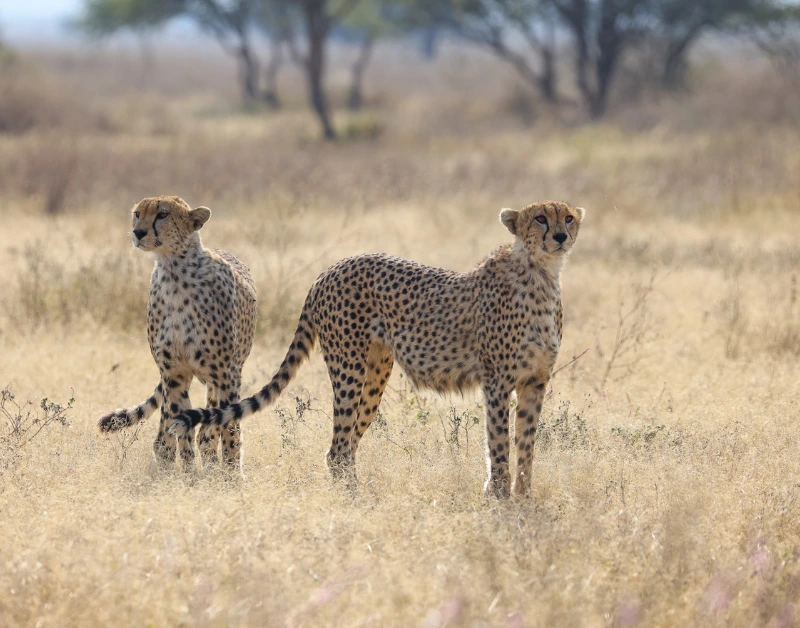
Understanding Tanzania safari prices with Tanzania Classic Tours allows you to plan a dream Tanzania safari vacation tailored to your budget and preferences. From budget camping to luxury Tanzania safari lodges, their diverse Tanzania safari packages ensure an unforgettable journey through the best Tanzania safari destinations like Serengeti and Ngorongoro Crater. With expert guides, sustainable practices, and competitive Tanzania-safari-prices, Tanzania Classic Tours is your gateway to a life-changing Tanzania wildlife safari. Book your adventure today and experience the magic of Tanzania’s wilderness!
Embarking on an African safari for your honeymoon is a once-in-a-lifetime adventure that promises romance and incredible wildlife experiences. This guide will help you navigate through the essential steps of planning a perfect African Safari Honeymoon, ensuring an unforgettable journey into the heart of Africa.
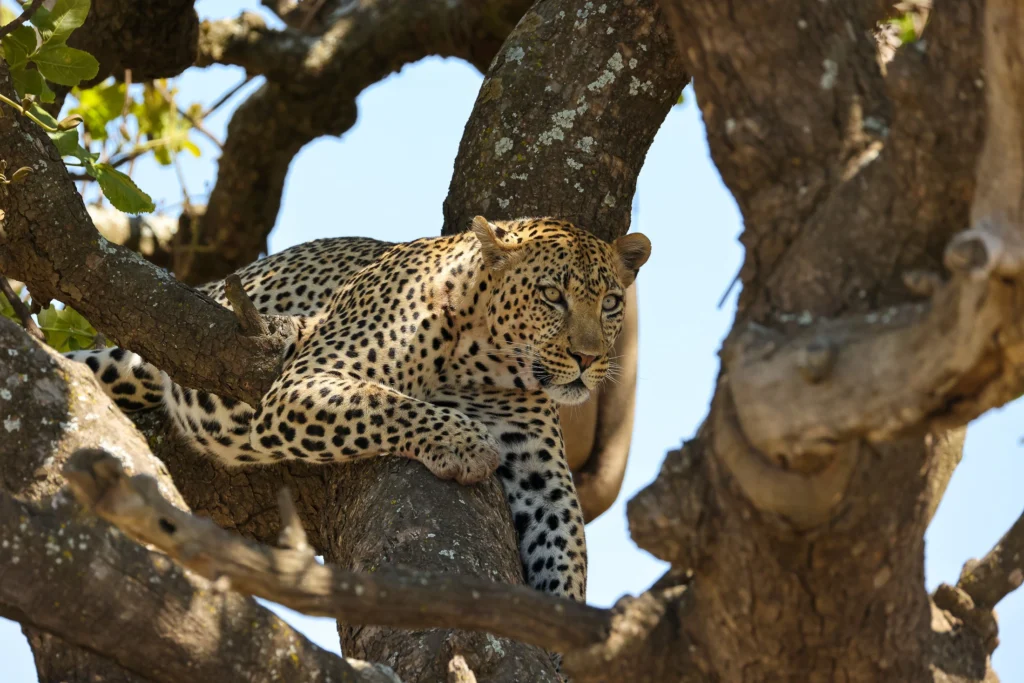
Timing is crucial for a safari, as different seasons offer varying wildlife experiences. Whether you prefer the dry season for clear wildlife spotting or the lush beauty of the wet season, understanding the weather patterns is key. The dry season, from June to October, is renowned for its unrivaled wildlife viewing, especially in iconic parks like the Serengeti. During this period, animals congregate around water sources, creating spectacular scenes. On the other hand, the wet season, from November to May, offers blooming flora and fewer tourists, providing a more intimate experience with nature. For more info visit here!
Consider the Great Migration, one of the most sought-after experiences for honeymoon safaris in Tanzania that takes place primarily between June and July when millions of wildebeests make their journey across the plains. Witnessing this natural event can add a magical touch to your honeymoon, making it an unforgettable part of your journey as newlyweds.
Africa boasts a remarkable array of safari destinations, each offering unique experiences. From the vast plains of the Serengeti to the lush Okavango Delta, selecting the right location is paramount to fulfilling your African Safari Honeymoon dreams. Serengeti Honeymoon Safaris, in particular, are renowned for the expansive landscapes and vibrant wildlife encounters, offering a truly authentic African experience. Imagine strolling hand in hand as you witness the grandeur of elephants crossing your path or hear the distant roar of a lion.
For those who prefer a mix of relaxation and adventure, the Zanzibar Honeymoon Safari offers the perfect escape. After a thrilling safari in Tanzania, unwind on the pristine beaches of Zanzibar. The island’s crystal-clear waters and tropical atmosphere provide a serene backdrop for romance, making it an ideal complement to the excitement of a safari.
Deciding between luxury lodges or intimate camping experiences can greatly influence your safari adventure. The range of accommodations available is as diverse as the landscapes you’re exploring. Luxury lodges, often perched in scenic locations, offer all the comforts of a modern retreat with the rustic charm of African decor. They serve gourmet meals and provide guided tours, ensuring a seamless African Safari Honeymoon experience.
Alternatively, for couples seeking an immersive experience, tented camps provide a closer connection to nature. Falling asleep to the symphony of wildlife sounds under a starlit sky can be incredibly enchanting and is perfect for adventurous spirits. Each option brings a unique flavor to your journey, allowing you to tailor your trip to your personal style and desires.
From hot air balloon rides at sunrise to nighttime game drives, finding ways to tailor your itinerary for an ideal blend of romance and adventure is key. Imagine soaring over the Serengeti at dawn, watching the sun cast golden hues over the landscape while sipping champagne—a quintessentially romantic experience. These magical moments create lifelong memories, setting the scene for your new life together.
Nighttime game drives provide a thrilling adventure, revealing the nocturnal life of the savannah. These excursions allow you to witness the savannah’s secretive creatures that only emerge under cover of darkness, providing a different perspective on the African wilderness. If seeking additional cultural experiences, consider visiting local communities to get a deeper understanding of the rich traditions and vibrant cultures that inhabit these wild landscapes.
Packing for a African Safari Honeymoon requires careful consideration. Discover must-have items and practical tips to ensure maximum comfort and style during your journey. Lightweight, breathable clothing in neutral tones is essential, as it blends into the natural surroundings and increases your chances of witnessing wildlife up close.
Don’t forget to include a wide-brimmed hat for sun protection, a pair of reliable binoculars for wildlife watching, and a quality camera to capture those magical moments. Remember, the key to a comfortable safari adventure is practicality layered with a touch of elegance, ensuring you’re ready for whatever the wilds of Africa bring your way.
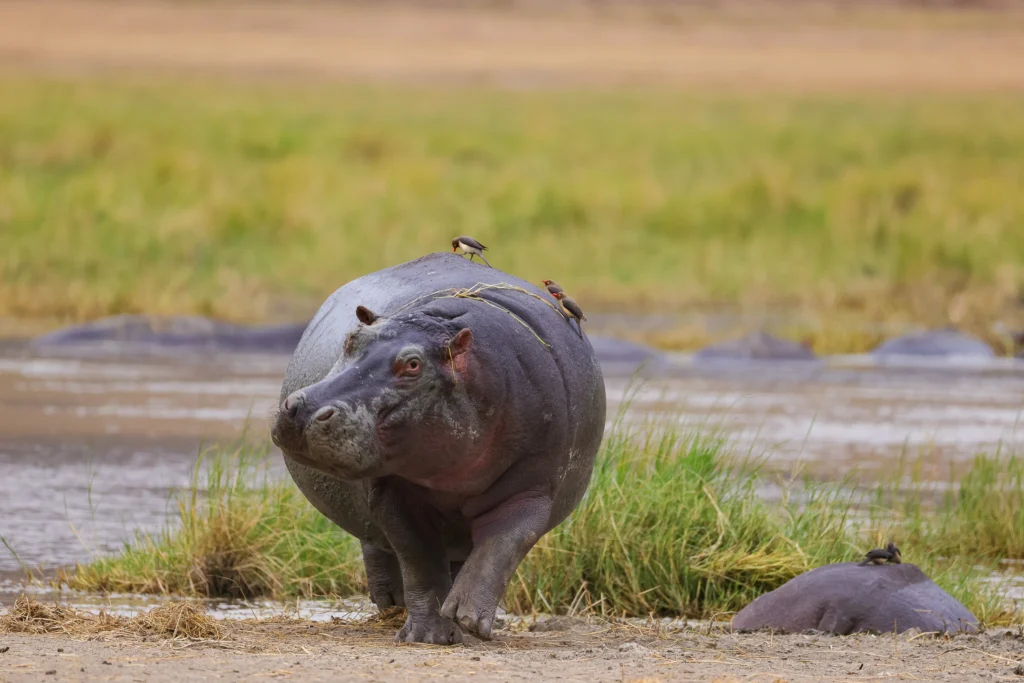
Maximize your adventure by learning insightful tips on how to capture the best wildlife photos, respect the environment, and engage safely with nature during your safari. When it comes to photography, patience and a steady hand are paramount. Aim to take photos during the golden hours—early morning or late afternoon—when the lighting is most flattering.
Engaging with nature responsibly also means leaving no trace and respecting the habitats of iconic African species. Keeping a safe distance and being silent during game drives ensures minimal disturbance to wildlife, allowing for authentic and sustainable engagement. These practices not only heighten the experience but contribute to the conservation and preservation of the magnificent African landscapes for future generations.
Q1. What is the best time to plan an African safari honeymoon?
A. The best time for an African safari honeymoon depends on the destination you choose. Many couples prefer the dry season because wildlife is easier to spot near water sources. Months from June to October are usually popular for safari adventures and romantic outdoor experiences.
Q2. Which countries are best for an African safari honeymoon?
A. Countries like Tanzania, Kenya, Botswana, and South Africa are among the top choices for honeymoon safaris. These destinations offer beautiful landscapes, luxury lodges, and unforgettable wildlife experiences. Many couples also combine safari trips with relaxing beach holidays.
Q3. How much does an African safari honeymoon usually cost?
A. The cost of an African safari honeymoon can vary based on travel style, accommodation, and trip duration. Budget safaris are available, but luxury honeymoon packages often include private lodges, guided tours, and special romantic experiences. Planning early can help you find better deals and packages.
Q4. What should couples pack for a safari honeymoon?
A. Couples should pack light clothing in neutral colors, comfortable shoes, sunscreen, sunglasses, and a camera. It is also important to carry a light jacket for cool mornings and evenings during game drives. Keeping luggage simple makes safari travel easier and more comfortable.
Q5. Can an African safari honeymoon include beach destinations?
A. Yes, many honeymoon couples combine their safari adventure with a beach escape for a complete romantic vacation. Popular choices include Zanzibar, Mauritius, and the Seychelles after the safari experience. This combination gives couples both wildlife excitement and relaxing ocean views.
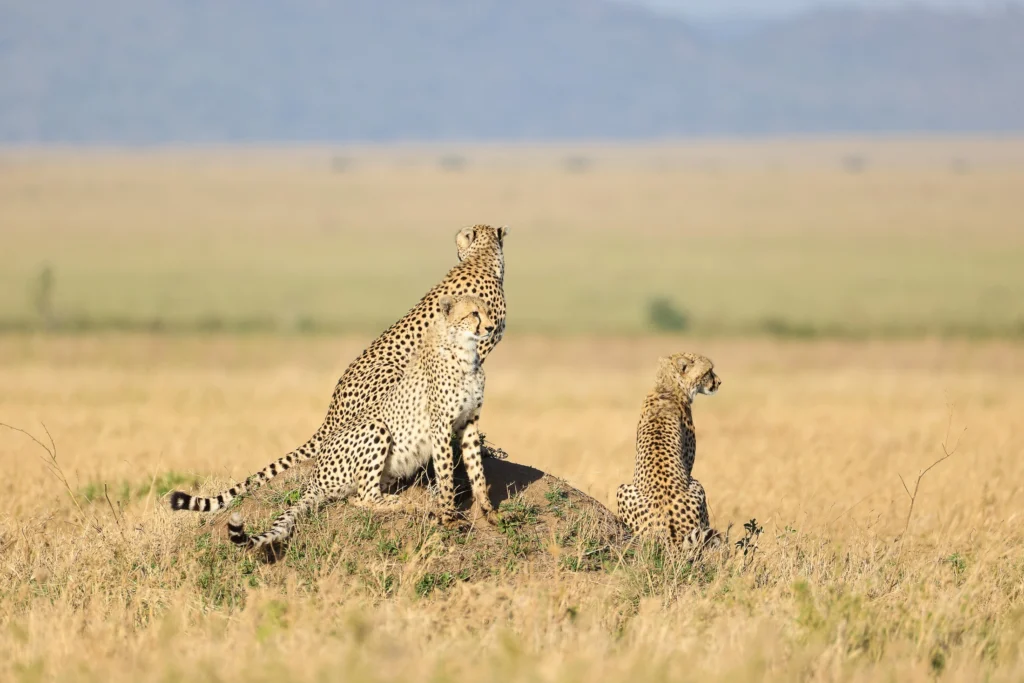
Planning the perfect African safari honeymoon is all about striking the right balance between adventure and romance. With thoughtful preparation, you’ll find yourselves in the midst of breathtaking landscapes, incredible wildlife, and cherished moments that will remain etched in your hearts forever. Ready to embark on this adventure of a lifetime? Check out our offerings at Tanzania Classic Tours and create memories that will last forever.