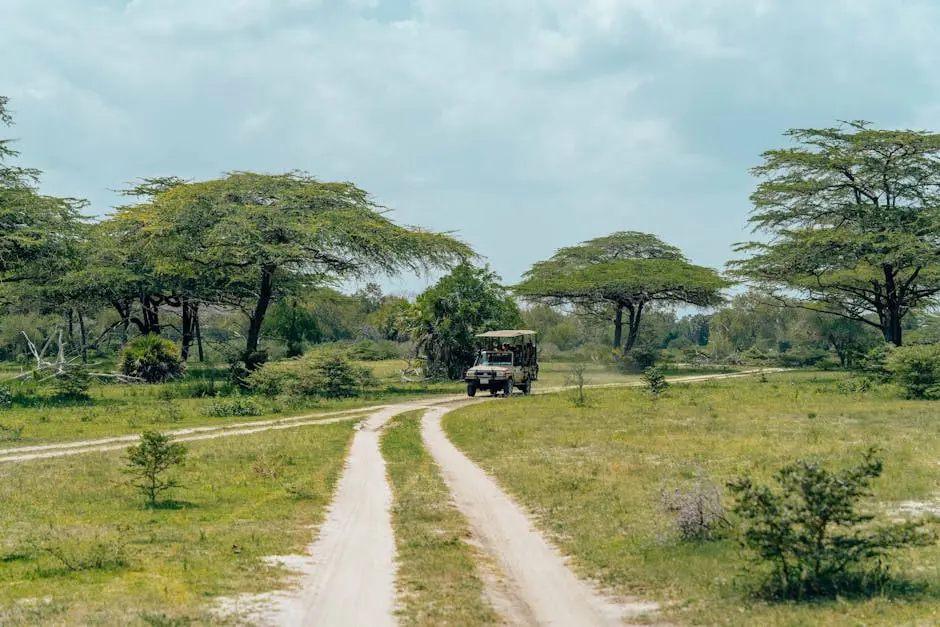
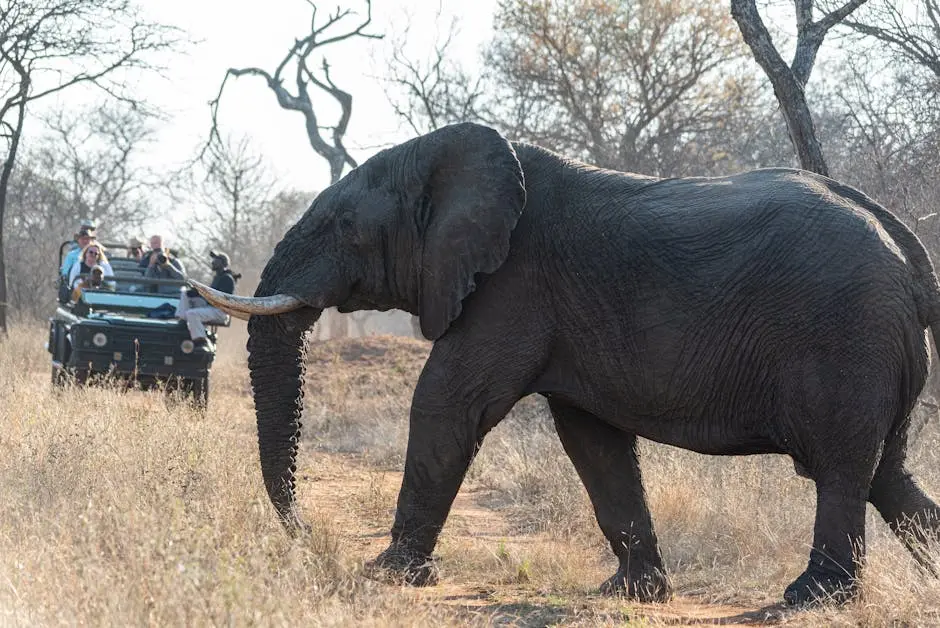
Embarking on a safari in Tanzania doesn’t have to break the bank. With a bit of planning and realistic expectations, you can enjoy a breathtaking, Budget Tanzania Safari Experience adventure. Join me as we explore the ins and outs of experiencing the incredible wildlife and landscapes of Tanzania on a budget.
Timing your safari is crucial when traveling on a budget. Exploring the seasons and understanding the best months for wildlife viewing can help you save significantly on accommodation and travel costs. Visiting Tanzania during the ‘green season’, typically from March to May and November, is a fantastic option for Budget Tanzania Safari Experience travelers. This period offers lower prices and sparser tourist crowds while still providing impressive wildlife viewing opportunities. The lush landscapes in these months are perfect for photography enthusiasts, and although the chances of rain are higher, it adds a fresh perspective to the savannah’s beauty. For those who are more interested in capturing the Great Migration, consider visiting during the transitional months when prices might still be relatively lower compared to peak seasons. For more info visit here!
One of the perks of choosing off-peak seasons is the reduced accommodation rates. Many Budget Tanzania Safari Experience lodges and campsites offer special deals, allowing you to stretch your travel funds furtherview special deals. Additionally, the cooler weather during these months can be more comfortable for game drives. Aligning your visit with national park entrances also plays a role in reducing costs. Research the various parks and their unique wildlife sightings throughout the year.
From campsites to budget lodges, there are plenty of affordable accommodation options. Learn what to expect at each type of lodging, and get tips on choosing the best fit for your safari style and budget. Camping in Tanzania is not only an affordable accommodation option but also an immersive experience that brings you closer to nature. Most campsites have basic amenities and offer a unique opportunity to sleep under the stars, surrounded by the sounds of wildlife. Some campsites even provide the option to rent camping gear, making it accessible for those who prefer to travel light.
Another alternative is staying in budget lodges that offer exceptional services without the hefty price tag. Look Budget-Friendly Lodges and Accommodations which provide a middle ground between camping and the luxurious safari lodges. These accommodations often boast stunning locations and have knowledgeable staff that can enhance your safari experience. Whichever option you choose, booking in advance is recommended to secure the best deals.
Getting around Tanzania can be a significant part of your budget. Discover how to use public transportation and budget safari operators to cut costs while still reaching the breathtaking wildlife reserves. Public transportation in Tanzania, while adventurous, requires a bit of planning. Buses are the most common form of public transport, with options ranging from basic to express buses that connect major cities and tourist destinations. Though the journeys can be long, they offer a chance to see Tanzania’s diverse landscapes and interact with locals. It’s a great way to travel economically and meet new people along the way.
For those who opt for more comfort and convenience, car rentals are available, and teaming up with fellow travelers can significantly split costs. Alternatively, look for Budget Tanzania Safari Experience operators that offer group tours; these are not only cost-effective but also provide a chance to meet like-minded travelers. When planning transportation, remember to consider park entrance fees and the distances between attractions. It can be handy to Coordinate with Local Operators to create an efficient travel route that maximizes your time and minimizes costs.
Even on a budget, you can maximize your wildlife experiences. Learn about self-guided game drives and group safari tours that offer the chance to see Tanzania’s iconic animals in their natural habitats. Self-guided game drives provide a sense of independence and adventure. While it requires careful planning and a responsible attitude, it allows you the freedom to set your pace and visit specific areas of interest. Having a good guidebook or GPS with updated maps is advisable for navigating the vast park areas. Consider consulting with park rangers for the latest information on wildlife activity.

On the other hand, joining a group safari tour can be more convenient and often less costly. These tours are generally run by experienced guides who share their knowledge of wildlife behaviors and the environment, enriching your safari experience. Group tours also increase safety, especially in more remote parts of the reserves. Take advantage of Group Safari Packages which often come at competitive prices. Whether traveling solo or in a group, keeping an open mind and embracing the unexpected makes every wildlife encounter special.
Discover the delicious and affordable local foods of Tanzania. Embracing the local cuisine not only enhances your cultural experience but also helps keep your travel expenses down. Street food stalls and local eateries offer authentic flavors at economical prices. Try popular Tanzanian dishes like Ugali, a cornmeal staple, served with a variety of hearty stews and vegetables. For the adventurous palate, sampling Nyama Choma, which is roasted meat, is a must-do experience.
In urban areas like Dar es Salaam and Arusha, you’ll find a variety of local dining options beyond traditional markets. Vegetarians can enjoy a mix of seasoned beans, spinach, or rice dishes, ensuring an affordable and healthy diet. Exploring local markets is both budget-friendly and an opportunity to engage with Tanzanian culture through its food. As you savor these rich flavors, you’ll appreciate the diverse culinary heritage that complements the vibrant landscape of Tanzania. Always be mindful of food safety practices and choose freshly prepared meals cooked thoroughly to enjoy the best culinary experiences. For more tips on what to eat and where, see Local Cuisine Guide.
A budget Tanzania safari Experience offers an incredible opportunity to witness the stunning wildlife and landscapes without stretching your finances. With careful planning and a spirit of adventure, you’ll create memories that last a lifetime. So pack your bags, and get ready for an unforgettable journey! To book your adventure today, visit our homepage and begin your safari journey.
Frequently Asked Questions (FAQs)
Q1. What is included in a budget Tanzania safari experience?
A. A budget Tanzania safari usually includes park entry fees, accommodation, transportation, meals, and guided game drives. Most packages are designed to keep costs low while still offering a complete wildlife adventure. Travelers can enjoy famous parks without spending on luxury lodges.
Q2. Is a budget Tanzania safari safe for tourists?
A. Yes, Tanzania is considered one of the safest safari destinations in Africa for tourists. Reputable safari operators provide experienced guides, secure transportation, and organized travel plans. Following guide instructions and basic travel precautions helps ensure a smooth trip.
Q3. What wildlife can you expect to see on a Tanzania safari?
A. Visitors can see animals like lions, elephants, zebras, giraffes, wildebeests, and hippos during a safari. Popular parks such as Serengeti and Ngorongoro are known for rich wildlife viewing throughout the year. Bird lovers can also spot hundreds of unique bird species.
Q4. When is the best time to book a budget Tanzania safari Experience?
A. The dry season from June to October is considered the best time for wildlife viewing in Tanzania. Animals gather near water sources, making sightings easier during game drives. Booking early can also help travelers find cheaper safari deals and accommodations.
Q5. How much should you budget for a Tanzania safari trip?
A. The total cost depends on travel style, safari duration, and the parks included in the itinerary. Budget safaris are generally more affordable because they use shared transport and standard camps or lodges. Travelers can still enjoy an unforgettable safari experience without overspending.
The Ultimate Budget Tanzania Safari Experience offers travelers the chance to explore Africa’s incredible wildlife without spending a huge amount of money. From exciting game drives to breathtaking landscapes, Tanzania provides unforgettable moments for nature lovers and adventure seekers alike. With proper planning, the right safari package, and the best travel season, you can enjoy a memorable safari journey while staying within your budget.
If you're dreaming of white sandy beaches, azure waters, and a touch of cultural richness, then Zanzibar should top your travel list. This paradise-like destination offers a perfect blend of relaxation, adventure, and history, making it an ideal spot for beach lovers. Let's explore why Zanzibar location should be your next sandy getaway.
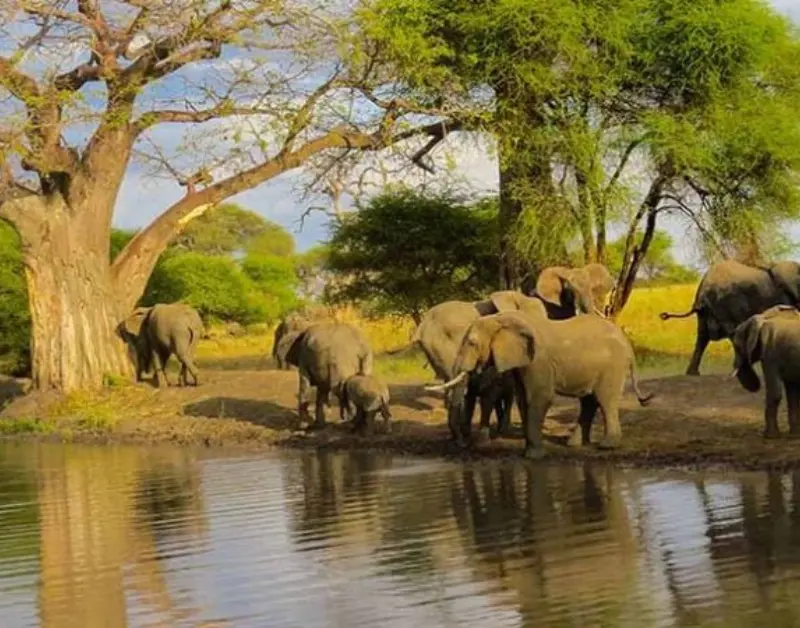
Zanzibar boasts some of the most beautiful beaches in the world, with soft white sands and clear turquoise waters. Nungwi and Kendwa beaches are renowned for their breathtaking beauty, providing the perfect backdrop for relaxation. As you stroll along the shoreline, the gentle lapping of the waves against your feet and the soft breeze offer a serene escape from the hustle and bustle of daily life.
For those looking to unwind, the expansive beaches of Zanzibar are perfect for lounging under the sun. With their idyllic settings, these beaches are also ideal for watersports enthusiasts. From surfing to paddle boarding, there are ample opportunities to explore Zanzibar's marine activities and make the most of your beach holiday. For more info visit here!
Diving in Zanzibar offers an incredible experience with its vibrant coral reefs and rich marine life. Mnemba Atoll and Pemba Island are must-visit spots for snorkelers and scuba divers seeking underwater adventures. These locations are teeming with colorful fish, sea turtles, and other fascinating marine creatures, creating a mesmerizing underwater world.
The clear waters around the islands are perfect for exploring unique dive sites that cater to both beginners and seasoned divers. Whether you're hoping to spot a dolphin or marvel at the intricate coral formations, diving in Zanzibar is an unforgettable experience that leaves you wanting more.
Zanzibar's diverse cultural heritage is a blend of African, Arab, and European influences. Exploring Stone Town, a UNESCO World Heritage site, offers a glimpse into the island's storied past and its unique architecture. As you wander through the narrow streets, the vibrant atmosphere and intricate design of historical buildings transport you to another era.
Beyond the beautiful facades, Stone Town is bustling with life. Visitors can enjoy music, art, and dance that reflect Zanzibar's cultural diversity and traditions, making it a truly enriching experience. Don't miss visiting the lively markets and savoring the local crafts that showcase the island's artistic talent.
Known as the Spice Island, Zanzibar invites you to explore its aromatic spice farms. A spice tour provides insight into local agricultural practices and the chance to sample fresh cloves, nutmeg, and other spices. It's a fascinating way to learn about the island's spice trade history and its impact on Zanzibar's economy and culture.
As you journey through the lush plantations, the fragrant scent of exotic spices lingers in the air, creating an olfactory delight. You'll witness firsthand how these spices are cultivated and processed, adding to the authenticity of the experience. It's not just a tour; it's an immersive dive into Zanzibar's rich gastronomy.
Indulge in Zanzibar's vibrant culinary scene, featuring Swahili and Indian influences. From spicy curries to fresh seafood, the island offers a delightful array of dishes that highlight the region's flavors. Whether dining at a local eatery or enjoying a meal at a luxury resort, the culinary diversity provides something for every palate.
Experience the staple dishes of Zanzibar location, such as pilau, a spiced rice dish, or indulge in the fresh catch of the day, cooked to perfection. And don't forget to try the delicious array of tropical fruits, which serve as a refreshing end to any meal. Each dining experience promises to tantalize your taste buds and leave lasting memories.
The sunsets in Zanzibar are nothing short of spectacular. Whether you're on the beach or a dhow cruise, watching the sun sink into the horizon is a magical experience. As the sky transforms into a canvas of warm hues, capturing this moment becomes a cherished memory you'll want to relive.
Evening activities in Zanzibar are centered around the splendor of the sunset. From romantic beachfront dinners to lively gatherings with music and dance, there are numerous ways to enjoy the view. The captivating beauty of a Zanzibari location sunset is a perfect finishing touch to any day spent on this stunning island.
For thrill-seekers, Zanzibar location offers a range of activities including kite surfing, sailing, and deep-sea fishing. The island is a playground for those looking to add a sense of adventure to their holiday. Whether you're gliding across the crystal-clear water or experiencing the thrill of the open sea, there's something for every adventurer.
One of the exhilarating activities that stands out in Zanzibar is kite surfing. Glide through the air and embrace the wind's power, creating an unforgettable adventure in the heart of one of the most beautiful destinations. It's not just a sport; it's a mix of freedom, challenge, and exploration.
For those preferring to stay closer to the ground, guided tours provide a chance to delve into the unique landscapes and flora of Zanzibar. Trekking through the Jozani Forest or cycling through small villages presents a different kind of adventure that's just waiting to be discovered.
Jozani Forest is home to the rare Red Colobus Monkey, making it a must-visit for nature enthusiasts. The island's diverse wildlife will delight animal lovers. From the colorful birds gracing the skies to marine life adventures, Zanzibar's natural wonders are truly remarkable.
Apart from the monkeys, the lush forest setting of Jozani creates an exceptional opportunity to explore the rich biodiversity and the endemic species residing in the area. Whether you're wandering the forest trails or joining a guided eco-tour, the thrill of spotting unique wildlife is unforgettable.
Zanzibar's beachfront resorts offer luxury, comfort, and stunning views. Whether you choose a boutique hotel or an all-inclusive resort, there's something for every traveler. These resorts are designed to provide impeccable service and modern amenities, ensuring a relaxing and indulgent getaway.
Imagine waking up to the sound of the ocean waves and stepping onto a private terrace with panoramic views of the beach. Many resorts in Zanzibar location embrace the island's natural beauty, providing guests with tranquil gardens and serene pools that blend seamlessly with the surroundings.
The attentive staff at the resorts ensures your stay is as comfortable and enjoyable as possible. Whether it's arranging a romantic dinner under the stars or suggesting the best excursions, the level of personalized service enhances the total beach holiday experience.
The friendly and welcoming nature of the locals adds to Zanzibar's charm. Their warm hospitality ensures a memorable and enriching experience for every visitor. As you explore this enchanting island, the genuine smiles and helpful nature of the Zanzibari location and its people make guests feel instantly at home.
Whether it's a simple greeting on the street or a heartfelt interaction in a local market, the warmth of Zanzibari hospitality is an integral part of the island's allure. As you embrace its unique vibe, you'll find that the warmth and kindness typical of Zanzibar resonate in every encounter you have.
Q1. Why is Zanzibar location famous for beach holidays?
A. The Zanzibar location is famous because of its white sandy beaches, clear blue water, and peaceful tropical atmosphere. Travelers from around the world visit Zanzibar to relax, enjoy water activities, and experience island culture. It offers both luxury resorts and budget-friendly stays.
Q2. What is the best time to visit Zanzibar location?
A. The best time to visit Zanzibar location is between June to October when the weather is sunny and pleasant. During these months, visitors can enjoy beach activities, snorkeling, and island tours comfortably. The island also receives fewer heavy rains during this season.
Q3. What activities can tourists enjoy in Zanzibar location?
A. Tourists in Zanzibar location can enjoy snorkeling, scuba diving, dolphin tours, spice farm visits, and sunset cruises. The island is also popular for swimming and exploring historic Stone Town. Every activity gives travelers a mix of adventure and relaxation.
Q4. Is Zanzibar location good for honeymoon couples?
A. Yes, Zanzibar location is one of the top honeymoon destinations in Africa because of its romantic beaches and private resorts. Couples can enjoy candlelight dinners by the ocean and peaceful sunset views. The calm environment makes it perfect for a romantic getaway.
Q5. How many days are enough for a Zanzibar beach holiday?
A. A stay of 5 to 7 days is usually enough to fully enjoy Zanzibar location and its beautiful beaches. Travelers can relax at resorts, explore local attractions, and enjoy water sports without rushing. This duration also allows time for cultural experiences and island tours.
Zanzibar, a stunning archipelago off the coast of Tanzania, offers an array of adventure in zanzibar for those seeking both relaxation and cultural enrichment. Known for its pristine beaches and rich history, Zanzibar Location is the perfect destination for travelers looking to explore its diverse landscapes and vibrant traditions.
From the white sands of Nungwi to the tranquil shores of Kendwa, Zanzibar offers beachgoers a slice of paradise. Unwind under the sun or dive into the crystal-clear waters for an unforgettable experience.
Nungwi Beach, located at the northern tip of Zanzibar, is renowned for its breathtaking sunsets and lively nightlife. As you stroll along the shoreline, you'll be captivated by the vibrant colors that paint the sky and reflect off the turquoise waters. The beach is lined with palm trees and dotted with thatched beach huts, offering a perfect spot to relax with a refreshing beverage. For those looking to explore the underwater world, Nungwi provides excellent opportunities for snorkeling and diving, showcasing the diverse marine life that thrives beneath the waves. For more info visit here!
For a more secluded experience, head to Kendwa Beach, just a short distance from Nungwi. Known for its powdery white sand and calm waters, Kendwa is the ideal place to unwind and escape the crowds. Here, you can enjoy a leisurely swim, soak up the sun, or indulge in a beachside massage. As the day draws to a close, the tranquility of Kendwa offers a stunning backdrop for a romantic beach dinner under the stars, making it a perfect setting for an unforgettable evening.
Wander through the narrow streets of Stone Town, a UNESCO World Heritage site, and discover its rich history. With vibrant markets, centuries-old architecture, and diverse cultural influences, it's a must-visit for those wanting to immerse themselves in Zanzibar's past.
The heart of Zanzibar City, Stone Town, is a mesmerizing labyrinth of winding alleyways, historic buildings, and bustling bazaars. Its unique blend of cultures—from Persian traders to Omani sultans—can be seen in the exquisite architecture and vibrant street life. Venture into the lively Darajani Market, where the aroma of fresh spices and the vibrant colors of local textiles create a sensory overload. Make sure to visit the House of Wonders, a striking example of Swahili coastal architecture and a testament to the island's storied past. This former sultan's palace continues to impress visitors with its grandeur and offers intriguing glimpses into Zanzibar's heritage.
Zanzibar's cuisine is a flavorful blend of African, Arabic, and Indian influences. Enjoy a culinary adventure in zanzibar as you sample local dishes such as pilau rice, Zanzibar Location pizza, and fresh seafood caught daily.
Your taste buds are in for a treat as you explore Zanzibar's culinary delights. Begin your gastronomic journey with Zanzibar pilau, a fragrant rice dish delicately spiced with cloves, cumin, and cardamom. Seafood lovers will revel in the island's bounty, with freshly caught fish, prawns, and octopus making appearances in many signature dishes. Don't miss trying the famous Zanzibar pizza—a unique fusion of savoury and sweet flavours that will leave you craving more. For an authentic experience, visit a local food market or enjoy a traditional home-cooked meal, where the warmth of Zanzibari hospitality enhances the island's rich culinary tapestry.
Known as the 'Spice Island,' Zanzibar Location offers unique tours that take you through spice plantations. Learn about the cultivation and history of spices like cloves, nutmeg, and cinnamon, and indulge your senses with their exotic aromas.
A visit to Zanzibar Location would be incomplete without a spice tour. As you wander through lush plantations, your senses will be delighted by the heady scents of spices that have shaped the island's history and economy. Discover the intricacies of cultivating cloves, a crop that once dominated the global market, or appreciate the subtle nuances of nutmeg and vanilla. Spice tours not only offer insight into agricultural practices but also include the opportunity to taste exotic fruits and sample spice-infused dishes right on the plantation. This immersive experience enriches your understanding of how spices weave into the fabric of daily life on the island.
For thrill-seekers, Zanzibar's clear waters provide excellent opportunities for diving and snorkeling, with vibrant coral reefs teeming with marine life. For a different kind of adventure in zanzibar, embark on a safari to nearby parks on the mainland.
Beneath Zanzibar's azure waves lies a mesmerizing underwater world waiting to be explored. Popular spots such as Mnemba Atoll and the Pemba Channel offer breathtaking diving and snorkeling experiences. You'll be enchanted by the vibrant ecosystem, home to diverse species ranging from colorful reef fish to graceful dolphins. These underwater adventure in zanzibar promise unforgettable encounters that bring you face-to-fin with the ocean's wonders. Additionally, the nearby Selous Game Reserve on the mainland offers thrilling safari expeditions, where you can witness Africa's iconic wildlife in their natural habitat. Combine the magic of marine exploration with the excitement of a land safari for an all-encompassing adventure in Tanzania.
Q1. What makes Zanzibar a perfect adventure destination?
A. Zanzibar offers more than just beaches. Travelers can enjoy snorkeling, spice farm visits, historic tours, and local markets in one trip. The mix of nature, culture, and ocean activities makes every day feel different and exciting.
Q2. Which beaches are best to visit in Zanzibar?
A. Some of the most popular beaches in Zanzibar include Nungwi, Kendwa, and Paje Beach. These areas are known for clear water, soft sand, and relaxing sunsets. Visitors also enjoy water sports and beachfront dining there.
Q3. Can travelers explore cultural attractions in Zanzibar?
A. Yes, Zanzibar has a rich cultural history influenced by African, Arab, and European traditions. Visitors can walk through Stone Town, explore old buildings, and learn about the island’s historical trade routes. Local food and music also add to the cultural experience.
Q4. What activities can tourists enjoy in Zanzibar besides beaches?
A. Travelers can enjoy dolphin tours, spice farm trips, scuba diving, and traditional village visits. Adventure in zanzibar lovers often explore coral reefs and sailing experiences on local dhow boats. These activities help visitors experience both nature and local life.
Q5. When is the best time to visit Zanzibar for adventure tours?
A. The best time to visit Zanzibar is during the dry seasons from June to October and December to February. The weather stays sunny and comfortable for beach activities and outdoor tours. This period is also ideal for photography and ocean adventures.
Whether you're lounging on the stunning beaches or delving into Zanzibar's rich cultural tapestry, this unique location offers something for everyone. Embrace the diversity of experiences and let Zanzibar Location leave an indelible mark on your heart. Discover how you can embark on these exciting adventure in zanzibar with our customized tours by visiting our us here
Embarking on a Tanzanian safari is more than just a wildlife adventure. It’s a captivating journey into the heart of Africa’s untouched nature, where the stunning landscapes and the call of the wild promise an unforgettable experience. Join us as we explore the rich biodiversity and vibrant cultures that make Tanzania a bucket-list destination for travelers around the world.
Home to the Great Migration, the Serengeti is a wildlife enthusiast’s paradise. Here, endless plains teem with diverse species, offering unparalleled opportunities to witness nature’s grandeur up close. Each year, the park becomes the stage for one of the most spectacular natural events on the planet, the Great Migration. This awe-inspiring event sees over a million wildebeest and hundreds of thousands of zebras and gazelles traverse the Serengeti’s vast plains in search of greener pastures. It’s a remarkable sight, attracting wildlife photographers and nature lovers from around the world to capture and appreciate the raw elegance of this ancient cycle.

But the Serengeti isn’t just about the migration. Its ecosystem supports one of the most diverse ecologies on Earth. The park is home to the iconic Big Five: lions, elephants, buffalo, leopards, and rhinoceros, and offers a remarkable chance to spot these majestic animals in their natural habitat. Whether you’re venturing out on a morning game drive or an evening safari, you’re sure to catch glimpses of these magnificent beasts as they roam the sprawling savannahs. With each moment spent, you become more enveloped in the rhythm of the Serengeti, as the golden hues of the setting sun transform the landscape into a shimmering spectacle.
Moreover, the Serengeti is also rich in birdlife. Enthusiasts will delight in the vibrant colors and lively calls of over 500 species, from the stately ostrich strutting across the plains to delicate bee-eaters flitting through the trees. A visit to the Serengeti offers more than just wildlife viewing. Engage with the local communities and discover how the unique culture and traditions of the people who call this land home intertwine harmoniously with the natural environment.
Ngorongoro Crater, a UNESCO World Heritage Site, is a breathtaking caldera filled with abundant wildlife. From elephants to flamingos, its unique ecosystem is a must-see for any Tanzanian safari-goer. Spanning over 260 square kilometers, the crater floor is a vibrant haven for wildlife, where predators like lions and hyenas stalk among vast herds of wildebeest and zebra. This natural amphitheater offers a rare opportunity to observe the intricate dynamics of predator and prey in a setting that seems untouched by time.
The rim of the crater, with its lush forests and sweeping vistas, provides a stunning contrast to the open plains below. As you descend into this ancient oasis, the sense of stepping into another world is palpable. Hippos wallow in the shallow waters of the crater lakes, while flamingos line the shores in a striking display of pink. Explorers to the crater may be fortunate enough to spot the elusive black rhino, which has found sanctuary in this protected environment.
Venturing through Ngorongoro, the rich mosaic of habitats you encounter makes every turn a new discovery. The crater not only enthralls with its natural beauty but is also steeped in history. As you travel, you can’t help but ponder the early hominins who once called this area home. Accompanied by expert guides, each story told enhances the appreciation of this geological marvel, offering an educational journey alongside the breathtaking vistas.

Beyond wildlife, Tanzania is rich in cultural heritage. Engage with the Maasai and other indigenous tribes to learn about their fascinating customs and traditions that have stood the test of time. The Maasai, known for their distinctive dress and age-old practices, offer an intriguing glimpse into a way of life that is deeply connected with nature. Visitors have the unique opportunity to experience traditional Maasai homesteads, witness ceremonial dances, and even participate in community activities, all the while gaining insights into their harmonious existence with the wildlife that surrounds their lands.
The Hadzabe, one of the last hunter-gatherer tribes in Africa, provide another window into Tanzania’s rich cultural mosaic. Their intimate knowledge of the land and its resources is communicated through engaging storytelling and practical demonstrations. Spending time with the Hadzabe offers a true understanding of resilience and adaptability, offering lessons in sustainable living that resonate deeply with modern-day issues.
Cultural immersion doesn’t end with the Maasai or Hadzabe. Tanzania is a tapestry of over 120 ethnic groups, each with its own unique language, music, and rituals. Workshops, markets, and community-led tours allow visitors to delve deeper into everyday Tanzanian life, enriching the Tanzanian Safari experience with genuine personal connections and a broadened perspective of the country’s cultural wealth.

Known for its large elephant herds and ancient baobab trees, Tarangire National Park offers a more secluded Tanzanian Safari experience. Encounter diverse wildlife in a truly unique landscape. The park’s diverse array of habitats, including riverine woodlands and grassy savannahs, supports a rich variety of animal species. During the dry season, the Tarangire River becomes a vital water source, drawing countless animals in search of hydration. This creates a spectacle of life, as giraffes, wildebeests, and oryx converge at the riverbanks.
Apart from its renowned elephants, Tarangire is home to a plethora of bird species, including the colorful yellow-collared lovebird and the impressive Kori bustard. Birdwatchers will find delight in this paradise, where the skies come alive with chirps and vibrant flocks. The park’s baobab trees, with their imposing trunks and twisted branches, are a sight to behold and provide shelter to numerous animals.
Exploration of Tarangire rewards visitors with intimate wildlife encounters, away from the crowds often found in larger parks. Opt for a walking safari to truly appreciate the sights and sounds of the bush, led by experienced guides who share tales of the land’s history and the intricate web of life it sustains.
Preparation is key to a successful safari adventure. From what to pack to the best times to visit, these practical tips will help ensure your Tanzanian safari is both safe and exhilarating. Begin your planning by considering the best time of year for wildlife viewing. The dry season, from June to October, is the prime period for safaris, offering the best chances to witness the Great Migration and explore the lush Ngorongoro Crater.
Packing wisely can enhance your safari experience. Opt for lightweight clothing in neutral colors to blend with the environment and reduce insect attraction. Sunblock, hats, and sunglasses are essential for protection against the African sun. Don’t forget binoculars and a camera with a good zoom lens to capture the incredible wildlife sightings and breathtaking landscapes.
Health and safety are paramount, so ensure vaccinations and malaria prophylaxis are up to date. Travel insurance is also advisable. Respect for local cultures and wildlife is vital; maintaining eco-friendly practices contributes to the preservation of these beautiful environments for future generations. By keeping these tips in mind, you will be set for an unforgettable safari journey characterized by wonder and discovery.

A Tanzanian safari is not only a thrilling escape into nature but also an opportunity for self-discovery and awe-inspiring encounters with wildlife. Whether you’re watching a pride of lions in the Serengeti or absorbing the tranquil beauty of Ngorongoro Crater, every moment is an invitation to reconnect with the natural world. Begin planning your Tanzanian adventure today, and prepare to be amazed by the wonders of this extraordinary land. Visit Tanzania Classic Tours to start your journey.
Embarking on a Tanzanian safari is an adventure of a lifetime, offering incredible wildlife, breathtaking landscapes, and a chance to connect with nature in a way like no other. However, choosing the perfect itinerary can be a bit daunting. In this guide, I’ll walk you through how to create an itinerary that maximizes your experience while keeping things simple and enjoyable.
Tanzania offers a rich tapestry of national parks and game reserves, each unique in its own way. From the vast plains of the Serengeti to the stunning Ngorongoro Crater, understanding the highlights of each destination can help you plan the most enriching journey possible. The Serengeti is famous for its annual migration of over a million wildebeest and hundreds of thousands of zebras, a spectacle that attracts visitors worldwide. On the other hand, the Ngorongoro Crater boasts one of the world’s most remarkable concentrations of wildlife. With its lush vegetation and dense animal population, it’s a must-see for anyone visiting Tanzania.
Moreover, the mystical landscapes of the Tarangire National Park with its baobab-studded horizons and the elusive tree-climbing lions of the Lake Manyara National Park add unique chapters to your Tanzanian saga. The Selous Game Reserve offers a contrast with its less-crowded wilderness, perfect for those seeking solitude and a deeper connection with nature. Whether you are an avid photographer looking to capture the perfect shot or a wildlife enthusiast eager to witness the actions of the African wilderness firsthand, these destinations offer a variety of experiences to choose from. For more info visit here!
The time of year you choose to visit can significantly affect your Tanzanian Safari experience. Tanzania’s seasons play a pivotal role in determining what you might see. The dry season, from June to October, is generally considered the best time for wildlife viewing. During this time, animals cluster around waterholes, offering a fantastic chance to see them in action. For bird lovers, the wet season (November to May) might be more appealing due to the influx of migratory birds and lush green scenery.
However, the wet season should not be dismissed entirely for those interested in the Great Migration. The calving season occurs from late January to February, when thousands of wildebeests give birth on the Serengeti plains, creating an extraordinary feast for the eyes and a dramatic predator-prey dynamic. Weighing each season’s pros and cons will aid in selecting a timeline that best aligns with your personal interests and expectations for your Tanzanian Safari adventure.
Creating a day-by-day plan ensures you get the most out of your Tanzanian Safari. Discover how to allocate your days between various parks, how much time to spend in each, and the unique activities that can complement your wildlife viewing. For instance, starting your journey at the expansive Serengeti allows you ample time to witness the Great Migration and explore various corners of this prolific park. Allocating several days here is ideal—it’s a place you will want to savor devoutly.
Following Serengeti, the mesmerizing Ngorongoro Crater makes for an exceptional next stop. A day or two here can unveil a host of hidden wonders, from close encounters with critically endangered black rhinos to witnessing playful zebras and over four hundred bird species. Finally, consider a relaxing outset in Zanzibar, where pristine beaches meet fascinating history—a perfect end to your Tanzanian sojourn. Balancing adventure with leisure is key to crafting an itinerary that remains memorable.
Tanzania is not only rich in wildlife but also in culture. Learn how to integrate visits to local communities or cultural sites into your itinerary for a more rounded experience. Engaging with the Maasai tribespeople, famous for their distinctive customs and dress, offers an authentic insight into the traditional pastoral lifestyle that has prevailed through generations. Visiting a Maasai village can be an eye-opening experience that deeply enriches your understanding of the local community.
Moreover, Arusha, often dubbed the safari capital of Tanzania, holds historical significance and bustling local markets. Indulging in local crafts and sampling regional cuisine can also be a delightful addition to your trip agenda. Ultimately, including cultural experiences in your Tanzanian Safari itinerary not only garnishes your appreciation for Tanzania’s diversity but also promotes sustainable tourism practices by supporting local communities.
Selecting a reliable safari operator is crucial for a seamless experience. Get insights on what to look for and how to choose an operator that aligns with your travel preferences. A great place to start is considering their experience with the Tanzanian landscape and wildlife. Opt for operators who prioritize sustainable practices and are knowledgeable about the parks you’re visiting.
Ensure they provide well-informed guides with options for tailored trips to suit your specific interests—whether it’s photography, bird watching, or a focus on big game. Reading reviews and perhaps reaching out to past clients can offer invaluable perspectives about an operator’s quality and reliability. A good operator not only elevates your Tanzanian Safari experience but also enriches your understanding of the beautiful Tanzanian wilderness.
Q1. How many days are ideal for a Tanzanian safari?
A. Most travelers choose a safari between 5 to 10 days to fully enjoy Tanzania’s wildlife and landscapes. Shorter trips are good for quick adventures, while longer safaris give you more time to explore famous parks like Serengeti and Ngorongoro. Your budget and travel goals usually decide the perfect length.
Q2. Which season is best for a Tanzanian safari?
A. The dry season from June to October is considered the best time because animals gather near water sources, making wildlife easier to spot. The green season also has its own beauty with fewer crowds and lush scenery. Many visitors choose their travel dates based on weather and migration experiences.
Q3. Should I combine multiple national parks in one itinerary?
A. Yes, combining different parks creates a more complete safari experience because every destination offers unique wildlife and landscapes. For example, Serengeti is famous for migration, while Tarangire is known for elephants. A mixed itinerary gives travelers more variety and unforgettable moments.
Q4. Is a luxury safari better than a budget safari?
A. Both options can provide an amazing adventure depending on your travel style and comfort preferences. Luxury safaris include premium lodges, private tours, and extra services, while budget safaris focus more on affordability and shared experiences. Choosing the right one depends on your expectations and budget.
Q5. What should I pack for a Tanzanian safari itinerary?
A. Travelers should pack lightweight clothes, comfortable shoes, sunscreen, sunglasses, and a good camera for wildlife photography. Neutral-colored clothing is recommended because it blends well with the safari environment. It is also smart to carry important travel documents and basic medical supplies.
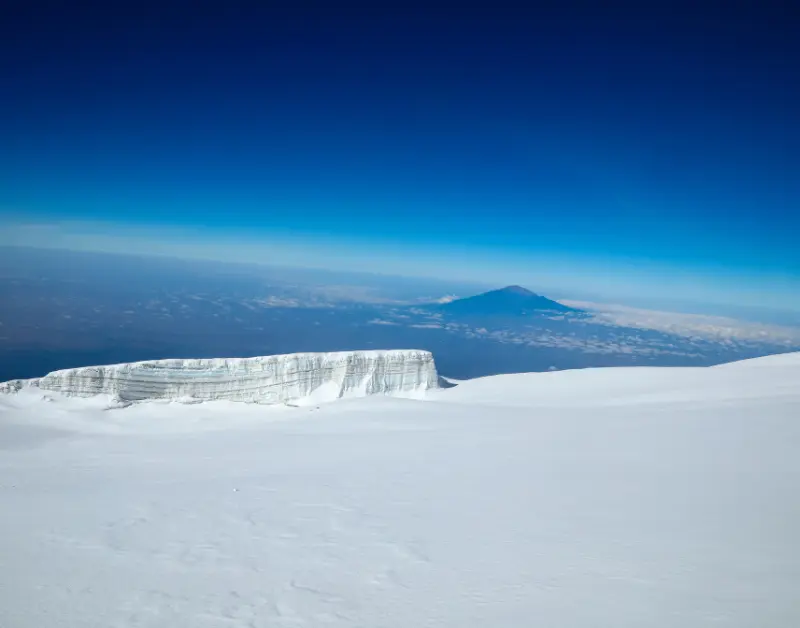
In conclusion, crafting the perfect itinerary for your Tanzanian safari involves careful consideration of your interests, the best times to visit, and how to make each day count. By taking into account the incredible diversity of the parks, the impact of seasonality, and the hidden treasures along the route, you can design a safari adventure that’s truly unforgettable. Get ready to explore and enjoy the wonders that Tanzania has to offer! For more details and personalized experiences, visit us Now.
Embarking on a Serengeti safari tours can be the adventure of a lifetime. However, being prepared is key to maximizing your experience and ensuring a successful journey. In this guide, we provide essential tips to make your Serengeti safari not only enjoyable but memorable.
The Serengeti experiences a variety of climates throughout the year. Understanding the best time to visit based on what you want to see and do is crucial. Consider the Great Migration or the calving season for different experiences.
Choosing the right time for a visit also hinges on what you wish to see during your stay. The Great Migration in Serengeti is one of nature’s most remarkable spectacles, usually happening from June to September as wildebeests move in vast numbers. This is a peak season for visitors who are rewarded with breathtaking views of this natural wonder.
Packing the right essentials can make a world of difference during your safari. Light, breathable clothing is a must for the hot days, while warm layers are necessary for the cooler nights. Don’t forget to include sturdy shoes for any guided walks. A Balloon Safari in Serengeti might also require specific attire, so consult with the tour provider beforehand.
The Serengeti hosts an array of incredible wildlife, and understanding the ecosystem can enhance your appreciation of these remarkable animals. The Serengeti Wildebeests Migration is a phenomenon involving millions of wildebeests, zebras, and gazelles. Knowing about these migrations can help target specific areas to witness the majesty of this natural event.

Respecting both the animals and the environment is at the heart of safari etiquette. Keep noise to a minimum and avoid making sudden movements that might startle wildlife. Always follow your guide’s instructions, as they have invaluable experience in ensuring safety and maintaining harmonious encounters with nature. Practicing these etiquettes ensures both a safe and enjoyable experience for yourself and the animals.
Remember to leave no trace by disposing of waste properly. Even something as simple as picking up after your meals and refraining from littering can significantly impact the environment. Moreover, participate responsibly in activities like Sundowners in Serengeti by using eco-friendly materials and always being mindful of your surroundings.
Safari vehicles come in many shapes and sizes, each suited to different purposes and preferences. If capturing unforgettable moments is your priority, opt for a vehicle equipped with open sides or a pop-up roof to maximize your views. Such configurations will allow you the best opportunity for photographic safaris in Serengeti, ensuring you won’t miss any part of the action.

Guided safaris offer deep insights thanks to experienced guides and are hassle-free, allowing you to focus on the scenery. However, if you crave independence and the thrill of discovery, a self-drive safari provides the freedom to explore at your pace. Tailor your adventure to fit your personal preferences for an unforgettable experience.
Regardless of your choice, always prioritize safety and adhere to park rules and regulations during your Serengeti Safari Tours, ensuring a pleasant experience for everyone.
Embarking on a Tanzanian safari experience experience is a thrilling adventure, promising wild landscapes and extraordinary wildlife. This guide you through the journey, exploring the wonders awaiting you in Tanzania.
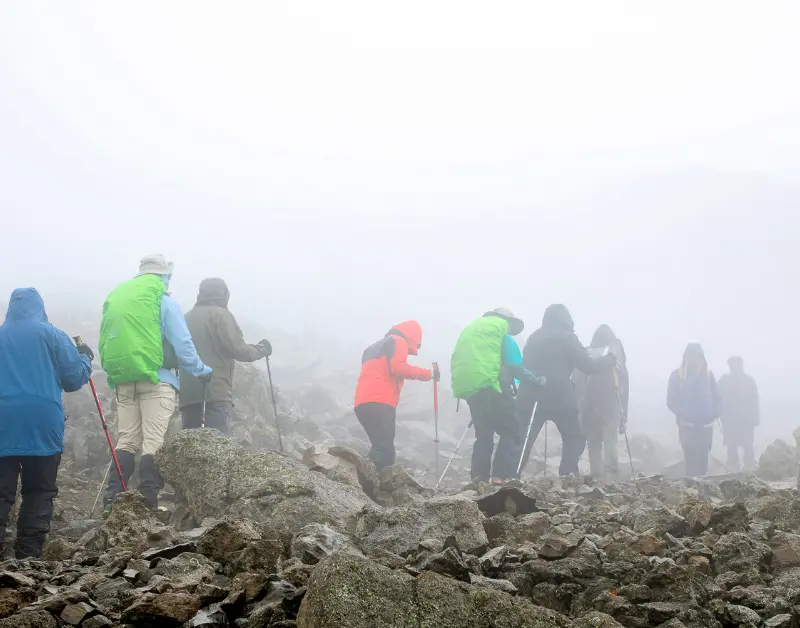
Tanzania offers unparalleled wildlife diversity, featuring the iconic Serengeti National Park and the Great Migration. Its landscapes range from savannas to lush forests, offering a unique backdrop for your adventure.
The breathtaking variety of ecosystems in the Serengeti allows for diverse flora and fauna, marking these safaris as truly exceptional. This region is home to a vast array of wildlife, from the majestic Big Five to the myriad of vibrant bird species inhabiting the trees. For more info visit here!
Apart from the Serengeti, the Ngorongoro Crater, a UNESCO World Heritage site, offers its own wildlife adventure. The crater hosts a high concentration of animals and offers breathtaking views of one of the world’s most unique geological sites.
The best time to visit is during the dry season, from June to October, when wildlife is more visible. However, each season offers unique experiences, so consider your preferences when planning your visit.
The dry season not only provides increased sightings but also comfortable temperatures to explore the savannah’s expanses. It’s during these months that the Great Migration peaks, offering a spectacular show of life and survival.
While the dry months are ideal for wildlife, visiting during the green season, from November to May, presents lush landscapes and the possibility of seeing newborn animals. These months also offer fewer crowds, allowing a more intimate Tanzanian Safari Experience.
Expect to see a variety of wildlife, including elephants, lions, leopards, giraffes, and the renowned plains of the Serengeti teeming with wildebeest during the Great Migration.
Spectacular encounters with over 1.5 million wildebeests and 200,000 zebras showcase one of nature’s grandest spectacles, as they embark on a lengthy journey, followed closely by Africa’s predators, providing unforgettable safari moments.
In the Ngorongoro Crater and Tarangire National Park, you can witness the powerful stance of elephants or search for the elusive and majestic leopards lounging in acacia trees. Each park offers its own unique wildlife highlights.
Preparation is key for a seamless Tanzanian Safari Experience. Pack light, breathable clothing, binoculars, and sun protection. Don’t forget your camera to capture those breathtaking moments.
Keeping your itinerary flexible allows for spontaneous changes to maximize your adventure. Always bring a good pair of walking shoes, especially if you’re going on walking safari tours offered by local operators, which provide an immersive experience in Tanzania’s wild landscapes.
Researching Tanzania’s diverse wildlife and local customs before your trip can enrich your Tanzanian Safari Experience. Knowing what to expect enhances your appreciation for the unique environment.
Accommodations range from luxury lodges to tented camps, allowing you to choose based on comfort and budget. Many offer splendid views and are strategically located near wildlife hotspots.
Tented camps provide an authentic Tanzanian Safari Experience of being close to nature, where night landscapes are filled with the sounds of the wildlife around you. They range from basic to ultra-luxurious, catering to a variety of preferences and needs.
Whether you choose exclusive lodges with breathtaking views of Mount Kilimanjaro or cozy tented camps enveloped in the warm embrace of the wild, comfort will accompany your adventure in the heart of Tanzania.
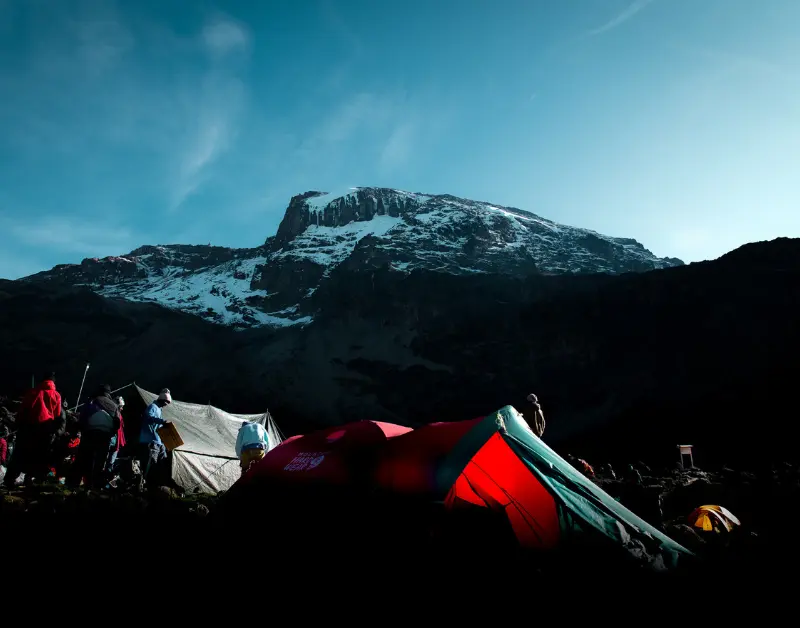
Yes, experienced local guides are available to enrich your Tanzanian Safari Experience with their knowledge of wildlife and their habitats. They ensure your journey is both safe and educational.
Safari guides possess invaluable insight into animal behavior and the intricacies of Tanzania’s ecosystems. Their stories and expertise offer a richer understanding and appreciation of each encounter on your safari.
In cooperation with Tanzania Classic Tours, guides meticulously plan routes to maximize wildlife sightings while ensuring sustainable practices to protect the environment for future explorers.
Q1. What animals can I see on a Tanzanian safari?
A. A Tanzanian safari gives you the chance to see the Big Five, including lions, elephants, leopards, rhinos, and buffalo. You may also spot giraffes, zebras, cheetahs, hippos, and hundreds of bird species. The experience changes with the season and the national park you visit.
Q2. What is the best time to visit Tanzania for a safari?
A. The dry season from June to October is considered the best time for wildlife viewing in Tanzania. Animals gather near water sources, making them easier to spot during game drives. The Great Migration in the Serengeti is also a major attraction during this period.
Q3. Are Tanzanian safaris safe for tourists?
A. Yes, Tanzanian safaris are generally very safe when you travel with experienced guides and trusted tour operators. Safari camps and lodges follow strict safety rules to protect visitors. Listening to your guide’s instructions is important during wildlife activities.
Q4. What should I pack for a Tanzanian safari?
A. You should pack light clothes in neutral colors, comfortable shoes, sunscreen, sunglasses, and a hat. A camera and binoculars can also improve your safari experience. Nights and early mornings can be cool, so carrying a light jacket is helpful.
Q5. How long should a Tanzanian safari last?
A. Most travelers choose a safari that lasts between 4 to 7 days for a balanced experience. This gives enough time to explore famous parks like Serengeti and Ngorongoro Crater. Longer safaris allow you to visit more locations and enjoy a relaxed travel schedule.
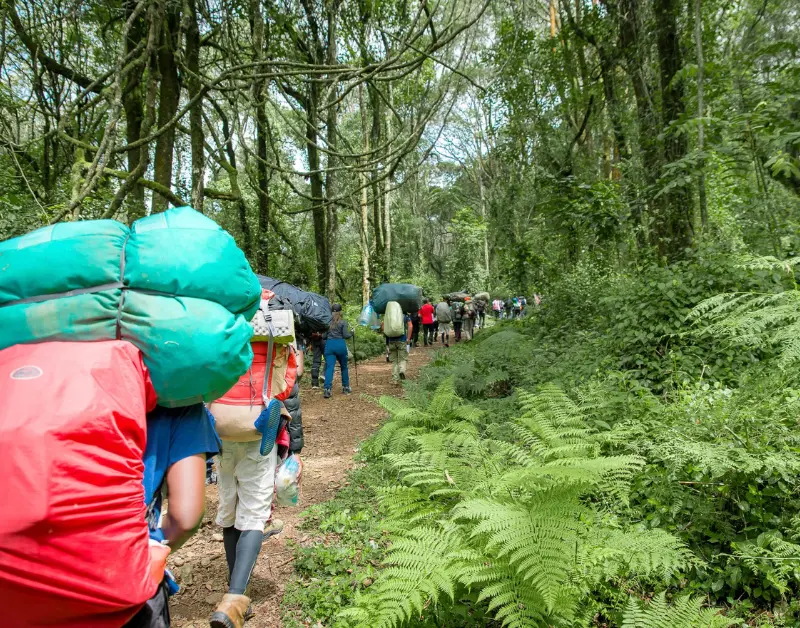
A Tanzanian safari experience promises unforgettable sights and experiences, from the majestic wildlife to the stunning landscapes and rich culture. Embrace the adventure with an open heart and immerse yourself in the wonders that await.
Embarking on a Serengeti safari tours is more than just a journey through the African savannah. It’s a mesmerizing adventure where you’ll witness one of nature’s greatest spectacles—the wildebeest migration. Let’s explore what makes this journey a magical experience, full of breathtaking sights and unforgettable moments.
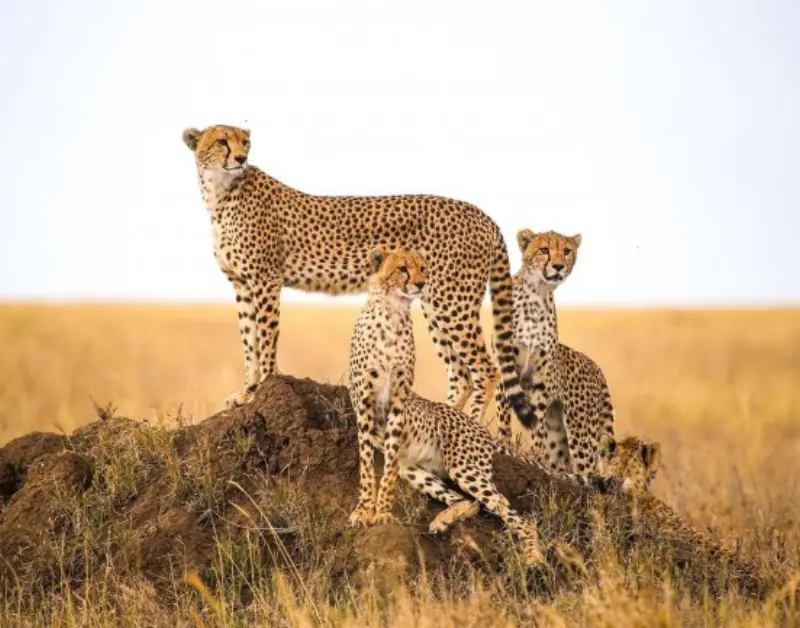
Every year, over a million wildebeest, accompanied by zebras and gazelles, embark on a dramatic trek across Tanzania’s Serengeti and Kenya’s Maasai Mara. This journey is driven by the search for fresh grazing and water, making it one of the most extraordinary natural phenomena. But what exactly fuels this epic migration?
The driving force behind this spectacle lies in the unpredictability of nature yourself—the seasonal rains. The path the wildebeest take is not random; instead, it meticulously follows the rainfall patterns. As the rains shift across the savannah, the migration follows, ensuring the animals capitalize on new growth and water sources. This cyclical, awe-inspiring journey is a vital part of the Serengeti’s ecosystem, ensuring the survival and thriving of both predators and prey. For more info visit here!
The sheer scale of the Great Migration is monumental. During the peak, the mass movement of animals stretches across the horizon, creating a visual phenomenon unlike anything else on earth. On a Balloon safari in Serengeti, you’ll be able to appreciate the magnitude of this natural wonder from a bird’s-eye view, providing a breathtaking perspective of this unstoppable flow of life.
Timing is everything when planning to witness the wildebeest migration. The migration is a continuous cycle, but understanding the best times and locations within the Serengeti can enhance your safari experience. Here’s when you should plan your visit to make the most of this awe-inspiring event.
For those eager to witness the thrilling spectacle of river crossings, the best time to visit is between July and October. During these months, the wildebeests navigate the Mara River, braving the treacherous waters teeming with crocodiles. The dramatic crossings are among the most sought-after highlights of any Serengeti safari tours, offering unforgettable scenes of survival and courage.
For an entirely different experience, plan your visit between January and March. This is the calving season, when approximately 500,000 calves are born in the southern Serengeti. It is during this time that the plains come alive with the playful energy of baby wildebeests. Witnessing the newborns take their first leaps is heartwarming and a must-see for anyone participating in family vacations in Serengeti Family vactions in Serengeti.
The Serengeti ecosystem is a vibrant web of life, characterized by its diverse wildlife and expansive landscapes. From the acacia-dotted plains to the bustling riverbanks, discover how the ecosystem supports such an astounding migration and the roles various species play in this dynamic environment.
One of the most picturesque aspects of a balloon safari in Serengeti is the opportunity to observe the symbiotic relationships that form within this intricate ecosystem. Large predators like lions, cheetahs, and hyenas depend on the bounty of migrating herds for sustenance, while scavengers clean up the remains, maintaining a healthy environment.
Beyond the spectacle of the migration itself, the Serengeti’s diverse flora forms a critical backdrop for its survival. The grasses, which regenerate with the coming rains, play a pivotal role in supporting herbivores as they migrate. The robust soil, revived by the herds’ trampling and fertilization, ensures a continuous cycle of rebirth—a testament to nature’s remarkable resilience.
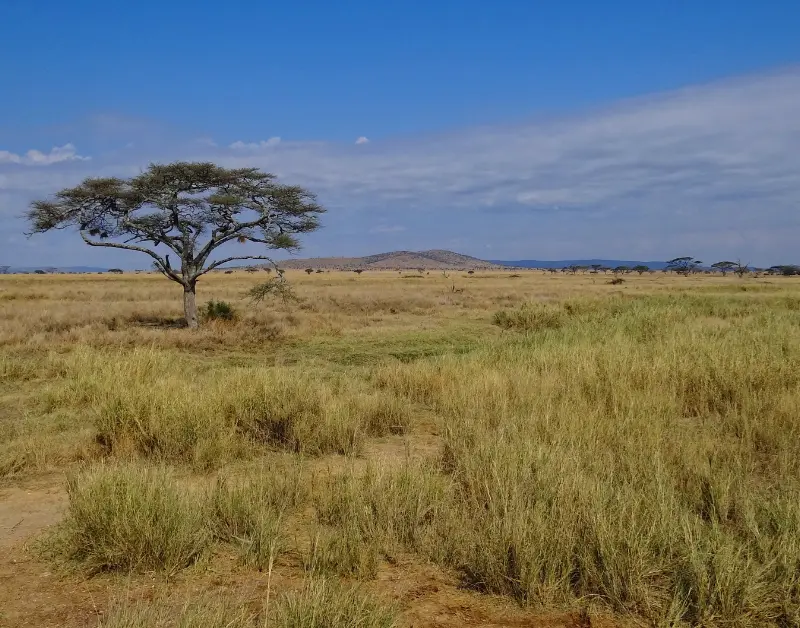
Choosing the right safari tour can make all the difference in experiencing the migration. With options ranging from budget camping excursions to luxurious lodge stays, there’s a Serengeti safari tours to fit every traveler’s taste. Let’s delve into what you can expect on a safari tour that promises a front-row seat to nature’s grand parade.
One of the unique aspects of the Great Migration in Serengeti is its accessibility to all types of travelers. Whether you’re seeking solitude or a family-friendly adventure, the wide range of safari options can cater to your preferences. Many tours also include Sundowners in Serengeti, where you can end your day among the rugged landscapes, enjoying the golden glow of the African sunset with a refreshing drink in hand.
The diversity of tours also means that different types of accommodations are available, each offering its own charm. From permanent tented camps that bring you close to nature, to lavish lodges that provide unmatched comfort, every accommodation type enhances the immersion into the Serengeti’s wildness, offering an authentic experience that is both unique and inspiring.
Photographing the wildebeest migration offers endless opportunities to capture stunning wildlife moments. Whether you’re a seasoned photographer or a beginner, these tips will help you take home beautiful memories and images that do justice to the magic of the Serengeti.
One of the most critical aspects of capturing the migration is preparation. Make sure your gear is ready and equipped for the various lighting conditions you’ll encounter. The golden hours during sunrise and sunset provide particularly dramatic lighting that can enhance the atmosphere of your photos.
Don’t forget to focus on the details—close-ups of individual animals, such as a mother wildebeest tending to her calf, can convey deep emotion and storytelling. For those looking to improve their photography skills, joining Photographic safaris in Serengeti provides guidance from experienced photographers, ensuring you capture the best moments the migration has to offer.
The wildebeest migration is truly a magical experience that draws nature lovers from around the world to the Serengeti. From the sweeping plains filled with wildlife to the life lessons learned through their endless journey, witnessing this event leaves a lasting impression. Join the Serengeti safari tours and create memories that celebrate the wonders of nature.
Frequently Asked Questions (FAQs)
Q1. What is the wildebeest migration in Serengeti Safari Tours?
A. The wildebeest migration is a natural movement of more than 1.5 million wildebeests across the Serengeti and Maasai Mara ecosystems. During Serengeti Safari Tours, travelers can witness river crossings, predator action, and huge animal herds moving together. It is considered one of the greatest wildlife events in the world.
Q2. When is the best time to see the wildebeest migration?
A. The best time depends on the migration stage you want to experience. From June to October, visitors often see dramatic river crossings, while January to March is known for the calving season. Serengeti Safari Tours operate year-round, giving travelers different experiences in every season.
Q3. Why is the wildebeest migration so famous?
A. The migration is famous because of its massive scale and nonstop wildlife action. Thousands of animals travel together while lions, crocodiles, and cheetahs follow the herds for hunting opportunities. Serengeti Safari Tours give travelers a close view of this rare and unforgettable natural event.
Q4. What animals can be seen during Serengeti Safari Tours?
A. Besides wildebeests, visitors can see zebras, gazelles, elephants, giraffes, lions, leopards, and crocodiles. The Serengeti is home to a wide variety of wildlife and birds throughout the year. This makes Serengeti Safari Tours exciting for photographers and nature lovers.
Q5. Are Serengeti Safari Tours suitable for families and first-time travelers?
A. Yes, Serengeti Safari Tours are suitable for families, couples, solo travelers, and first-time safari visitors. Many safari packages include comfortable lodges, guided game drives, and customized itineraries. The experience is safe, educational, and filled with unforgettable wildlife moments.
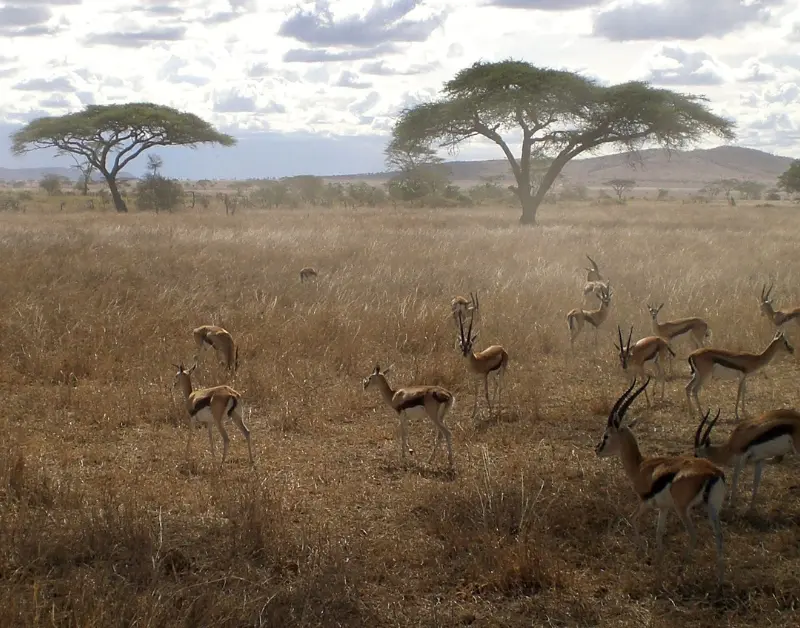
The wildebeest migration is one of the most breathtaking wildlife experiences on Earth, making Serengeti Safari Tours a dream adventure for nature lovers and travelers from around the world. From massive moving herds to dramatic predator encounters, every moment in the Serengeti offers excitement and unforgettable memories. Whether you are visiting for the first time or returning for another safari, the magic of the migration creates an experience that stays with you forever.
Planning a Serengeti safari tour can be thrilling yet overwhelming, especially when it comes to choosing the perfect time to go. With the Serengeti’s diverse ecosystems and incredible wildlife phenomena, timing your visit right can make all the difference. Let’s explore how to select the best time of the year for your unforgettable Serengeti adventure.
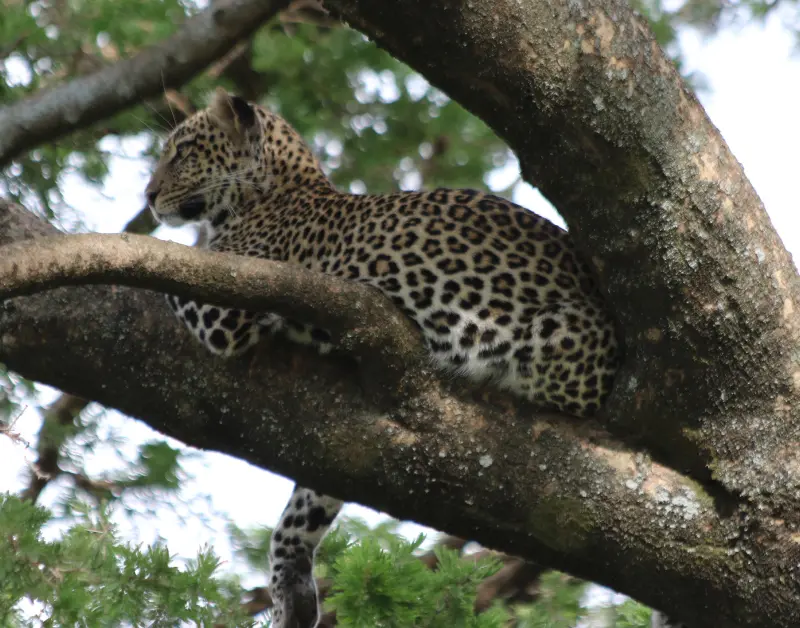
The Serengeti experiences two main seasons: the dry season from June to October and the wet season from November to May. Each season offers distinct experiences and wildlife sightings.
In the dry season, the Serengeti’s expansive plains transform into bustling wildlife hotspots. As water sources dwindle, animals congregate, offering exceptional viewing opportunities. This is also when the weather is most predictable, making it a popular time for visitors.
On the flip side, the wet season brings life and vibrancy to the Serengeti. The landscape turns lush and green, attracting a variety of birds and mammals. If you enjoy rich scenery and can tolerate occasional showers, this period can provide a unique safari experience. For more info visit here!
One of the most compelling reasons to visit the Serengeti is to witness the Great Migration. For this, consider visiting between January and March, when calving happens, or from June to July, as the wildebeest begin their dramatic river crossings.
The Serengeti Wildebeests Migration is one of nature’s most awe-inspiring events. Watching vast herds moving in unison across the plains is a spectacle that draws wildlife enthusiasts from around the globe.
For a truly magical experience, a Balloon safari in Serengeti during the migration allows you to float above the herds as they traverse the Savanna, offering unmatched views and photographic opportunities.
The dry season offers more predictable weather and easier wildlife spotting, as animals gather around water sources. Conversely, the wet season boasts lush landscapes and fewer crowds, with the added benefit of bird watching.
Temperature fluctuations are minimal, but the dry season is typically more comfortable for outdoor activities. If rainfall doesn’t bother you, the wet season’s affordability and quieter parks can be quite appealing.
If you’re an avid photographer, the lush backdrop of the rainy season can enhance photographic safaris in Serengeti, providing some of the most vibrant and dynamic images for your portfolio.
Peak travel times can be more expensive and require early booking. If you’re traveling on a budget, consider the shoulder months of April and May, which offer lower rates and ample wildlife opportunities.
During the less busy months, not only can you enjoy discounted rates, but you’ll also experience a more personal encounter with the Serengeti’s majestic wildlife as visitor numbers decrease significantly.
Opting for the low season can allow you to extend your stay, indulge in more activities, or upgrade accommodations without breaking the bank. Perfect for family vacations in Serengeti.
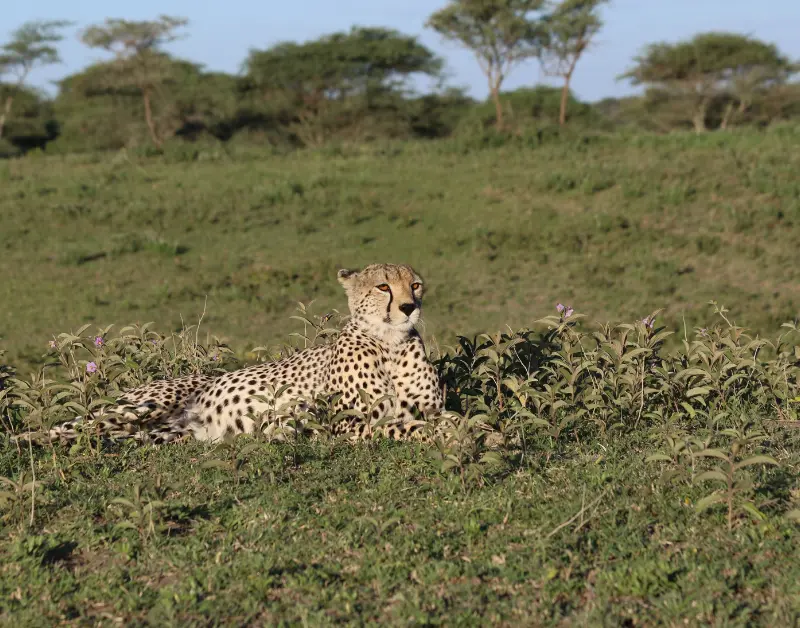
Engage with local tour operators for personalized advice on the best times to visit, as they have firsthand knowledge of seasonal changes and wildlife patterns.
Our local experts are keen to offer insider tips, ensuring your Serengeti safari tour is both fulfilling and unforgettable. Their knowledge of the park’s pulse is invaluable when planning your dream safari.
From arranging unique experiences like Sundowners in Serengeti to spotting elusive wildlife, their expertise provides the foundation for a successful Serengeti adventure.
Frequently Asked Questions (FAQs)
Q1. What is the best month to visit the Serengeti for a safari tour?
A. The best months for a Serengeti National Park safari are usually from June to October. During this dry season, animals gather around water sources, making wildlife easier to spot. The weather is also more comfortable for game drives and photography.
Q2. When can I see the Great Migration in the Serengeti?
A. The famous wildebeest migration happens throughout the year in different parts of the Serengeti. Many travelers prefer June to August for river crossings, while January to March is ideal for the calving season. Each period offers a different safari experience.
Q3. Is the rainy season good for a Serengeti safari tour?
A. Yes, the rainy season can still be a great time to visit the Serengeti. The landscape becomes green and beautiful, and there are usually fewer tourists in the parks. It is also a good season for birdwatching and budget-friendly safari packages.
Q4. Which season is best for seeing predators in the Serengeti?
A. The dry season is often the best time to see lions, cheetahs, and leopards in action. Animals gather in open areas near rivers and waterholes, making predator sightings more common. Early morning and evening game drives are especially rewarding.
Q5. How do I choose the right safari season for my travel goals?
A. Your ideal safari time depends on what you want to experience during the trip. If you want migration action, choose the migration months, while the dry season is better for wildlife viewing in general. Travelers looking for quieter and cheaper trips may enjoy the green season more.
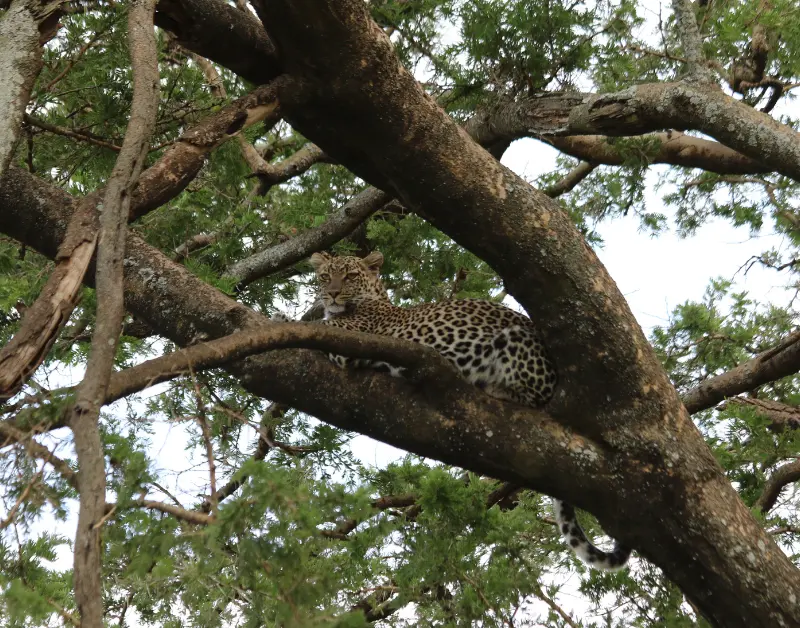
In conclusion, choosing the best time for your Serengeti safari tour depends on what you hope to experience. Whether it’s the Great Migration, lush green landscapes, or dry, wildlife-abundant plains, there’s a perfect season waiting just for you. Consider the factors and decide what suits your interests and travel style the best. For detailed itineraries and personalized safari planning, visit our homepage to start your journey.
Dreaming of an unforgettable honeymoon safari that combines romance, adventure, and the majestic beauty of nature? An African safari offers the perfect backdrop for newlyweds to begin their journey together. In this blog, we’ll discover how an African Honeymoon Safari can create lifelong memories and provide an intimate experience surrounded by the wonders of wildlife.
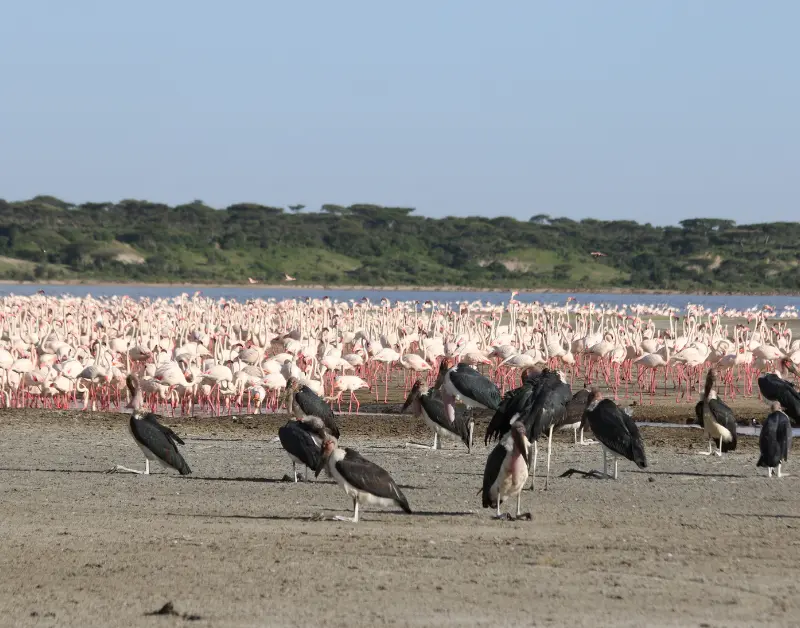
An African safari offers a unique blend of adventure and romance, setting it apart from traditional Honeymoon Safari destinations. Imagine waking up to the sounds of nature, exploring vast landscapes together, and sharing breathtaking wildlife encounters. It’s the perfect setting for newlyweds looking to start their life journey with extraordinary experiences.
What makes a safari truly magical is the opportunity to connect with nature in its most pristine form. Imagine starting your day with a sunrise over the savannah, the golden hues casting a magical light over everything it touches. As you embark on daily safaris, you’ll witness majestic wildlife in their natural habitats—from the powerful lions to the graceful giraffes. Each day promises new surprises and a chance to bond over the shared excitement of your discoveries. For more info visit here!
Beyond the thrilling wildlife encounters, Africa’s landscapes offer a backdrop to some of the most romantic moments you’ll share. Whether you’re watching a vibrant sunset over the Serengeti or enjoying a candlelit dinner under a vast canopy of stars in the Okavango Delta, these moments will etch themselves into your memory, creating a tapestry of love and adventure.
From the savannahs of the Serengeti in Tanzania to the lush scenery of the Okavango Delta in Botswana, Africa boasts a diverse range of safari destinations to choose from. Each location offers its own unique experiences, from game drives to romantic bush dinners, providing countless opportunities to immerse in the wild beauty together.
Tanzania, in particular, offers some of the best Honeymoon Safari packages. The Ngorongoro Crater is a must-see, offering a stunning backdrop for wildlife viewing. The crater is home to a dense population of animals, making it one of the best places in Africa to see the Big Five. The cultural richness of the Maasai people also adds a unique dimension to your safari experience, offering insights into their traditional way of life amidst the wild.
South Africa’s Kruger National Park is equally alluring, offering luxury safari lodges and thrilling wildlife spots. Complement your wildlife adventure with a visit to the pristine beaches along the Garden Route or a trip to the vineyards of Stellenbosch, perfect for couples who wish to extend their Honeymoon Safari with a touch of wining and dining.
Planning an African safari requires thoughtful consideration of the best time to visit, the types of accommodations, and the specific wildlife you want to see. With this preparation, you can ensure that your Honeymoon Safari is tailored to your desires, whether it’s staying in luxurious lodges or enjoying intimate tented camps.
Timing is crucial when planning a safari, as the experience can vastly differ with the seasons. The dry season, typically from June to October, is ideal for game viewing, as animals congregate around water sources. However, the wet season from November to May offers vibrant scenery and fewer tourists, allowing for a more intimate experience.
Accommodations play a significant role in your safari experience. Opt for a luxurious lodge if you prefer all the comforts of a five-star hotel amidst the wilderness. For a more immersive experience, consider a mobile camping safari, where you can enjoy the thrill of sleeping under canvas while still enjoying modern amenities. Each choice offers its own unique charm, catering to different tastes and preferences.
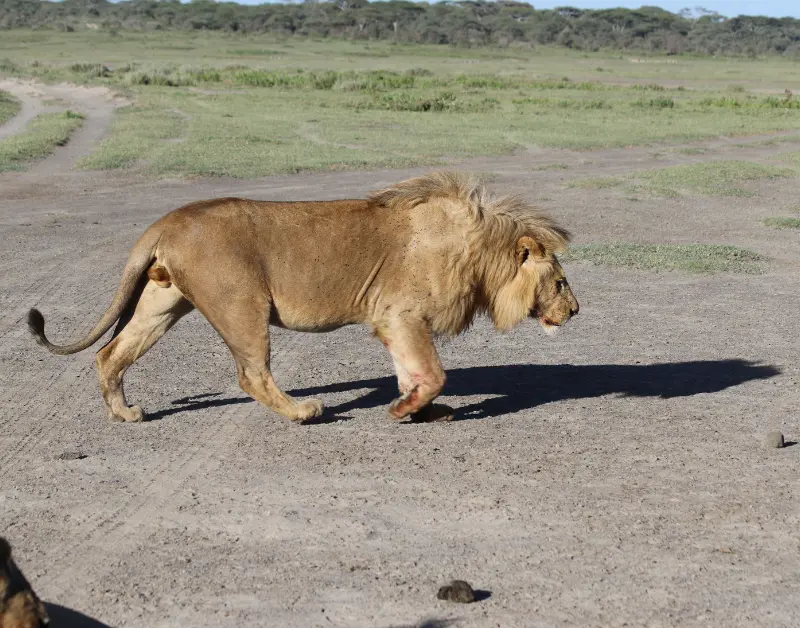
Your safari honeymoon is a chance to create unforgettable memories together. Share thrilling game drives, witness the incredible Great Migration, or savor quiet evenings by the campfire. Each moment spent together in the vast wilderness strengthens your bond, offering experiences you’ll treasure for a lifetime.
For the adventurous couple, consider adding a hot air balloon safari to your itinerary. As you float above the plains, you’ll gain a bird’s-eye view of the wildlife and landscape, a perspective that is truly awe-inspiring. Imagine ascending at dawn, with panoramic vistas unfolding beneath you as the sun casts its golden glow over the earth.
For those quieter, reflective moments, nothing beats a serene boat safari along the Zambezi River. Glide past the banks teeming with elephants and hippos, and revel in the peace and tranquility that only being surrounded by nature can provide. These varied experiences ensure that every day of your Honeymoon Safari offers something new and special.
Q1. What makes an African honeymoon safari special?
A. An African honeymoon safari gives couples a mix of romance, adventure, and nature in one trip. You can enjoy private game drives, luxury lodges, and beautiful sunsets together. It is a unique experience that creates unforgettable memories after your wedding.
Q2. Which countries are best for a honeymoon safari in Africa?
A. Countries like Tanzania, Kenya, South Africa, and Botswana are popular for honeymoon safaris. These destinations offer amazing wildlife, luxury camps, and romantic safari experiences. Many couples also combine safari tours with beach holidays.
Q3. What animals can couples see on an African safari?
A. Couples can see lions, elephants, giraffes, zebras, leopards, and many other wild animals during safari tours. Some parks are also famous for the Big Five wildlife experience. The wildlife viewing changes with the season and safari location.
Q4. When is the best time to plan a honeymoon safari in Africa?
A. The best time depends on the country and the type of safari experience you want. Most travelers prefer the dry season because animals are easier to spot near water sources. June to October is usually considered one of the best safari periods in many African destinations.
Q5. Is an African honeymoon safari expensive?
A. An African honeymoon safari can fit different budgets depending on the accommodation and travel style. Luxury lodges cost more, while mid-range camps are more affordable for couples. Planning early and choosing package deals can also help reduce overall travel costs.
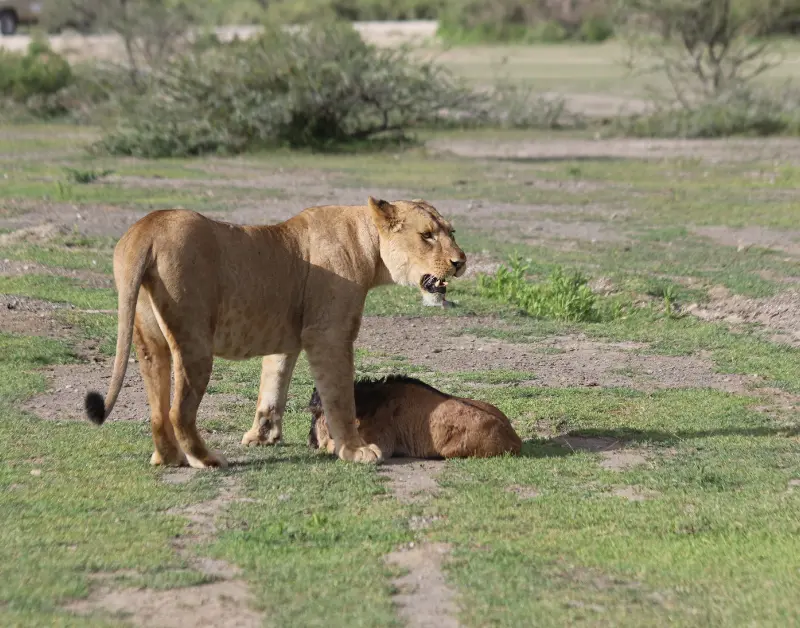
Embarking on an African safari for your honeymoon promises more than just a vacation—it offers an extraordinary adventure filled with breathtaking landscapes, unforgettable wildlife encounters, and the romance of the wild. Whether you are watching a perfect sunset over the savannah or sharing a quiet moment under the stars, your honeymoon safari in Africa is sure to be the start of countless unforgettable journeys together. Don’t miss the chance to explore these magical moments with Tanzania Classic Tours.