Embarking on a wildlife tour offers an incredible opportunity to witness nature's wonders, especially in iconic locations like the Serengeti and the Ngorongoro Crater. These destinations are not just about the breathtaking landscapes; they are teeming with vibrant wildlife and rich ecosystems. Join us as we explore what makes these unique wildlife tours unforgettable experiences.
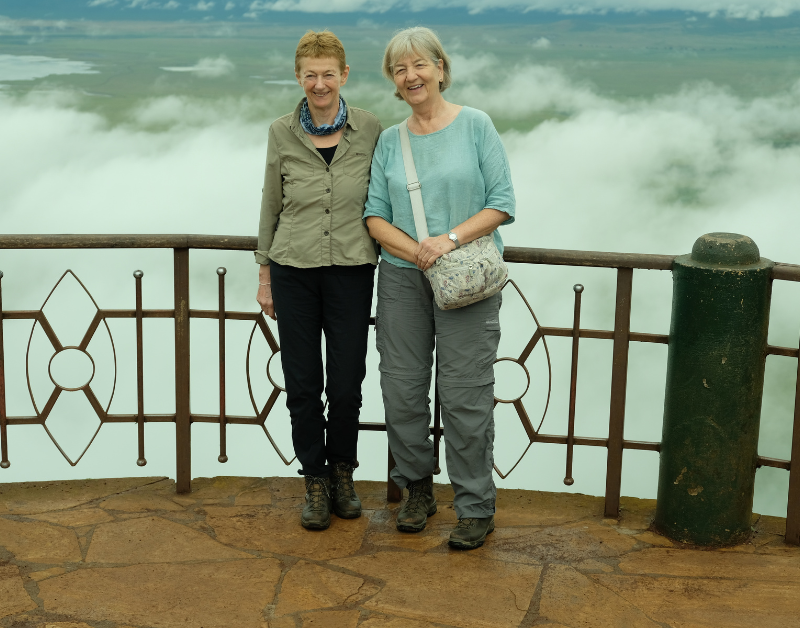
The Serengeti is not just a place; it's an experience. As you journey through this expansive savanna, the sheer diversity of wildlife is astonishing. Imagine witnessing large herds of wildebeest and zebras making their annual migration across the plains, a spectacle that is both breathtaking and humbling. These migrations are driven by the search for food and water, creating a dynamic landscape teeming with action. That’s where the magic lies—every moment offers something new. For more info visit here!
The open plains are punctuated by acacia trees and the occasional kopje, where you might spot a pride of lions lounging in the sun. For many, seeing a lion in its natural habitat is a bucket-list experience that puts your heart racing. But it's not just big cats you’ll encounter; the Serengeti is home to countless species, from the tiny dik-dik to the majestic elephant. Each wildlife tour here presents a chance to connect with these animals and understand their behaviors.
As the sun sets over the Serengeti, the sky transforms into a canvas of oranges and purples, creating a stunning backdrop for evening game drives. Under the vast African sky, the sounds of nature come alive. The thrill of spotting nocturnal animals like leopards and hyenas adds another layer of adventure to your experience. This immersive environment fosters a deep appreciation for wildlife in its untamed state, reminding us of the importance of these ecosystems.
The Ngorongoro Crater is a UNESCO World Heritage site and one of Tanzania's most famous landmarks. This natural wonder is like stepping into a time capsule, where prehistoric landscapes meet rich wildlife. Formed by a massive volcanic eruption, the crater hosts a unique ecosystem that supports a diverse range of species. Driving into the caldera feels like entering a world apart, where the laws of nature exist in pure harmony.
In the lush grasslands of the crater, you can find large herds of wildebeest, buffalo, and even the rare black rhino. Each of these animals has its own story, from the nurturing instincts of a mother buffalo to the solitary nature of the black rhino. Observing their interactions in this confined space offers an intimate glimpse into their lives. It's a privilege to witness such raw, natural behavior unfold right before your eyes.
Birdwatchers will also find their paradise in the Ngorongoro. The vibrant colors of flamingos lining the crater lakes and the diverse species of raptors soaring overhead provide ample opportunities for those looking to capture the perfect photograph or simply enjoy the beauty of nature. Each wildlife tour through the crater reveals the delicate balance between species and their environment, emphasizing the importance of conservation efforts.
Understanding when to visit these iconic locations can make all the difference in your wildlife safari experience. The best time to embark on wildlife tours in the Serengeti typically aligns with the Great Migration, which occurs between June and August. During these months, the spectacle of wildebeest and zebras crossing the plains is at its peak, drawing predators eager to take advantage of this natural buffet. Travelers flock to witness this incredible sight, creating an electric atmosphere that embodies the essence of wildlife watching.
In contrast, the rainy season, which runs from March to May, presents a different, more serene experience. Fewer tourists venture into the parks during this period, allowing for a more intimate connection with nature. During the rains, the landscape transforms into a lush paradise, with new life emerging and temperatures being milder. It’s an excellent time for spotting young animals learning to navigate their surroundings. However, be prepared for some mud, which can make for a fun and adventurous safari!
For the Ngorongoro Crater, the dry season between June and October is ideal for wildlife viewing. Animals tend to gather around water sources, making them easier to spot. Visitors often report seeing elephants, lions, and a wide variety of antelope congregating in the crater floor. This accessibility allows for some of the most memorable moments in wildlife photography, as animals are not only plentiful but also more active compared to other seasons.
A wildlife tour in Tanzania promises an adventure unlike any other. Upon arriving, you will be greeted by skilled guides who are not only knowledgeable but also genuinely passionate about the wildlife and ecosystems they work to protect. Their expertise plays a crucial role in enriching your experience. They possess a wealth of information about the animals and their behaviors, often sharing fascinating anecdotes that bring the sights and sounds of the wilderness to life.
Each day unfolds with early morning drives, where the crisp air fills you with excitement as you venture into the heart of nature. The anticipation of spotting your first big cat or watching elephants graze against a stunning sunset elevates the experience. Safari vehicles are designed for optimal viewing, allowing you to take in the expansive landscapes while feeling perfectly safe and secure. Don’t forget your camera, as every moment is picture-perfect!
Additionally, many tours include engaging downtime where you can reflect on your experiences. Over lunch, you'll often find fellow travelers sharing their own stories and observations, fostering a sense of camaraderie. The meals often feature local cuisine, allowing you to get a taste of the culture while enjoying the natural beauty that surrounds you. These moments not only hone your appreciation for wildlife but also introduce you to the vibrant cultures of the regions.
Sustainability should be at the forefront of any wildlife tour, and there are several ways to ensure that your adventure has a positive impact on the environment. Start by choosing responsible tour operators who prioritize eco-friendly practices such as using fuel-efficient vehicles and minimizing waste during your trip. Researching these companies can help you support those who truly care about preserving wildlife and natural habitats.
While on your tour, it's important to adhere to guidelines set forth by your guides. Stay in your vehicle during game viewing unless instructed otherwise, as this minimizes stress on the wildlife. Respecting their space is crucial. Avoid loud noises, sudden movements, and flash photography which can disturb the delicate balance of nature. Engaging in responsible wildlife viewing allows for a more authentic experience for both you and the animals.
Lastly, consider offsetting your carbon footprint by participating in local conservation efforts. Many parks offer programs where visitors can contribute to wildlife protection initiatives or participate in tree planting activities. By taking part in these efforts, you not only deepen your connection to the land but also give back to the ecosystems that make your wildlife tours so extraordinary.
Guides are the heartbeat of any wildlife tour, serving as your primary link to the wonders of nature. Their expertise and intimate knowledge of the parks transform a simple visit into an educational journey. Beyond simply showing you animals, guides educate you on the interconnectivity of ecosystems, emphasizing the importance of conservation and habitat preservation. They provide insights that deepen your appreciation for the delicate balance of wildlife.
The interaction between guides and the wildlife can often lead to unforgettable moments. Guides are trained to read animal behavior, making it possible to anticipate sights that others might miss. An experienced guide can lead you to a hidden pride of lions or a bustling elephant family. Through their guidance, you’ll come to understand the subtle signs of life in the bush—like the tracks left behind in the soil—bringing the experience to life in ways that truly resonate.
Ultimately, the role of a guide extends beyond mere observation; they are storytellers and stewards of the land who enrich your journey in profound ways. Their enthusiasm can inspire you to pursue a deeper commitment to wildlife conservation long after your tour ends. With their guidance, the world of wildlife opens up, revealing the extraordinary stories that lie within each animal, their behaviors, and the landscapes they inhabit.
Q1. What can I expect to see on a Wildlife Tour from Serengeti to Ngorongoro Crater?
A. A Wildlife Tour from Serengeti to Ngorongoro Crater offers a chance to see lions, elephants, giraffes, zebras, and many other animals. Visitors can experience amazing landscapes, natural habitats, and unforgettable safari moments. The journey combines two of Tanzania’s most famous wildlife destinations.
Q2. What is the best time to visit Serengeti and Ngorongoro Crater?
A. The best time to visit Serengeti and Ngorongoro Crater is usually during the dry season from June to October. During this period, animals gather near water sources, making them easier to spot. The weather is also comfortable for game drives and outdoor activities.
Q3. How many days are needed for a Serengeti and Ngorongoro safari tour?
A. A 3 to 5-day safari is usually enough to explore both Serengeti and Ngorongoro Crater properly. This allows enough time for game drives, wildlife viewing, and enjoying the scenery. Longer tours provide a more relaxed and detailed experience.
Q4. Is a Wildlife Tour from Serengeti to Ngorongoro suitable for families?
A. Yes, these wildlife tours are suitable for families who want to enjoy nature and wildlife together. Many safari operators offer family-friendly accommodations and activities. It is a great way for children and adults to learn about animals and conservation.
Q5. What should I pack for a Serengeti and Ngorongoro wildlife tour?
A. Travelers should pack comfortable clothes, a hat, sunscreen, binoculars, and a good camera for the safari. Lightweight layers are useful because temperatures can change during the day. Comfortable shoes and personal essentials will make the trip more enjoyable.
Whether you find yourself mesmerized by the Great Migration in the Serengeti or captivated by the diverse wildlife of the Ngorongoro Crater, each moment spent on these unique wildlife tours offers a deeper appreciation for the natural world. These journeys create lasting memories and awaken a sense of adventure that lingers long after the tour concludes.
Embarking on an African safari offers a once-in-a-lifetime opportunity to connect with the wild and capture stunning imagery of Tanzania's diverse wildlife. Whether you are a seasoned photographer or just starting, understanding the nuances of safari photography can greatly enhance your experience. In this blog, we will explore essential tips and techniques that will help you capture the beauty of Tanzania's wildlife in all its glory.
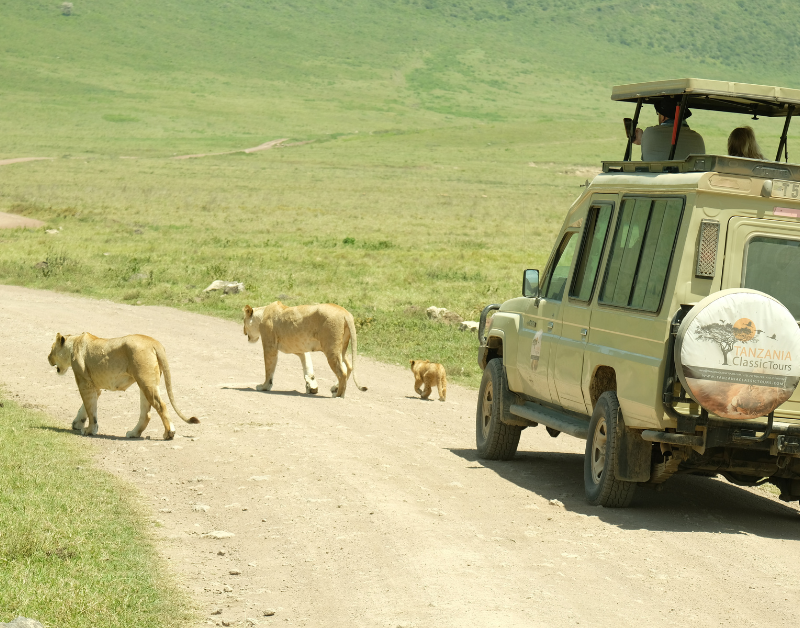
Tanzania's safari environment is a tapestry of vibrant landscapes, diverse ecosystems, and a wealth of wildlife. From the sweeping plains of the Serengeti to the lush foliage of Ngorongoro Crater, each setting presents unique challenges and opportunities for the photographer. It's essential to familiarize yourself with these different habitats to maximize your photographic potential. Observing the details of your surroundings can greatly inform your photographic strategy.
Wildlife behavior often changes with the time of day. Mornings are typically the best time for capturing animals in action, as they are most active during cooler temperatures. Conversely, midday can be particularly challenging, often leading to harsh lighting that diminishes detail. Understanding these patterns allows you to plan your outings accordingly, ensuring that you are positioned for the best shots. For more info visit here!
Additionally, consider the seasonal changes in Tanzania. The Great Migration, for instance, follows specific routes that change throughout the year. Scheduling your safari during these peak times not only enriches your photographic opportunities but also immerses you in one of nature's most spectacular events. This understanding of seasonal dynamics will deepen your connection to the landscape and its inhabitants.
When embarking on an African safari, the right equipment can significantly enhance your photography experience. A solid DSLR or mirrorless camera with a good zoom lens is recommended. A lens with a focal length of at least 200mm can bring distant wildlife into sharp focus, capturing intimate moments with stunning detail.
Equally important is considering the weight and portability of your gear. Safaris often require a fair amount of travel, and lugging around heavy equipment can quickly become exhausting. Therefore, a lightweight tripod and a comfortable camera strap can make a world of difference during long days in the field.
Don’t forget to pack extra batteries and memory cards. You might find yourself in awe of an unexpected sighting, and the last thing you want is to miss that perfect shot due to battery drain or lack of storage. A good quality lens cleaning cloth is also a smart addition, as dust and grime can accumulate on your lens, impacting image quality. Always be prepared for the unexpected!
Getting familiar with the right camera settings can make a substantial difference in capturing wildlife imagery. For instance, using a fast shutter speed is crucial for freezing a moment, especially when photographing animals in motion. A speed of 1/500th of a second or faster is a good rule of thumb for most wildlife photography.
In addition, consider setting your camera to continuous shooting mode. This setting allows you to take multiple shots in quick succession, increasing your chances of catching that perfect expression or action shot. You might find that animals often make the most striking movements fleetingly, so being prepared can be the key to stunning photographs.
Another significant aspect is the use of ISO settings. In varying light conditions, adjusting the ISO helps maintain the clarity and sharpness of your images. A higher ISO can be beneficial in low light situations, but be cautious as it may introduce noise to your photos. Therefore, knowing how to balance your settings based on your environment is crucial.
Tanzania boasts a variety of iconic wildlife areas, each providing excellent opportunities for photography. Finding the right location can be the difference between capturing ordinary and extraordinary shots. The Serengeti National Park is renowned for its dramatic landscapes and vast array of wildlife, particularly during the Great Migration when hundreds of thousands of wildebeest and zebras traverse the plains.
Another exceptional spot is Tarangire National Park, famous for its large elephant populations and stunning baobab trees. Here, you can capture both wildlife and landscape photography in one breath-taking frame. Ngorongoro Crater offers a unique caldera ecosystem where many species coexist, providing rich diversity and countless capture opportunities.
Studies have shown that becoming acquainted with local guides can dramatically enhance your safari experience. They often possess extensive knowledge about wildlife behavior, migration routes, and hidden gems that tourists may overlook. Establishing a connection with a knowledgeable guide can lead you to the very best locations at the perfect times, vastly improving your chances of getting that unforgettable shot.
Capturing animals in action is one of the most thrilling aspects of safari photography. One technique to enhance your wildlife shots is to anticipate animal behavior. Observing an animal's activity can provide clues about potential movements, allowing you to be ready at the right moment. Whether it’s a lioness stalking her prey or elephants interacting, being patient and perceptive pays off.
Another useful method is panning your camera along with a moving subject. This technique involves using a slower shutter speed while tracking the animal with your lens, which can create a stunning sense of motion in your photographs while keeping the subject sharp. This dynamic shot emphasizes the raw energy of wildlife, transforming your images into a narrative that speaks of the wild.
Lastly, don’t shy away from experimenting with different angles and perspectives. Shooting from a lower angle can lend a more intimate view of wildlife, while an elevated position can showcase the context of their habitat. Your goal is to tell a story through your images, so creativity in perspective can significantly enrich your photographic narrative.
The Big Five—lion, leopard, elephant, buffalo, and rhinoceros—are iconic symbols of African safari wildlife and photographing them requires a degree of strategy. Understanding the behaviors and habitats associated with each species can increase your likelihood of successful shots. For example, leopards often inhabit trees or rocky outcrops, and knowing this can guide your location and approach.
Encouraging patience while waiting for the perfect opportunity is also crucial. When observing elephants, take time to appreciate their social structures; photographing a family group working together can result in more meaningful compositions. The thrill of catching these majestic creatures in their natural interactions is immeasurable and makes for powerful imagery.
Lighting plays a significant role when photographing the Big Five as well. Early morning and late afternoon light, known as the golden hours, provide softer shadows and a warm glow that enhances your photos. This is when animals are often most active, making it a double win for both lighting and subject engagement.
Lighting is perhaps the most critical component in photography, especially in a vibrant environment like Tanzania's Africa safari. The way light interacts with your subject can create mood, highlight textures, and affect color saturation. Understanding natural light can elevate your images from ordinary to extraordinary.
Soft, diffused lighting during early mornings or late afternoons produces rich colors and gentle contrasts. Conversely, bright midday light can easily wash out colors and create harsh shadows. Learning to work with different lighting conditions allows you to capture the essence of the moment, even under less than ideal circumstances.
Utilizing light to your advantage involves strategic positioning. Whenever possible, try to have the sun behind you. This approach illuminates your subject, showcasing its details beautifully. Utilizing reflectors or even the natural surroundings to bounce some light onto your subjects can also enhance the overall quality of your photographs.
Post-processing is a valuable part of the photography process, allowing you to refine and perfect your wildlife images. Simple adjustments like cropping and straightening can dramatically enhance composition. Pay attention to the rule of thirds; positioning your subject off-center often leads to more engaging photographs.
Color correction is another vital step. Adjusting saturation and brightness can help your images pop while ensuring they remain true to the scene you experienced. Be mindful not to over-edit, as authenticity maintains the story behind your shots. Always strive to highlight the natural beauty of the wildlife you encountered.
Lastly, consider using noise reduction tools, especially if you employed a high ISO setting in low light. Many software programs offer specific features for wildlife photography, allowing you to retain details while minimizing unwanted noise. As you learn and grow in your editing skills, your wildlife photos will continue to evolve into stunning representations of Africa's wild beauty.
Q1. What is the best time for African Safari Photography in Tanzania?
A. The best time for African safari photography in Tanzania is during the dry season from June to October. During this period, wildlife gathers around water sources, making animals easier to spot and photograph. The clear skies and good lighting also help capture stunning images.
Q2. What camera equipment should I bring for a Tanzania wildlife safari?
A. A good camera with a zoom lens is ideal for capturing Tanzania’s wildlife from a safe distance. A lens between 100mm and 400mm is popular among safari photographers. Extra batteries, memory cards, and a protective camera bag are also important.
Q3. Where are the best places in Tanzania for wildlife photography?
A. Tanzania offers many great locations for wildlife photography, including the Serengeti, Ngorongoro Crater, and Tarangire National Park. These areas are home to lions, elephants, giraffes, and many other animals. Each destination provides unique opportunities for amazing wildlife shots.
Q4. How can I take better wildlife photos during a safari?
A. To take better wildlife photos, be patient and observe animal behavior before taking pictures. Use natural light, especially during sunrise and sunset, for more dramatic results. Keeping your camera ready helps you capture unexpected moments.
Q5. Is photography safe during an African safari?
A. Yes, wildlife photography is safe when you follow your safari guide’s instructions. Always keep a safe distance from animals and avoid sudden movements or loud sounds. Professional guides know how to approach wildlife without disturbing them.
With these tips and techniques, you are well-equipped to capture breathtaking photographs of Tanzania’s incredible wildlife. Remember to be patient, respectful of the animals, and most importantly, enjoy the journey. Each click of the shutter is a moment frozen in time, allowing you to share the wonders of the African safari with others.
Tanzania is a land of breathtaking landscapes, abundant wildlife, and rich culture. For the discerning traveler seeking a luxurious adventure, Tanzania offers unmatched experiences that combine elegance, comfort, and exclusivity. In this blog, we’ll explore the top five luxury travel experiences in Tanzania that promise to leave you with unforgettable memories.
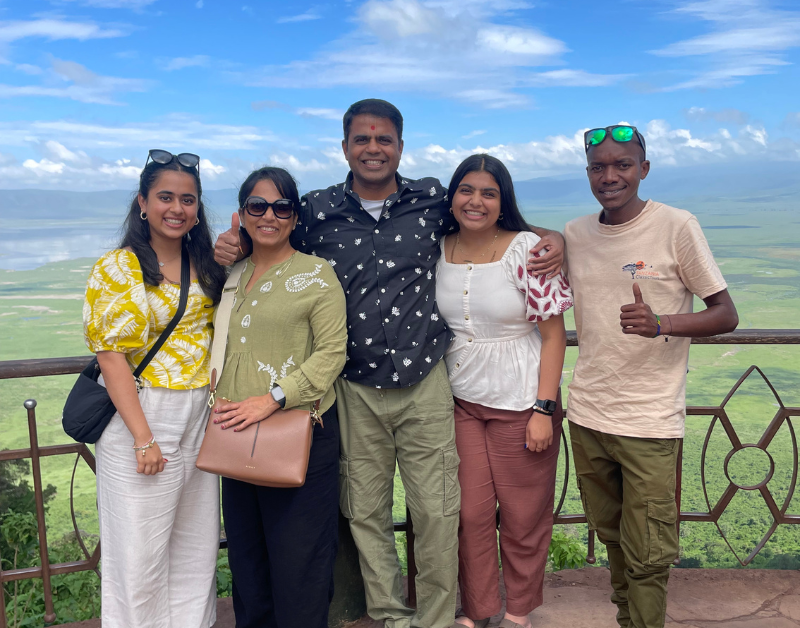
Embark on a luxury safari in the Serengeti National Park, staying in opulent lodges and tented camps. Witness the Great Migration from the comfort of your private deck, enjoy gourmet meals, and take guided game drives with expert rangers. The Serengeti is iconic for its extensive grasslands and the Great Migration, which draws scores of wildlife enthusiasts each year.
Choose from a variety of accommodation options that cater to your every need, ensuring an experience that's both adventurous and indulgent. The lodges here offer amenities like infinity pools, spa treatments, and personalized services. At Tanzania Classic Tours, we provide a customizable 6-day luxury safari that covers both the Serengeti and other must-visit locations, adapting to seasonal animal migrations.
Imagine waking up to the distant roar of lions and the sight of a vast, golden savannah stretching as far as the eye can see. With premium services that go beyond the ordinary, a luxury safari in the Serengeti ensures every moment is a memorable one. From open-air bush dinners to champagne breakfasts in the wild, your days will be filled with unique experiences all designed for sheer delight. For more info visit here!
Relax on the pristine beaches of Zanzibar Island, staying in exclusive resorts that offer private villas, world-class spa services, and fine dining. Dive into the turquoise waters for a snorkeling adventure or explore the rich history of Stone Town. The turquoise waters and white sand beaches make Zanzibar an exotic island paradise, blending Swahili, Arabic, and Portuguese influences.
Spend your days lounging by private pools, visiting historic sites, or indulging in a relaxing massage at a beachfront spa. For those interested in culture, a walk through the labyrinthine alleys of Stone Town butresses unforgettable encounters with the eclectic culture of Zanzibar. Late afternoons are perfect for a leisurely stroll along the beach or sailing on a traditional dhow, admiring the stunning sunset.
Zanzibar offers more than just idyllic beaches. The island promises an immersive cultural experience too. From local spice tours to visits to historical sites, Zanzibar is filled with unique attractions that captivate the heart and mind. The luxury resorts here elevate the experience by offering everything from private dining on the beach to exclusive diving excursions.
Soar over Africa's highest peak, Mount Kilimanjaro, on a private helicopter tour. Enjoy breathtaking views of the mountain and its surrounding landscapes, followed by a champagne picnic at a secluded spot. Mount Kilimanjaro is famed as the world's highest free-standing mountain, attracting adventure seekers and nature lovers alike.
Witnessing the snow-capped peaks of Kilimanjaro from above is an experience like no other. The aerial view affords a unique perspective on the mountain's diverse ecosystems, from lush forests to barren summit. After your flight, land in a remote location untouched by many and enjoy a gourmet picnic prepared by top chefs.
Experience unparalleled wildlife viewing in the Ngorongoro Crater, staying at luxury lodges that offer panoramic views and exceptional service. Enjoy guided walking safaris, breakfast on the crater floor, and encounters with the diverse wildlife. The Ngorongoro Crater is renowned for its unique landscape and dense wildlife population.
This 'Garden of Eden' like setting provides an exceptional backdrop for a luxury safari. From spotting the Big Five to catching a glimpse of the elusive black rhino, every game drive here is filled with excitement. The lodges cater to every need, with amenities designed for comfort and exclusivity. At dawn, take a private, guided trek for an intimate experience with nature.
The Ngorongoro Crater offers more than just wildlife; it is a site of immense natural beauty and geological significance. A part of the Great Rift Valley, it serves as a vital habitat for countless species. After a long day of exploration, unwind at your luxurious lodge, enjoying a world-class meal while the sun sets over the crater rim.
Indulge in a cultural journey in Arusha, a gateway to many of Tanzania's attractions. Stay in elegant boutique hotels, explore local markets, visit art galleries, and engage in curated cultural tours to understand the rich heritage of Tanzania. Arusha is not only the starting point for many safari tours but also a hub for cultural encounters.
Dive into the local culture with visits to Maasai villages and traditional markets. Art lovers can appreciate the vibrant works at numerous galleries, while food enthusiasts can enjoy varied culinary experiences at upscale restaurants that fuse local and international flavors. Personalized tours can take you to hidden gems known only to locals.
The city also serves as the ideal base for day trips to the surrounding areas, such as the coffee plantations and the scenic slopes of Mount Meru. At the end of the day, retreat to your boutique hotel where unparalleled comfort and personalized services await. This blend of culture and luxury makes Arusha a premier destination for the sophisticated traveler.
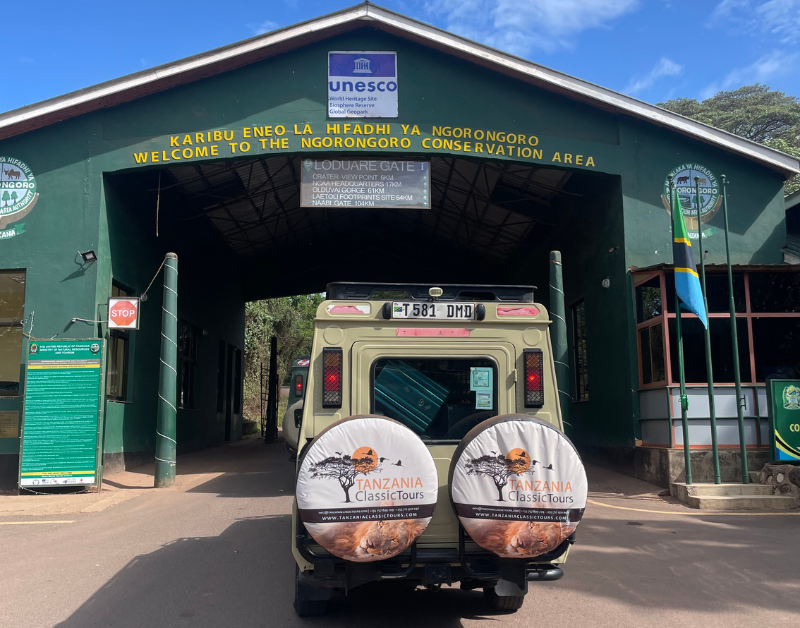
Q1. What are the top luxury travel experiences in Tanzania?
A. Tanzania offers many luxury travel experiences including private safaris, luxury lodges, beach holidays in Zanzibar, and exclusive wildlife tours. Travelers can enjoy premium services, beautiful surroundings, and personalized adventures. These experiences combine comfort, nature, and unforgettable moments.
Q2. Is a luxury safari in Tanzania worth the cost?
A. A luxury safari in Tanzania provides a more comfortable and private way to explore wildlife destinations. Guests can stay in high-end camps, enjoy expert guides, and experience the best locations with fewer crowds. It creates a unique and relaxing adventure in the heart of nature.
Q3. What makes Zanzibar a luxury travel destination?
A. Zanzibar is famous for its stunning beaches, luxury resorts, clear waters, and rich culture. Visitors can enjoy private beach stays, romantic experiences, and water activities. It is a perfect destination for travelers looking for relaxation and elegance.
Q4. What is the best time for luxury travel in Tanzania?
A. The best time to enjoy luxury travel in Tanzania is usually during the dry seasons when wildlife viewing is excellent. The months from June to October are popular for safaris and outdoor activities. However, Tanzania offers amazing experiences throughout the year.
Q5. Can luxury Tanzania trips be customized?
A. Yes, luxury Tanzania trips can be fully customized based on personal interests and travel style. Travelers can choose private tours, special accommodations, and unique activities. A customized itinerary makes the journey more comfortable and memorable.
Exploring luxury tanzania not only immerses you in nature's wonders but also ensures that every moment is spent in the lap of comfort and elegance. Whether it's a safari, a serene beach escape, or a cultural journey, Tanzania offers something exceptional for every discerning traveler. So pack your bags and get ready to experience the best that Tanzania has to offer.
Tanzania is a land of breathtaking landscapes, abundant wildlife, and rich culture. For the discerning traveler seeking a luxurious adventure, Luxury Travel Tanzania offers unmatched experiences that combine elegance, comfort, and exclusivity. In this blog, we’ll explore the top five luxury travel Tanzania experiences that promise to leave you with unforgettable memories.
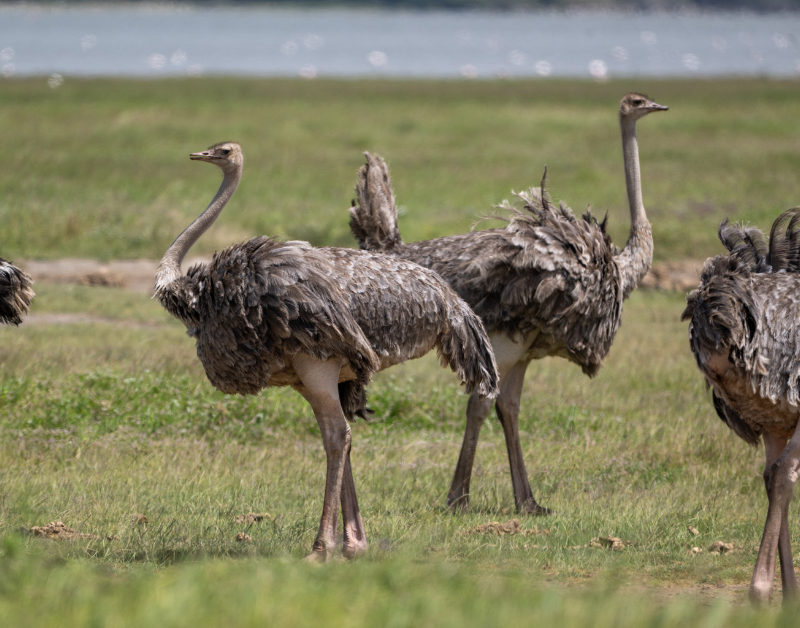
Embark on a luxury safari in the Serengeti National Park, staying in opulent lodges and tented camps. Witness the Great Migration from the comfort of your private deck, enjoy gourmet meals, and take guided game drives with expert rangers. The Serengeti is iconic for its extensive grasslands and the Great Migration, which draws scores of wildlife enthusiasts each year.
Choose from a variety of accommodation options that cater to your every need, ensuring an experience that's both adventurous and indulgent. The lodges here offer amenities like infinity pools, spa treatments, and personalized services. At Tanzania Classic Tours, we provide a customizable 6-day luxury safari that covers both the Serengeti and other must-visit locations, adapting to seasonal animal migrations.
Imagine waking up to the distant roar of lions and the sight of a vast, golden savannah stretching as far as the eye can see. With premium services that go beyond the ordinary, a luxury safari in the Serengeti ensures every moment is a memorable one. From open-air bush dinners to champagne breakfasts in the wild, your days will be filled with unique experiences all designed for sheer delight. For more info visit here!
Relax on the pristine beaches of Zanzibar Island, staying in exclusive resorts that offer private villas, world-class spa services, and fine dining. Dive into the turquoise waters for a snorkeling adventure or explore the rich history of Stone Town. The turquoise waters and white sand beaches make Zanzibar an exotic island paradise, blending Swahili, Arabic, and Portuguese influences.
Spend your days lounging by private pools, visiting historic sites, or indulging in a relaxing massage at a beachfront spa. For those interested in culture, a walk through the labyrinthine alleys of Stone Town butresses unforgettable encounters with the eclectic culture of Zanzibar. Late afternoons are perfect for a leisurely stroll along the beach or sailing on a traditional dhow, admiring the stunning sunset.
Zanzibar offers more than just idyllic beaches. The island promises an immersive cultural experience too. From local spice tours to visits to historical sites, Zanzibar is filled with unique attractions that captivate the heart and mind. The luxury resorts here elevate the experience by offering everything from private dining on the beach to exclusive diving excursions.
Soar over Africa's highest peak, Mount Kilimanjaro, on a private helicopter tour. Enjoy breathtaking views of the mountain and its surrounding landscapes, followed by a champagne picnic at a secluded spot. Mount Kilimanjaro is famed as the world's highest free-standing mountain, attracting adventure seekers and nature lovers alike.
Witnessing the snow-capped peaks of Kilimanjaro from above is an experience like no other. The aerial view affords a unique perspective on the mountain's diverse ecosystems, from lush forests to barren summit. After your flight, land in a remote location untouched by many and enjoy a gourmet picnic prepared by top chefs.
Experience unparalleled wildlife viewing in the Ngorongoro Crater, staying at luxury lodges that offer panoramic views and exceptional service. Enjoy guided walking safaris, breakfast on the crater floor, and encounters with the diverse wildlife. The Ngorongoro Crater is renowned for its unique landscape and dense wildlife population.
This 'Garden of Eden' like setting provides an exceptional backdrop for a luxury safari. From spotting the Big Five to catching a glimpse of the elusive black rhino, every game drive here is filled with excitement. The lodges cater to every need, with amenities designed for comfort and exclusivity. At dawn, take a private, guided trek for an intimate experience with nature.
The Ngorongoro Crater offers more than just wildlife; it is a site of immense natural beauty and geological significance. A part of the Great Rift Valley, it serves as a vital habitat for countless species. After a long day of exploration, unwind at your luxurious lodge, enjoying a world-class meal while the sun sets over the crater rim.
Indulge in a cultural journey in Arusha, a gateway to many of Luxury Travel Tanzania's attractions. Stay in elegant boutique hotels, explore local markets, visit art galleries, and engage in curated cultural tours to understand the rich heritage of Luxury Travel Tanzania. Arusha is not only the starting point for many safari tours but also a hub for cultural encounters.
Dive into the local culture with visits to Maasai villages and traditional markets. Art lovers can appreciate the vibrant works at numerous galleries, while food enthusiasts can enjoy varied culinary experiences at upscale restaurants that fuse local and international flavors. Personalized tours can take you to hidden gems known only to locals.
The city also serves as the ideal base for day trips to the surrounding areas, such as the coffee plantations and the scenic slopes of Mount Meru. At the end of the day, retreat to your boutique hotel where unparalleled comfort and personalized services await. This blend of culture and luxury makes Arusha a premier destination for the sophisticated traveler.
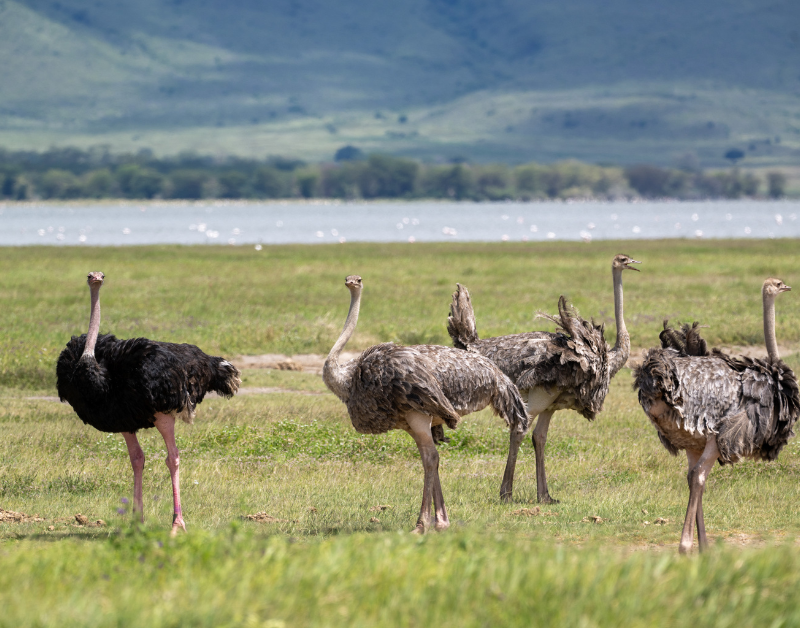
Q1. What makes luxury travel experiences in Tanzania special?
A. Luxury travel in Tanzania combines comfort, adventure, and nature in one unforgettable journey. Travelers can enjoy premium lodges, private safari tours, beautiful landscapes, and personalized services. It offers a relaxing way to explore wildlife and culture without missing the thrill of Africa.
Q2. Which are the best luxury safari experiences in Tanzania?
A. The best luxury safari experiences include private game drives, staying in high-end safari lodges, and exploring famous parks like Serengeti and Ngorongoro. Guests can witness wildlife in a peaceful setting with expert guides. These experiences provide both adventure and world-class comfort.
Q3. Is Tanzania suitable for a luxury honeymoon trip?
A. Yes, Tanzania is a perfect destination for a luxury honeymoon with romantic lodges, private tours, and beautiful natural surroundings. Couples can enjoy safari adventures, sunset views, and peaceful beach escapes. It creates a memorable and exclusive travel experience.
Q4. What can travelers expect from luxury lodges in Tanzania?
A. Luxury Travel Tanzania offer spacious rooms, excellent dining, and stunning views of nature. Many provide private services, comfortable facilities, and guided activities. Guests can enjoy the wilderness while experiencing modern comfort and hospitality.
Q5. What is the best time for luxury travel Tanzania?
A. The best time for luxury travel Tanzania is usually during the dry seasons when wildlife viewing is easier. From June to October, safaris are popular because animals gather near water sources. However, Tanzania can be enjoyed throughout the year with different experiences.
Exploring Luxury Travel Tanzania is not only immerses you in nature's wonders but also ensures that every moment is spent in the lap of comfort and elegance. Whether it's a safari, a serene beach escape, or a cultural journey, Luxury Travel Tanzania offers something exceptional for every discerning traveler. So pack your bags and get ready to experience the best that Tanzania has to offer.
Embarking on a Serengeti Safaris is a thrilling journey into the heart of Africa's untamed wilderness. With its vast landscapes teeming with wildlife, the Serengeti is home to some of the world's most iconic animals. Whether you're an avid wildlife photographer or simply a nature enthusiast, here's a list of 15 must-see animals that will leave you in awe.
Witnessing the magnificence of lions, cheetahs, and leopards in the Serengeti feels like stepping into a live wildlife documentary. The lions, often referred to as the 'King of Beasts', rule the lush savannah with noble grace and authority. With over 3,000 lions thriving in this rich environment, your chance of encountering a pride is substantial. While the big cats might seem daunting, they are also surprisingly social. Lions live in prides, with females doing much of the hunting—a spectacle worth witnessing. As you explore the safari, you'll likely see these majestic creatures basking in the sun or playing with their cubs, creating unforgettable moments.
Leopards, though more elusive, add a layer of mystery to the bushland. Known as the 'Prince of Darkness', these solitary hunters often blend seamlessly with the landscape, making them a rare find. To spot them, keep your eyes trained on the branches of the sausage tree, where they often rest and savor their catch, away from other predators. It's their stealthy nature and stunning beauty that make them so alluring to photographers and adventurers alike.
Then there are the cheetahs, the fastest land animals in the world, capable of accelerating from 0 to 60 miles per hour in mere seconds. Unlike the other big cats, cheetahs are not afraid of people and are known to climb onto safari vehicles, providing a unique photographic opportunity. Their sleek bodies, adorned with signature tear-stripes, are perfectly adapted for speed, making them powerful sights as they chase down prey across the plains. For more info visit here!
Tanzania Classic Tours offers a Serengeti Photographic 5 Days Safari that is perfectly tailored for spotting these magnificent felines and capturing their beauty through the lens. Join a guided tour for an immersive experience, with the chance to encounter these incredible animals in their natural habitat while learning about their fascinating behaviors and roles within the ecosystem.
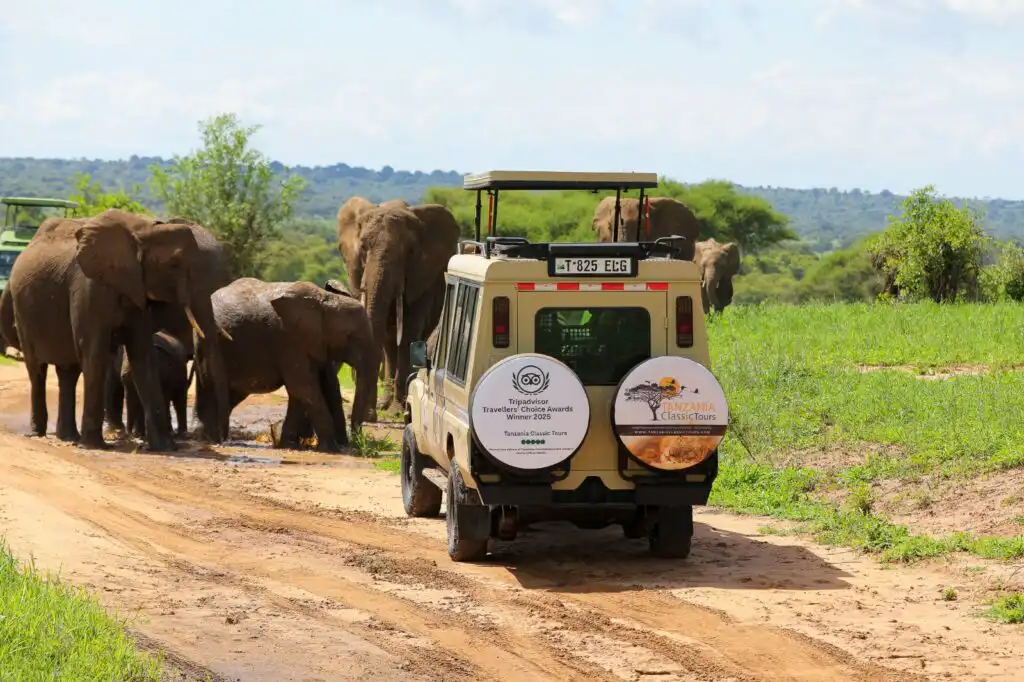
Imagine the astonishing moment when a herd of elephants gracefully crosses your path—it's a moment that leaves a lasting impression. Elephants are the largest land mammals on earth, known for their intelligence, social structures, and strong family bonds. Observing these gentle giants in their natural surroundings is an amazing sight, especially during the dry season when they gather around waterholes in search of refreshment. You'll find both male and female elephants interacting in close-knit units, their movements displaying both power and gentility.
Elephants are among the most engaging animals to watch on safari. Their trunks, which serve as versatile tools, are fascinating to observe as they drink, eat, and interact. Watching a young elephant learn to use its trunk from older elephants is a touching sight of family teaching. Beyond their size, elephants are admired for their deep emotional intelligence, capable of forming enduring friendships and mourning their dead. As part of the safari with Tanzania Classic Tours, these magnificent animals will offer you insights into the grandeur of these ancient lands.
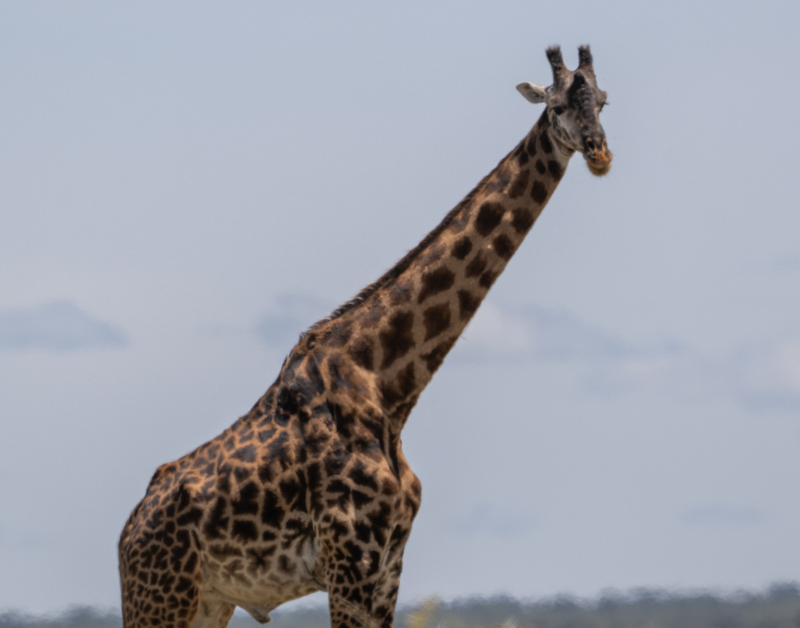
The giraffe stands as one of the Serengeti's most graceful occupants. With their towering necks and distinct patterns, these elegant creatures are a must-see. Giraffes navigate the plains with poise, nibbling the tender leaves from the treetops, where few other browsers can reach. Their long necks not only help them feed but also provide an advantage when surveying for predators on the plains.
Giraffes are often spotted in groups, known as 'towers', as they slowly browse on acacia trees. This makes it easy to capture more than one in a single frame, surrounded by their natural habitat. Their coloring, unique to each individual, allows them to blend into the terrain surprisingly well for their size. Their sightings on a safari have delighted many, turning admiration to sheer awe as these gentle giants lean down to drink from a waterhole.
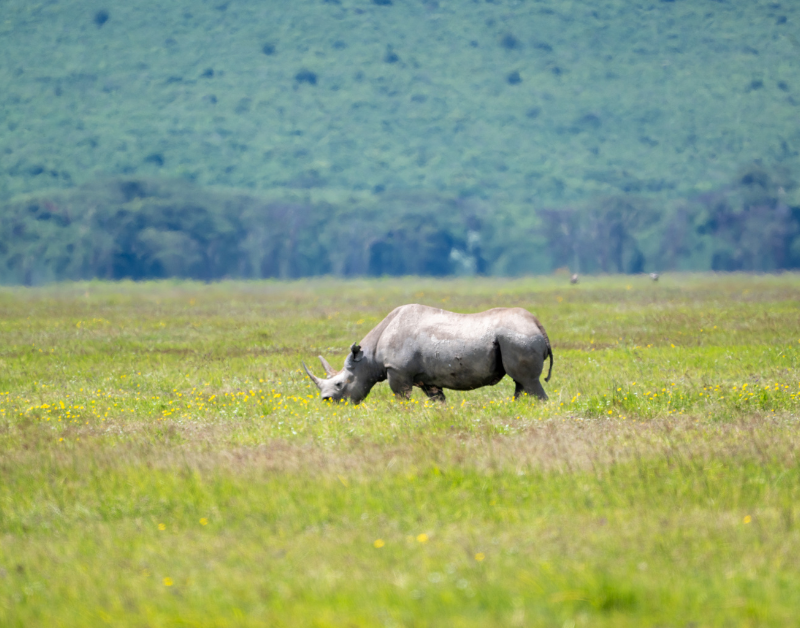
Rhinoceroses are one of the most symbolic and sought-after sightings on a Serengeti safaris. Due to poaching and their naturally sparse populations, rhino sightings are a rarity and privilege. These ancient creatures, with their formidable horns and armor-like skin, are a breathtaking sight against the Serengeti's expansive backdrop.
In the Serengeti, both black and white rhinos can be found, though they are critically endangered. Their presence adds an element of prehistoric mystique to the safari experience. Seeing one of these magnificent animals is influential in recognizing the devastating impacts of human activity on wildlife, making conservation efforts not just a necessity but a responsibility.
For those eager to glimpse these endangered giants, the expertise of guided tours, such as those provided by Tanzania Classic Tours, can significantly increase your chances. Their local knowledge and carefully planned itineraries ensure that your safari is not only memorable but sustainable.
Every safari in the Serengeti is undoubtedly accented by the presence of zebras, their famous black-and-white stripes creating living patterns on the savanna. Approximately 250,000 zebras roam these lands, typically seen grazing in lush grasses or playfully interacting within their groups.
Zebras are not just a visual feast; they play a crucial ecological role by maintaining grassland health and serving as a prey base for a variety of predators. During the Great Migration, their numbers swell into massive herds as they move alongside wildebeests, forming a natural spectacle that's awe-inspiring to witness.
One of the Serengeti's crowning jewels—a spectacle that draws wildlife enthusiasts from around the globe—is the Great Migration. This epic journey, featuring an astonishing number of wildebeests—around 1.5 million—along with zebras and antelopes, is a must-see natural phenomenon.
Spanning hundreds of kilometers, the migration follows the seasonal rains in search of fresh grazing grounds and water. It is a dramatic annual cycle of life and death as herds face predatory threats, treacherous river crossings, and the relentless pursuit of survival. Observing this migration is a testament to one of nature's most splendid orchestrations and a highlight of any Serengeti safaris.
Hyenas, with their eerie 'laugh' and social intelligence, are fascinating creatures to observe on safari. Often maligned as mere scavengers, they play an essential role in the Serengeti's ecosystem. Hyenas are, in fact, adept hunters, capable of taking down large prey, particularly in coordinated packs.
With over 3,000 spotted hyenas in the Serengeti, you have a high chance of encountering these enigmatic animals. Their keen sense of humor, social structures, and vocalizations are intriguing—highlighting a community-hierarchy as complex as any among the Serengeti's residents.
Apart from the more famous stars of the Serengeti, countless other smaller creatures also deserve a spotlight, and impalas are one such species. These incredibly agile antelopes are known for their leaping prowess, sometimes covering spans of up to 10 meters in a single bound, which is truly remarkable.
Impalas often form large herds and are swift and nimble, allowing them to escape the clutches of predators. Their grace, speed, and delightful antics make them an appealing addition to any wildlife photography collection. During the Serengeti Safaris game drives, you can marvel at these creatures as they frolic in their natural habitat.
Q1. What animals can you see on a Serengeti safaris?
A. A Serengeti safaris gives you the chance to see many famous wildlife species. You can spot lions, elephants, giraffes, cheetahs, zebras, wildebeests, and many other animals. The region is known for its rich biodiversity and amazing natural views.
Q2. What is the best time to see animals in the Serengeti?
A. The best time to see wildlife depends on what you want to experience. The dry season from June to October is great for animal sightings because animals gather near water sources. The Great Migration is also a popular time for visitors.
Q3. Can I see the Big Five during a Serengeti safaris?
A. Yes, the Serengeti is one of the best places to search for the Big Five animals. These include lions, leopards, elephants, buffaloes, and rhinos. With an experienced guide, your chances of spotting them become much better.
Q4. Are Serengeti safaris safe for travelers?
A. Serengeti safaris are generally safe when you follow the rules and guidance of your safari team. Professional guides know how to approach wildlife safely and provide a secure experience. Visitors should always respect animal space and instructions.
Q5. Why is the Serengeti famous for wildlife viewing?
A. The Serengeti is famous because of its huge open plains and large animal populations. It offers incredible opportunities to watch predators, herbivores, and natural wildlife behaviors. The landscape makes every safari experience memorable.
A Serengeti Safaris offers an unparalleled opportunity to witness the majesty of Africa's wildlife in their natural habitat. From the mighty lions to the graceful giraffes, each animal adds to the unique and unforgettable experience of the Serengeti. As you plan your adventure, be sure to keep an eye out for these incredible creatures. Visit Tanzania Classic Tours to learn more about how you can embark on this unforgettable journey. Book your adventure and capture the essence of the Serengeti like never before!
Africa is one of the most exciting destinations for wildlife lovers, and Tanzania stands out as a top choice for unforgettable safari adventures. Known for its breathtaking landscapes, diverse wildlife, and world-famous national parks, Tanzania Tourism offers travelers a chance to experience nature at its best. From the endless plains of Serengeti National Park to the stunning views of Ngorongoro Crater, every destination has something unique to offer.
African safaris in Tanzania allow visitors to see amazing animals like lions, elephants, giraffes, zebras, and many more in their natural environment. The country is also famous for the Great Migration, where thousands of wildebeests and other animals travel across the plains. Beyond safaris, Tanzania provides opportunities to explore beautiful beaches, local cultures, and adventure experiences. Whether you are planning your first safari or returning for another journey, Tanzania tourism promises unforgettable memories and incredible discoveries.
Tanzania is home to some of the most renowned wildlife reserves and national parks in the world. Here's a list of the top ones you shouldn't miss when visiting the country: Serengeti National Park: Known for its vast plains and the annual migration of wildebeest and zebras. Ngorongoro Conservation Area: Famous for the Ngorongoro Crater, a unique ecosystem where you can spot a variety of wildlife. Tarangire National Park: Recognized for its large population of elephants and beautiful baobab trees. Selous Game Reserve: The largest game reserve in Africa, offering diverse wildlife and pristine landscapes. These reserves and parks offer unforgettable experiences for wildlife enthusiasts and are must-see destinations for anyone visiting Tanzania
When visiting Tanzania, a safari in the Serengeti National Park provides a memorable experience. It is renowned for its vast plains and diverse wildlife, including the Great Migration of wildebeest and zebras. Visitors can witness the awe-inspiring sight of predators hunting their prey, as well as the magnificent landscapes and sunsets. Book a guided safari to fully appreciate the beauty and biodiversity of the Serengeti.
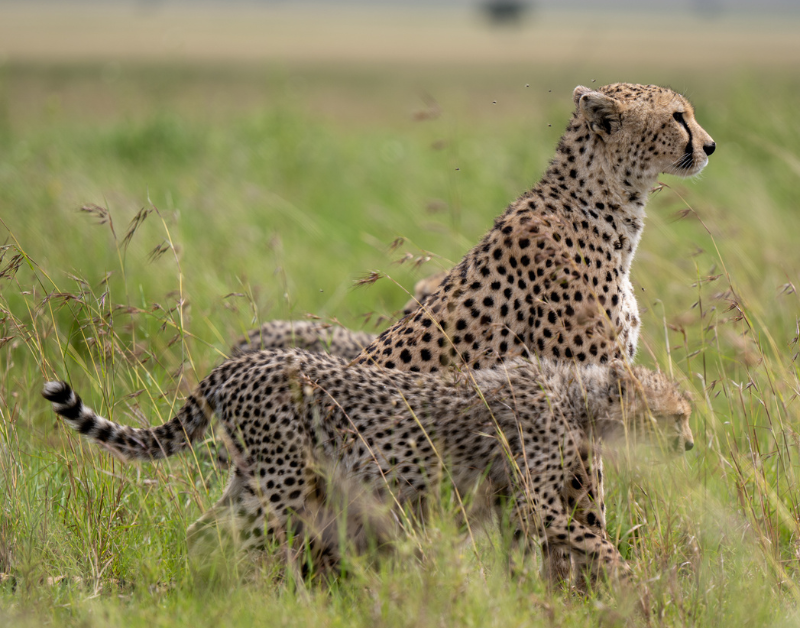
The Ngorongoro Conservation Area is home to a unique natural wonder - the Ngorongoro Crater. Created by a massive volcanic eruption millions of years ago, the crater is now a sanctuary for diverse wildlife. Its breathtaking landscape and rich biodiversity make it a must-see attraction for visitors to Tanzania Tourism. The Ngorongoro Crater provides a rare opportunity to observe native animals in their natural habitat, including the endangered black rhinoceros. When visiting this area, you can experience the thrill of seeing these magnificent creatures up close while enjoying the stunning views of the crater's lush surroundings. For more info visit here!
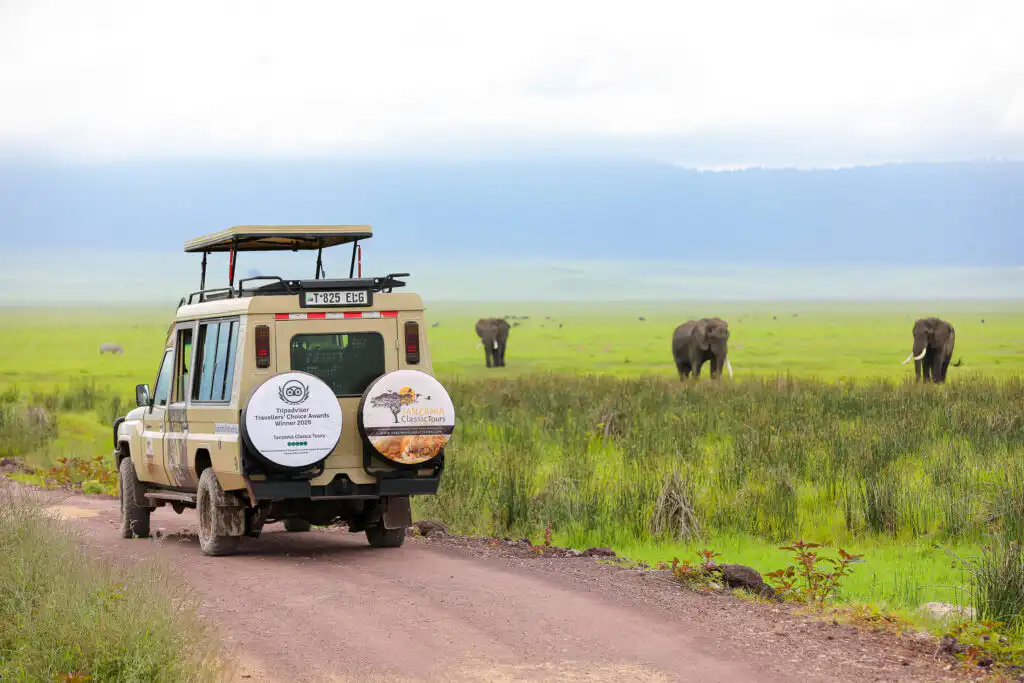
Mount Kilimanjaro, the highest peak in Africa, is a dormant volcano located in Tanzania. It stands at an impressive 19,341 feet above sea level, making it a popular destination for adventurous trekkers and nature enthusiasts. The mountain is known for its three volcanic cones: Kibo, Mawenzi, and Shira. Trekkers can embark on a journey to conquer the summit, experiencing diverse climates and stunning landscapes along the way
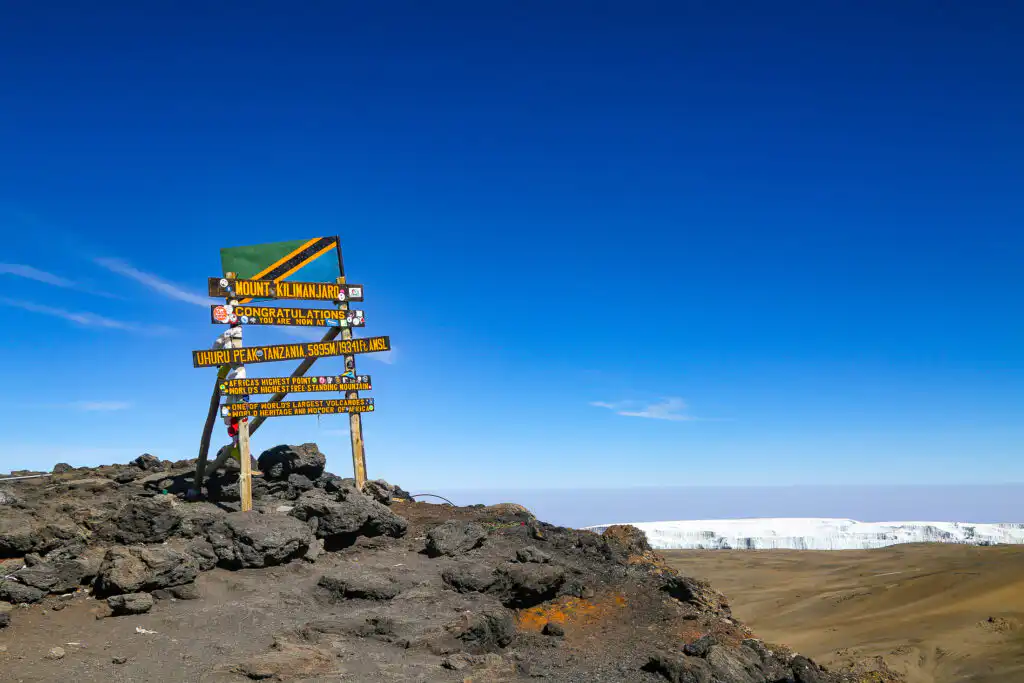
Zanzibar boasts stunning beaches with crystal-clear waters and a rich historical ambiance. You can look forward to exploring the beautiful coastline and learning about the island's rich cultural heritage.
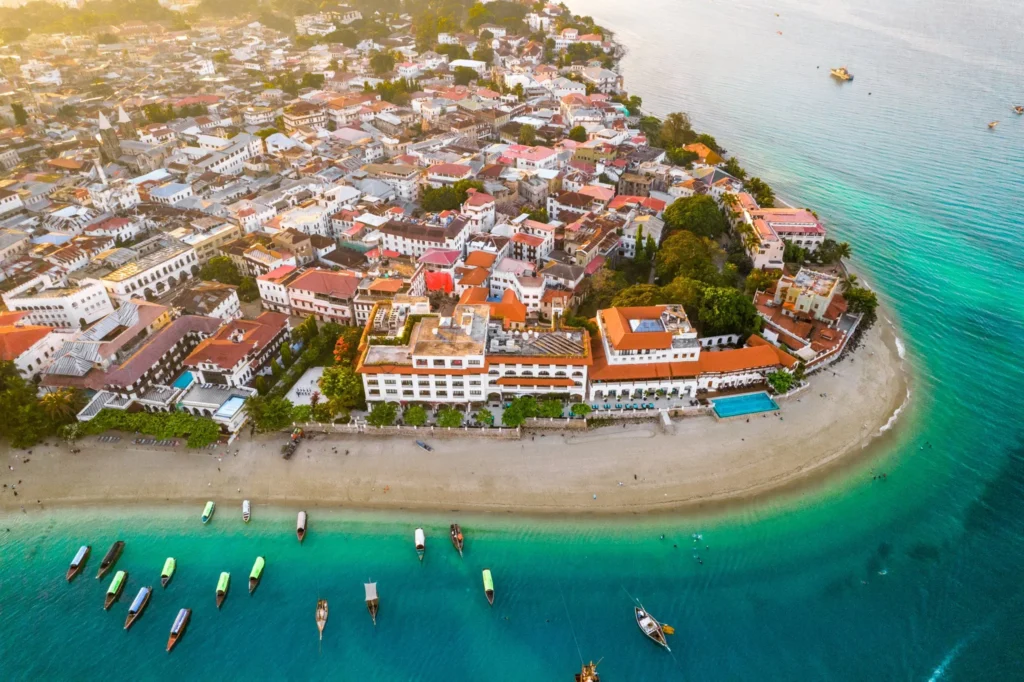
Tarangire National Park is a breathtaking sanctuary in Tanzania Tourism known for its untouched wilderness and the countless elephants that call it home. The park boasts vast open spaces where wildlife roams freely, and visitors can witness the gentle giants up close. With its baobab-dotted landscape and diverse animal population, Tarangire offers an unforgettable safari experience and a chance to marvel at the wonders of the natural world.
Located at the base of the Rift Valley, Lake Manyara National Park is home to over 400 species of birds, making it a haven for birdwatching enthusiasts. The park's diverse habitats, including the lake, forests, and open grasslands, attract a wide variety of bird species, including flamingos, pelicans, storks, and many more. Birdwatchers can expect to see a rich tapestry of avian life while exploring the park's picturesque landscapes.
When visiting Tanzania Tourism, you can immerse yourself in its rich cultural heritage and experience local traditions. Here are some top cultural attractions and experiences to consider: Explore the vibrant markets of Stone Town in Zanzibar Witness traditional Maasai performances and learn about their way of life Visit the local craft markets to buy handmade souvenirs and support local artisans Discover the historical sites of Bagamoyo, a former slave trading port Participate in cultural homestays to engage with local communities and gain a deeper understanding of Tanzanian culture and lifestyle.
Q1. What are the best places to visit during a Tanzania Tourism safari?
A. Tanzania has many famous safari destinations including Serengeti National Park, Ngorongoro Crater, and Tarangire National Park. Visitors can see lions, elephants, giraffes, and other wildlife in their natural habitats. These places offer unforgettable safari experiences throughout the year.
Q2. What animals can I see on an African safari in Tanzania Tourism?
A. Tanzania is home to the famous Big Five: lions, elephants, leopards, buffalo, and rhinos. You can also spot zebras, wildebeests, cheetahs, and many bird species. The Great Migration is one of the most popular wildlife events to witness.
Q3. What is the best time to go on a Tanzania Tourism safari?
A. The best time for a Tanzania safari is usually during the dry season from June to October. During this period, animals gather around water sources, making them easier to see. The weather is also comfortable for game drives and outdoor activities.
Q4. Is Tanzania suitable for first-time safari travelers?
A. Yes, Tanzania is a great choice for first-time safari travelers because of its well-organized parks and guided tours. Professional guides help visitors explore safely and learn about wildlife. Many safari packages are available for different budgets and preferences.
Q5. What other experiences can I enjoy besides safaris in Tanzania?
A. Besides safaris, Tanzania offers beautiful beaches, cultural tours, and mountain adventures. Visitors can explore places like Zanzibar, visit local communities, or experience Mount Kilimanjaro. These activities make a Tanzania trip more diverse and memorable.
It's essential to plan your trip to Tanzania Tourism carefully to ensure a smooth and enjoyable experience. Make sure to obtain a tourist visa before traveling, as it's a requirement for most visitors. Pack appropriate clothing and gear for the activities you plan to undertake, such as hiking or safaris. Research the best time to visit based on your interests and preferences, as well as the annual wildebeest migration if you wish to witness this natural spectacle.
Make a detailed itinerary with the help of a trusted tour operator or travel agency, and book accommodations and tours in advance. Remember to check the health and safety recommendations, including necessary vaccinations and travel insurance. By planning ahead, you can ensure a fulfilling and memorable trip to Tanzania.
Having a safari guide can enhance your African experience by providing deep knowledge about the wildlife and environment, ensuring your safety, and increasing the likelihood of seeing rare animals. Guides can take you off the beaten path to see unique sights and provide valuable insights that you may miss on your own. Additionally, they can handle unexpected situations and create a smooth and enjoyable experience.
When choosing a safari guide, it's essential to consider certain qualities to ensure you have a memorable and enjoyable experience. Look for the following qualities in a safari guide: Knowledgeable: A good safari guide should have in-depth knowledge of the local wildlife, flora, and fauna, as well as of the areas where they conduct the safaris. Experience: An experienced guide can provide valuable insights and handle unexpected situations effectively. Passion: A passionate guide will enhance your overall experience by sharing their enthusiasm and love for the wilderness. Communication: Effective communication skills are vital for a safari guide to convey information clearly and engage guests throughout the journey. Safety-conscious: Your guide should prioritize safety and have the ability to navigate the wilderness while ensuring the well-being of the group. Adaptability: The ability to adapt to changing conditions and wildlife behavior is crucial for a safari guide to maximize sightings and experiences.
To find the right safari guide, consider these essential factors: Experience: Look for a guide with extensive experience in leading safaris and knowledge of the local wildlife and terrain. Reviews: Check online reviews and ask for references to ensure the guide has a good track record and satisfied clients. Customization: Ensure the guide can tailor the safari to your preferences and interests, providing a personalized experience. Communication: A good guide will communicate clearly and be responsive to your questions and concerns, enhancing your overall experience.
When planning a safari, hiring the right guide can significantly enhance your African experience. A knowledgeable guide can provide insights into the local wildlife, culture, and history, adding depth to your journey. They can also help navigate the terrain, increasing your chances of encountering wildlife and ensuring your safety throughout the trip. Research guides carefully, looking for experience, knowledge of the region, and positive reviews from previous clients. Communicate your preferences and expectations to the guide to ensure a personalized and enriching safari experience.
A knowledgeable safari guide can enhance your African experience by providing in-depth knowledge about wildlife, local culture, and natural surroundings. Here are some benefits of hiring a guide:Enhanced Wildlife Viewing: A knowledgeable guide can spot wildlife that you might miss and provide information about animal behavior and habitat. Cultural Insight: Guides can offer a deeper understanding of local traditions, customs, and history, enriching your overall experience. Safety and Security: Guides are trained to navigate the wilderness and ensure your safety during the safari, allowing you to relax and focus on the experience. Professional Photography Assistance: A guide can assist with capturing memorable moments, offering tips for photography in the unique African landscape. Overall, hiring a knowledgeable guide can significantly elevate your African safari adventure, providing valuable insights and enhancing your overall enjoyment.
When it comes to spotting wildlife in Africa, having a knowledgeable guide can make a world of difference. A guide can help you navigate the terrain and use their expertise to find animals that might be hidden to an untrained eye. They can also provide valuable information about the animals' behaviors and habitats, enhancing your overall safari experience. A good safari guide can transform your African wildlife experience from good to unforgettable.
Your safari guide can provide valuable local insights and cultural experiences that can significantly enhance your African adventure. From traditional customs and practices to lesser-known historical facts, a knowledgeable guide can offer a deeper understanding of the local culture, enriching your safari experience. Keep in mind that a well-informed guide can help you connect with the local community and gain insight into their way of life, allowing you to appreciate the true essence of Africa.
Your guide plays a crucial role in ensuring your safety and security during your African safari. They are knowledgeable about the local wildlife and terrain and can effectively navigate any potential risks. Moreover, they will be equipped with emergency protocols and communication devices to handle any unforeseen situations. Ensure that your safari guide is certified and has extensive experience in leading safaris to guarantee a safe and enjoyable experience.
When choosing a safari guide, look for someone who excels in engaging storytelling and interactive experiences. A skilled guide can bring the African wilderness to life through captivating narratives and meaningful interactions, enhancing your safari adventure. An experienced guide will not only navigate the landscape but also share insightful stories about the wildlife, local culture, and conservation efforts, making your journey truly memorable.
A great safari guide can truly make a difference in your African safari experience. They have the knowledge and experience to ensure that you have the best sightings and encounters during your trip. A skilled guide can bring the wildlife and landscapes to life, providing valuable insights and information that you may miss on your own. Their expertise can also enhance your safety and comfort throughout the journey, allowing you to relax and fully immerse yourself in the wonders of the African wilderness. The right safari guide can turn an ordinary adventure into an unforgettable, once-in-a-lifetime experience.
Safari experts are professionals who specialize in creating unique and unforgettable safari experiences in Tanzania. They possess in-depth knowledge of the local wildlife, ecosystems, and cultural heritage. These experts work closely with travelers to curate personalized itineraries that align with their interests and preferences. With their expertise, safari experts can provide valuable insights, insider tips, and ensure a safe and enjoyable safari adventure for their clients. Whether you're a first-time safari-goer or a seasoned traveler, having a safari expert by your side can enhance your Tanzania safari experience in meaningful ways.
Tanzania offers a diverse range of wildlife, including the famous Big Five - lions, elephants, buffaloes, leopards, and rhinoceros. The country's national parks and reserves, such as the Serengeti and Ngorongoro Crater, provide unparalleled opportunities for witnessing these magnificent creatures in their natural habitat. Additionally, Tanzania is home to the Great Migration, where millions of wildebeest and zebras migrate in search of greener pastures, making it a spectacular sight for safari enthusiasts.
Safari experts play a crucial role in planning the perfect trip to Tanzania. They have in-depth knowledge of the best wildlife viewing spots, accommodation options, and local culture. Utilizing their expertise, they can tailor your trip to match your preferences, ensuring that you have a unique and unforgettable experience in Tanzania. Furthermore, safari experts can provide valuable insights and advice on the best time to visit, the right safari duration, and the most suitable mode of transportation for your trip.
Safari experts are now offering customized safari experiences in Tanzania, giving travelers the flexibility to tailor their trips according to their preferences. This means that you can choose the locations you want to visit, the activities you want to participate in, and the accommodations that suit your taste. Whether you're interested in wildlife photography, birdwatching, or cultural immersion, customized safari experiences allow you to create a personalized and memorable adventure in Tanzania.
You need expert guidance when it comes to wildlife and conservation during your trip to Tanzania. Safari experts offer valuable insight on the local wildlife and conservation efforts. Their knowledge can enhance your experience and provide a deeper understanding of the natural environment. Whether it's identifying animal species or learning about conservation projects, their expertise can enrich your safari adventure.
Luxury safari camps offer an immersive experience in the heart of the wilderness. They feature comfortable accommodations with stunning views and top-notch amenities. Additionally, there are a variety of accommodation options available including lodges, tented camps, and mobile camps, each offering a unique experience amidst the breathtaking landscapes of Tanzania.
When planning a safari trip to Tanzania, it's important to consider safety and health factors. Tanzania is generally a safe destination for tourists, but it's essential to take precautions to ensure a smooth and enjoyable journey. Here are a few key safety and health considerations: Vaccinations: Check with your doctor about necessary vaccinations, such as yellow fever, typhoid, and hepatitis A and B, before traveling to Tanzania. Malaria Prevention: Tanzania is a malaria-endemic country, so take precautions such as using mosquito repellent, sleeping under a mosquito net, and taking antimalarial medication as recommended. Travel Insurance: Consider purchasing travel insurance that covers medical emergencies, trip cancellations, and evacuations to ensure peace of mind during your safari. Local Customs and Laws: Familiarize yourself with local customs and laws to ensure you respect the culture and avoid any legal issues. By keeping these safety and health considerations in mind, you can fully enjoy your safari experience in Tanzania.
Community engagement is at the heart of safari trips in Tanzania. Visitors have the opportunity to interact with local communities and gain insight into their traditional way of life. This includes participating in cultural experiences such as authentic village visits, traditional dance performances, and craft demonstrations. Engaging with local communities allows visitors to gain a deeper understanding of Tanzanian culture and fosters meaningful connections with the people of the region.
Safari trips to Tanzania can vary in cost depending on several factors. Here are some things to consider when budgeting for your trip: Accommodation: The cost of accommodation can range from budget-friendly campsites to luxury lodges. Be sure to research different options to find the best fit for your budget. Safari Packages: Different safari operators offer various packages, including transportation, meals, and guided tours. Compare prices and what's included in each package to find the most suitable option for you. Park Fees: National park fees can differ between parks and seasons. Make sure to include these fees in your budget planning. Season: The time of year you choose for your safari can impact the cost. High season may have higher prices compared to the low season. Additional Costs: Remember to budget for additional expenses such as tips, souvenirs, and optional activities. By considering these factors, you can better plan and budget for a memorable safari trip to Tanzania.
Safari experts are redefining trips to Tanzania by offering unique itineraries that include off-the-beaten-path destinations and authentic cultural experiences. When planning your trip, consider the following recommendations: Opt for a reputable safari operator with a proven track record in sustainable tourism and wildlife conservation efforts. Customize your itinerary to include lesser-known national parks and reserves for a more intimate and exclusive safari experience. Engage with local communities through responsible tourism initiatives to support local livelihoods and cultural preservation. Prioritize ethical wildlife viewing practices and choose accommodations that prioritize eco-friendly practices. Prepare for the trip by familiarizing yourself with the local customs, traditions, and wildlife to enhance your overall safari experience. By following these recommendations, you can ensure a meaningful and unforgettable journey through Tanzania's extraordinary landscapes and rich biodiversity. How the Right Safari Guide can Transform Your African Experience Experiencing the Magic of South Africa Safaris: What to Expect 5 Tips for Capturing Incredible Lion Safari Photographs Packing Tips for Your Next Safari Adventure Capturing the Essence of the Serengeti: Wildlife Photography Tips