Planning a safari in Tanzania is exciting, but many travelers have one simple question before packing their bags: Can I wear shorts on safari in Tanzania? The answer is yes, but there are a few important things you should know before deciding what to wear. Tanzania’s climate can be warm and sunny during the day, making shorts a comfortable choice for many safari activities. However, factors such as insect protection, weather conditions, and the type of safari experience can influence whether shorts are the best option.
Choosing the right clothing can make your safari more enjoyable and help you stay comfortable throughout your adventure. While shorts may feel ideal during hot afternoons, long trousers can offer extra protection from mosquitoes, thorny vegetation, and cooler morning or evening temperatures. Understanding when and where shorts are appropriate can help you pack smarter and avoid common mistakes made by first-time safari travelers.
In this complete guide, we’ll explore the advantages and disadvantages of wearing shorts on a Tanzania safari, the best clothing choices for different safari activities, and practical tips to help you stay comfortable while enjoying some of Africa’s most incredible wildlife experiences.
The quick response to "Can I wear shorts on safari in Tanzania?" is:
Yes, but with important caveats.
While shorts are technically allowed, most safari experts recommend long pants for these key reasons:
However, there are situations where shorts might be acceptable:
While we’ve answered "Can I wear shorts on safari in Tanzania?", let’s explore why most seasoned travelers opt for long pants:
1. Sun Protection
Tanzania sits near the equator, meaning strong UV rays year-round. Lightweight, long-sleeved shirts and pants with UPF protection prevent sunburn during extended game drives.
2. Insect Bite Prevention
Mosquitoes (malaria risk) and tsetse flies (can transmit sleeping sickness) are common in safari areas. Long clothing treated with permethrin adds crucial protection.
3. Bush Safety
Game drives often involve:
4. Temperature Regulation
Contrary to assumptions, lightweight, breathable long pants often keep you cooler than shorts by:
5. Cultural Respect
While not strictly enforced, many Tanzanian communities appreciate modest dress (covered knees/shoulders), especially when visiting villages or local markets.
To fully answer "Can I wear shorts on safari in Tanzania?", here are exceptions where shorts may work:
✔ At your lodge/camp during downtime
✔ On beach extensions (e.g., Zanzibar)
✔ If they’re convertible pants with zip-off legs
✔ For young children who struggle with long pants (apply extra insect repellent)
Best safari shorts (if worn):
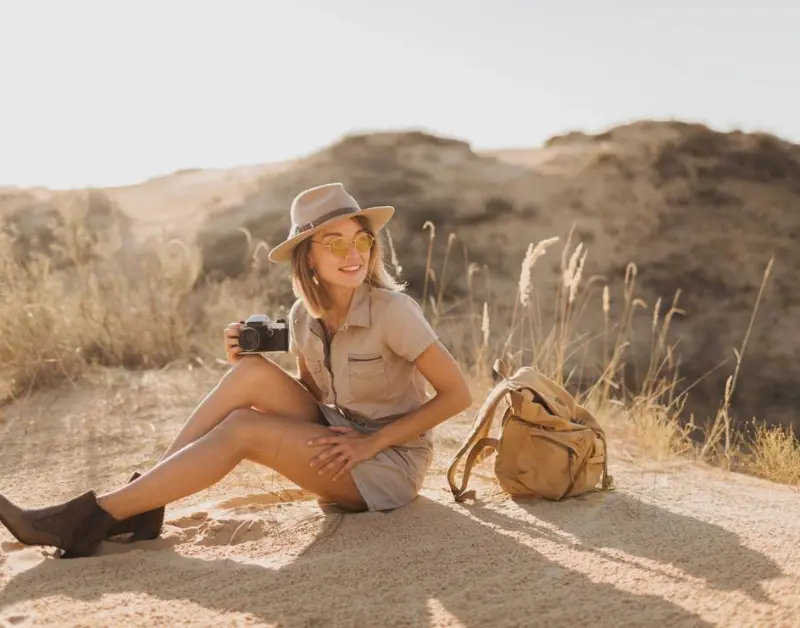
Now that we’ve addressed "Can I wear shorts on safari in Tanzania?", here’s what to pack instead:
Top Half:
Bottom Half:
Extras:
Beyond the practical answer to "Can I wear shorts on safari in Tanzania?", cultural norms matter:
✔ In cities/ towns: Cover knees and shoulders (especially for women)
✔ In Muslim communities (e.g., Zanzibar): Modest dress is appreciated
✔ At lodges: More flexibility, but smart casual is typical
What to avoid:
| Category | Recommended Items |
|---|---|
| Tops | 3 long-sleeved, breathable shirts |
| Bottoms | 2 convertible pants, 1 lightweight hiking pants |
| Footwear | Sturdy walking shoes + comfortable sandals |
| Accessories | Wide-brim hat, sunglasses, buff/bandana |
| Extras | Light jacket, swimsuit, sleepwear |
The expert recommendation: Pack primarily long pants and bring one pair of convertible shorts for lodge relaxation. This balances comfort, protection, and cultural respect.
Now that you know the answer to "Can I wear shorts on safari in Tanzania?", you can pack smartly for an unforgettable adventure!
Q1: Can I wear shorts on safari in Tanzania?
A. Yes, you can wear shorts on a safari in Tanzania, especially during warm daytime game drives. However, many travelers prefer lightweight long trousers to protect against sun exposure, dust, and insect bites. Comfort and protection should be your main priorities.
Q2: Are shorts suitable for walking safaris?
A. Shorts are generally not recommended for walking safaris. Long pants provide better protection from thorny plants, insects, and rough terrain. Many safari guides advise wearing neutral-colored clothing that covers your legs.
Q3: What type of shorts are best for a Tanzania safari?
A. Lightweight, breathable, and quick-drying shorts are ideal for Tanzania’s climate. Neutral colors such as khaki, beige, olive, or brown work best because they blend into the environment and attract less attention from wildlife.
Q4: When should I avoid wearing shorts on safari?
A. It is best to avoid shorts during early morning and evening game drives when temperatures can be cooler and mosquitoes are more active. Long trousers offer extra warmth and protection during these times.
Q5: Should I pack both shorts and long pants for a Tanzania safari?
A. Yes, packing both shorts and long pants is the smartest approach. Shorts are comfortable during hot afternoons, while long pants are useful for cooler weather, walking activities, and protection from insects and vegetation.
When it comes to the ultimate wildlife adventure, few destinations rival the allure of Tanzania. Known for its iconic landscapes, abundant wildlife, and rich cultural heritage, Tanzania safari packages offer a range of experiences tailored to different travel styles and budgets. Whether you’re seeking a luxury escape or a more adventurous journey, Tanzania has something for everyone.
A Tanzania safari is more than just a vacation; it’s a journey into the heart of Africa’s most captivating landscapes. From the sweeping plains of the Serengeti to the breathtaking Ngorongoro Crater, Tanzania is home to some of the world’s most renowned safari destinations. Travelers can witness the Great Migration, encounter the Big Five, and explore the unique biodiversity of African safari Tanzania.


When planning your Tanzania safari packages trips, consider factors such as the best time to visit, your budget, and the type of safari experience you want. The dry season (June to October) is ideal for game viewing, while the wet season (November to May) offers lush landscapes and fewer crowds.
A safari in Tanzania promises breathtaking landscapes, unparalleled wildlife encounters, and memories to last a lifetime. Whether you’re exploring luxury Tanzania safari packages or budget-friendly safaris, there’s a perfect option waiting for you. Start planning your adventure today and discover why Tanzania is a top destination for safari enthusiasts worldwide.
For more information on Tanzania safari Packages and tours, contact us to create your dream African adventure.
Tanzania, a jewel in the heart of East Africa, is a safari enthusiast’s paradise. From the iconic Serengeti plains to the awe-inspiring Ngorongoro Crater, a Tanzania safari offers a once-in-a-lifetime opportunity to witness the majesty of African wildlife in its natural habitat. With diverse safari packages tailored to every travel style, Tanzania remains a top destination for explorers seeking adventure, luxury, or a blend of both.
Embarking on an African safari in Tanzania immerses you in some of the world’s most celebrated wildlife reserves. Home to the legendary Great Migration, the Big Five, and unique cultural experiences, Tanzania promises unmatched beauty and excitement. Whether you opt for a private safari Tanzania experience or a group tour, the landscapes and wildlife will leave you in awe.


A Tanzania safari is the ultimate African adventure, combining breathtaking landscapes, thrilling wildlife encounters, and rich cultural experiences. Whether you opt for a luxury safari, a budget-friendly tour, or a private safari Tanzania trip, this East African gem promises memories to last a lifetime.
Start planning your journey today and explore the best of Tanzania tours and safaris—a destination where every day is an unforgettable adventure.
Tanzania is a land of unparalleled beauty and adventure, offering a unique blend of wild landscapes, vibrant cultures, and unforgettable Tours and Safari experiences. Planning the perfect tours and safari in Tanzania requires a bit of research and preparation. Whether you're an adventurous explorer or a relaxed nature enthusiast, this guide will help you navigate through the essential steps to creating a memorable and fulfilling safari journey.

Understanding the seasonal variations in Tanzania is crucial for planning your safari to maximize wildlife viewing opportunities and overall enjoyment. The dry season, from June to October, is often considered the best time for safaris, offering clear skies and vast wildlife congregations around water sources. During this period, you can witness dramatic wildlife interactions, such as predator-prey dynamics, which are less visible during the wet season. If your schedule allows, consider timing your visit to coincide with the Great Migration in the Serengeti, one of nature’s most stunning spectacles. For more info visit here!
However, these are not the only months worth considering. November to March brings the 'Green Season' to Tanzania, where the landscape blooms with vibrant flora and myriad bird species. This is also calving season in the Serengeti, offering a chance to see young animals and their first interactions in the wild. Although some areas might be less accessible due to rain, the scenery is breathtaking, and the parks are less crowded, providing a more intimate experience with nature.
Tanzania is home to a range of iconic national parks and reserves. The Serengeti National Park, famous for the Great Migration, and the Ngorongoro Crater, known for its high concentration of wildlife, are must-visit destinations. Consider including lesser-known gems like Tarangire and Ruaha National Parks for a more diverse experience.
For those seeking diverse wildlife sightings, the Ngorongoro Conservation Area is a pocket paradise enclosed by a ring of volcanic mountains. Here, the availability of water year-round offers a prime dine-and-dwell location for hundreds of species, including the Big Five. Meanwhile, Lake Manyara National Park, although small, captivates with the spectacle of tree-climbing lions and large flocks of flamingos, making it a picturesque stop for avid photographers.
Both options offer unique experiences. Guided safaris provide expert knowledge and convenience, while self-drive safaris offer independence and flexibility. Consider your comfort levels, budget, and desire for adventure when choosing between these options. If you’re new to Tanzania or on a limited timeframe, a guided Tours and Safari can vastly enrich the experience by offering insights into animal behavior and ecosystem dynamics that you might otherwise miss.
A self-drive safari, however, could allow for more spontaneous discoveries and freedom to stay longer at points of interest, perfect for seasoned travelers who thrive on autonomy. Nevertheless, it's essential to consider the logistical challenges such as navigating unfamiliar terrain, vehicle reliability, and the potential risks posed by wildlife encounters. We recommend researching thoroughly or considering a hybrid approach, where you might enjoy guided Tours and Safari in high-density areas and venture solo in others.
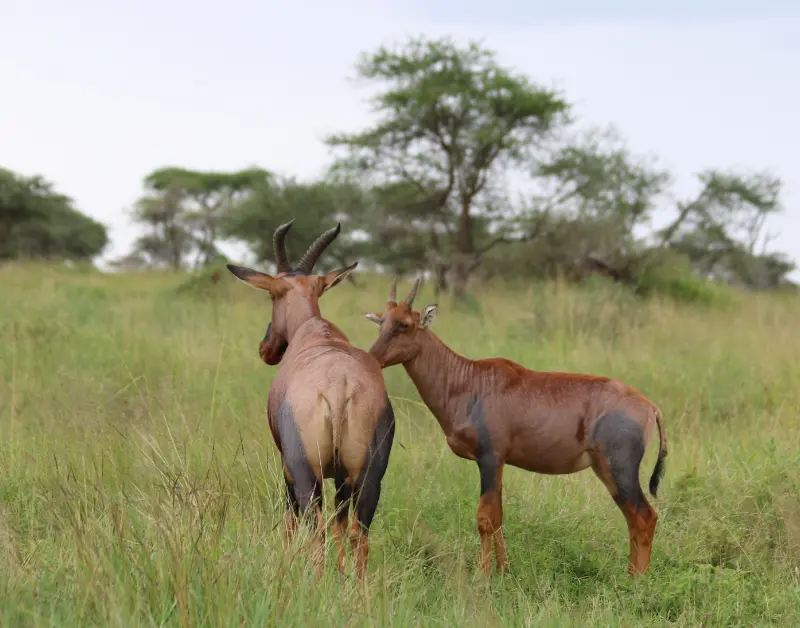
Tanzania offers a wide range of accommodation options to suit every budget and preference, from luxury lodges to mobile camps. Consider what level of comfort you desire and the kind of experience you hope to have in choosing where to stay. Luxury lodges often feature breathtaking views, exquisite dining, and personalized services, perfect for travelers seeking indulgence and relaxation during their safari.
Alternatively, opting for a mobile tented camp could immerse you into the raw wilderness experience, allowing you to sleep under the stars in proximity to wildlife. These campsites often maintain a low environmental footprint while providing essential comforts such as hot showers and fresh meals. To delve even deeper into Tanzanian culture, consider staying in community-run lodges which support local economies and offer insight into the daily lives of various tribes, enriching your journey with unique perspectives.
Packing the right gear can enhance your safari experience. Focus on lightweight, breathable clothing, sturdy footwear, and essential accessories like binoculars, cameras, and insect repellent to ensure comfort and preparedness during your adventure. Layers are advisable due to considerable temperature variations between day and night. Neutral-colored clothing is recommended to blend in with the environment and avoid attracting wildlife.
Don't forget your personal items such as medications, sunscreen, and power banks to keep your electronic devices charged. A modest first aid kit can be invaluable for minor scrapes or insect bites. In particular, remember that certain areas might be scarce in retail outlets, necessitating planning ahead for personal needs. Having an extra bag to store souvenirs or locally purchased goods will ensure you can take a piece of Tanzania home with you, reminding you of an incredible journey.
Q1: What is the best time to enjoy tours and safari experiences in Tanzania?
A. The best time for tours and safari experiences in Tanzania is during the dry season, from June to October. Wildlife is easier to spot because animals gather around water sources. This period also offers pleasant weather and excellent game-viewing opportunities.
Q2: Which national parks should I include in my Tanzania safari itinerary?
A. Popular parks include the Serengeti National Park, Ngorongoro Conservation Area, and Tarangire National Park. Each destination offers unique landscapes and wildlife encounters. Combining multiple parks provides a more complete Tanzania safari experience.
Q3: How many days are recommended for a Tanzania safari tour?
A. A safari lasting 5 to 8 days is ideal for most travelers. This allows enough time to visit several parks, enjoy game drives, and experience Tanzania’s diverse wildlife. Longer tours provide even more opportunities for exploration and relaxation.
Q4: What animals can I expect to see during a Tanzania safari?
A. Visitors commonly see lions, elephants, giraffes, zebras, buffaloes, and wildebeests. Tanzania is also home to leopards, cheetahs, hippos, and many bird species. Wildlife sightings vary by season and safari location.
Q5: Can I combine a safari tour with a beach holiday in Tanzania?
A. Yes, many travelers combine a safari adventure with a beach getaway. After exploring the national parks, you can relax on the beautiful beaches of Zanzibar. This combination offers both wildlife experiences and coastal relaxation in one trip.
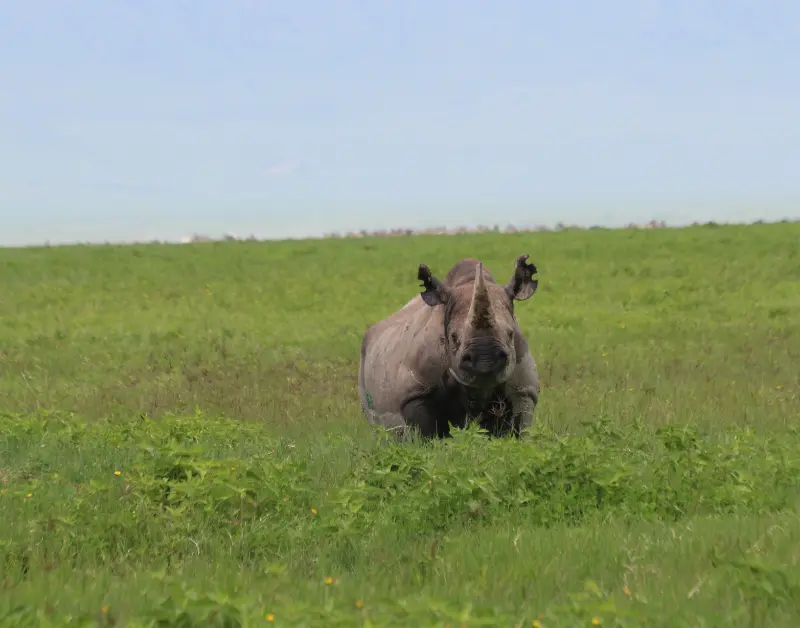
With careful planning and the right mindset, your Tours and Safari in Tanzania can be an unforgettable adventure. Embrace the journey, enjoy the stunning landscapes, and cherish the encounters with Tanzania's incredible wildlife and welcoming people. Whether you're a first-time traveler or a seasoned safari-goer, Tanzania offers experiences that will stay with you long after you've returned home.
Embarking on a journey through Tanzania and its Traditional Tanzania Food is not just an adventure through breathtaking landscapes and diverse wildlife, but also a culinary exploration. From the bustling streets of Dar es Salaam to the serene shores of Zanzibar, the flavors of Tanzania promise to captivate and surprise you. Join us as we delve into the rich tapestry of Tanzanian cuisine, uncovering its unique ingredients and traditional delicacies that you simply cannot miss.
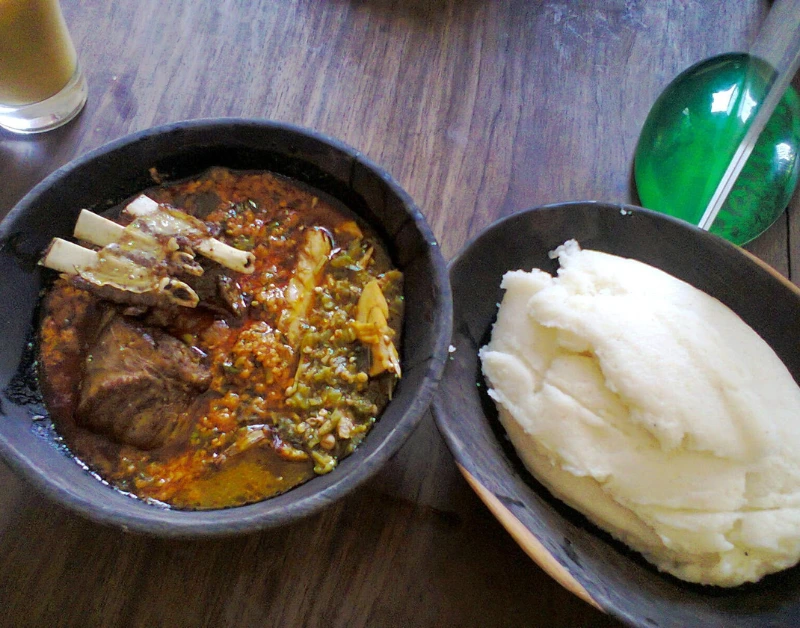
Tanzanian food is a reflection of its multicultural influences, with a unique blend of Asian, Arabic, and local tribal flavors. You'll find dishes infused with aromatic spices and fresh, locally sourced ingredients. This rich culinary heritage is partly due to Tanzania's position as a significant stop along historical trade routes, which brought together a melting pot of cultures from the Arab world and beyond. The country's coastal location contributes to its distinctive taste palette with seafood featuring prominently alongside exotic spices like cloves, cardamom, and nutmeg.
A fascinating element of Tanzanian cuisine is how it varies across its regions. In coastal areas like Dar es Salaam and Zanzibar, you'll find a greater influence of Indian and Arab cuisines, which are famous for their fragrant spice blends and sumptuous seafood dishes. In contrast, the inland regions highlight staples like maize and sorghum that cater to the agricultural lifestyle of Tanzania's diverse tribes. The Maasai communities, for example, lean heavily on milk, meat, and maize, reflecting their pastoral customs and rich heritage. For more info visit here!
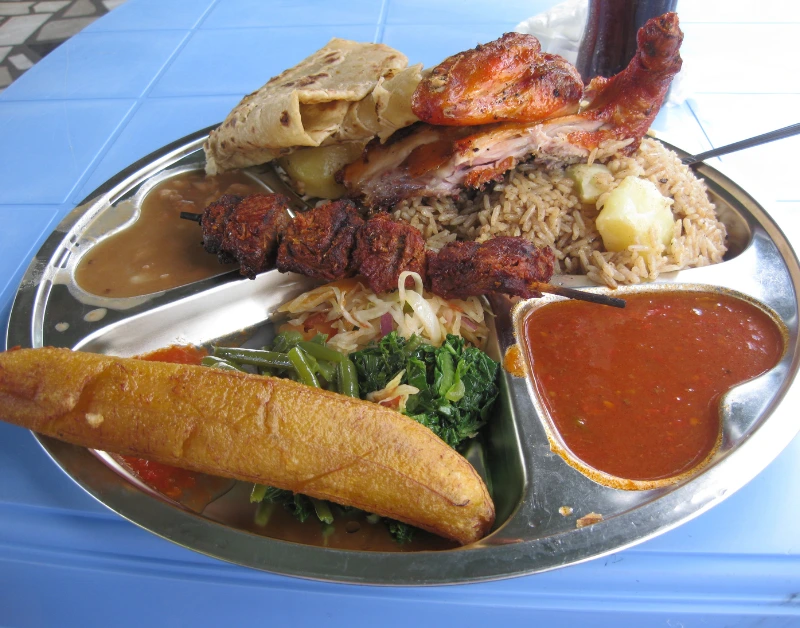
At the heart of Tanzanian meals are staples like ugali, a cornmeal porridge, and various rice dishes. These accompany most meals, forming the backbone of local dietary habits. Ugali is particularly pivotal in Tanzanian cuisine, consumed by many households daily. It's typically served with a variety of side dishes, including mchicha or nyama choma, enriching each meal with balanced nutrition and flavor.
Rice, too, is a significant component, particularly in the form of wali wa nazi, which is rice simmered in creamy coconut milk. This dish embodies the essence of East African flavors and pairs beautifully with stews and curries. A delightful variant is pilau, a spiced rice dish infused with cardamom, cinnamon, and sometimes saffron, which makes it a festive choice during celebrations and social gatherings.
Ugali and rice are not merely Tanzania food items; they symbolize the Tanzanian way of life—providing sustenance and comfort. As you enjoy these staple dishes, you're participating in a longstanding tradition, one that connects families and fortifies communities across this vibrant nation.
Nyama Choma, or grilled meat, is a must-try for meat enthusiasts. This beloved dish is often enjoyed with a side of kachumbari, a fresh tomato and onion salad. The experience of eating Nyama Choma is as much about the social setting as it is about the Tanzania food. It's frequently prepared outdoors, at roadside stands or in backyards, over open coal grills, creating an irresistible aroma that gathers friends, family, and city dwellers together.
Whether it's goat, beef, or chicken, the meat is marinated with a simple mix of salt and sometimes a hint of lemon, ensuring the natural flavors stand out. As you bite into the tender, crispy edges of Nyama Choma, you're tasting not merely a dish but the essence of Tanzanian conviviality. Sharing plates of this delightful meat with a cold drink in hand while catching up with friends or simply enjoying the rhythmic Swahili beats is a quintessential Tanzanian experience.
Tanzanian cuisine offers plenty for vegetarians as well. Dishes such as mchicha, a tasty spinach and peanut sauce, highlight how Tanzanians incorporate fresh vegetables and local spices. Mchicha is often served alongside rice or ugali, creating the perfect balance of richness and nutrition. The earthy taste of spinach melds beautifully with the creamy, nutty essence of peanuts, offering a wholesome taste profile.
Beyond mchicha, vegetarian travelers will find an incredible array of plant-based eating options. Tanzania Foods like maharage (beans), prepared in thick coconut milk or tomato sauces, are staple non-meat items that showcase Tanzania’s rich agricultural heritage. These are not only delectable but also illustrate the resourcefulness and creativity of Tanzanian home cooking, where even the simplest ingredients are transformed into filling delicacies.
Known as the 'Spice Island', Zanzibar’s culinary influence is marked by vibrant, spicy dishes, filled with the aromas of cloves, cinnamon, and curry that reflect its rich history as a trading hub. These spices aren't merely for flavor—they're an essential component of cultural identity, steeped in centuries of global interaction. Dishes such as Zanzibar pizza, which merges traditional and modern flavors, capture the innovative spirit of the islands.
The Swahili cuisine in Zanzibar is a testament to its complex cultural layers. From seafood curries to hearty biryanis, each meal is a sensory explosion. This fusion cuisine is a tapestry woven with the historical threads of Indian, Arab, African, and even Chinese influences, perfect for those who cherish a little heat and excitement in their meals. For a true taste of Zanzibar’s culinary depth, indulging in its local markets and tasting freshly-prepared street Tanzania foods against the backdrop of the Indian Ocean is a must-do.
Finish off your culinary journey with Tanzanian sweets like mandazi, similar to doughnuts, or enjoy the tropical sweetness of fresh fruits like mangoes and papayas. Mandazi is often enjoyed with tea or coffee, embodying the spirit of leisurely Tanzanian hospitality. These fried delights are slightly sweet with a hint of coconut, making them both a common breakfast treat and a perfect afternoon snack.
Besides mandazi, don’t miss the chance to savor kashata, another popular dessert made with coconut and peanuts, offering a deliciously crunchy experience. This sweet treat is frequently found on the winding streets of Dar es Salaam, captivating the taste buds of both locals and visitors alike. Fresh fruit stands dotting Tanzanian markets offer vibrant selections of seasonal produce, ensuring that whether you're a fan of traditional desserts or prefer nature's candy, there's something for everyone in Tanzania.
Exploring the culinary delights of Tanzania is a journey in itself, filled with rich flavors, cultural traditions, and warm hospitality. Whether you are dining under the African sky or savoring a dish in a local family’s home, Tanzanian cuisine offers an unforgettable experience. As you embark on your Tanzanian adventures, let your tastebuds guide you through these unique, delightful, and memorable Tanzania food. For more information on how you can experience authentic Tanzanian meals during your stay, visit Tanzania Classic Tours.

Q1: What are the most popular local foods in Tanzania?
A. Tanzania offers a variety of traditional dishes, including Ugali, Nyama Choma, Pilau Rice, and Mishkaki. These foods are commonly enjoyed across the country and reflect the rich cultural influences of East Africa. Most meals are prepared with fresh local ingredients and flavorful spices.
Q2: Is Tanzanian food spicy?
A. Tanzania food is generally mild compared to many other African and Asian cuisines. While spices are widely used to add flavor, the dishes are usually not very hot. Visitors who enjoy spicy food can often request extra chili sauce on the side.
Q3: Are vegetarian options available in Tanzania?
A. Yes, vegetarian travelers can find many suitable dishes throughout Tanzania. Popular options include bean stews, vegetable curries, fresh fruits, and rice-based meals. Many restaurants and lodges are also happy to accommodate specific dietary preferences.
Q4: What drinks should I try in Tanzania?
A. Tanzania is known for its fresh fruit juices, locally grown coffee, and traditional tea. Travelers can also enjoy drinks made from tropical fruits such as mango, passion fruit, and pineapple. These beverages are refreshing and complement local meals well.
Q5: Is it safe to try street food in Tanzania?
A. Street food is a popular part of Tanzanian culture and can be a great way to experience local flavors. It is best to choose busy vendors with freshly prepared food and good hygiene practices. Taking these precautions helps ensure a safe and enjoyable dining experience.
Lake Victoria Africa, the largest lake in Africa, is not only a vital water source but also a thriving habitat for an array of wildlife. Whether you are a nature enthusiast or a curious traveler, the areas around Lake Victoria offer a unique opportunity to encounter diverse species. In this article, we’ll explore some of the fascinating wildlife you might spot around this magnificent lake.
Lake-Victoria, largest lake in Africa and chief reservoir of the Nile, lying mainly in Tanzania and Uganda but bordering on Kenya. Its area is 26,828 square miles (69,484 square km). Among the freshwater lakes of the world, it is exceeded in size only by Lake Superior in North America.

Lake Victoria is a birdwatcher’s paradise with a wide variety of bird species. The African Fish Eagle, with its striking appearance and majestic calls, is one of the most iconic birds here. Another bird to look out for is the colorful Kingfisher, known for its striking dive to catch fish. Whether perched majestically on a tree or hovering over the water's surface, these birds deliver an awesome spectacle for birding enthusiasts. For more info visit here!
For a truly unique experience, head over to the Mabamba Swamps, where you're likely to encounter the rare Shoebill, a bird famed for its prehistoric looks and stately presence Birdwatchers often herald these moments as highlights of their Lake-Victoria excursions.
Among the mammals residing around Lake-Victoria, hippos are unmissable due to their size and numbers. Generally spotted in groups near the lake's shallows, they are a sight to behold. The presence of these gentle giants is a powerful testament to the thriving ecosystems here.
In addition to hippos, there's a chance to spot the playful African Clawless Otters. These mammals make delightful appearances as they glide through the water, offering lucky onlookers scenes of their playful antics. These sightings, while less common, are moments that highlight the rich diversity of Lake-Victoria's mammalian life.
The lake is home to the formidable Nile Crocodile, the largest freshwater predator in Africa. Keep your distance when spotting these creatures. Watching these reptiles bask in the sun or glide silently through the water can be both thrilling and educational.
Lake Victoria Africa also supports several turtle species. As you stand by the water’s edge, you might observe turtles sunbathing on the banks or slowly swimming in the lake . These reptiles add to the complex and interconnected life found in and around Lake-Victoria.
Below the surface, Lake-Victoria is famous for its diverse fish population, including the colorful cichlids. These fish play a crucial role in the lake’s ecosystem, showcasing an amazing example of adaptive radiation. They have diversified into a multitude of species, each occupying a unique niche within the aquatic landscape.
Tilapia, another common fish, is not only a vital part of the aquatic ecosystem but also a staple in local diets. It supports a significant fishing industry, providing an essential source of income for the communities living around Lake-Victoria. Their abundance and easy availability make tilapia a cultural and economic cornerstone of the region.
Q1: What animals can be seen around Lake-Victoria Africa?
A. Lake-Victoria is home to a wide variety of wildlife, including hippos, crocodiles, otters, and several species of monkeys. Visitors can also spot animals along the shoreline and in nearby protected areas. Wildlife sightings vary depending on the season and location.
Q2: Is Lake Victoria Africa good for bird watching?
A. Yes, Lake-Victoria is considered one of the best bird-watching destinations in East Africa. The area supports hundreds of bird species, including kingfishers, fish eagles, herons, and cormorants. Many migratory birds also visit the lake throughout the year.
Q3: Can you see hippos at Lake Victoria?
A. Hippos are commonly found in several parts of Lake-Victoria, especially in quiet bays and river mouths. They are usually more active during the evening and nighttime hours. Guided boat tours often provide safe opportunities to observe them from a distance.
Q4: Are there crocodiles in Lake-Victoria Africa?
A. Yes, Nile crocodiles live in some areas around Lake-Victoria and its connected waterways. They are an important part of the lake's ecosystem and can often be seen resting near the shoreline. Visitors should always follow local safety guidelines when near the water.
Q5: When is the best time to see wildlife around Lake Victoria?
A. Wildlife can be seen throughout the year, but the dry seasons often provide better viewing opportunities. During these months, animals gather near water sources and vegetation is less dense. Early mornings and late afternoons are usually the best times for wildlife spotting.

Lake-Victoria's surroundings are a treasure trove of wildlife, offering visitors a unique chance to witness Africa's natural beauty in an unparalleled setting. From the impressive hippos to the majestic fish eagles, the ecosystem is both diverse and captivating. Whether you're planning a visit soon or just dreaming from afar, knowing about the wildlife you can encounter makes the experience around Lake Victoria Africa all the more enriching.
Tanzania is a land of breathtaking landscapes and rich culture. As the world prepares for AFCON 2027 in Tanzania, this unique destination offers an incredible blend of nature and sport. Join us as we explore the heart of Africa through unforgettable safaris and the vibrant spirit of the African Cup of Nations.
From the Great Migration in the Serengeti to the diverse ecosystems of Ngorongoro Crater, Tanzania is a haven for wildlife enthusiasts. The Serengeti alone houses millions of wildebeests and zebras that migrate annually in search of greener pastures. Visitors can also witness the Big Five in their natural habitat – lions, leopards, elephants, buffaloes, and rhinos roam freely in the country's lush landscapes. The sheer diversity and abundance of wildlife present an unparalleled opportunity for avid nature lovers to immerse themselves in the beauty of Africa.
Venture into the Serengeti and witness firsthand the sheer power and elegance of nature. Whether it’s observing the majestic stride of a lion or spotting a herd of elephants marching across the plains, Tanzania offers sights that remain etched in memory. The Ngorongoro Crater, dubbed the 'Eighth Wonder of the World,' is a unique conservation area where the variety of ecosystems support diverse wildlife and spectacular views. Birders especially delight in the captivating sights at Lake Manyara, home to thousands of flamingos and a plethora of bird species that paint the landscape with color and sound. For more info visit here!
For those seeking unique wildlife photography opportunities, Tanzania's legendary parks set the perfect stage. Capture the raw and untamed beauty of creatures in their natural surroundings, from Giraffes gracefully navigating Acacia trees to cheeky monkeys playing in lush canopies. These parks promise more than just wildlife sightings; they invite travelers into a world where nature reigns supreme. It's no wonder that Tanzania is a favored destination among documentary filmmakers and wildlife photographers.
AFCON 2027 in Tanzania is more than just a football tournament; it's a celebration of African culture and unity. As the matches unfold, a colorful tapestry of music, dance, and art surfaces across host cities of Kenya, Uganda, and Tanzania. Visitors will find themselves immersed in the vibrant cultural heritage that defines East Africa. Streets will echo with the sounds of traditional drums and dances, inviting everyone to join in the spirited festivities. Beyond the football action lies the heart of African identity, a unity born from the shared love of the beautiful game.
Aside from experiencing the thrilling matches at the Arusha stadium, fans can engage with local communities through storytelling, art displays, and culinary tours that showcase the diverse cultures and regions. Each encounter offers a glimpse into the unique customs and traditions that make up the rich tapestry of Africa. This is a celebration not just for football enthusiasts but for anyone eager to partake in an extraordinary cultural exchange.
Tanzania, with its diverse population and stunning landscapes, is poised to offer a grand stage for AFCON 2027 in Tanzania. This edition, the first to be hosted by three nations, reflects a collaborative spirit and eagerness to highlight the rich diversity and hospitality that East Africa has to offer. As fans gather in venues adorned with flags and costumes of countries across the continent, expect an atmosphere charged with excitement, camaraderie, and a shared love for the game that transcends borders and languages.
During the AFCON 2027 in Tanzania, there's no better time to explore the stunning realm of Tanzania. One must not miss the iconic 7 Days Serengeti Migration Safari, where witnessing the Mara River's dramatic crossings offers unforgettable moments. Another key destination is Tarangire National Park, famed for its vast elephant herds and ancient baobab trees that dot the landscapes, creating picture-perfect vistas of the African wilderness. As you consider planning your trip, expertise from local tour guides can elevate your safari experience with personal insights and hidden gems of exploration.
Embark on a unique adventure with Tanzania Safari Tours and delve deep into the heart of Africa’s natural beauty. Chalema Tanzania Safaris, for instance, crafts tailored experiences to meet every traveler’s desires. Whether you’re craving an intimate camp under the stars or a luxurious lodge stay, these tour operators ensure a personal touch that distinguishes each safari adventure. The highlight at Serengeti is being part of nature’s grand spectacle, epitomizing the pure essence of an African safari.
Complement your AFCON adventure with a safari in Arusha, known as the gateway to northern safari destinations. Stay at unique accommodations like Arusha Coffee Lodge for a relaxing retreat amid bustling wildlife activity. Explore Dodoma’s unique landscapes or ancient historical sites to get a sense of the region's diverse offerings. Never before has it been more exciting to pair the thrill of football with the awe-inspiring Tanzanian wilderness, promising memories that go beyond the stadiums and into the heart of Africa.
Learn about the importance of sustainable tourism and how it helps to preserve Tanzania's natural wonders for future generations. With an increasing number of travelers, practices that promote eco-friendly tourism are vital to maintaining the integrity of pristine ecosystems like the Serengeti. Lodges and tour operators are adopting solar energy, minimizing waste, and supporting local communities to ensure that tourism's footprint remains minimal. Visitors are encouraged to engage in activities that foster a deeper understanding of wildlife conservation, making them active participants in safeguarding these incredible landscapes.
For those planning to scale Mount Kilimanjaro, training for high altitude can also align with eco-focused initiatives. As you prepare for the physical demands of such a climb, take part in efforts that aid conservation projects, reinforcing the symbiotic relationship between tourists and the environment. Tours often include educational aspects on local flora and fauna, promoting awareness that transcends the travel experience and encourages responsible tourism practices in daily life.
Faced with challenges like climate change and human encroachment, community-led conservation programs play a vital role in preserving Tanzania’s incredible biodiversity. Partner organizations offer unique opportunities for visitors to contribute to ongoing initiatives like reforestation and wildlife monitoring, directly impacting the preservation of habitats that host the iconic species for which Tanzania is renowned. Visitors can enjoy the breathtaking views and rich experiences while knowing that their presence supports the longevity and health of these ecosystems.
Q1: What makes a safari in Tanzania unforgettable?
A. Tanzania offers some of Africa’s most famous wildlife destinations, including the Serengeti, Ngorongoro Crater, and Tarangire. Visitors can witness incredible animal migrations, diverse landscapes, and close encounters with wildlife. These experiences create memories that last a lifetime.
Q2: Why is AFCON 2027 important for Tanzania?
A. AFCON 2027 is a major football tournament that will bring international attention to Tanzania. The event is expected to attract fans from across Africa and beyond, boosting tourism and showcasing the country's culture, hospitality, and attractions to a global audience.
Q3: Can tourists combine a safari with AFCON 2027 travel plans?
A. Yes, many travelers are expected to combine football matches with safari adventures during their visit. Tanzania’s well-known national parks are accessible from major cities, making it convenient to enjoy both wildlife experiences and sporting events in one trip.
Q4: What wildlife can visitors expect to see on a Tanzanian safari?
A. Visitors may encounter lions, elephants, leopards, buffaloes, rhinos, giraffes, zebras, and many other species. Depending on the season and location, travelers may also witness the Great Migration, one of the world’s most remarkable wildlife spectacles.
Q5: When is the best time to visit Tanzania for a safari?
A. Tanzania is a year-round safari destination, but the dry season from June to October is especially popular for wildlife viewing. During this period, animals gather around water sources, making them easier to spot in their natural habitats.
AFCON 2027 in Tanzania, with its majestic safaris and vibrant AFCON spirit, promises an experience like no other. Whether you're a wildlife enthusiast or a football fan, 2027 offers the perfect opportunity to explore the beauty of this incredible country and create unforgettable memories. Plan your adventure today with Tanzania Classic Tours and experience the grandeur of Tanzania firsthand.
Zanzibar is known for its white sandy beaches, crystal-clear waters, and rich marine life, making it one of the most exciting destinations in East Africa. Among its many natural attractions, sea turtles hold a special place for visitors who want to experience the island’s underwater beauty. Discover the Magic of Zanzibar Sea Turtles by exploring the unique habitats where these fascinating creatures live and thrive.
Sea turtles have been part of Zanzibar’s marine ecosystem for generations, and conservation efforts have helped protect them for future generations. Travelers can visit turtle sanctuaries, learn about rescue and rehabilitation programs, and even observe turtles in their natural environment. These experiences offer a deeper understanding of marine conservation while creating unforgettable memories.
Whether you are a nature enthusiast, a family traveler, or someone looking for a unique adventure, Zanzibar provides an incredible opportunity to connect with wildlife. From snorkeling in clear waters to visiting conservation centers, every encounter highlights the importance of protecting these gentle marine animals. A sea turtle experience in Zanzibar is more than just a tourist activity—it is a chance to appreciate one of the ocean’s most remarkable species.

Zanzibar sea turtles are known for their grace and resilience. These creatures play a crucial role in marine ecosystems and have unique characteristics that make them stand out from other sea turtle species.
Zanzibar, often referred to as Tanzania's Spice Island, boasts a rich biodiversity, making it an ideal haven for sea turtles. These species are identified by their long migrations and exceptional adaptability to varying ocean conditions, factors that contribute significantly to the local marine ecosystem's health. This is part of what makes viewing them in their natural habitat such a fascinating experience. For more info visit here!
The island is home to several turtle species, including the endangered green and hawksbill turtles. These turtles are vital as they help maintain healthy seagrass beds and coral reefs, which provide habitats for other marine life. Their existence and preservation are a testament to the area's environmental health and the effectiveness of local conservation efforts.
Tanzania Classic Tours offers a curated experience that prioritizes both education and conservation. By choosing them, you gain insights from knowledgeable guides and contribute to local turtle conservation efforts.
With Tanzania Classic Tours, your encounter with the sea turtles becomes more than just a tourist attraction. Their trained guides provide a comprehensive understanding of the challenges these turtles face and the efforts undertaken to protect them, offering you a meaningful and educational perspective on marine conservation.
The tours are designed to highlight not only the beauty of the sea turtles but also the stunning landscapes of Zanzibar. You can explore hidden beaches, witness the nesting routines of the turtles, and enjoy the serene nature that the island has to offer. The experience is intricate and personal, carefully structured to foster an authentic connection with nature while ensuring the wildlife is preserved and respected.
During the tour, you'll visit stunning beaches and protected areas where sea turtles thrive. Expect to witness these magnificent creatures in their natural habitat, guided by experts who ensure a respectful and informative experience.
Each tour with Tanzania Classic Tours is a blend of adventure and education. You'll engage in activities such as snorkeling in crystal-clear waters, where you can swim alongside the turtles in their natural environment. Knowledgeable guides will ensure you receive a rich understanding of the ecosystem, detailing how Zanzibar sea turtles contribute to marine biodiversity.
Tours often include a visit to Mnemba Island, a remote and picturesque location known for its clear waters and abundant marine life. Here, the turtles' nesting sites are preserved, offering visitors a genuine insight into their lifecycle and habitat needs.

Conservation efforts are vital for the survival of sea turtles, who face numerous threats including habitat destruction and pollution. By participating in these tours, you're supporting initiatives that help protect these creatures for future generations.
Human activities such as fishing, tourism, and pollution pose significant threats to Zanzibar sea turtles. Conservation efforts have been put in place to mitigate these impacts and preserve their population. Jozani Forest is one such area where projects are ongoing to protect these and other unique species that call Zanzibar home.
Efforts include protecting nesting sites, regulating marine activities, and educating locals and tourists on sustainable practices. Each tour participant becomes part of this vital network of support, helping to ensure that Zanzibar's marine life continues to thrive.
Booking your tour is a straightforward process. Visit the Tanzania Classic Tours website, explore available tour options, and select a date that suits your schedule to embark on this magical journey.
Our packages, including the popular 3 Nights Zanzibar Beach Stay, offer a mix of leisure and exploration tailored to your preferences. Select your adventure, customize your experience, and prepare for a once-in-a-lifetime exploration of Zanzibar's seaside delights.
Should you need personalized assistance, our dedicated team is ready to help plan your tour, ensuring all your questions are answered and your expectations are met. Whether online or through a phone call, booking with us is as seamless as it is exciting.
Q1: Where can visitors see sea turtles in Zanzibar?
A. Visitors can see sea turtles at several conservation centers and natural coastal areas across Zanzibar. These locations provide a safe environment for turtles while educating travelers about marine conservation. Many tours also offer opportunities to observe turtles responsibly.
Q2: What is the best time to visit Zanzibar for sea turtle experiences?
A. Sea turtles can be seen throughout the year in Zanzibar, but weather conditions are often best during the dry seasons. Calm waters and clear visibility make turtle encounters more enjoyable. Visitors should check local conditions before planning their trip.
Q3: Are Zanzibar sea turtles protected by conservation programs?
A. Yes, sea turtles in Zanzibar are protected through various conservation initiatives. Local organizations work to rescue injured turtles, protect nesting sites, and raise awareness among residents and tourists. These efforts help support long-term turtle survival.
Q4: Can tourists swim with sea turtles in Zanzibar?
A. In certain designated areas, tourists may have the chance to swim near sea turtles under supervised conditions. Responsible tourism practices are encouraged to avoid disturbing the animals. Following local guidelines helps ensure a safe experience for both visitors and turtles.
Q5: Why are sea turtles important to Zanzibar’s marine ecosystem?
A. Sea turtles play a vital role in maintaining healthy ocean habitats around Zanzibar. They help balance marine ecosystems by supporting seagrass beds and coral reef health. Their presence is also an indicator of a thriving coastal environment.

Experiencing the charm of Zanzibar sea turtles with Tanzania Classic Tours is a journey of discovery and conservation. By being a part of this unique experience, you contribute to the preservation of these remarkable creatures while creating unforgettable memories. Start your adventure today.
Tanzania is a safari paradise, offering some of the most spectacular wildlife experiences in the world. From the iconic Serengeti National Park to the breathtaking Ngorongoro Crater, Tanzania Safari Packages provide travelers with the opportunity to explore this East African gem in style. Whether you’re a first-time visitor or a seasoned safari enthusiast, Tanzania has something for everyone. In this guide, we’ll dive into the best Tanzania-Safari-Packages, top destinations, activities, and tips to help you plan your dream safari.
Tanzania-Safari-Packages are designed to cater to all types of travelers, from luxury seekers to budget-conscious adventurers. Here’s why Tanzania should be your top choice for a safari:
1. Classic Tanzania Safari
This package is perfect for first-time visitors and includes visits to Tanzania’s most famous parks:
2. Luxury Tanzania Safari
For those seeking a premium experience, luxury Tanzania-Safari-Packages offer:
3. Family-Friendly Safari Packages
Tanzania is a great destination for families, with packages that include:
4. Adventure Safari Packages
For thrill-seekers, adventure Tanzania-Safari-Packages offer:
5. Honeymoon Safari Packages
Tanzania is a romantic destination, and honeymoon packages include:
Tanzania Safari Packages offer unparalleled value for travelers. They take the stress out of planning by providing all-inclusive itineraries, expert guides, and comfortable accommodations. Whether you’re dreaming of witnessing the Great Migration, climbing Mount Kilimanjaro, or relaxing on the beaches of Zanzibar, Tanzania-Safari-Packages make it all possible. For more info visit here!
Q1. What is included in Tanzania Safari Packages?
A. Tanzania-Safari-Packages usually include accommodation, transport, guided game drives, park fees, and wildlife viewing experiences. Many packages also include meals and airport transfers. The inclusions depend on the safari company and package type you choose.
Q2. What is the best time to book a Tanzania safari?
A. The best time for a Tanzania safari is usually during the dry season from June to October. During this period, animals gather near water sources, making them easier to spot. However, every season offers unique wildlife experiences and beautiful landscapes.
Q3. Which national parks should I visit in Tanzania?
A. Popular destinations include Serengeti National Park, Ngorongoro Crater, Tarangire National Park, and Lake Manyara. Each location offers different wildlife encounters and natural scenery. A well-planned safari can combine multiple parks for a complete adventure.
Q4. Are Tanzania Safari Packages suitable for families?
A. Yes, many Tanzania-Safari-Packages are designed for families with comfortable stays and safe travel arrangements. Family-friendly lodges and private safari options make the experience enjoyable for all ages. It is best to choose a package based on your family’s needs.
Q5. How long should a Tanzania safari trip be?
A. A Tanzania safari can range from a few days to over two weeks depending on your plans. A 5–7 day safari is enough to explore major wildlife areas. Longer trips allow you to visit more parks and enjoy a relaxed journey.
Tanzania Safari Packages are the key to unlocking an unforgettable African adventure. With diverse wildlife, stunning landscapes, and rich cultural experiences, Tanzania is a destination like no other. By choosing the right package and planning ahead, you can create memories that will last a lifetime. Start planning your Tanzania safari today and get ready for the journey of a lifetime!
The Serengeti is synonymous with African safaris. Known for its vast plains, abundant wildlife, and the Great Migration, the Serengeti National Park in Tanzania is a dream destination for nature lovers and adventure seekers. Serengeti Safari Packages offer travelers the chance to experience this iconic landscape in all its glory. Whether you’re a first-time visitor or a seasoned safari-goer, this guide will help you explore the best Serengeti-Safari-Packages, top activities, and tips for planning your trip.
Serengeti Safari Packages are designed to provide an immersive and hassle-free experience of one of the world’s most famous national parks. Here’s why you should consider a Serengeti safari:
This package is ideal for first-time visitors and includes:
For those seeking a premium experience, luxury Serengeti-Safari-Packages offer:
This package focuses on the Great Migration and includes:
Tanzania is a great destination for families, and Serengeti-Safari-Packages for families include:
For thrill-seekers, adventure Serengeti-Safari-Packages offer:
The best time to book Serengeti-Safari-Packages depends on what you want to experience:
Serengeti-Safari-Packages offer unparalleled value for travelers. They take the stress out of planning by providing all-inclusive itineraries, expert guides, and comfortable accommodations. Whether you’re dreaming of witnessing the Great Migration, spotting the Big Five, or simply soaking in the Serengeti’s breathtaking landscapes, Serengeti Safari Packages make it all possible. For more info visit here!
Q1. What are Serengeti Safari Packages?
A. Serengeti-Safari-Packages are planned travel experiences that include wildlife tours, accommodation, transport, and guided adventures in the Serengeti. They help travelers explore the famous national park while enjoying a comfortable and organized journey. These packages are designed for different budgets and travel styles.
Q2. What animals can I see during a Serengeti Safari?
A. During a Serengeti Safari, visitors can see the Big Five, including lions, elephants, leopards, buffalo, and rhinos. The park is also famous for wildebeest, zebras, giraffes, and many bird species. Every safari offers a chance to experience incredible wildlife moments.
Q3. What is the best time to book a Serengeti Safari Package?
A. The best time to book a Serengeti Safari Package depends on what you want to see and experience. The dry season from June to October is great for wildlife viewing, while the migration season offers amazing animal movements. Planning early helps secure better options.
Q4. How long should a Serengeti Safari trip be?
A. A Serengeti Safari trip can range from a few days to more than a week depending on your plans. Many travelers choose 4 to 7 days to explore different areas of the park comfortably. Longer trips allow more time for wildlife encounters and relaxation.
Q5. Are Serengeti Safari Packages suitable for first-time travelers?
A. Yes, Serengeti-Safari-Packages are a great choice for first-time travelers because everything is arranged in advance. Experienced guides help visitors navigate the park and enjoy the best locations. It makes the safari experience easier, safer, and more enjoyable.
Serengeti Safari Packages are the key to unlocking an unforgettable African adventure. With its iconic wildlife, stunning landscapes, and rich cultural experiences, the Serengeti is a destination like no other. By choosing the right package and planning ahead, you can create memories that will last a lifetime. Start planning your Serengeti safari today and get ready for the journey of a lifetime!