Tanzania, often hailed as a jewel in Africa's crown, is not just any travel destination; it's an adventure of a lifetime waiting to unfold. This East African country is a melting pot of vibrant cultures, breathtaking landscapes, and unparalleled wildlife. From the snow-capped peak of Mount Kilimanjaro to the deep blue waves of the Indian Ocean, Tanzania offers a blend of experiences that cater to every kind of traveler. Whether you're a thrill-seeker itching to conquer the highest peak in Africa, a wildlife enthusiast eager to witness the Great Migration in the Serengeti, or a beach lover looking to soak up the sun in Zanzibar, Tanzania has something special for you. What sets this country apart is its diverse ecosystems, rich heritage, and warm, welcoming people. As we dive deeper into what makes Tanzania a must-visit, you'll find that it's not just about ticking boxes off your travel bucket list; it's about the stories you'll tell and the memories you'll cherish forever. So, pack your bags, and let's embark on this incredible journey of Tanzania exploration where the wild heart of Africa beats.

Tanzania is a dream for wildlife enthusiasts. Here, safaris aren't just a tour; they're an entry into a world where wildlife reigns supreme. The Serengeti National Park and Ngorongoro Crater are jewels in Tanzania's crown, offering some of the most spectacular wildlife sightings in the world. Imagine thousands of wildebeest thundering across the plains in the Great Migration, a natural wonder. It's not just about the quantity but the diversity. You can spot the "Big Five" - lions, elephants, leopards, buffalo, and rhinos - in their natural habitat, along with cheetahs, giraffes, and hippos. Each national park in Tanzania has its unique ecosystem, making every safari a distinct experience. Whether you're in a 4x4, a hot air balloon, or on foot with a Maasai guide, you're in for an unmatched adventure. This is wildlife viewing at its best, raw and unfiltered and this is the reason you should pick Tanzania Exploration.
Mount Kilimanjaro isn't just any mountain; it's a journey that tests your limits and rewards you with stunning views and a sense of achievement like no other. Standing tall as Africa's highest peak, Kilimanjaro beckons adventurers from all around the globe. The climb to its summit offers more than just physical challenges; it's a path through five distinct climate zones, starting from tropical forests to the icy summit. This means you'll witness a variety of ecosystems and wildlife as you ascend. It's not a race to the top; it's about embracing each moment, each step. You need no technical climbing skills, making it accessible to many, but a good level of fitness is crucial to enjoy the trek fully. Imagine watching the sunrise from above the clouds, a view so breathtaking it feels otherworldly. That's what awaits at Uhuru Peak, Kilimanjaro's highest point. Each year, climbers are drawn to its beauty, its challenge, and the personal triumph that comes with reaching the summit. So, when you're listing down dreams and adventures, consider the majestic climb of Mount Kilimanjaro as a must-experience; it's more than a mountain, it's a journey of discovery and endurance, a testament to the human spirit's resilience and this is the reason you should pick Tanzania Exploration.

Zanzibar isn't just a destination; it's a dreamy escape into paradise. Imagine endless stretches of soft, white sand beneath your feet, the sun gently warming your skin, while the crystal-clear turquoise waters invite you for a soothing swim. That's Zanzibar for you. Located off the coast of Tanzania, it boasts some of the most pristine beaches in the world. Places like Nungwi and Kendwa beaches are famous for their lively yet relaxed atmosphere, perfect for anyone looking to unwind or dive into thrilling water sports. Don't miss the chance to witness the stunning sunsets that seem to set the ocean ablaze with vibrant colors. Swimming with dolphins in Kizimkazi gives you a magical experience that connects you deeply with nature. Zanzibar’s beaches aren't just beautiful; they're an experience that stays with you forever. Whether you're a beach lover, adventure seeker, or just in need of peace, Zanzibar's shores promise you a slice of paradise and this is the reason you should pick Tanzania Exploration.

Tanzania is not just a place; it’s a tapestry of cultures waiting to be explored. Dive into a world where every tribe tells a story, and every dance step is a testament to a rich cultural heritage. With over 120 tribes, Tanzania offers a mosaic of traditions and customs that make it a unique spot on the traveller's map. The Maasai, famous for their jumping dance and vivid red clothing, are just the start. There’s the Hadzabe, one of the last hunter-gatherer tribes, offering a glimpse into a way of life most of us can only read about. Then, there’s the Chagga, skilled farmers of the Kilimanjaro slopes, and many more tribes, each contributing to Tanzania’s cultural wealth. Here, you don’t just visit; you immerse in stories, you learn by witnessing, and leave enriched by experiences. It’s an invitation to understand humanity in its myriad forms, making Tanzania not just a destination but a journey through the ages and this is the reason you should pick Tanzania Exploration.
Tanzania is a land of diverse cultures, breathtaking landscapes, and unforgettable adventures. It's a place where you can witness the Great Migration in the Serengeti, climb the mighty Kilimanjaro, or explore the historic streets of Stone Town in Zanzibar. With its rich wildlife, vibrant cultures, and welcoming people, Tanzania offers a unique experience that caters to all types of travelers. Whether you're an adventure seeker, a nature enthusiast, or someone looking to immerse themselves in new cultures, Tanzania has something for you. So, if you're itching for an adventure that you'll talk about for years, add Tanzania to your travel bucket list. The memories you'll create here are not just unique; they're priceless. Trust me, once you've explored Tanzania, your view of adventure will never be the same and this is the reason you should pick Tanzania Exploration

Selecting the right destination for your African safari can be as thrilling as the safari itself. Each region offers a unique tapestry of wildlife and landscapes. Eastern Africa is famed for its vast grasslands and the Great Migration, while Southern Africa offers intimate wildlife encounters in lush settings. Consider what you wish to see and experience, as this will guide your choice. Countries like Kenya and Tanzania are celebrated for their iconic savannahs and concentrations of wildlife, making them ideal for first-time safari-goers. Meanwhile, Botswana and Namibia provide a more off-the-beaten-path experience, with unique desert landscapes and water-based safaris.

Timing is everything when it comes to planning an African safari. The dry season, generally occurring from May to October, offers the best wildlife viewing opportunities. Animals are often found congregating around water sources, making them easier to spot. However, the wet season brings its own beauty, transforming the landscape into a vibrant, green paradise and welcoming a burst of new life with many species giving birth.
Packing for your African safari is about balancing practicality with preparedness. Lightweight, breathable clothing in neutral colors is advisable, not just for comfort but to blend into the natural surroundings. Don't forget a warm jacket for those chilly morning game drives and a good quality sun hat to protect against the African sun. Equally important are binoculars for wildlife spotting and a good camera to capture the moments. It's also wise to include a sturdy pair of binoculars, as they become indispensable when scanning the horizon for elusive wildlife. Pack lightly but thoughtfully, considering the activities you're planning and the environment you'll be exploring.

When it comes to choosing where to stay during your African safari, options abound from luxury lodges to tented camps. Luxury lodges offer the utmost comfort with amenities like spa services and gourmet meals, providing a serene place to relax after a day of adventure. Tented camps, on the other hand, offer an authentic safari experience that gets you close to nature without sacrificing comfort. Consider what level of ruggedness you're comfortable with and choose accordingly.
Safaris offer incredible encounters with wildlife, but it's crucial to remember that you are a visitor in their home. Always maintain a respectful distance from animals and follow your guide's instructions closely. Avoid loud noises or sudden movements that could startle wildlife. Remember, the safety of the animals, as well as your own, should always come first.
Photography on safari can be as rewarding as it is challenging. Early morning or late afternoon light provides the best conditions for capturing wildlife in their natural habitat. A lens with a focal length of at least 200mm is recommended for close-ups. Don't forget to enjoy the moment, though; sometimes, the best memories are those that are experienced, not captured.

An African safari offers a profound glimpse into the wonders of the natural world, but it also highlights the importance of conservation. Many safari operators contribute to conservation efforts, and by choosing to travel with those who do, you're supporting the protection of these majestic landscapes and their inhabitants. Remember, responsible tourism ensures that future generations can also experience the magic of an African safari.
As the sun sets on your African safari adventure, reflecting on the memories created and the beauty witnessed, it's hard not to feel a deep connection to this enchanting land. Every roar, every sunset, and every moment of awe binds you to Africa in a way that's impossible to forget. Embarking on an African safari is more than a trip; it's an immersive journey that leaves an indelible mark on your heart and soul.

Tanzania stands as a beacon for wildlife lovers. Here, you'll find the fabled Serengeti plains, home to the iconic Great Migration, where millions of wildebeests, zebras, and gazelles traverse in search of fresh pastures. It's a spectacle that captures the raw essence of nature's cycle. But Tour in Tanzania that's not all. Tanzania boasts of the Ngorongoro Crater, a world heritage site, offering a haven for a dense population of wildlife within its dramatic volcanic crater walls. Picture this: lions, elephants, rhinos, and cheetahs roaming freely, with the majestic backdrop of the crater.
Then there’s the magical Selous Game Reserve, where boat safaris offer a unique vantage point to observe animals by the water's banks. And let's not forget the chimpanzees swinging through the lush forests of Gombe and Mahale Mountains National Parks. What sets Tanzania apart is this diverse landscape - from vast grasslands to dense forests, it offers habitats as varied as the animals that dwell within them. Each of these places provides a slice of the wild that's hard to find anywhere else on earth. So, for those yearning for an adventure that brings them face-to-face with the wonders of nature in their most unfiltered form, Tanzania’s wildlife tours promise an experience that’s not just unique, but truly unparalleled.
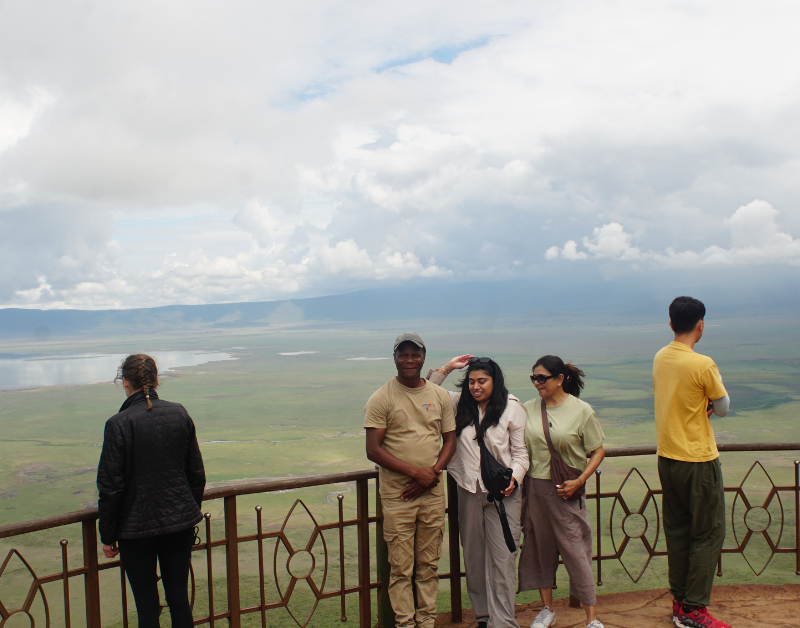
To catch the magic of Tanzania's wildlife Tour, timing is key. Tanzania welcomes visitors year-round, but to get the best view of its legendary wildlife, aim for the dry season - that's from late June to October. During these months, animals gather around waterholes and rivers, making them easier to spot. Plus, the grass is shorter, so you can see further across the plains.
This is your chance to witness the Great Migration in the Serengeti, an epic journey of millions of wildebeest and zebra. However, if you're after the thrill of bird watching or catching the calving season, January to February is your window. The landscape is vibrant, and newborn animals take their first steps in the world. Each season in Tanzania offers a different spectacle, so think about what you want to experience most on your wildlife tour in Tanzania. For more info visit here!
Tanzania is a playground for wildlife tour in Tanzania enthusiasts, offering some of the most iconic and unforgettable safari experiences. To start with, the Serengeti National Park is a must-visit. Famous for the annual wildebeest migration, it's a place where you can witness nature's drama unfold in real time. Next, the Ngorongoro Crater, a world heritage site, provides a unique natural arena for spotting the Big Five in a single day due to its enclosed nature.
Don't skip the Selous Game Reserve - it's one of the largest faunal reserves of the world, offering boat safaris and walking tours for a different perspective on wildlife. For those keen on seeing tree-climbing lions and a rich variety of birds, Lake Manyara National Park is the spot. And for a more remote, off-the-beaten-path experience, Ruaha National Park stands out with its dramatic landscapes and abundant wildlife, making it a hidden gem for true aficionados. Each of these destinations has its own charm, offering a diverse range of experiences for any wildlife lover.
Before jetting off to Tanzania, make sure you're in tip-top shape. Tropical locations can have health risks you're not used to. Key vaccinations are your first line of defense. Tetanus, diphtheria, polio, yellow fever, and hepatitis A and B should be on your list. Remember, some of these shots need time to become effective. Start your health prep at least 4 to 6 weeks before your trip. Also, ask your doctor about malaria pills.
Malaria is common in Tanzania, and prevention beats cure every time. Don’t forget to pack a solid first-aid kit. Include basics like band-aids, antiseptic wipes, and any personal meds. Sunscreen and bug repellent will be your best friends in the Tanzanian wild. Staying hydrated is crucial too. Stick to bottled water to dodge any stomach troubles. Listen to your body. If it's telling you to slow down or something feels off, pay attention. Health first, adventure second. Travel insurance is a good shout as well. It's better to have it and not need it than the opposite. Safe travels!
When heading off on a wildlife tour in Tanzania, packing right is crucial. First things first, opt for light, breathable clothing that blends well with the natural surroundings—think khakis and olives. Nights get chilly, so also pack a warm jacket or sweater. Don't forget a sturdy pair of walking shoes for those safari walks. Now, for the essentials: bring a high-quality camera or smartphone to capture those unforgettable moments.
Binoculars are a must-have to spot animals from a distance. With sunny days ahead, pack sunglasses, a wide-brimmed hat, and sunscreen to protect against the harsh sun. And lastly, a durable, waterproof backpack to carry your gear will come in handy. Remember, staying comfortable and prepared will make your Tanzanian wildlife adventure unforgettable. So pack smart!
Planning your safari in Tanzania? Great choice! But how much will it cost? Let's break it down. The cost of a Tanzanian safari varies widely, depending on a few key things: the length of your trip, the type of accommodation you prefer, whether you go for a private tour in Tanzania or a group safari, and of course, the parks you wish to visit. Generally, prepare to spend anywhere from $200 to $700 per person, per day. On the budget end, you might stay in more basic accommodations or join a larger group, which can significantly cut costs.
Opting for a luxurious, private safari? That's where prices hit the top end. Remember, this price covers your accommodation, meals, park entry fees, and guided game drives. Keep in mind, international flights and tips for your guides are extra costs to factor in. So, when planning your Tanzanian adventure, start by deciding what kind of experience you're after. That will give you a clearer idea of how much you need to budget. Get ready for an unforgettable journey, but make sure to plan your finances as carefully as your itinerary!
Picking the right tour in Tanzania operator can make or break your wildlife tour in Tanzania. Look for operators with solid experience and good reviews. They should know Tanzania like the back of their hand and have deep respect for wildlife and local cultures. Price matters, but the cheapest option might not provide the quality you seek. Aim for a middle ground. The tour operator should be transparent about costs and what's included. Finally, pick someone who matches your vibe. A good operator will make you feel comfortable, answer all your questions, and ensure your tour is unforgettable.
When you step into the vast landscapes of Tanzania to witness its incredible wildlife, remember you're stepping into a world that demands respect and understanding. Observing animals in their natural habitat is not just an exciting adventure but a privilege. Here's how you do it right: Always listen to your guide. These experts know the land and its rules, ensuring both your safety and that the animals remain undisturbed. Keep quiet.
Loud noises can stress wildlife and alter their natural behavior. Imagine someone barging into your home making a racket; it's the same for animals. No matter how tempting, feeding the animals is a no-go. It can lead to health issues for them and dangerous situations for you. Stay in your vehicle during safari tour in Tanzania unless your guide says otherwise. Animals are used to the shape and sound of vehicles, but a human walking around can be threatening or intriguing, neither of which is good.
Finally, remember that patience is key in wildlife viewing. Animals won't always appear on cue, but the wait makes sightings all the more special. By following these guidelines, you contribute to the conservation efforts and ensure the animals continue to thrive in their natural habitat. This respectful approach guarantees an enriching experience that you, and the wildlife, will appreciate.
To make the most out of your Tanzania wildlife tour in Tanzania, knowing when to go and understanding animal behavior is key. Early morning and late afternoon are the golden hours for sightings. During these times, animals are most active, looking for food or cooling off. Here’s a quick insight: lions are often spotted lounging in the early morning; elephants, on the move during cooler parts of the day; and if lucky, you might catch the elusive leopard during dusk. Remember, patience pays off. Animals follow their own timetable, not ours. So, keep your binoculars ready, stay quiet, and let nature reveal its wonders at its own pace.
Q1. What is the best time for a first wildlife tour in Tanzania?
A. The best time to visit Tanzania for a wildlife tour in Tanzania is usually during the dry season from June to October. During this period, animals gather around water sources, making them easier to spot. It is also a great time to experience the famous Great Migration.
Q2. Which animals can I see on my first Tanzania safari?
A. A first-time visitor can see lions, elephants, giraffes, zebras, buffaloes, and many other wild animals. Tanzania’s national parks offer a chance to experience diverse wildlife in their natural habitat. You may also spot rare species depending on the location and season.
Q3. Do I need any special preparation before going on a Tanzania wildlife tour?
A. Before your trip, pack comfortable clothes, sun protection, binoculars, and a good camera for your safari experience. It is also important to check travel requirements and plan your route with a trusted tour operator. Proper preparation helps you enjoy the journey more.
Q4. Is a Tanzania safari safe for first-time travelers?
A. Yes, Tanzania safaris are generally safe when you follow the guidance of experienced guides and park rules. Professional safari teams understand wildlife behavior and ensure visitors have a secure experience. Staying inside the vehicle during game drives is an important safety rule.
Q5. How many days are enough for a Tanzania wildlife tour?
A. A 5 to 7-day safari is a good choice for first-time travelers who want to explore multiple parks. This allows enough time to see different landscapes and wildlife areas. Longer trips can provide a deeper and more relaxed safari experience.
When you visit Tanzania foe Wildlife Tour in Tanzania, it's not just about seeing the majestic lions or awe-struck herds of elephants; it's about stepping into a world where every creature plays a pivotal role in the ecosystem's balance. As you wrap up your wildlife tour, it's crucial to reflect on the bigger picture, conservation, and how tourism, when done responsibly, can aid in preserving these natural treasures for future generations. Responsible tourism is about making simple choices that can have a big impact.
This means staying on designated paths during safaris to avoid disturbing animal habitats, saying no to wildlife exploitation by avoiding attractions that harm animals for entertainment, and supporting local communities by choosing eco-friendly lodges or tours led by local guides. By being a mindful traveler, you're not just passing through; you're helping ensure that the beauty of Tanzania's wilderness remains vibrant and teeming with life for years to come. Remember, each of us plays a part in this delicate dance of conservation. Your visit can contribute to the protection of these magnificent animals and their habitats, but only if you tread lightly and with respect.
Sustainable tourism is tourism that doesn't harm the environment or the local communities. It's about visiting places in a way that helps preserve and protect them for future generations. When it comes to safaris, sustainable tourism plays a crucial role. Responsible safari operators are those that run their businesses in ways that support conservation efforts.
They ensure that the wildlife and natural habitats are minimally impacted by tourism. These operators usually engage in practices like limiting the number of tourists in sensitive areas, using eco-friendly vehicles, and investing a part of their earnings back into wildlife conservation and community projects. By choosing a responsible safari operator, you're not just signing up for an adventure; you're also contributing to the protection of these majestic places and creatures.
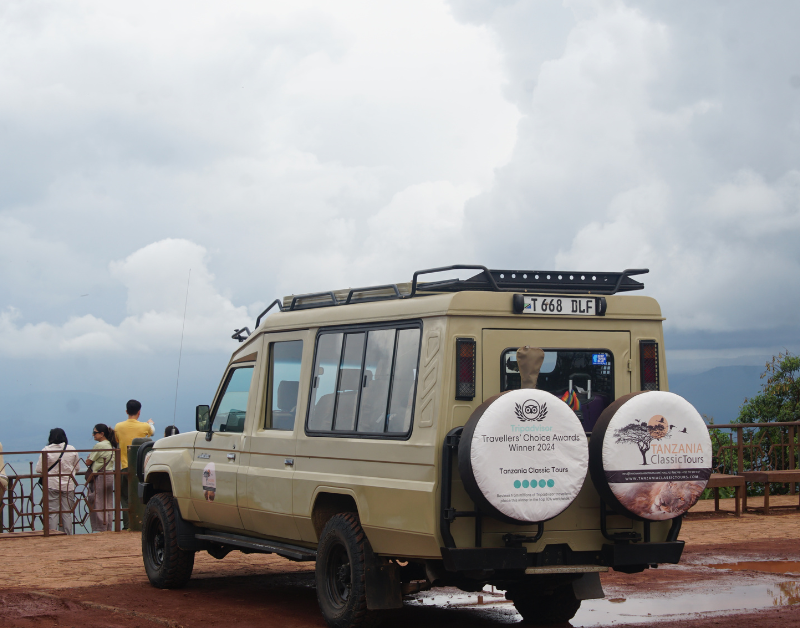
Safari operators play a key role in conservation efforts by turning tourism into a force for good. They do this in several ways. First, they educate tourists about wildlife and ecosystems, making visitors more aware of the importance of conservation. This education helps build a group of informed tourists who value and respect the natural world. Secondly, many operators contribute part of their income to local conservation projects or anti-poaching units.
This money directly supports the protection of the animals and habitats tourists come to see. Thirdly, by employing local people, these operators help communities see the value in keeping their natural heritage intact rather than turning to destructive practices like poaching or deforestation for short-term gains. In essence, responsible safari operators serve as a bridge between conservation efforts and tourism, proving that both can work together for the betterment of our planet. For more info visit here!
Responsible safari operations make a big difference, not just for the environment, but also for local communities. They create jobs, which is crucial. Think about it. When a safari company hires local guides, cooks, and maintenance staff, it puts money directly into the pockets of local families. Beyond jobs, these operators often support local projects too. We're talking schools, healthcare facilities, and clean water initiatives. This means when you choose a responsible safari, you're helping fund the essentials that keep communities thriving.
Plus, these operators usually buy local. Whether it's food for guests or materials for lodges, buying locally means more money stays in the community. And let's not forget, educating visitors. By teaching tourists about local cultures and traditions, responsible safaris foster a respect and understanding that bridges gaps between different ways of life. So, when you pick a safari that cares about being responsible, you're choosing to support the wellbeing and growth of local communities. It's a win-win.
Safari-operators who are serious about conservation follow eco-friendly practices that make a big difference. They use vehicles that emit less pollution or even electric ones that are silent and don't disturb wildlife. Water usage is minimized, often by collecting rainwater and using it wisely. When it comes to lodging, tents or rooms are built with materials that blend in with the environment and do not harm it.
Energy is another big focus; many use solar panels to power their operations. Waste management is strict, with recycling programs in place and a policy of leaving no trace. Finally, they support local communities by hiring locally and investing in conservation projects. This approach not only protects nature but also ensures that visitors have an authentic and sustainable experience.
Safari operators play a crucial role in wildlife conservation, implementing measures that ensure the animals and their habitats are protected. First off, they limit the number of visitors to avoid overwhelming the wildlife and their living spaces. This means, during your safari, you're part of a small group, making your experience not only exclusive but also responsible. Secondly, safari-operators often work with local communities.
This collaboration helps in the fight against poaching, as locals become allies in protecting the animals. Furthermore, a portion of your safari cost goes directly towards conservation efforts. Whether it's funding anti-poaching units or supporting local wildlife research projects, your adventure contributes to the greater good. Responsible safari operators also focus on education, teaching visitors about the challenges facing wildlife and how they can help. It's all about enjoying the beauty of nature while ensuring it thrives for generations to come.
When you choose to go on a safari with a responsible operator, you're choosing a path that significantly helps preserve ecosystems. Sustainable tourism is not about having zero impact, but about making positive contributions to the environment. Responsible safari-operators invest in conservation efforts. They support local wildlife protections, help in the fight against poaching, and contribute to the preservation of natural habitats.
For instance, a portion of what you pay goes directly into conservation projects. This means your safari adventure aids in funding anti-poaching patrols or in the maintenance of national parks. It's a win-win. You get to experience the wonder of wildlife, while your presence supports efforts to keep these ecosystems thriving. So, when planning your next safari, remember that your choices can actively help ensure that these magnificent places and creatures exist for future generations
Safari operators and conservation organizations team up, playing a big role in sustainable tourism. This partnership is vital for protecting wildlife and ensuring natural habitats are preserved for future generations. Here's the deal - safari-operators often fund conservation projects with a portion of their profits. It's a win-win. Tourists get to experience the beauty of wildlife up close while contributing to its preservation.
Conservation organizations, on the other hand, provide expertise and resources to manage and protect wildlife. They also educate safari-operators and tourists about the importance of conservation. This collaboration helps in keeping the balance, making sure that tourism doesn't harm the environment but instead supports it. These partnerships are essential in the fight against poaching, habitat destruction, and wildlife trafficking. By choosing a responsible safari operator, tourists play a part in this vital conservation effort. So, when planning your next safari, remember that your choice can either contribute to conservation or to the degradation of our planet's natural beauty. Choose wisely.
When planning a safari, picking a responsible operator is key for a sustainable experience. Responsible safari operators help in conservation efforts and support local communities. Here's what tourists should lookout for: Eco-friendly practices such as waste reduction, using renewable energy, and water conservation show the operator's commitment to protecting the environment. Support for local communities means choosing operators that employ local guides, buy local products, and invest in community projects.
This ensures your travel dollars benefit the people who make these experiences possible. Wildlife protection policies are crucial. Operators should adhere to guidelines that prevent animal distress or disturbance. This includes keeping a safe distance from animals, not feeding them, and preventing overcrowding at sighting locations. Look for operators with a strong conservation ethos. They often contribute directly to wildlife conservation projects or partake in research efforts.
This can range from anti-poaching initiatives to habitat restoration projects. Transparent and honest communication about their practices is a good sign of a responsible safari operator. They should be open about how they contribute to conservation and community welfare. Picking a safari operator that aligns with these practices means your trip can contribute to the preservation of these magnificent landscapes and the incredible wildlife that inhabits them, ensuring they remain for generations to come.
Safari-operators play a crucial role in sustaining wildlife conservation, turning their operations into powerful tools against environmental degradation. Two notable examples stand out. First, we've got the Lewa Wildlife Conservancy in Kenya. Initially a cattle ranch, Lewa transformed into a conservation sanctuary, focusing on endangered species. They partner with local communities, ensuring that their efforts lead to tangible benefits for the people. This partnership has led to significant increases in populations of rhinos and Grevy’s zebras, showcasing a balance between conservation and community benefits.
Next, consider Singita’s anti-poaching efforts in Tanzania. Singita doesn't just offer luxury safaris; they wage war against poaching. Funding from their tourism revenue supports extensive anti-poaching patrols. This holistic approach has seen a drastic reduction in illegal hunting activities in their areas of operation. Both examples highlight a simple truth: when safari operators and local communities work hand in hand, conservation efforts are amplified, leading to positive outcomes for wildlife and people alike.
Q1. How do responsible safari operators help wildlife conservation?
A. Responsible safari operators support wildlife conservation by following eco-friendly practices and protecting natural habitats. They work with conservation projects, reduce environmental impact, and promote responsible tourism. Their efforts help preserve wildlife for future generations.
Q2. Why is choosing a responsible safari operator important?
A. Choosing a responsible safari operator ensures that your travel experience supports nature and local communities. These operators follow ethical guidelines, respect wildlife, and avoid activities that can harm the environment. This makes your safari more sustainable and meaningful.
Q3. How do safari operators support local communities?
A. Many responsible safari operators create jobs and support local businesses near wildlife areas. They contribute to community development through education, healthcare, and conservation programs. This helps local people benefit from protecting natural resources.
Q4. What practices make a safari operator environmentally responsible?
A. Environmentally responsible safari-operators use sustainable methods like reducing waste, saving water, and limiting pollution. They also follow wildlife viewing rules to avoid disturbing animals. These practices help maintain healthy ecosystems.
Q5. Can responsible safaris help protect endangered animals?
A. Yes, responsible safaris can contribute to protecting endangered animals by funding conservation efforts and raising awareness. Safari operators often support anti-poaching programs and habitat protection. Tourism revenue can become an important tool for wildlife survival.
Choosing a responsible safari operators is the best way you can help conservation efforts while enjoying your adventure. Responsible operators are those that take steps to minimize impact on wildlife and support local communities. Here's how you make sure your tourism choices contribute positively. Look for eco-certifications. These are signs that an operator meets specific environmental standards. Ask about community support. Good operators invest part of their profits back into local communities.
Check their wildlife interaction policies. Ethical operators enforce rules that protect animals. Avoid those that encourage or allow touching, feeding, or baiting wildlife. Consider their environmental practices. Are they using renewable energy? How do they manage waste? These questions matter. Research and choose wisely. Your choice sends a message about the kind of tourism you support. By picking operators that prioritize conservation and community, you're directly contributing to the well-being of these destinations. Remember, your adventure should leave only footprints behind and take only memories.
The best time to visit Tanzania for wildlife viewing is during the dry season, from June to October. The weather is pleasant, and animals gather around water sources, making it easier to spot them. The peak season for safaris is from July to March. If you want to witness the Great Migration in Serengeti National Park, plan your trip between January and February when the wildebeest give birth.
Before you plan your trip to Tanzania tourism , it's important to understand the visa and entry requirements. Here are a few things to keep in mind: Most visitors need a tourist visa to enter Tanzania, which can be obtained upon arrival at the airport or at the border. The visa fee varies depending on your nationality, so it's best to check the current requirements before your trip. Make sure your passport is valid for at least six months beyond your planned departure date from Tanzania. This is a common requirement for many countries and ensures a smooth entry and exit from the country. Understanding the visa and entry requirements beforehand will help you avoid any travel hiccups and ensure a seamless start to your Tanzania tourism experience.
When planning your trip to Tanzania, there are several must-visit destinations that you should include in your itinerary. These destinations offer unique experiences and breathtaking scenery that you won't want to miss. Some of the must-visit destinations include: Serengeti National Park: Known for its stunning wildlife and the annual wildebeest migration, the Serengeti is a must-visit destination for nature enthusiasts and wildlife lovers. Ngorongoro Crater: This UNESCO World Heritage site is home to a diverse range of wildlife and offers stunning views of the crater's unique ecosystem. Mount Kilimanjaro: If you're up for a challenge, consider adding a trek to the summit of Mount Kilimanjaro to your itinerary. The highest mountain in Africa offers a once-in-a-lifetime adventure and stunning views of the surrounding landscapes. Zanzibar: This picturesque island off the coast of Tanzania is renowned for its beautiful beaches, rich history, and vibrant culture. It's the perfect place to unwind and soak up the sun after your Tanzanian adventure. By including these must-visit destinations in your itinerary, you can ensure that your trip to Tanzania is filled with unforgettable experiences and incredible sights.
There are several accommodation options to consider for your trip to Tanzania. These include luxury lodges, tent camps, budget hotels, and guesthouses. Each option offers its own unique experience and has varying prices to fit different budgets. Moreover, it’s important to book your accommodation well in advance, especially during peak tourist seasons, to ensure you have the best selection and prices. Keep in mind that the type of accommodation you choose will greatly impact your overall experience while exploring the stunning landscapes and wildlife of Tanzania.
To get around Tanzania, you have several transportation options to choose from. Here's what you should know: Public transportation: Buses and daladalas (minibusses) are the most common means of public transport in Tanzania. They are affordable but can be crowded and have erratic schedules. Taxis: Taxis are available in cities and towns, and it's essential to negotiate the fare before starting the journey. Make sure to choose registered taxis for safety. Car hire: Renting a car gives you the flexibility to explore at your own pace. However, driving conditions can be challenging, so make sure to check the condition of the roads and consider hiring a local driver.
When planning a trip to Tanzania for safaris and wildlife experiences, it's essential to consider the following factors: Tanzania is home to some of the most renowned national parks and wildlife reserves in Africa, such as the Serengeti National Park and the Ngorongoro Crater. These provide excellent opportunities for game drives, where you can spot the Big Five and numerous other species in their natural habitat. Consider the best time to visit, which is typically during the dry season (from June to October), as this is when the animals congregate around water sources, making wildlife spotting easier. It's important to book your safari with a reputable tour operator that offers knowledgeable guides and responsible wildlife viewing practices. This will ensure a memorable and ethical experience. Additionally, research the diverse wildlife experiences available, such as walking safaris, birdwatching, and cultural interactions with local tribes, to make the most of your trip.
When planning your trip to Tanzania, it's important to understand the local customs and cultural experiences you may encounter. Embracing the local customs can enhance your travel experience and help you connect with the Tanzanian people. Here are some key cultural insights to keep in mind: Greeting Etiquette: Tanzanians often greet each other with a handshake and a warm smile. Handshakes are customary and are often accompanied by inquiries about well-being and family. Respect for Elders: In Tanzanian culture, elders are highly respected, and it is customary to greet them first when entering a room. Dress Code: When visiting local communities or religious sites, it is respectful to dress modestly. Women should consider covering their shoulders and knees, and both men and women should remove their hats when entering a religious building or a local's home. Food and Dining: If invited to a Tanzanian's home for a meal, it is polite to accept the offer and remove your shoes before entering the house. Language: Swahili is the national language of Tanzania, and while English is widely spoken, learning a few basic Swahili phrases can demonstrate your respect for the local culture. Understanding and appreciating these cultural aspects can greatly enhance your experience when visiting Tanzania.
When packing for your Tanzania trip, make sure to bring the following essentials: Lightweight and breathable clothing to cope with the warm weather. Insect repellent and sunscreen to protect yourself from bug bites and sunburn. A good pair of walking shoes for outdoor activities and exploring the national parks. A travel adapter to charge your devices since the electrical outlets in Tanzania may differ from those in your home country.
When planning for a trip to Tanzania, consider these tips for an unforgettable experience: Ensure to pack appropriate clothing for diverse climates, including light and breathable clothing for the coast and warmer regions, and warmer clothes for the cooler highland areas. Book a safari adventure to witness the stunning wildlife and natural landscapes, and consider visiting during the dry season for optimal game viewing opportunities. Immerse yourself in the local culture by interacting with the Maasai people and visiting traditional villages to gain a deeper understanding of Tanzanian traditions. Explore the beautiful beaches and marine life by visiting the island of Zanzibar, and indulge in the vibrant local cuisine and fresh seafood. By keeping these tips in mind, you can enhance your Tanzania tourism experience and create lasting memories of this incredible destination.
Tanzania tourism offers diverse attractions suitable for family vacations. With its stunning wildlife, beautiful beaches, and rich cultural heritage, Tanzania provides a perfect blend of adventure and relaxation for families. Some of the popular family-friendly attractions include the Serengeti National Park, Ngorongoro Crater, Zanzibar beaches, and the opportunity to interact with the local Maasai people. Whether you're looking for an exciting safari experience or a peaceful beach holiday, Tanzania has something for everyone in the family Vacations.
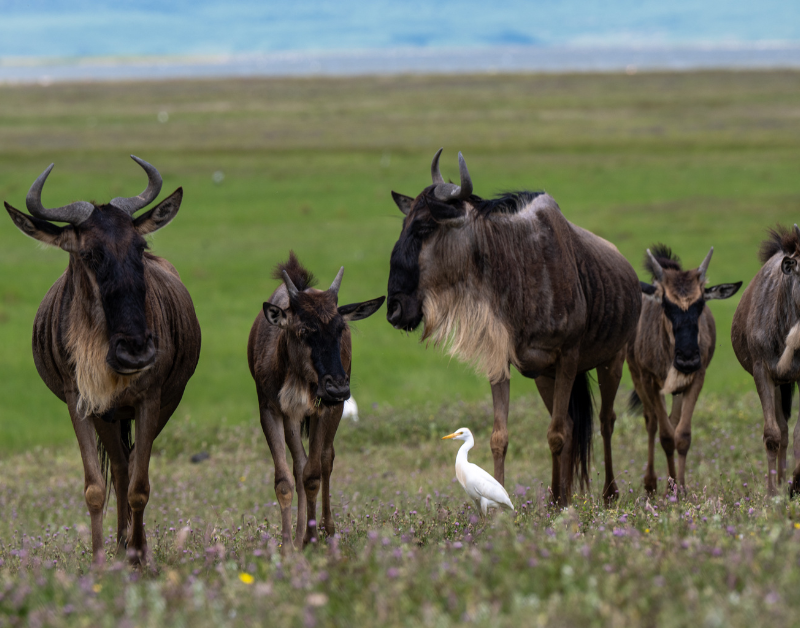
Tanzania offers a range of family-friendly attractions for a memorable vacation. From the stunning Serengeti National Park, where you can witness the great wildebeest migration, to the beautiful beaches of Zanzibar, there's something for everyone. Other popular attractions include the Ngorongoro Crater, where you can see an abundance of wildlife, and the Maasai culture for an immersive cultural experience. It's an ideal destination for families seeking adventure, wildlife encounters, and cultural immersion. For more info visit here!
When visiting Tanzania with your family, you'll find a variety of accommodation options suitable for all your needs. You can choose from family-friendly hotels, resorts, lodges, and even private vacation rentals. Many of these accommodations offer spacious rooms, kid-friendly amenities, and activities for the whole family vacation. Some options also provide special packages and discounted rates for families, making it easier to plan a budget-friendly and enjoyable stay in Tanzania.
Tanzania is generally safe for families, with low crime rates in tourist areas. However, it's important to take standard safety precautions, such as not displaying valuable items and avoiding unlit areas at night. Safari tours and beach resorts typically have security measures in place to ensure the safety of their guests. Additionally, it is advisable to check the latest travel advisories and make an effort to understand the local customs and culture.
Tanzania offers a wide range of family vacations and friendly activities and tours for an unforgettable vacation experience. You and your family can enjoy thrilling safaris to observe the diverse wildlife, including majestic elephants, leopards, and lions in their natural habitat. You can also explore the stunning landscapes and natural wonders, such as the breathtaking Serengeti National Park and the iconic Mount Kilimanjaro. Additionally, families can immerse themselves in the vibrant culture by visiting local markets, engaging with friendly locals, and savoring delicious traditional cuisine. Moreover, Tanzania boasts beautiful beaches and crystal-clear waters, providing the perfect setting for relaxation and water activities.
Tanzania offers a rich tapestry of local culture and experiences that are ideal for family vacations. Families can explore traditional Maasai villages, witness traditional dances, and sample local cuisine. The opportunity to go on a safari and witness the awe-inspiring wildlife is an experience that is both educational and exciting for the entire family. Additionally, the beautiful beaches and clear waters of Zanzibar provide a perfect setting for relaxation and water adventures, making it a well-rounded destination for families seeking diverse cultural and natural experiences.
Tanzania offers a variety of wildlife and nature experiences that are perfect for families. You can explore the iconic Serengeti National Park, where you can witness the annual migration of wildebeest and zebras. The Ngorongoro Crater is another must-see destination, known for its diverse wildlife and breathtaking landscapes. Families can also visit the Tarangire National Park to see elephants, lions, and a wide range of bird species. Additionally, the island of Zanzibar provides beautiful beaches and opportunities for snorkeling, making it a great spot for some relaxation and family-friendly activities.
When planning a family vacations in Tanzania, consider these tips to ensure a memorable and smooth trip: Research family-friendly accommodations and activities in advance to find the best options Check the visa requirements for Tanzania and ensure all necessary documents are in order Pack light, breathable clothing suitable for the warm climate Consider hiring a local guide for safaris and other outdoor activities to enhance the experience Plan to visit family-friendly attractions like the National Parks, Zanzibar beaches, and cultural sites to keep everyone entertained
Tanzania is known for its diverse wildlife and stunning landscapes, making it a great destination for a family vacations. When budgeting for a trip to Tanzania, it's important to consider the costs associated with such a journey. Here are some key points to keep in mind: Accommodation: Depending on your preferences, accommodation options in Tanzania vary from budget-friendly lodges to luxury resorts. Average costs for family-friendly accommodations range from $50 to $300 per night. Safari Tours: The highlight of a family trip to Tanzania is often the safari experience. Safari tours come with varying price tags, with the average cost for a family of four ranging from $1,000 to $3,000 for a 3 to 5-day experience.
Flights: Flight prices can vary depending on the time of year and departure location. On average, a round-trip ticket for a family of four can cost $3,000 to $6,000. Activities and Excursions: Additional costs should be allocated for activities such as visiting national parks, guided tours, and cultural experiences. It's advisable to budget an extra $500 to $1,000 for these activities. When planning your family trip to Tanzania, it's crucial to consider these costs to ensure a memorable and budget-friendly experience.
Q1. Why is Tanzania a good destination for family vacations?
A. Tanzania is a great family vacations destination because it offers wildlife adventures, beautiful landscapes, and cultural experiences. Families can enjoy safaris, beaches, and nature activities together. It provides fun and educational experiences for children and adults.
Q2. Are Tanzania safaris safe for families with children?
A. Yes, Tanzania safaris can be safe for families when planned with experienced tour operators and family-friendly lodges. Many safari locations offer comfortable stays and guided tours. Parents and children can enjoy seeing amazing wildlife in a secure environment.
Q3. What family-friendly activities can visitors enjoy in Tanzania?
A. Families can enjoy activities like wildlife safaris, visiting national parks, exploring local cultures, and relaxing on beaches. Children can learn about animals and nature through real-life experiences. Tanzania offers activities suitable for different age groups.
Q4. What is the best time for families to visit Tanzania?
A. The best time for a family trip to Tanzania is usually during the dry seasons when wildlife viewing is easier. The weather is more comfortable for outdoor activities and travel. Families can plan their visit according to their preferred experiences.
Q5. Can families combine safari and beach holidays in Tanzania?
A. Yes, Tanzania allows families to enjoy both safari adventures and beach relaxation in one trip. After exploring wildlife parks, families can visit coastal areas like Zanzibar. This combination creates a balanced and memorable vacation.
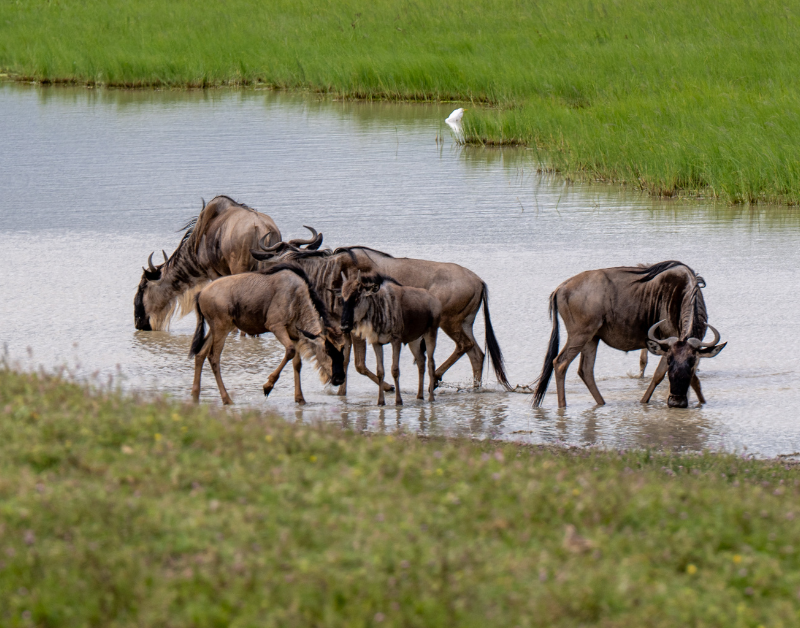
Tanzania is a perfect destination for family vacations because it offers diverse and exciting activities for all family members. From safari adventures in the Serengeti to relaxing beach vacations in Zanzibar, Tanzania has something for everyone. The country's rich culture and friendly locals make it a welcoming place for families, and the wide range of accommodation options means there's something to suit every budget. Whether you're looking for a wildlife experience, cultural immersion, or simply some quality time together, Tanzania has it all. So if you're planning a family vacation, consider Tanzania for an unforgettable and enriching experience!
Tanzania is a hotspot for honeymooners due to its stunning landscapes, rich culture, and abundance of wildlife. With its picturesque beaches, luxurious accommodations, and romantic experiences, Tanzania honeymoon offers an unforgettable honeymoon destination. Visitors can explore the beautiful Serengeti National Park, witness the breathtaking Ngorongoro Crater, and relax on the pristine beaches of Zanzibar. Whether you're seeking adventure or relaxation, Tanzania has something to offer every couple looking to celebrate their love.
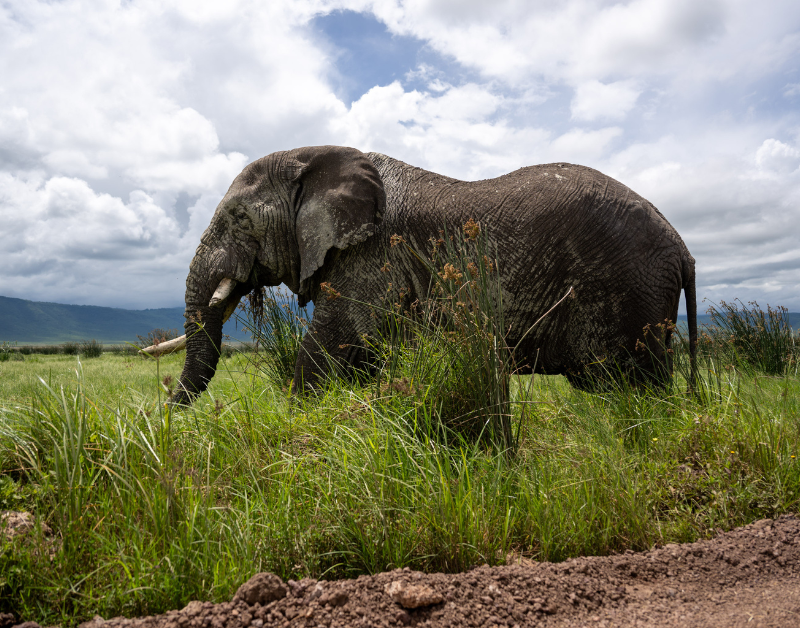
Tanzania honeymoon offers a plethora of unique attractions that make it an ideal destination for honeymooners. The country is home to the majestic Mount Kilimanjaro, the Serengeti National Park, and the picturesque Zanzibar Island. These natural wonders provide the perfect backdrop for a romantic and adventurous wedding Vacation experience. Additionally, Tanzania's diverse wildlife, including the Big Five, offers couples the opportunity to create unforgettable memories together. For more info visit here!
Tanzania honeymoon offers a wide variety of exquisite wedding Vacation accommodations, ranging from luxury beach resorts to romantic safari lodges. You can enjoy the breathtaking natural beauty and diverse wildlife while experiencing the unique culture and warm hospitality of the Tanzanian people. Whether you prefer a private, secluded beach setting or a thrilling safari adventure, Tanzania has it all for an unforgettable honeymoon experience.
Tanzania offers a variety of romantic activities and experiences for honeymooners. From breathtaking safaris to exploring exotic beaches and luxurious lodges, Tanzania honeymoon has something for every couple. Some popular romantic activities include going on a hot air balloon safari over the Serengeti, enjoying a candlelit dinner under the stars, taking a private sunset cruise on Lake Victoria, and relaxing at a tranquil beach resort. These experiences make Tanzania an ideal destination for couples seeking a romantic and unforgettable wedding Vacation.
Tanzania offers a diverse array of wildlife and natural beauty for honeymooners. The country is home to iconic wildlife such as lions, elephants, and giraffes, providing couples with the opportunity to experience up-close encounters with these magnificent creatures. In addition, Tanzania boasts stunning landscapes, including the majestic Mount Kilimanjaro, serene beaches, and lush national parks, making it an ideal destination for nature enthusiasts. Whether it's embarking on a thrilling safari adventure or simply relaxing amidst the breathtaking scenery, Tanzania provides a unique and unforgettable experience for honeymooners seeking an immersive wildlife and nature encounter.
Tanzania honeymoon offers rich cultural experiences for honeymooners, with opportunities to interact with local communities and immerse yourselves in traditional practices. You can participate in traditional dances, visit local markets, or even learn traditional crafts from local artisans. interacting with the local communities can enrich your wedding Vacation experience, providing a deeper connection to the destination and its people.
The best time to visit Tanzania for a wedding Vacation is during the dry season, which runs from June to October. This period offers excellent wildlife viewing as the animals gather around water sources. The weather is also cooler and less humid, providing comfortable conditions for exploring the beautiful landscapes and enjoying outdoor activities. Avoid the rainy season from March to May as the heavy rains can make travel and outdoor excursions more challenging.
When planning your wedding Vacation in Tanzania, consider the following tips to make the most of your experience: Choose the right time to visit: Tanzania has two dry seasons, from June to September and from January to February, making these ideal times to visit for pleasant weather and wildlife viewing. Select the perfect destination: Whether it's the Serengeti, Zanzibar, or the Ngorongoro Crater, Tanzania honeymoon offers diverse landscapes and experiences for a memorable wedding Vacation.
Plan your activities: From safaris to beach relaxation, Tanzania has a lot to offer. Make sure to plan and book your activities in advance to avoid any disappointments. Respect the local culture: Embrace the local culture and customs, and be mindful of cultural sensitivities to ensure a respectful and enjoyable stay. Consider a travel agent: When in doubt, consider using a travel agent who specializes in Tanzanian tourism. They can help ensure a seamless and stress-free wedding Vacation experience.
Tanzania offers diverse and breathtaking landscapes, from stunning beaches to lush national parks. It provides a unique combination of romantic adventures and natural beauty, making it an ideal destination for honeymooners. With its rich cultural heritage and warm hospitality, couples can experience a truly authentic and unforgettable honeymoon. Moreover, choosing Tanzania for your honeymoon allows you to explore the exotic wildlife, relax on pristine beaches, and enjoy a wide range of outdoor activities, creating cherished memories that will last a lifetime.
Q1. Why is Tanzania a popular honeymoon destination?
A. Tanzania is popular for honeymoons because it offers beautiful beaches, wildlife adventures, and peaceful natural views. Couples can enjoy romantic safaris, luxury stays, and unforgettable experiences together. It is a perfect mix of adventure and relaxation.
Q2. What makes Tanzania safaris special for honeymoon couples?
A. Tanzania safaris give couples a chance to see amazing wildlife in their natural habitat. Places like national parks offer exciting game drives and private moments surrounded by nature. It creates unique memories for newly married couples.
Q3. Are there romantic places to visit in Tanzania for honeymooners?
A. Yes, Tanzania has many romantic places including island beaches, luxury lodges, and scenic landscapes. Couples can relax by the ocean or enjoy peaceful stays in beautiful surroundings. These locations make honeymoons more special and memorable.
Q4. What activities can couples do during a Tanzania honeymoon?
A. Couples can enjoy safari tours, beach relaxation, mountain views, and cultural experiences. They can also spend quality time at luxury resorts with special honeymoon arrangements. Tanzania offers activities for both adventure lovers and those seeking peace.
Q5. Is Tanzania suitable for a luxury honeymoon experience?
A. Tanzania is a great choice for couples looking for a luxury honeymoon. Many resorts and lodges provide private rooms, romantic dinners, and personalized services. The combination of comfort and nature makes it an ideal destination.
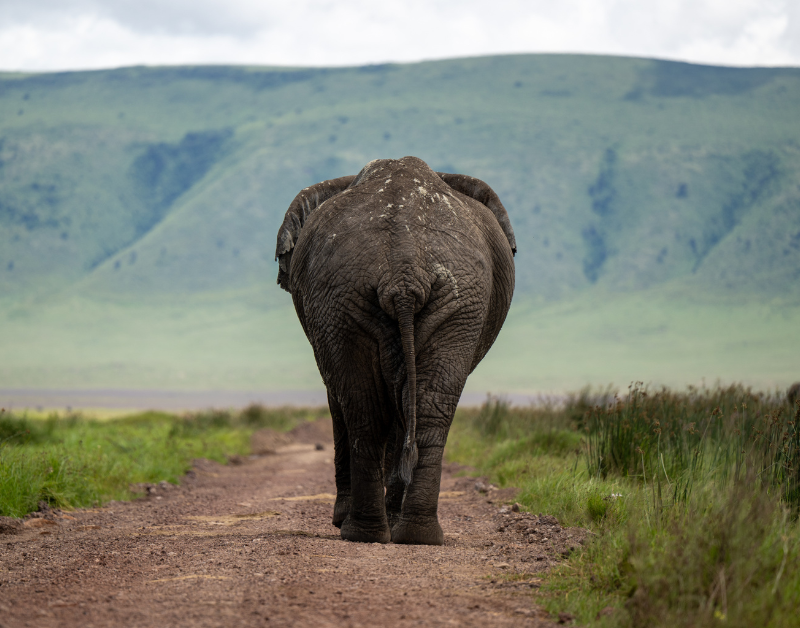
Tanzania honeymoon is a popular honeymoon destination due to its diverse attractions and romantic experiences. From the picturesque beaches of Zanzibar to the breathtaking views of Mount Kilimanjaro, Tanzania offers a perfect blend of adventure and relaxation for newlyweds. The wildlife safaris in Serengeti and Ngorongoro Conservation Area provide unique and unforgettable experiences. The luxury lodges and resorts offer privacy, comfort, and exceptional service. With its rich culture, stunning landscapes, and an abundance of wildlife, Tanzania is undoubtedly a top choice for couples seeking a memorable honeymoon experience.
Welcome to the world of Tanzania tours! The land of breathtaking safari Adventure and vibrant cultural experiences awaits you. Tanzania is home to the iconic Serengeti National Park, where you can witness the awe-inspiring Great Migration of wildebeest and zebras. The country also boasts the majestic Mount Kilimanjaro, the highest peak in Africa. While exploring Tanzania, you will have the chance to encounter the diverse wildlife of the Ngorongoro Crater and relax on the pristine beaches of Zanzibar. Prepare to immerse yourself in the rich tapestry of Tanzanian traditions, landscapes, and wildlife encounters.
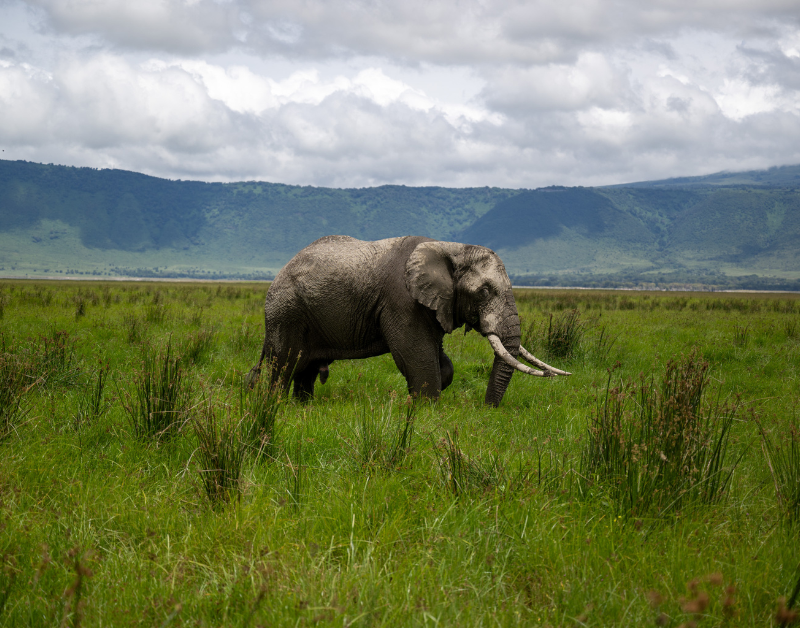
When going on a safari adventure in Tanzania, it is crucial to pack suitable clothing to ensure comfort and protection. Essential items include neutral-colored clothing in earthy tones like khaki, brown, and olive to blend in with the natural surroundings and avoid disturbing wildlife, lightweight long-sleeved shirts and pants to protect from the sun and insect bites, and comfortable closed-toe shoes for walking safaris and outdoor activities.
Additionally, a wide-brimmed hat and sunglasses are necessary to shield yourself from the sun's intense rays, and a waterproof jacket or poncho is essential for sudden rain showers during the rainy season. Bringing a pair of binoculars will also enhance your wildlife viewing experience by allowing you to observe animals from a distance. By packing these essential clothing items, you can fully enjoy and make the most of your safari adventure in Tanzania. For more info visit here!
When going on a safari in Tanzania, it's essential to pack appropriate footwear and accessories to ensure your comfort and safety. Key items include sturdy and comfortable hiking boots to protect your feet during safari walks and hikes, along with several pairs of moisture-wicking socks to keep your feet dry. A wide-brimmed hat is necessary to provide shade and protection from the sun, while quality sunglasses with UV protection are crucial for shielding your eyes from the strong African sun. Additionally, a good pair of binoculars will enhance your safari experience by allowing you to observe wildlife from a distance. When selecting footwear and accessories, consider the climate and the activities planned for your safari.
When preparing for a safari adventure in Tanzania, it's important to pack the right essentials for wildlife viewing, including high-quality binoculars to spot animals from a distance and a good camera with suitable lenses to capture breathtaking wildlife moments. Comfortable, breathable, and neutral-colored clothing is ideal for blending in with the surroundings and staying cool, while closed-toe shoes are necessary to protect your feet from rugged terrain and potential encounters with wildlife.
Additionally, pack insect repellent to protect yourself from insects, and remember sun protection items like a wide-brimmed hat, sunglasses, and sunscreen to shield yourself from the strong African sun. Carrying plenty of water and nutritious snacks will also help you stay hydrated and energized during your wildlife excursions. With these essentials, you'll be well-prepared for an unforgettable safari adventure in Tanzania.
When packing for your safari adventure in Tanzania, it's important to prioritize sun protection and insect repellent. The African sun can be intense, so it's crucial to bring along a wide-brimmed hat, sunglasses, and sunscreen with a high SPF to shield yourself from harmful UV rays. Insect repellent is also essential to safeguard against mosquito-borne diseases like malaria and dengue fever, so make sure to pack a powerful repellent with DEET or other effective ingredients. Be proactive in protecting yourself from the sun and insects to ensure a safe and enjoyable safari experience.
When going on a safari adventure in Tanzania, it's essential to pack the right photography equipment and binoculars to capture the stunning wildlife and landscapes. A high-quality DSLR or mirrorless camera with a telephoto lens will allow you to zoom in on distant subjects and capture clear, detailed shots, while a sturdy tripod is crucial for keeping your camera steady during long-distance shots and in low-light conditions.
Alongside your camera gear, bring a pair of binoculars with good magnification and objective lens diameter, such as 8x42 or 10x50, to enhance your wildlife viewing experience by observing animals and birds from a distance. Quality binoculars can make a significant difference in spotting wildlife and appreciating the beauty of Tanzania's natural surroundings.
When going on a safari in Tanzania, it's important to bring essential medications and a well-stocked first aid kit, including an adequate supply of any prescription medications in their original packaging, along with copies of your prescriptions. A comprehensive first aid kit should contain adhesive bandages, antiseptic wipes, blister treatment, pain relievers, and any personal medications or supplies you may need.
Depending on the areas you plan to visit, anti-malarial medication might be recommended, so consult with your healthcare provider before your trip. If you're prone to motion sickness or digestive issues, consider packing over-the-counter medications to alleviate these symptoms. Additionally, don't forget to bring sunscreen with a high SPF and insect repellent to protect yourself from the sun and potential insect bites during your safari adventure.
For maximum comfort and convenience during your Tanzania safari adventure, consider packing lightweight, breathable clothing for hot weather, a wide-brimmed hat or cap to shield yourself from the sun, and insect repellent to keep bugs at bay. Comfortable walking shoes are essential for exploring, while binoculars will enhance your wildlife spotting experience. A portable charger for electronic devices and personal toiletries, along with any necessary medications, are also important to include. Adding these items to your packing list will help ensure an enjoyable and memorable safari experience in Tanzania.
When packing for a safari adventure in Tanzania, it's essential to consider the following tips: Pack lightweight, breathable clothing to stay comfortable in the warm climate, and opt for neutral-colored clothing to blend in with the natural surroundings and avoid attracting insects. Don't forget to bring a wide-brimmed hat, sunglasses, and sunscreen to protect yourself from the sun, along with sturdy, comfortable walking shoes for safari excursions and outdoor activities.
Ensure you have a camera with extra batteries and memory cards to capture memorable moments, and consider packing insect repellent and antimalarial medication to protect yourself from insect bites and malaria. A small backpack or daypack is useful for carrying essentials during day trips and safaris. It's also important to consult with your tour operator for specific packing recommendations based on the safari's location and time of year.
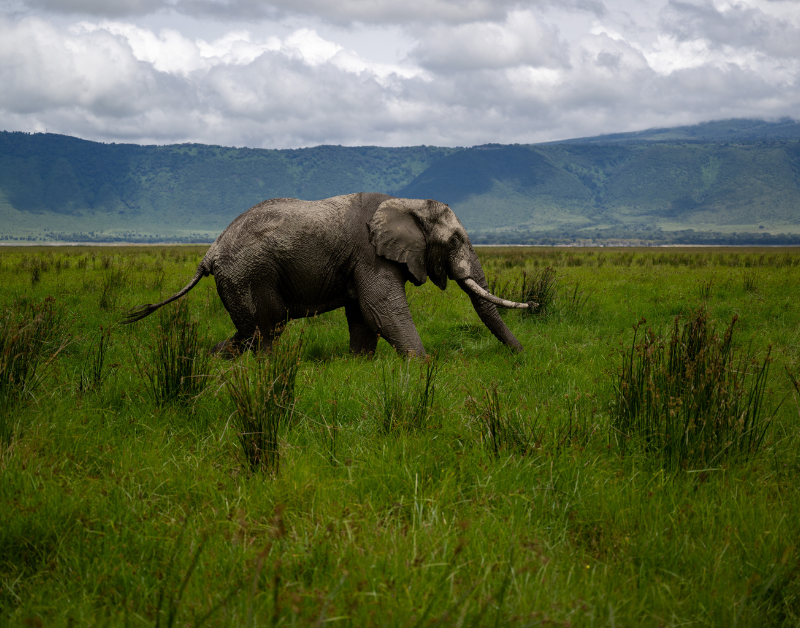
Q1. What clothes should I pack for a Tanzania safari tour?
A. For a Tanzania safari, pack lightweight and comfortable clothes that are suitable for warm days and cool mornings. Neutral colors like beige, brown, and green are better for safari environments. Bring a light jacket because early mornings and evenings can be chilly.
Q2. Do I need special shoes for a safari adventure in Tanzania?
A. Comfortable closed shoes are recommended for walking around lodges and safari areas. Choose strong and breathable shoes that can handle dust and uneven ground. Sandals can also be useful for relaxing at your accommodation.
Q3. What essential items should I carry during a Tanzania safari?
A. Important items include sunscreen, sunglasses, a hat, insect repellent, and a reusable water bottle. A small backpack is useful for carrying personal items during game drives. Don’t forget your camera or binoculars to enjoy wildlife viewing.
Q4. Should I pack any medical or health-related items for a safari?
A. It is a good idea to carry basic medicines, personal prescriptions, and a small first-aid kit. Travelers should also bring hand sanitizer and any necessary health supplies. Staying prepared helps make your safari experience more comfortable.
Q5. What kind of luggage is best for Tanzania tours?
A. Soft-sided bags or duffel bags are usually better for safari trips because they are easier to store in safari vehicles. Avoid heavy hard-shell suitcases if possible. Pack only the essentials to keep your journey simple and convenient.
If you're gearing up for a Tanzania safari adventure, it's essential to be well-prepared. Remember to pack light, breathable clothing in neutral colors to blend in with the surroundings. Also, don't forget to bring a wide-brimmed hat, sunscreen, and insect repellent to protect yourself from the elements. Consider investing in a good pair of binoculars to enhance your wildlife viewing experience. Lastly, be sure to carry a camera to capture all the amazing moments during your safari. With these essentials in your bag, you'll be ready to make the most of your Tanzania safari experience.
The best time for Mount Kilimanjaro Climbing is during the dry seasons, which are from January to March and from June to October. These months offer the most favorable weather conditions for climbing, with less rainfall and clearer skies. January and February are particularly popular months for climbing because they offer the best chances for clear, unobstructed views and stable weather. The months of June to October are also good for climbing, as they are also dry and relatively warm. Avoid climbing during the rainy seasons of April, May, and November, as the trails are more slippery, and the views are often obstructed by clouds.
Mount Kilimanjaro experiences two main weather patterns: the dry season and the wet season. The dry season, from late June to October, has clear skies and less rainfall, making it the best time for climbing. The wet season, from March to May, has heavy rainfall and muddy trails, making it more challenging for climbers. January and February are another good time for climbing, with clear skies and fewer crowds. However, weather conditions can always be unpredictable, so it's essential to be prepared for any changes.
The best months for climbing Kilimanjaro are typically January, February, and September. These months offer the most stable weather conditions, with lower chances of rainfall and clearer skies. January and February are the warmest months, and September is also a great time for climbing as it's cooler and less crowded than the peak seasons. June to August are also popular months, but they tend to be busier and colder. March to May is the rainy season and not recommended for climbing due to the high precipitation, muddy trails, and limited visibility.
The off-peak seasons for climbing Kilimanjaro are from April to May and November. During these times, there is less foot traffic on the mountain, which means you can enjoy a quieter and more exclusive experience. However, it's important to be aware that the weather can be more unpredictable during these months, with a higher chance of rain and colder temperatures. It's also worth noting that some routes, such as the Northern Circuit and Lemosho, are less affected by the weather changes and are good options to consider during the off-peak seasons.
Peak season for climbing Kilimanjaro typically falls between January and March and June to October. During these months, the weather is milder and more stable, making it easier to trek. With clearer skies, you also have a better chance of enjoying the stunning views from the summit. However, the downside is that the mountain can be quite crowded during these months, which may affect the overall experience. Additionally, prices for tours and accommodations are usually higher during peak season.
When planning your Kilimanjaro climbing trip, it's crucial to find the right tour operator. Here are a few key points to consider when selecting a tour operator: A reliable tour operator will have experienced guides who are familiar with the mountain and can ensure your safety throughout the journey. Look for operators that have a good track record of successful climbs and positive customer reviews. Consider the level of customer service and communication provided by the tour operator, as this can greatly impact your overall experience. It's important to choose a tour operator that offers transparent pricing and includes all necessary fees in the package. Lastly, make sure the tour operator is registered and licensed by the relevant authorities to ensure the legitimacy of their services.
Peak climbing seasons for Mount Kilimanjaro are typically from January to March and June to October. These periods offer the best weather conditions and the highest success rates for summiting. January and February are particularly popular due to the clear skies and less precipitation. During peak season, the routes tend to be busier, but you'll benefit from optimal climbing conditions and breathtaking views. If you're considering planning your trip during these periods, it's advisable to book your climb and accommodations well in advance to secure your spot.
If you're planning to climb Kilimanjaro during the off-peak season, be prepared for colder weather and more unpredictable conditions. The off-peak climbing months of April, May, and November generally have fewer tourists, lower prices, and quieter trails. However, it's important to pack and dress accordingly for the colder temperatures, potential rainfall, and less predictable weather patterns. Make sure to bring appropriate cold-weather gear, waterproof clothing, sturdy hiking boots, and sufficient layers to stay warm and dry during your climb. Keep in mind that the off-peak season may offer a more solitary experience, but it's essential to be well-prepared for the potentially challenging weather conditions.
Make sure to bring the following gear essentials for your Kilimanjaro climbing trip: Hiking boots: Look for waterproof and sturdy boots with ankle support. Layers of clothing: Bring lightweight, moisture-wicking base layers, insulating mid-layers, and a waterproof outer layer. Sleeping bag and sleeping mat: Choose a sleeping bag suitable for below-freezing temperatures and a comfortable mat for insulation from the ground. Headlamp or flashlight: Essential for navigating in the dark during early morning summit attempts. Trekking poles: Provide balance and reduce the strain on your knees during descents. Sun protection: Sunglasses, sunscreen, and a wide-brimmed hat to shield from the strong sun at high altitudes. Hydration system: Consider a hydration bladder or water bottles to ensure you can access water throughout your hike.
After considering all the factors, the best time to climb Kilimanjaro is during the dry season, from June to October. This period offers the most favorable weather condition, the clearest visibility, and the highest success rates for summiting. Additionally, it's important to choose a reputable tour operator and ensure that they provide adequate acclimatization days to increase your chances of reaching the top. If you’re looking to avoid the crowds, consider scheduling your trek for the quieter months of November or March. Lastly, remember to take the necessary precautions and stay hydrated throughout the climb.
Tanzania is a wonder-packed place for safari adventures. Here, you witness nature in its rawest form - from towering giraffes munching on acacia trees to lions lounging after a hunt. The country offers a plethora of national parks and game reserves, each with its unique allure. Among these, the Serengeti National Park, Ngorongoro Conservation Area, and Selous Game Reserve are jewels in Tanzania's crown, showcasing vast herds of wildebeest, breathtaking craters, and the mighty Rufiji River teeming with hippos and crocodiles. Each safari destination in Tanzania has its magic. Imagine yourself roaming the endless plains of the Serengeti, catching the spectacular wildebeest migration, or getting up close with the Big Five. The best part? Tanzania's safari experiences cater to all - whether you're a hardcore adventurer seeking the thrill of a walking safari or someone looking for the luxury of a lodge with panoramic views of the African bush. Dive into the heart of Tanzania with us as we explore what makes this country a top-tier safari adventure destination.
Serengeti National Park isn't just a name; it's a promise of an unrivaled adventure. This vast land, stretching over 14,763 square kilometers, brims with life, hosting the greatest wildlife spectacle on earth - the Great Migration. Picture this: millions of wildebeest, zebras, and gazelles traveling across plains and rivers, in a life-or-death journey to find fresh grazing. It's raw. It's real. And it happens here, every year, making Serengeti a bucket-list destination for any safari lover. Beyond the migration, the Serengeti is home to an impressive array of wildlife - lions, elephants, giraffes, and more, exist in their natural habitat, offering day-long game viewing that's hard to match. And when the sun dips below the horizon, the park transforms. Nighttime safaris reveal a different side of the Serengeti, where nocturnal creatures come out to play, and the sky fills with stars. Choosing the Serengeti for your safari adventure means choosing to witness nature in its most genuine form. Remember, the park is vast, and each area offers a unique experience, from river crossings to calving grounds. So, pack your bags, charge your camera, and step into the wild. The Serengeti doesn't just offer a safari; it offers the safari of a lifetime.
Ngorongoro Crater is not your average tourist spot. This place is a real-deal natural wonder, a UNESCO World Heritage Site, and a must-see for anyone thinking of a safari adventure in Tanzania. Picture this: a massive volcanic crater acting as a natural enclosure for some of Africa's most iconic wildlife. It's like stepping into a whole new world where lions, rhinos, elephants, and zebras roam freely, and you're just there, in awe. What makes Ngorongoro unique is its dense concentration of wildlife in a relatively small area. The crater floor, being a flat expanse, gives you the chance to spot a wide variety of animals in their natural habitat without venturing far. Whether you're an avid nature lover or just someone looking for a stunning place to take the family, Ngorongoro Crater doesn't disappoint. It's a blend of breathtaking landscapes, rich wildlife, and the raw beauty of nature undisturbed by the modern world. Don't just take my word for it, seeing is believing, and Ngorongoro Crater needs to be seen to be believed.
Tarangire National Park earns its title as the Elephant Haven, and for good reason. It's a spot where you get up close with herds of elephants, more than you'd imagine. Imagine hundreds of these majestic creatures roaming freely, a sight that's as thrilling as it is touching. But elephants aren't the only stars of the show here; this park is a haven for various wildlife, making it a must-visit for animal lovers. During the dry season, the Tarangire River becomes the main source of water in the area, which attracts an array of animals, including zebras, giraffes, and buffaloes, creating a spectacle not to be missed. What sets Tarangire apart, aside from its elephant population, are the ancient baobab trees, towering and robust, painting a unique landscape that serves as the backdrop to your safari adventure. Photography enthusiasts and nature lovers alike find this place a dream, with its vivid landscapes and rich wildlife. Going to Tarangire is more than just a safari; it's an experience of being in the midst of nature's marvels, where every glance holds a story waiting to be discovered.
Selous Game Reserve is where safari adventure meets the untamed. Not as famous as Serengeti yet equally thrilling, Selous boasts an authentic safari vibe without the crowds. This vast reserve covers 50,000 square kilometers, making it one of the largest protected areas in Africa. What sets Selous apart is its game viewing by boat on the Rufiji River. Imagine cruising past hippos, crocodiles, and birds you've only seen in documentaries. On land, it's a haven for elephants, lions, leopards, and the rare African wild dogs. Unlike the northern parks, Selous feels more adventurous because fewer tourists venture here. Don't miss a walking safari—experience nature up close, guided by experts who ensure your safety and share insights into the ecosystem. Selous is not just about big animals; it's about feeling part of the wilderness. Best visited from July to October when the dry season draws animals to water sources, making them easier to spot. If you're after an escape from the typical, packed-with-tourists safari, Selous is your ticket to an unforgettable journey.
Ruaha National Park is not as famous as Serengeti, but it's a treasure for those who find it. This park is huge, giving animals a lot of room to roam, making your safari feel exclusive. Here, you can spot lions, elephants, and rare antelopes without bumping into loads of other tourists. The best part? The dry season from June to October is perfect for wildlife viewing. It’s not just the animals that are impressive; the park's rivers swell in the rainy season, creating stunning landscapes. Ruaha offers a safari with both thrill and solitude. It’s an adventure where the wild, untamed parts of Tanzania show their true colors. If you're after a safari adventure that feels like your own discovery, Ruaha is the place to go.
Seeing the Great Wildebeest Migration isn't just an event; it's an unforgettable life moment. Picture over a million wildebeest, along with hundreds of thousands of zebras and gazelles, all moving together across the vast landscapes of Tanzania and Kenya. This spectacle is considered one of nature’s greatest shows on Earth. It usually happens between July and October when these animals move in search of fresh water and grass. But, remember, nature doesn't follow a calendar, so these months can vary. What’s really thrilling is witnessing the courage of these animals as they cross crocodile-infested rivers and avoid predators like lions, hyenas, and leopards, all vying for a meal. The Serengeti National Park in Tanzania is the best spot to witness part of this migration. It gives you not just the view of this incredible journey but also of breathtaking sunsets and a sky full of stars at night. Get your camera ready, because every moment is a breathtaking shot waiting to be captured. Being part of this experience connects you deeply with the wild and the natural cycles of life. It’s a reminder of the raw beauty and power of nature.
The best time to go on a safari in Tanzania is during the dry season, from late June to October. This period offers the best wildlife viewing opportunities because the animals congregate around water sources, making them easier to spot. Plus, the lack of rain means fewer mosquitos and clearer safari paths. However, if you're keen on witnessing the Great Migration, aim for July to September when wildebeest, zebras, and gazelles move in massive herds. Another good time is from January to February, ideal for seeing predator action as animals give birth during this period, attracting predators. Remember, each season offers a unique experience, but for sheer animal abundance and ease of travel, the dry season stands out.
When you're gunning for the ultimate safari adventure experience in Tanzania, smart planning is key. Here's what to keep in mind. First off, timing is crucial. Aim for the dry season, from late June to October, when wildlife is easier to spot. Next, pick your parks wisely. Serengeti and Ngorongoro are must-visits for first-timers, but don't overlook the under-the-radar gems like Selous and Ruaha for a more intimate encounter with nature. Consider your budget but remember, sometimes you get what you pay for. High-end lodges offer unparalleled comfort and prime locations, but there are mid-range options that don't skimp on the experience. Also, think about how you want to explore. Jeep safaris are standard, but walking safaris and even hot-air balloon rides offer thrilling perspectives. Lastly, work with a reputable tour operator. They can make or break your trip, so choose one that's knowledgeable and respects the environment and local cultures. Plan right, and you're in for an adventure that you'll talk about for years.
Tanzania stands unmatched when it comes to offering an epic safari adventure. Here’s why it should top your travel list. First, Tanzania is home to the Serengeti National Park and the Ngorongoro Crater, boasting some of the most diverse and dense concentrations of wildlife on the planet. Imagine waking up to the sound of lions roaring in the distance or watching herds of elephants roam freely – that’s a regular day here. Plus, Tanzania hosts the annual Great Migration, where millions of wildebeest, zebra, and gazelle traverse its plains, creating a spectacle unmatched anywhere else in the world. For those chasing the Big Five – lions, leopards, elephants, buffalo, and rhinos – there's no place better. And let’s not forget, Tanzania’s friendly people, rich cultures, and stunning landscapes, from the peaks of Kilimanjaro to the beaches of Zanzibar, add layers to your safari that go beyond just wildlife. Whether you're a seasoned explorer or a first-time adventurer, Tanzania promises an unforgettable journey that will leave you awe-struck and yearning to return. So, when planning your next safari adventure, look no further than Tanzania - a destination that combines thrill, culture, and natural beauty like no other.