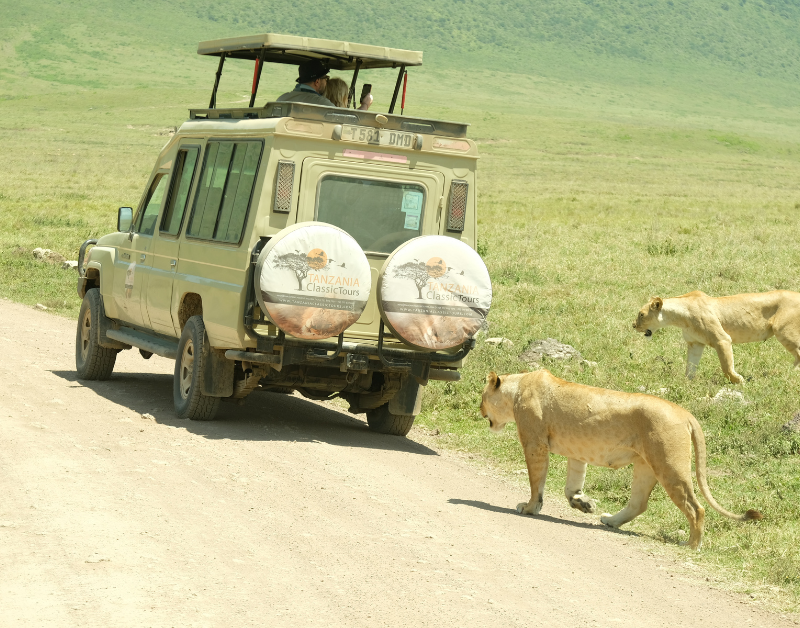
Safari holidays open up a world of adventure that's hard to match. It's not just a trip; it's a privileged experience that brings you face-to-face with the raw beauty of nature. When you opt for a private safari, you step into a tailored adventure that's completely focused on your preferences. Imagine driving through vast, open landscapes, eyes peeled for lions basking under the African sun or elephants lumbering near watering holes, without the buzz of crowded tour groups.
Private safaris offer a level of intimacy with nature that's unparalleled. You're not just another visitor; you're a guest who's been given the keys to explore the wilderness at your own pace. This means no fighting for the best view, no rushing from one spot to another to stick to a strict schedule, and no generic experiences. Instead, you get the freedom to linger in moments that matter most to you, whether it's watching a leopard stealthily approach its prey or a herd of zebras gracefully crossing the plains.
A private safari also means personalized service from start to finish. Your guide knows the terrain like the back of their hand and tailors the journey based on your interests. Fancy a sunrise drive to catch the savannah waking up? No problem. Want to spend an afternoon tracking rhinos? Consider it done. It's this bespoke approach that transforms a simple holiday into an unforgettable journey of discovery.
Choosing a private safari isn't just about exclusivity; it's about immersing yourself in the natural world in a way that's meaningful and authentic. It's a chance to connect with the earth's majestic creatures on your terms, making memories that last a lifetime.
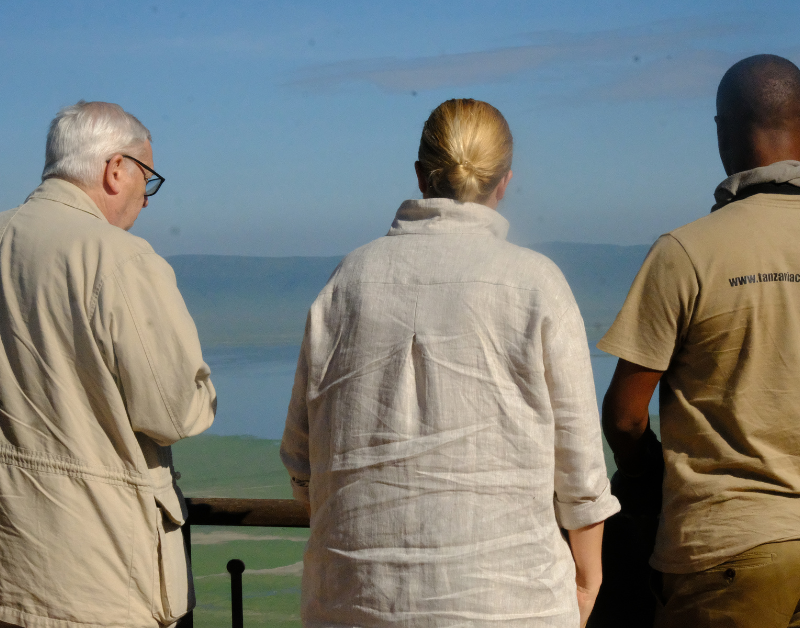
Private safari holidays give you an unrivaled wildlife experience far from the crowds. Imagine driving through the vast savannah with only your group, up close and personal with majestic lions, elegant giraffes, and towering elephants. Private safaris let you set your own pace. Want to spend an extra hour watching a pride of lions? You can. It’s all about what you and your group want, making each encounter more personal and memorable. For more info visit here!
Guides on private safaris are often more flexible and attentive, tailoring the journey to your interests. Whether you're a bird lover eager to spot rare species or a photography enthusiast aiming for that perfect wildlife shot, your guide makes it happen. Plus, these trips often stay at exclusive lodges or camps, ensuring comfort and solitude after a day of adventure.
Choosing a private safari means choosing an experience that's about quality over quantity, creating unforgettable memories in some of the world’s most spectacular wildlife destinations.
Going private on a safari isn't just about the luxury; it's about calling the shots on what you see, when you see it, and how close you get. Imagine having a guide all to yourself, ready to answer every question and cater to your curiosity, whether that's spending extra time watching a pride of lions or tracking a rare bird species.
Unlike group tours, where schedules are tight and you stick to a plan made for the many, private safaris let you tweak the day's agenda. Want to linger by a watering hole at dawn, waiting for elephants? You can. Eager for a sunset drive to catch the perfect light? It's all yours to decide. This customized approach not only increases your chances of intimate wildlife encounters but also ensures your journey feels personal, tailored just for you.
Going private on a safari means you're in for an experience tailored just for you and your crew. Think about it—no more jostling for space or fighting for the best view with dozens of other tourists. Here's the lowdown: First, you get a personal guide. This isn’t just any guide, but someone who’s all about making your safari unforgettable. They'll know where to find the elusive leopard or the best spot for a sunrise over the savannah. You say the word, and they make it happen. Second, flexibility is the name of the game.
Want to spend all day tracking lions? Or maybe you're more about catching every bird species in the park? On a private safari, your schedule is king. Start early, finish late, or take a break for a siesta—it's all good. Third, it’s all about intimacy and immersion. Without the buzz of a crowd, you get to learn more, feel more, and truly soak in the silence and majesty of the wilderness. This is the wild, unfiltered and uncensored.
Fourth, expect bespoke service. Your meals, your choice. Dietary restrictions or a craving for something special? Private safaris have you covered. And finally, the photographs. Without heads and shoulders in every shot, you're free to capture the beauty of the wild exactly how you see it. In essence, going private is about bringing your safari dreams to life, exactly how you pictured it, maybe even better.
When you choose a private safari holidays, you get the chance to shape your adventure just the way you want it. This means you're not tied to a fixed schedule or the preferences of a larger group. Instead, your trip is tailored to your desires, whether that's spending extra time watching a lion pride at rest or tracking a rare bird species.
You have the freedom to decide when you start your day, how long you stay out in the wilderness, and which spots you want to explore. This personal touch ensures that every moment of your safari is exactly what you hoped for, making the experience uniquely rewarding and deeply memorable. With a private safari, it's all about what you want to see and do, creating a journey that's as unique as you are.
Choosing a private safari gets you exclusive access to some of the world's most secluded and untouched wildlife habitats. Unlike public safaris packed with tourists, private safaris offer you a spot away from the crowds. This means you get to experience animals in their natural environments without the noise and interference that often come with large tour groups.
Imagine watching a pride of lions at sunrise or observing elephants by a quiet waterhole, without anyone else around to disrupt the moment. This kind of exclusivity enhances the quality of your wildlife sightings and makes for a truly intimate encounter with nature. It's the difference between being a spectator and immersing yourself in the wild, where you can take your time, observe, and connect deeply with the wildlife without the rush to move on to the next sighting.
Choosing a private safari holidays means you get expert guides who know their stuff. These guides bring the wild to life. They track animals with skill, understanding their habits and the best times to spot them. Not only do they guide you to breathtaking spots, but they also share stories and facts, making each encounter more meaningful. With these experts, you're not just seeing animals; you're learning their stories.
This connection turns a simple sighting into a personal experience. Beyond wildlife, these guides know the landscape like the back of their hand, ensuring you're always in the right place at the right time. Whether it's finding the perfect spot for sunrise or knowing where the wildest action happens, they've got you covered. So, yes, the right guide doesn't just lead the way, they elevate your entire safari adventure.
On private safari holidays, where you lay your head at night is part of the adventure. Accommodations range from luxury tents that feel like five-star hotel rooms under canvas to eco-lodges that blend into the natural surroundings so well you might wake up to a zebra browsing outside your window. Luxury tents often come with plush bedding, ensuite bathrooms, and private decks for sipping your morning coffee while watching the sunrise over the savannah.
Eco-lodges focus on sustainability, using materials and systems that minimize their impact on the environment. They're about immersing yourself in nature, with the comforts of home subtly woven in. Whether you're in a tent or a lodge, you're guaranteed intimacy with nature, unmatched privacy, and silence apart from the calls of the wild. The choice between luxury tents and eco-lodges depends on your personal preference for comfort versus immersion in nature, but both promise an unforgettable experience where the wild comes to you.
Choosing a private safari not only ensures an exclusive and intimate wildlife experience but also plays a crucial role in promoting conservation and ethical travel. When you opt for a private safari, you're directly supporting nature reserves and conservation efforts. The fees and costs associated with these safaris often go towards the upkeep of these protected areas and fund crucial conservation work.
This means that your travel choice contributes to the preservation of wildlife and their habitats. Moreover, private safaris uphold ethical travel standards by ensuring that tourism has a minimal impact on the animals and their environment. These safaris adhere to strict guidelines to prevent overcrowding and limit human-animal interaction, allowing for a respectful distance that protects both parties. By choosing a private safari, you're not just getting a tailor-made adventure; you're also casting a vote for sustainable and responsible tourism.
Frequently Asked Questions (FAQs)
Q1. What makes private safari holidays better for wildlife encounters?
A. Private safari holidays give you more freedom to explore at your own pace without following a fixed group schedule. You can spend extra time watching animals, choose better viewing spots, and enjoy a more personal wildlife experience.
Q2. Can private safaris improve the chances of seeing animals?
A. Yes, private safaris allow guides to adjust the route and timing based on recent animal activity. This flexibility can help you reach areas where wildlife sightings are more likely and make your trip more rewarding.
Q3. Are private safari holidays suitable for families and couples?
A. Private safaris are a great option for families and couples because they offer comfort, privacy, and a customized experience. Travelers can enjoy the journey together without sharing the vehicle with strangers.
Q4. What are the main benefits of having a private safari guide?
A. A private guide provides personalized attention and shares detailed knowledge about animals, nature, and local ecosystems. They can answer your questions and help you understand wildlife behavior better.
Q5. Are private safari holidays more comfortable than group safaris?
A. Yes, private safaris usually offer more comfort because you have control over your schedule, stops, and activities. You can enjoy peaceful wildlife viewing and create a safari experience that matches your interests.
Planning your private safari holidays doesn't need to be a puzzle. Here's how to make sure you get the most bang for your buck. First, book early to snatch up the best deals. Safari lodges and camps often offer early bird discounts. Next, decide what you want to see. Africa's vast, so whether it's the Great Migration in Tanzania or gorilla tracking in Uganda, choose your spot. Don't forget to research the best time to visit for these experiences.
Budget-wise, remember, private safaris aren't cheap, but the cost varies widely. It can depend on how luxurious you want your stay to be, the length of your safari, and the remoteness of the lodge. To possibly save some cash, consider traveling just outside peak seasons. The wildlife is still splendid, and the prices a bit friendlier. Lastly, booking through a reputable safari operator can make all the difference. They know the ins, the outs, and can tailor your trip to your dreams. So, get planning, and hit the wild in style.
Exploring the vast savannahs or navigating the lush forests on a safari is a thrilling experience. But as any seasoned traveler would tell you, dressing appropriately for the season can make all the difference. This guide will help you understand what Safari clothes to pack for your safari based on the season, ensuring a comfortable and appropriate adventure.
When the sun is blazing over the savannah, lightweight and breathable fabrics become your best friend. Opt for loose-fitting safari clothes made from natural fibers like cotton or linen to keep cool. Light-colored clothing not only reflects the sun’s rays but also helps in blending with the surroundings. Choosing neutral tones like khaki and beige can help you stay less conspicuous in the wild.
In the summer heat, it’s vital to stay comfortable and protected from the sun. Using high-performance materials that wick moisture away can keep you dry and fresh throughout your safari. Many safari travelers recommend clothing items that not only focus on functionality but also incorporate safari-inspired designs like tribal prints, which are both practical and stylish.
Footwear is equally important during a summer safari. Consider sturdy sandals or closed-toe shoes for added protection. For more info visit here!
The rainy season can turn a safari into a muddy affair, so it's essential to be well-prepared. Waterproof jackets and sturdy boots are a must. Choose quick-dry materials and pack extra safari clothes to stay dry and comfortable amidst sudden downpours.
During the rains, you should shift to darker, muted tones like olive green or dark brown which dry quickly and can mask dirt effectively. It's also wise to equip yourself with a compact rain poncho or waterproof jacket that doesn’t limit movement, allowing you to fully enjoy your adventure regardless of the weather.
Over-packing is a common mistake when preparing for a rainy safari. Consider a tight packing strategy that includes items like quick-dry shirts and multi-purpose trousers.
Winters in the wild can be chilly, especially during the early morning and late evening game drives. Layering is key: start with a thermal or snug base layer, topped with a warm fleece and a windproof jacket. Don’t forget a hat and gloves to keep the extremities warm.
In cooler months, being strategic about your layers not only helps keep you warm but also adapts to fluctuating temperatures. You could also look into packing some fleece-lined jackets and thermal insoles for shoes to keep the chill at bay. Such garments are particularly advisable if your safari involves early dawn movements or long, unanticipated waits in chilly spots.
You should still consider breathable materials even in winter, as you may warm up during more strenuous activities. Layering ensures that you can add or remove clothing as temperatures change throughout the day.
No matter the season, some accessories remain indispensable. A wide-brimmed hat, UV protection sunglasses, and sunscreen keep you shielded from the harsh sun. A small backpack to carry essentials and a scarf or bandana to shield from dust complete your ensemble.
Sunglasses are a staple for any safari, protecting your eyes from the sun's harsh glare. When paired with high SPF sunscreen, you're fully prepared for the sunniest days. Additionally, a reliable insect repellent is necessary to guard against mosquito bites, particularly in the warm, humid season.
Items such as binoculars, multi-function scarves, and compact day packs enrich your safari by ensuring comfort and preparedness. Binoculars let you experience thrilling wildlife from afar, while scarves help in managing dust and temperature.
Frequently Asked Questions (FAQs)
Q1. What clothes should I wear on a safari during the dry season?
A. During the dry season, lightweight and breathable clothes are the best choice for safari trips. Wear neutral-colored shirts, trousers, and comfortable shoes to stay cool and protected. A light jacket is also useful for chilly mornings and evenings.
Q2. Do I need different safari clothes for the rainy season?
A. Yes, the rainy season requires slightly different clothing choices. Waterproof jackets, quick-drying clothes, and sturdy shoes help you stay comfortable during wet weather. Layering your clothes is a good option because temperatures can change.
Q3. Are safari clothes different for summer and winter seasons?
A. Safari clothing changes depending on the temperature and weather conditions. Summer needs light cotton or moisture-wicking fabrics, while winter requires warmer layers for cold mornings. Choosing the right clothes makes your safari experience more enjoyable.
Q4. Which colors are best to wear on a safari?
A. Neutral colors like khaki, beige, brown, and olive green are commonly recommended for safaris. They help you blend into the natural environment and avoid attracting too much dust. Bright colors are usually avoided because they may disturb wildlife.
Q5. What essential clothing items should I pack for every safari season?
A. Some safari clothing items are useful in every season, including comfortable pants, breathable shirts, a hat, and sunglasses. A good pair of walking shoes and a light jacket should also be included. These basics help you handle different weather conditions easily.
While the thrill of a safari adventure remains constant, the apparel you choose must adapt to the season at hand. By planning your safari clothes according to the weather, you ensure a comfortable and enjoyable experience. From hot summers to cooler winters, being prepared will enhance the magic of your adventure.
Preparing for a zanzibar Beaches? Whether you're a seasoned traveler or this is your first tropical getaway, knowing what to pack can make or break your trip. Here’s a comprehensive list of must-have items to ensure you have a smooth and enjoyable beach experience.
Zanzibar’s warm, tropical climate calls for light, breathable clothing. Think cotton shirts, shorts, and flowy dresses that keep you cool while exploring the sandy shores.
When packing for Zanzibar beaches, it's important to consider the sun's intensity and the high humidity. Light-colored garments can reflect sunlight, helping you stay cooler. Additionally, fabrics like linen and rayon are great choices as they allow air to circulate freely, reducing the chances of discomfort and sweating. Don't forget to pack a light jacket or shawl for those cooler evenings or for when you might need extra coverage in more conservatively dressed areas.
Packing versatile pieces that you can mix and match will save you both space and effort. A couple of lightweight scarves can act as headcovers, wraps, or even beach cover-ups. Also, avoid heavy denim and tight clothing: stick with loose-fitting options that allow ease of movement and comfort. Overall, aim for a relaxed, beachy vibe while ensuring that your clothing serves its essential purpose. For more info visit here!
You can't hit the Zanzibar beaches without packing some stylish swimwear. Bring a couple of different options so you can always have a dry one handy.
Opt for a variety of swimsuits, whether it be bikinis, tankinis, or one-piece suits, so you're always ready for a quick dip in the ocean. It's also a good idea to pack a stylish cover-up that you can easily throw on when transitioning from the beach to a nearby café or beachfront bar.
Consider bringing swimwear made of quick-dry material. This not only ensures convenience but also comfort since you won’t have to wait long for your swimwear to dry under the tropical sun. Additionally, having an extra set of swimwear means you can wash one set and hang it to dry while wearing the other, keeping your beach rotation fresh and clean.
The sun in Zanzibar can be intense, so sun protection is crucial. Pack a high-SPF sunscreen, a wide-brimmed hat, sunglasses, and maybe even a rash guard for extra coverage.
Remember, reapplying sunscreen every two hours, especially after swimming or sweating, is key to maintaining skin protection. A lip balm with SPF can also protect your lips from getting sunburned. If you've got kids traveling with you, opt for sunscreens specifically formulated for their sensitive skin. Don't overlook the importance of a good pair of UV-protected sunglasses to protect your eyes from the harsh rays.
A light, long-sleeved shirt or a beach umbrella can offer added layers of sun protection while relaxing on the beach. The benefits of sun protection extend beyond preventing sunburn: they play a crucial role in protecting your skin from long-term damage and reducing the risk of skin cancer. Thus, layering your sun protection strategy can help you enjoy your beach day without worries.
Capture all your beach memories without worrying about water damage. A waterproof phone case is an essential accessory for any beach lover.
These cases not only keep your device safe from water but also from sand, which can be equally damaging. Some waterproof cases even allow you to take photos and videos underwater, making them perfect for those who want to document their snorkeling or swimming adventures. The convenience they offer means you won’t have to leave your phone behind in your beach bag while taking a dip, giving you peace of mind and more freedom.
Zanzibar's marine life is incredible. If you plan on snorkeling, consider bringing your own gear to ensure comfort and hygiene.
Having your own mask, snorkel, and fins can enhance your snorkeling experience by providing a perfect fit. Rentals may not always offer the best quality or the ideal fit, which can sometimes lead to an uncomfortable experience. Bringing your own gear, tailored to your preferences, ensures that you can fully immerse yourself in Zanzibar's vibrant underwater world without any interruptions.
Between sandy Zanzibar beaches and cobblestone streets, you’ll need comfortable footwear. Think flip-flops for the beach and sturdy sandals or walking shoes for exploring.
Water shoes can also be a great addition to your packing list. They protect your feet from sharp rocks and sea urchins while giving you better traction in the water. Additionally, packing a lightweight pair of sneakers can be handy for any spontaneous hikes or more extensive exploration around the island. Comfortable and practical footwear ensures you can enjoy all activities without any discomfort or injury.
Staying hydrated is key when spending long days under the sun. A reusable water bottle is eco-friendly and ensures you always have water on hand.
Many hotels and establishments in Zanzibar offer filtered water stations, so having your reusable bottle means you can fill up as needed, keeping plastic waste to a minimum. An insulated bottle can keep your water cool for longer periods, making it even more refreshing during hot beach days. Sustainability and practicality go hand in hand with this essential item.
A sturdy beach bag will carry all your essentials—towel, sunscreen, book, and water bottle. Choose one that’s sand-resistant and easy to clean.
Size matters when it comes to choosing the perfect beach bag. A slightly oversize bag with multiple compartments can help you organize your items better, ensuring that you have a spot for everything. Waterproof linings or compartments add an extra layer of protection, particularly for electronics and valuables, making sure they stay dry and safe.
Consider a bag with a zippered top to keep your belongings secure and sand-free. Some beach bags come with built-in cooler sections, which can be ideal for keeping your snacks and drinks chilled. Ultimately, a reliable beach bag should combine functionality with style, complementing your beach attire while serving its purpose.
Q1. What are the most important items to pack for Zanzibar beaches?
A. For a Zanzibar beach trip, you should pack lightweight clothes, swimwear, sunscreen, sunglasses, and a hat. These items help protect you from the tropical sun and keep you comfortable. A beach towel and waterproof bag are also useful.
Q2. Do I need to bring special clothing for Zanzibar?
A. Yes, it is better to pack light and breathable clothes because Zanzibar has a warm and humid climate. Cotton shirts, loose pants, and beachwear are ideal for daytime. Also carry modest clothing for visiting local villages or cultural places.
Q3. Should I pack water shoes for Zanzibar beaches?
A. Water shoes can be helpful, especially if you plan to explore rocky areas or coral beaches. They protect your feet from sharp stones and sea urchins. They are also useful for snorkeling and water activities.
Q4. What type of sunscreen should I take to Zanzibar?
A. A high SPF sunscreen is recommended because Zanzibar receives strong sunlight throughout the year. Choose a water-resistant sunscreen if you plan to swim. Reapplying it regularly will help protect your skin from sunburn.
Q5. Is it necessary to carry a first aid kit for a Zanzibar trip?
A. A small first aid kit is a good idea when traveling to Zanzibar. Include basic medicines, insect repellent, bandages, and any personal medication you need. It helps you handle small issues during your beach holiday.
Explore the wild beauty of Tanzania Safari through our expertly curated safari tours and packages. Whether you are seeking the thrill of witnessing the Great Migration or relaxing in the serene landscapes, Tanzania has something for every adventurer. Join us as we dive into the heart of Tanzania's most captivating safari experiences.
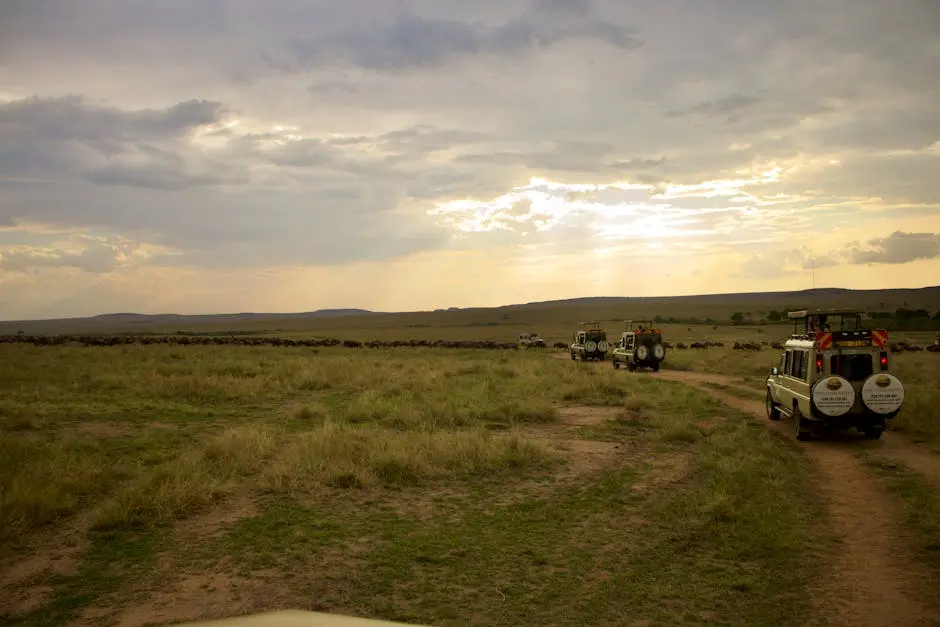
Discover why Tanzania is considered one of the best destinations for safari enthusiasts. From its diverse wildlife to iconic national parks, learn what sets Tanzania apart.
Choosing Tanzania for your safari adventure opens a door to one of Africa's premier wildlife spectacles. The country's diverse ecosystems, sprawling savannahs, and rich biodiversity make it a top choice for adventurers seeking to witness nature in its most raw and unspoiled form. With almost 40% of Tanzania's land protected for conservation, it's no wonder that the country teems with an abundance of wildlife, including the famed Big Five—lions, leopards, elephants, rhinos, and buffaloes. The breathtaking landscapes of Tanzania offer a perfect backdrop for these majestic creatures, from the golden plains of the Serengeti to the lush depths of the Ngorongoro Crater. For more info visit here!
Tanzania also boasts several UNESCO World Heritage Sites, such as the Serengeti National Park and the Ngorongoro Crater, which together provide some of the most spectacular wildlife viewing on earth. Each year, millions of animals partake in the Great Migration, a dramatic event where massive herds of wildebeest, zebra, and gazelles traverse the Serengeti and into Kenya’s Maasai Mara in search of greener pastures. Timing your visit to coincide with this breathtaking phenomenon can elevate your safari experience to new heights, offering unrivaled opportunities for wildlife photography and close encounters with nature’s greatest showcase.
Delve into the stunning landscapes and abundant wildlife of Tanzania's top national parks including Serengeti, Ngorongoro Crater, and Tarangire National Park.
Among the many parks that Tanzania has to offer, the Serengeti National Park stands out as a hallmark of the African safari experience. Known primarily for the Great Migration, the Serengeti’s vast and varied landscapes also host a wide array of other wildlife, making it an all-year destination for animal enthusiasts. Meanwhile, Ngorongoro Crater, referred to as the 'Eighth Wonder of the World', is a natural amphitheater teeming with wildlife, where visitors can spot the Big Five along with other species dwelling within its lush confines.
A visit to the less crowded Tarangire National Park offers a contrasting yet equally enchanting experience. Known for its massive elephant herds and ancient baobabs, the park also captivates bird watchers with over 500 bird species recorded. Places like Lake Natron, famous for its mesmerizing soda flats and flamingoes, add to the diverse array of parks within Tanzania, providing a unique and varied safari adventure for every type of traveler.
Witness the awe-inspiring Great Migration as millions of wildebeest and zebras move through the Serengeti. Learn the best times and locations to experience this natural wonder.
The Great Migration, one of the planet’s most spectacular wildlife events, takes place annually as millions of wildebeest, along with zebra and gazelle, migrate across the Serengeti-Mara ecosystem. This epic journey, which follows the seasonal rains, moves in a continuous clockwise loop, drawing a dramatic pursuing parade of predators such as lions, hyenas, and crocodiles. To catch the most of this spectacle, timing is critical. The herds typically begin massing in the Serengeti from November, staying in its southern reaches through March for calving season. April to May brings the long rains, prompting the creatures to progress northward, peaking near the Mara River around July – a prime time for observing exhilarating river crossings.
A safari focused on the Great Migration can be a once-in-a-lifetime chance to witness nature’s raw power, with tours offering close-up views of this cyclical spectacle amidst Tanzania’s picturesque plains. Lodges and camps in the Serengeti are strategically located to offer the best vantage points for migration viewing, adapting their positions to align closely with the movement of wildlife. Choosing a Tanzania safari package that includes the Great Migration is an excellent way to ensure you don't miss a moment of this remarkable journey. Whether from the seat of a 4WD safari vehicle or a hot air balloon, every viewing angle provides a unique perspective on one of nature’s most impressive feats.
Explore the variety of safari packages available, from luxury to budget-friendly options, designed to cater to the unique desires and needs of each traveler.
Tanzania Classic Tours offers a vast array of safari packages tailored to meet the diverse needs of their clientele, catering to families, solo travelers, and luxury seekers alike. Their luxury safari options provide opulent lodges and unparalleled service for those craving indulgence within the wilderness. Meanwhile, budget-friendly packages ensure everyone has the opportunity to experience the magic of a Tanzania safari regardless of financial constraints. Every package includes carefully curated itineraries to maximize game viewing and cultural interactions, ensuring a comprehensive Tanzanian experience.
For those who prefer more control over their adventure, organizing a private, customized safari is the perfect choice. Personalize your journey by selecting the parks you wish to visit, preferred accommodations, and activities for an intimate connection with the landscape and its inhabitants. Made for flexibility, these bespoke itineraries offer you the freedom to explore Tanzania at your own pace while benefiting from the expertise of seasoned guides and seamless logistics arranged by professional tour operators.
Enhance your safari experience by engaging with the rich cultural tapestry of Tanzania. Meet the Maasai and other local communities for a truly immersive journey.
In Tanzania, a safari is not just about the wildlife. The country's rich cultural landscape offers travelers the chance to learn about the myriad ethnic groups that call this land home. The Maasai people, with their distinctive dress and rhythmic songs, are perhaps the most iconic. A visit to their villages can provide insights into their traditional way of life and the symbiotic relationship they maintain with the environment. Beyond the Maasai, engaging with other communities, such as the Hadzabe bushmen, offers perspectives on different ways of life, adding depth to an already enriching experience.
Such cultural exchanges are often included in broader safari packages, giving participants the opportunity to meet local artisans and craftspeople, partake in traditional dance and song, and even join in daily tasks like herding or crafting. This blending of cultural immersion with wildlife exploration helps make Tanzania a destination where visitors do not just observe from a distance but become part of the life unfolding around them, creating memories and connections that linger long after the safari ends.
Prepare for your safari with practical tips on what to pack, when to travel, and how to stay safe while enjoying the wonders of Tanzania’s wilderness.
Before you embark on your Tanzanian safari, a bit of preparation ensures an utterly enjoyable experience. Packing essentials include light, breathable clothing in neutral tones, which helps keep you cool under the sun and enhances your capability for wildlife spotting without disturbing the animals. Bringing a quality pair of binoculars and a reliable camera is advisable to capture those unforgettable moments. It’s also prudent to partake in health precautions, including required vaccinations and malaria prophylaxis, helping you stay safe and healthy during your adventure. Consulting your healthcare provider in advance is a solid measure to ensure peace of mind on your journey.
Timing your visit is vital, with different seasons offering varied opportunities. The dry season from late June to October typically provides the best conditions for wildlife viewing, while the green season attracts migratory birds and offers lush, scenic backdrops. Understanding these dynamics can help you decide when to go for maximizing your experiences. Paying attention to practical travel advice from seasoned operators and guides ensures navigational ease and an all-around rewarding safari.
Q1. What is included in Tanzania Safari Tours & Packages?
A. Tanzania Safari Tours & Packages usually include game drives, park entry fees, accommodation, and transport during the safari. Many packages also include meals and the services of an experienced safari guide. The exact inclusions depend on the type of package you choose.
Q2. What is the best time to go on a Tanzania safari?
A. The best time for a Tanzania safari is usually during the dry seasons from June to October and January to March. During these months, wildlife is easier to spot around water sources. However, every season offers a unique safari experience.
Q3. Which animals can I see on a Tanzania safari?
A. A Tanzania safari gives you the chance to see lions, elephants, giraffes, zebras, buffalo, and many other wildlife species. You may also experience the famous Great Migration in the Serengeti. Each national park offers different wildlife highlights.
Q4. How long should a Tanzania safari tour be?
A. The ideal Tanzania safari duration depends on your travel plans and budget. Most travelers choose trips between 5 to 10 days to explore multiple parks. Longer safaris allow more time for wildlife viewing and relaxation.
Q5. Are Tanzania Safari Tours & Packages suitable for families?
A. Yes, many Tanzania Safari Tours & Packages are suitable for families with children. Tour operators can arrange family-friendly lodges, flexible schedules, and safe safari activities. A well-planned safari can be an unforgettable family adventure.
Tanzania safari tours offer a gateway to unforgettable wildlife encounters and breathtaking natural beauty. Whether you're a seasoned traveler or a first-time visitor, Tanzania's classic tours promise enriching experiences that will leave you with lasting memories. Pack your sense of adventure and let the wonders of Tanzania unfold before you.
Tanzania, a land of breathtaking landscapes and diverse wildlife, is also home to a rare and dazzling gemstone: Tanzaanite. Nestled at the foothills of Mount Kilimanjaro, Tanzanite (blue zoisite) is a must-see for travelers and gem enthusiasts alike. Join us as we explore the captivating allure of blue zoisite and how you can discover this unique treasure on your Tanzanian adventure.
The enthralling history of Tanazanite begins near Mount Kilimanjaro, where the gemstone was first discovered in 1967. The vivid blue stone, named after its homeland, Tanzania, has a unique charm that remains unrivaled. According to Tanazanite Meaning, Powers and History, this dazzling gemstone originated from zoisite and owes its breathtaking color to vanadium. With only one known deposit in the world, blue zoisite is among the rarest gems, adding to its allure and exclusivity. For more info visit here!
blue zoisite is a relatively young gem in the world's market, enhancing its mysterious appeal. It is found exclusively in a small area in northern Tanzania, a mere 4 by 2 kilometer region. This limited locale further intensifies Tanazanite's rarity, which blue zoisite Mining says yields gems in smaller quantities compared to traditional gemstones like diamonds. Despite this, its rich, vibrant hues continue to captivate collectors and enthusiasts worldwide.
Immerse yourself in the vibrant culture of Tanzania while searching for blue zoisite. The most authentic experience can be found near the Mererani Hills, known for their high-quality gems. The Taanzanite Museum in Arusha offers an enlightening journey into blue zoisite's history and properties. Moreover, various shops across Tanzania provide ethically sourced gemstones, ensuring both quality and sustainable purchasing decisions.
Complementing this adventurous blue zoisite hunt, consider experiencing a 3 Nights Zanzibar Beach Stay that brings you face to face with local spice farms and cultural flavors. As you explore these treasured locations, you'll not only find blue zoisite but connect deeply with Tanzania's diverse cultural tapestry.
Identifying real blue zoisite from counterfeits requires careful observation and understanding of its unique properties. blue zoisite is well-known for its distinct pleochroism – the ability to display different colors like blue, violet, and burgundy when viewed from different angles. According to Taanzanite Gemstones, natural blue zoisite typically presents a captivating violet-blue hue under natural light, helping prospective buyers spot imitations.
blue zoisite plays a crucial role in Tanzania's cultural narrative. The gemstone's enchanting hues are deeply tied to Maasai traditions, often symbolizing new life and prosperity. Women of the Maasai tribe traditionally wear blue beads, akin to Tanazanite's history, believing it brings positive energy and vitality to new mothers and their newborns. Such widespread cultural integration highlights Tanzanite's significance far beyond its physical rarity.
Responsible purchasing ensures your blue zoisite's authenticity and supports ethical practices in its acquisition. Look for sellers committed to fair trade, often indicated by partnerships with local communities. According to Tanzaanite Prices & Value, understanding the gem's market value and quality grading can empower you as a buyer to make informed decisions, contributing positively to the local Tanzanian economy and conserving its natural resources.
Before embarking on this vibrant journey through Tanzanian wonders, why not explore a Zanzibar Beach Tour 5 Days itinerary that offers a serene escape amid magnificent beaches and spice tours? This perfect blend of relaxation and adventure complements your trip, reinforcing the wondrous nature of Tanzania's rich offerings, both onshore and offshore.
Q1. What is Tanzanite and why is it famous?
A. Tanzanite is a rare blue gemstone found only in Tanzania near Mount Kilimanjaro. It is famous for its unique color, rarity, and beautiful shine. Many travelers buy it as a special memory of their Tanzanian journey.
Q2. Where can I find genuine Tanzanite in Tanzania?
A. You can find genuine Tanazanite in authorized gemstone shops and markets in Tanzania, especially in areas like Arusha. Trusted sellers provide certificates to confirm the quality and authenticity of the stone. Always check the details before buying.
Q3. How can I know if Tanazanite is real?
A. Real Tanazanite usually has a deep blue or violet color and comes with a certification from a reliable source. Fake stones may look similar but often lack proper documentation. Buying from reputable dealers helps ensure authenticity.
Q4. Is Tanzanite a good souvenir to buy during a Tanzania trip?
A. Yes, Tanazanite is one of the most meaningful souvenirs from Tanzania because it represents the country’s natural beauty. It is lightweight, valuable, and available in different cuts and sizes. Many visitors choose it as a lasting travel keepsake.
Q5. What should I consider before purchasing Tanazanite?
A. Before buying Tanazanite, consider the stone’s color, clarity, cut, and certification. Compare options from different sellers and ask about the gemstone’s origin. A careful choice helps you get a beautiful and genuine piece.
Tanzania offers not just an encounter with the majestic Tanzanite but an experience filled with culture, history, and natural beauty. As you embark on this journey, you're not just collecting a gemstone, but stories and memories that last a lifetime. Be sure to bring a piece of blue zoisite home as a stunning reminder of your unforgettable Tanzanian journey.
Embarking on a safari holidays in the Serengeti is an unforgettable experience, offering a unique blend of adventure, natural beauty, and wildlife spectacles. This guide provides insights into planning your trip, what to expect during your safari, and tips to make your journey through one of Africa's most iconic landscapes as memorable as possible.
The Serengeti, stretching across Tanzania into Kenya, is a testament to nature's synchronised beauty and raw power, underscored by the Great Migration. This annual event sees over a million wildebeest, zebra, and gazelle traverse its plains in search of fresh pasture, presenting nature's drama on a cinematic scale. Beyond the migration, Safari Holidays in the Serengeti vast, open landscapes offer a sanctuary to elephants, giraffes, lions, and more, making every safari holiday here a deeply moving encounter with the wild.
Not just the animals, but the Serengeti itself changes with the seasons. From the golden hues of the dry season to lush green expanses after the rains, this dynamic environment ensures no two safaris are the same. Such seasonal transformations also influence the types of wildlife you're likely to see, offering variations that appeal to repeat visitors and first-timers alike, ensuring the Serengeti's place as a premiere safari destination. For more info visit here!
Deciding when to visit during Safari Holidays in the Serengeti can be as crucial as choosing where to stay. The dry months between June and October offer the best wildlife viewing opportunities, as animals gather around waterholes and riverbanks. This period coincides with the dramatic river crossings of the Great Migration, a spectacle not to be missed. Conversely, the wet season from November to May brings about the calving season, a period of new beginnings in the animal kingdom, and the landscape comes alive with a vibrant palette of greens.
Safari holidays in the Serengeti can range from luxurious escapades in exclusive lodges to more intimate tented camps that get you closer to nature. Mobile camps that follow the migration offer an unrivaled experience for those looking to witness this natural phenomenon firsthand. Meanwhile, guided walking safaris and night drives provide a different perspective on the Serengeti, revealing the nuanced behaviors of nocturnal species and the intricate ecosystems at play.
Packing for a safari requires careful consideration, focusing on versatility and comfort. Lightweight, breathable clothing in neutral colors is advisable to blend with the natural environment and regulate temperature in Africa's sometimes extreme conditions. Additionally, a quality pair of binoculars and camera are indispensable for wildlife enthusiasts keen on capturing the Safari Holidays in the Serengeti teeming life in detail. Don't forget a broad-brimmed hat and high SPF sunscreen to protect against the equatorial sun.
While many imagine safaris to be constant, action-packed adventures alongside Africa's Big Five, reality offers a more nuanced experience. Safari-goers learn the value of patience, often waiting quietly for hours to witness moments of genuine wildlife interactions. These moments of anticipation, set against the backdrop of the Serengeti's vast landscapes, foster a deep connection with nature, turning what might initially be seen as downtime into an opportunity for reflection and admiration of the natural world.
The Safari Holidays in the Serengeti is a biodiversity hotspot, home not just to the famous Big Five – lion, leopard, rhinoceros, elephant, and Cape buffalo – but to over 500 species of birds and countless other animal species. This diversity ensures the Serengeti remains one of the most fascinating places on earth for nature lovers. Each creature, from the smallest insect to the towering giraffe, plays a role in the Serengeti's complex ecosystem, maintaining a delicate balance that has evolved over millennia.
As visitors to these pristine landscapes, tourists play a crucial role in conservation efforts. Choosing eco-friendly safari operators, adhering to park rules, and minimizing one's environmental footprint are steps everyone can take to ensure the Safari Holidays in the Serengeti continues to thrive. Responsible tourism supports local communities and contributes to the ongoing protection of wildlife, ensuring future generations can also experience the awe-inspiring beauty of the Serengeti.
Photographing the Serengeti's landscapes and wildlife presents a unique challenge and reward. Early morning and late afternoon provide the best natural light for capturing the vivid colors and dramatic shadows of the savanna. A telephoto lens is essential for close-ups of wildlife, while a wider angle can capture the expansive horizons. Patience and respect for the animals' space and habits not only ensure personal safety but also result in more natural, compelling compositions.
Accommodations during Safari Holidays in the Serengeti cater to a variety of preferences and budgets, from luxurious lodges with all the amenities of a top-tier hotel to eco-friendly camps that offer an immersive bush experience. Staying in a tented camp can provide a sense of adventure and a closer connection to the sounds and rhythms of the African night. Regardless of where you stay, the hospitality found in the Serengeti ensures a comfortable, welcoming base from which to explore the surrounding wilderness.
A Safari Holidays in the Serengeti is also an opportunity to engage with local tribes such as the Maasai, who have lived in harmony with the land for centuries. Cultural tours offer insight into traditional ways of life, from pastoral practices to artisan crafts, providing a richer understanding of the region's heritage. Respectful interaction with these communities supports local economies and fosters mutual respect between tourists and host cultures, bridging worlds through shared experiences.
Adventuring into the wilds of the Serengeti demands preparation for both expected and unforeseen circumstances. Comprehensive travel insurance, vaccinations, and an understanding of local health advisories ensure a safe journey. Guides and tour operators are versed in the region's conditions, offering seasoned advice on everything from hydration to avoiding insect bites. With these precautions in place, travelers can relax and immerse themselves fully in the unique serenity and excitement of a safari holiday.
Q1. What is the best time to visit the Serengeti for a safari holiday?
A. The best time to visit the Serengeti depends on what you want to see. The dry season from June to October is ideal for wildlife viewing because animals gather around water sources. The Great Migration is usually a major attraction during certain months of the year.
Q2. What animals can I see during a Serengeti safari holiday?
A. A Serengeti safari offers the chance to see lions, elephants, giraffes, zebras, cheetahs, and many other species. The region is also famous for the Great Migration, where millions of wildebeest and zebras move across the plains. Bird lovers can also enjoy hundreds of bird species.
Q3. How many days are enough for a Serengeti safari?
A. A 3 to 5-day safari is usually enough to explore the Serengeti and experience its wildlife. Longer trips allow you to visit different areas of the park and increase your chances of spotting rare animals. The duration can be adjusted based on your travel plans.
Q4. Is a Serengeti safari holiday safe for travelers?
A. Yes, Serengeti safari holidays are generally safe when planned with experienced guides and trusted tour operators. Guides understand animal behavior and follow park safety rules. Visitors should always follow instructions during game drives and lodge stays.
Q5. What should I pack for a Serengeti safari holiday?
A. Pack lightweight clothing, comfortable shoes, sunscreen, a hat, and a good camera for your safari adventure. Neutral-colored clothes are recommended for game drives. Binoculars are also useful for spotting animals from a distance.
A safari holidays in the Serengeti is more than just a trip; it's an immersive experience into the heart of the wild, offering unparalleled opportunities to witness nature in its most unspoiled form. With careful planning, an open mind, and respect for the natural world, you're set to have an adventure of a lifetime. Let the call of the wild guide you to the untamed landscapes of the Safari Holidays in the Serengeti for a journey you'll never forget.
Planning a trip to Zanzibar is an exciting adventure filled with vibrant culture and breathtaking landscapes. However, amidst all the excitement, it's essential not to overlook the importance of travel insurance. In this blog, we'll explore why Zanzibar travel insurance should be a fundamental part of your vacation planning, ensuring you enjoy peace of mind while you soak in the sun.
Travel insurance is not just a luxury; it is a necessity when embarking on any adventure, particularly to a stunning destination like Zanzibar. Many travelers underestimate the unpredictability of travel, believing that mishaps are unlikely. However, as anyone who has encountered travel delays, lost luggage, or sudden health issues can attest, the unexpected can and often does happen. Having a safety net in the form of travel insurance can make a world of difference.
Moreover, travel insurance offers not only financial protection but also a peace of mind that enhances the overall experience. With the assurance that you're covered for various scenarios, you'll find it easier to immerse yourself in Zanzibar’s rich culture and pristine beaches without the constant worry of what could go wrong. For more info visit here!
Understanding the intricacies of travel insurance can empower travelers. The knowledge that you have a safety net can transform your trip from merely enjoyable to truly relaxing, as you explore the island's enchanting landscapes and vibrant markets.
Traveling to Zanzibar, while exciting, does come with its share of risks. From unexpected health issues sweeping through tropical destinations to logistical problems stemming from the remote nature of some locations, it's imperative to consider what could potentially go wrong. Malaria and other tropical diseases are real threats in Zanzibar, and having travel insurance can ensure access to necessary medical treatment without the burden of exorbitant out-of-pocket costs.
In addition to health risks, travelers might encounter issues relating to travel logistics, such as flight cancellations due to weather conditions or overbooking. The tranquility of the island can quickly be overshadowed by stress if you're stuck in transit or worse, stranded. Insurance can cover these unexpected expenses, which adds another layer of comfort to your journey.
Finally, the threat of theft or loss cannot be ignored. Theoretically, sunny beaches and vibrant local markets may seem devoid of danger, but incidents of petty theft, such as pickpocketing, occasionally occur. With Zanzibar travel insurance, you'll be better equipped to handle these mishaps, allowing you to continue enjoying your vacation without overwhelming concern for your valuables.
Zanzibar travel insurance packages can vary widely, but most fall under a common umbrella of essential coverage. These policies typically include trip cancellation or interruption, allowing you to recoup losses if you need to adjust your travel plans. This means that if an emergency arises, you won’t have to bear an overwhelming financial burden.
Another critical aspect often covered is emergency medical expenses. While many travelers assume they can simply rely on their home health insurance, such policies rarely extend overseas. Having travel insurance means that you are covered for medical emergencies that may occur while you're on the island, including hospitalizations or evacuations.
Lost or stolen belongings represent another area where travel insurance provides crucial aid. Many policies will reimburse travelers for the financial loss sustained through theft or damage to personal items like luggage or electronics, making it easier to recover and continue a stress-free vacation.
Lastly, many insurance policies also include coverage for personal liability. Should you accidentally cause harm to someone or damage property, this coverage protects you from substantial liability claims, securing your finances and allowing you to enjoy your holiday with greater peace of mind.
When it comes to selecting the right travel insurance for Zanzibar, a thorough comparison is essential. There are multiple providers, each offering different coverage options and premium rates. Start by assessing your particular needs. For example, if you're planning adventurous activities like scuba diving or kite surfing, ensure that your selected plan covers those high-risk activities.
Carefully read the fine print before making your choice. Definitions matter; what’s included in one policy may be excluded in another. Look for coverage limits on medical expenses, trip cancellation, and personal belongings. This diligence can protect you from any unfortunate lapses in coverage.
Also, consider customer reviews. Previous travelers’ experiences with claims processing can shed light on how worthwhile a policy might be in practice versus in theory. A policy might sound superb until a traveler describes a nightmare situation with claims.
Lastly, don’t hesitate to consult with an insurance agent, especially if you’re unsure about what type of coverage suits your travel itinerary best. They can tailor options specific to your plans, ensuring a smoother experience.
Filing a claim while traveling can feel daunting, but understanding the process can make it simpler. First and foremost, always keep a record of your insurance policy number and the contact details of your provider. This documentation will be crucial if a situation arises that requires you to file a claim.
In the event of a claim, whether it's a medical emergency, loss of baggage, or trip cancellation, promptly contact your insurance provider. Most companies allow you to initiate the process over the phone or online. Be sure to take note of the reference numbers, as they will help you track your claim’s progress.
Collect all necessary documentation as well, including receipts, police reports (in the case of theft), and any medical records. These documents will support your claim and expedite the approval process.
It's also imperative to adhere to your provider’s timeline regarding the submission of claims. Many insurance companies have strict deadlines by which claims must be reported and filed. Familiarizing yourself with these timelines can save you from experiencing the frustration of a denied claim.
There are countless traveler stories that underline the invaluable nature of travel insurance. For instance, one traveler recounts a trip to Zanzibar that took an unexpected turn when a sudden medical emergency arose. Without the safety net of insurance, the exorbitant medical bills would have been financially crippling. Instead, they were able to focus on recovering, while their insurance took care of the expenses.
Another memorable account involved lost luggage. A couple traveling to Zanzibar for their honeymoon arrived at the exotic island only to find their luggage missing. Panic set in as they prepared for a week of exploring; however, because they had opted for a comprehensive insurance plan, they filed a claim and were quickly reimbursed for essentials. This allowed them to enjoy their vacation rather than worry about whether their belongings would ever turn up.
These stories of fortune can resonate with any traveler, serving as cautionary tales underscoring why having Zanzibar travel insurance is not just a good idea; it's a necessity. The experiences of those who didn’t take the time to secure coverage often illustrate what could go wrong, but those with insurance weave a different narrative—one of peace, adventure, and lasting memories.
Q1. Why do I need travel insurance for a Zanzibar vacation?
A. Travel insurance helps protect you from unexpected problems during your Zanzibar trip, such as medical emergencies, flight delays, or lost luggage. It gives you peace of mind so you can enjoy your vacation without worrying about unexpected expenses.
Q2. Does Zanzibar travel insurance cover medical emergencies?
A. Yes, most Zanzibar travel insurance plans include coverage for medical emergencies, hospital visits, and treatment costs. This is especially important when traveling abroad where healthcare expenses can become expensive.
Q3. Can travel insurance cover trip cancellations to Zanzibar?
A. Yes, travel insurance can help cover non-refundable costs if you need to cancel your Zanzibar vacation due to covered reasons. It may also provide support for delays or interruptions during your journey.
Q4. Is travel insurance required when visiting Zanzibar?
A. Travel insurance requirements can depend on your nationality and current travel rules. Even when it is not mandatory, having insurance is highly recommended to protect yourself from unexpected travel issues.
Q5. What should I look for in Zanzibar travel insurance?
A. Choose a plan that includes medical coverage, emergency assistance, trip cancellation, and baggage protection. A good policy should match your travel needs and provide reliable support throughout your vacation.
In conclusion, securing Zanzibar travel insurance not only protects you from unforeseen circumstances but also enhances your overall travel experience. With the right coverage, you can focus on creating unforgettable memories without the worry of what might happen if things go wrong.
Planning a Tanzania safari for 2026? You're in the right place! In this comprehensive guide by Tanzania Classic Tours, we'll explore the best tours, top attractions, and essential tips to make your adventure unforgettable. From the breathtaking landscapes of the Serengeti to the majestic peaks of Mount Kilimanjaro, let's dive into the wonders that await you in Tanzania.
Tanzania is home to some of the most stunning national parks and diverse wildlife in Africa. With its rich culture, breathtaking landscapes, and the renowned Great Migration, it's a dream destination for safari enthusiasts. One of the most compelling reasons to choose Tanzania is the sheer diversity of experiences it offers. Whether you're keen on witnessing the awe-inspiring wildebeest migration in the Serengeti or exploring the unique ecosystem of the Ngorongoro Crater, Tanzania never disappoints.
Another reason to opt for a Tanzania safari is its accessibility to some of Africa's most iconic landmarks. For instance, Mount Kilimanjaro, Africa's highest peak, stands as a solitary sentinel watching over the vast savannah. Climbing this iconic mountain is a bucket-list experience for many adventurers. Additionally, the country is home to lush forests, extensive river systems, and majestic Lake Victoria. Each of these natural wonders contributes to a rich tapestry of ecosystems, offering visitors varied ways to immerse themselves in nature.
Cultural richness is yet another compelling factor. Tanzania is home to over 120 different ethnic groups, each with its unique traditions and way of life. Visitors can learn about the Maasai people by visiting their villages and experiencing their vibrant traditions firsthand. This fascinating mix of wildlife, landscapes, and cultures makes Tanzania an unparalleled destination for a safari adventure. For more info visit here!
From the vast plains of the Serengeti to the unique Ngorongoro Crater, explore top destinations that should be on your itinerary for an unforgettable Tanzania safari experience. Starting with Serengeti National Park, this UNESCO World Heritage Site is known for its annual wildebeest migration. Over two million animals, including wildebeests, zebras, and antelopes, traverse the expansive plains, making it a spectacular sight for safari-goers.
Another must-visit is the Ngorongoro Crater. Often referred to as the 'eighth wonder of the world,' this massive volcanic caldera is home to incredible wildlife, including the Big Five – lions, leopards, elephants, rhinos, and buffaloes. The crater also offers breathtaking viewpoints, giving visitors stunning vistas of this unique ecosystem.
Tarangire National Park is less known but equally captivating. Famous for its massive baobab trees and large elephant herds, this park also offers the unique opportunity to see tree-climbing lions. Birdwatchers will be delighted by the wide variety of bird species that inhabit the park.
Lastly, don't forget about Lake Manyara National Park. Known for its tree-climbing lions and thousands of flamingos that reside along its shores, it's a paradise for those looking to explore a lesser-known but no less splendid natural wonder. The park's diverse habitats make it ideal for game viewing and even forest walks.
Understanding the best time to visit Tanzania can greatly enhance your safari experience. Learn about the different seasons, wildlife viewing opportunities, and weather conditions throughout the year. Generally, the dry season, from late June to October, is ideal for a safari. During this time, the vegetation is sparse, and animals gather around water sources, making them easier to spot.
The wet season, from November to May, offers its own set of advantages. Although the long rains from March to May can make some roads impassable, this period sees fewer tourists, meaning lesser crowds and potentially lower prices. Additionally, the landscape is lush and green, and this is the best time for bird watching, as migratory birds are present during these months. The Great Migration also starts towards the end of this period, specifically from late January to March, when the calving season begins.
For a unique experience, consider visiting during the shoulder seasons (late January to early March and late June to October). These periods offer a good balance between fewer tourists and favorable game-viewing conditions. If climbing Mount Kilimanjaro is on your itinerary, the best months are January to March and June to October, when the weather conditions are most stable.
With so many options available, selecting the right safari tour can be overwhelming. We'll break down the different types of tours offered by Tanzania Classic Tours to help you choose the perfect one for your needs. For those seeking a high-end experience, the Tanzania Luxury Tour 6 Day package offers a customizable itinerary that includes visits to Serengeti, Tarangire, and Ngorongoro Crater. This tour is adaptable to different seasons and animal migrations, ensuring you get the best wildlife viewing opportunities.
If you prefer a more intimate experience, Tanzania Luxury Lodge Safaris are ideal. These safaris offer accommodations in exclusive lodges, providing a perfect blend of comfort and wilderness. You’ll stay in elegantly furnished lodges that provide all the modern amenities, ensuring you relax in style after a day of adventure.
For those on a budget, there are also several options to consider. Group safaris offer a more affordable way to experience Tanzania safari without compromising on the key highlights. Scheduled group safaris can reduce your individual costs while still providing you with a comprehensive safari experience. It’s essential to consider factors like group size, itinerary flexibility, and accommodation when choosing a group safari.
Walking safaris and hot air balloon experiences add unique angles to your safari. While walking safaris bring you closer to the flora and fauna, hot air balloon rides offer an aerial view of the expansive savannah. Both these types of tours provide distinct and unforgettable experiences, making your safari truly unique.
Packing the right gear is crucial for an enjoyable safari. We'll provide a comprehensive packing list, including essentials and tips on how to prepare for your adventure. Start with the basics: lightweight, breathable clothing in neutral colors like khaki or beige. These colors blend well with the environment and minimize the chances of attracting insects.
Sturdy walking shoes are a must, especially if you’re planning on any walking safaris. Don't forget to pack a hat, sunglasses, and high-SPF sunscreen to protect yourself from the sun. Evenings can be chilly, so bringing a warm jacket is essential. A good pair of binoculars will enhance your wildlife viewing experience. Cameras with extra batteries and memory cards are also crucial for capturing those unforgettable moments.
Consider packing a basic first aid kit, including any personal medications and insect repellent. Although most lodges provide basic amenities, having your own supply ensures you're prepared for any situation. A small backpack can be useful for day trips, allowing you to carry essentials like water, snacks, and your camera gear without hassle. Using resealable plastic bags can help keep your electronics and important documents safe and dry.
Ensure a safe and smooth journey with our essential safety tips and travel advice for your Tanzania Safari. From health precautions to local customs, we'll cover everything you need to know. First and foremost, consider health precautions like vaccines and malaria prophylaxis. Consult your healthcare provider well before your trip to get updated advice on necessary immunizations and medications.
While on safari, always follow the advice of your guide. They are well-versed in animal behavior and know how to keep you safe while ensuring you make the most of your experience. When wildlife spotting, maintain a respectful distance from animals, as getting too close can be dangerous for both you and the wildlife. Keep your noise levels down to avoid startling the animals.
It's essential to respect local customs and traditions. Dress modestly when visiting villages or towns and always ask for permission before taking photographs of people. Understanding and respecting local etiquette will make your interactions more pleasant and meaningful. Additionally, avoid carrying large sums of money or displaying valuable items openly.
Local transport and roads can be challenging, so always opt for reputable transport services. If you're traveling independently, ensure your vehicle is well-maintained and equipped with necessary safety gear. Finally, secure comprehensive travel insurance that covers all your planned activities. This will provide peace of mind, knowing you are protected against unforeseen circumstances.
Q1. What is the best time to go on Tanzania Safari Tours?
A. The best time for Tanzania Safari Tours is usually during the dry season from June to October when wildlife is easier to spot. During this period, animals gather around water sources, making safari experiences more exciting. However, the green season also offers beautiful landscapes and fewer crowds.
Q2. Which animals can I see on a Tanzania safari?
A. A Tanzania safari gives you the chance to see famous wildlife like lions, elephants, giraffes, zebras, and cheetahs. Many travelers also visit to experience the Great Migration, where thousands of wildebeest and zebras move across the plains. Each national park offers different wildlife experiences.
Q3. How many days are enough for a Tanzania Safari Tour?
A. A 5 to 7-day Tanzania Safari Tour is a good choice for first-time visitors. This duration allows you to explore multiple parks and enjoy different landscapes without rushing. Longer trips can include more destinations and cultural experiences.
Q4. What makes Tanzania Classic Tours a good choice for safari planning?
A. Tanzania Classic Tours helps travelers create memorable safari experiences with well-planned itineraries and local knowledge. They focus on providing comfortable travel, wildlife viewing opportunities, and personalized safari options. Their experience helps visitors explore Tanzania with confidence.
Q5. Is Tanzania safari suitable for families and first-time travelers?
A. Yes, Tanzania safari can be suitable for families and beginners with the right planning. Many lodges and tour operators offer comfortable stays and safe safari activities. A well-organized trip makes the experience enjoyable for travelers of different ages.
Embarking on a Tanzania safari in 2024 with Tanzania Classic Tours promises an adventure of a lifetime. From majestic wildlife to breathtaking landscapes, every moment is bound to be memorable. We hope this guide has provided you with all the information needed to plan your perfect safari. Get ready for an unforgettable journey!
Embarking on a Serengeti Safari is a thrilling journey into the heart of Africa's untamed wilderness. With its vast landscapes teeming with wildlife, the Serengeti is home to some of the world's most iconic animals. Whether you're an avid wildlife photographer or simply a nature enthusiast, here's a list of 15 must-see animals that will leave you in awe.
Witnessing the magnificence of lions, cheetahs, and leopards in the Serengeti feels like stepping into a live wildlife documentary. The lions, often referred to as the 'King of Beasts', rule the lush savannah with noble grace and authority. With over 3,000 lions thriving in this rich environment, your chance of encountering a pride is substantial. While the big cats might seem daunting, they are also surprisingly social. Lions live in prides, with females doing much of the hunting—a spectacle worth witnessing. As you explore the safari, you'll likely see these majestic creatures basking in the sun or playing with their cubs, creating unforgettable moments.
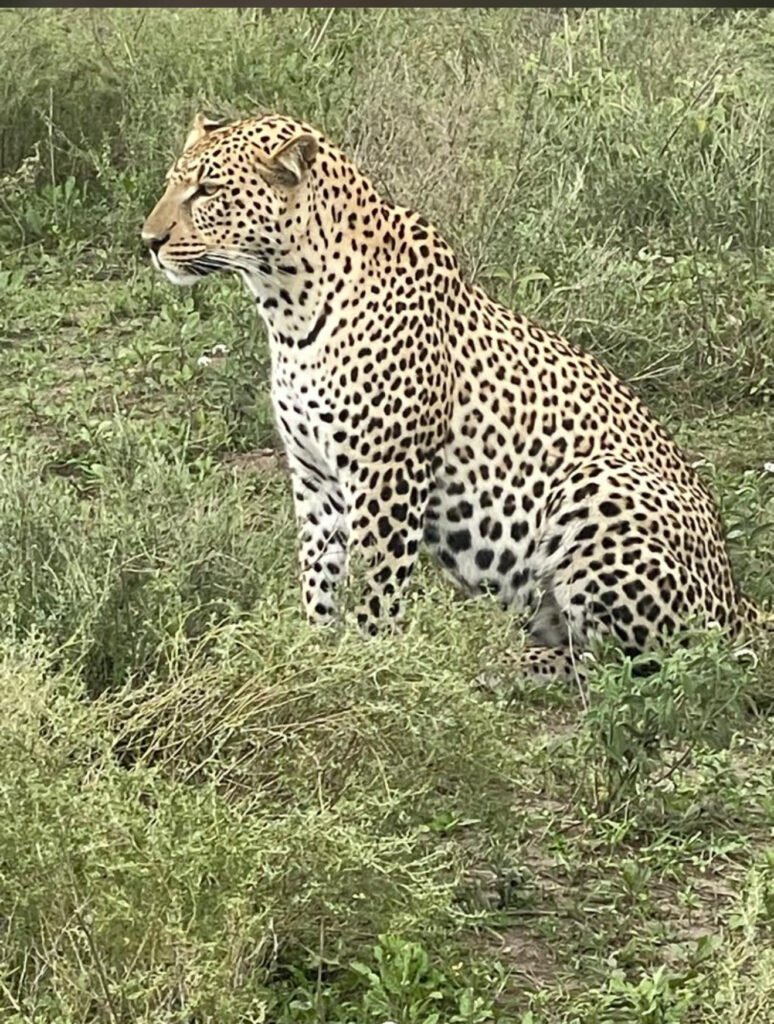
Leopards, though more elusive, add a layer of mystery to the bushland. Known as the 'Prince of Darkness', these solitary hunters often blend seamlessly with the landscape, making them a rare find. To spot them, keep your eyes trained on the branches of the sausage tree, where they often rest and savor their catch, away from other predators. It's their stealthy nature and stunning beauty that make them so alluring to photographers and adventurers alike.
Then there are the cheetahs, the fastest land animals in the world, capable of accelerating from 0 to 60 miles per hour in mere seconds. Unlike the other big cats, cheetahs are not afraid of people and are known to climb onto safari vehicles, providing a unique photographic opportunity. Their sleek bodies, adorned with signature tear-stripes, are perfectly adapted for speed, making them powerful sights as they chase down prey across the plains. For more info visit here!
Tanzania Classic Tours offers a Serengeti Photographic 5 Days Safari that is perfectly tailored for spotting these magnificent felines and capturing their beauty through the lens. Join a guided tour for an immersive experience, with the chance to encounter these incredible animals in their natural habitat while learning about their fascinating behaviors and roles within the ecosystem.
Imagine the astonishing moment when a herd of elephants gracefully crosses your path—it's a moment that leaves a lasting impression. Elephants are the largest land mammals on earth, known for their intelligence, social structures, and strong family bonds. Observing these gentle giants in their natural surroundings is an amazing sight, especially during the dry season when they gather around waterholes in search of refreshment. You'll find both male and female elephants interacting in close-knit units, their movements displaying both power and gentility.
Elephants are among the most engaging animals to watch on safari. Their trunks, which serve as versatile tools, are fascinating to observe as they drink, eat, and interact. Watching a young elephant learn to use its trunk from older elephants is a touching sight of family teaching. Beyond their size, elephants are admired for their deep emotional intelligence, capable of forming enduring friendships and mourning their dead. As part of the safari with Tanzania Classic Tours, these magnificent animals will offer you insights into the grandeur of these ancient lands.
The giraffe stands as one of the Serengeti's most graceful occupants. With their towering necks and distinct patterns, these elegant creatures are a must-see. Giraffes navigate the plains with poise, nibbling the tender leaves from the treetops, where few other browsers can reach. Their long necks not only help them feed but also provide an advantage when surveying for predators on the plains.
Giraffes are often spotted in groups, known as 'towers', as they slowly browse on acacia trees. This makes it easy to capture more than one in a single frame, surrounded by their natural habitat. Their coloring, unique to each individual, allows them to blend into the terrain surprisingly well for their size. Their sightings on a safari have delighted many, turning admiration to sheer awe as these gentle giants lean down to drink from a waterhole.
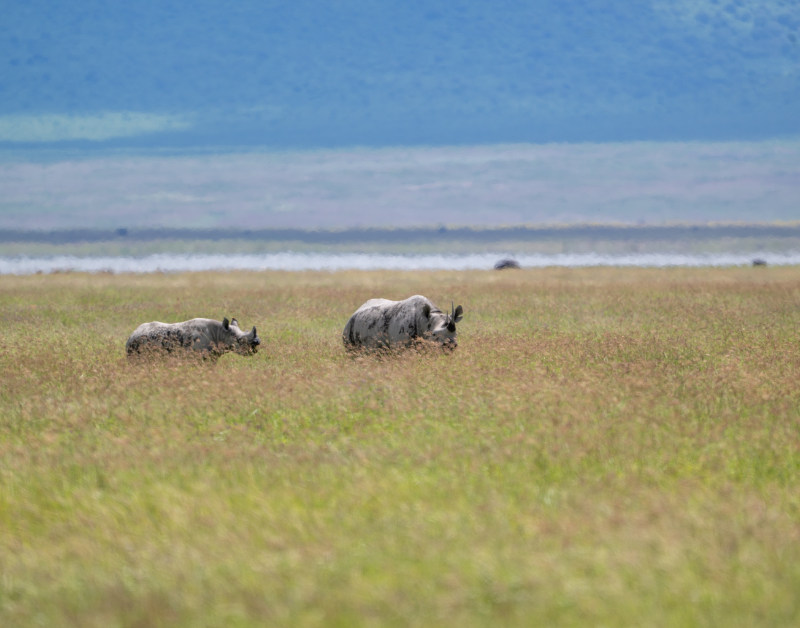
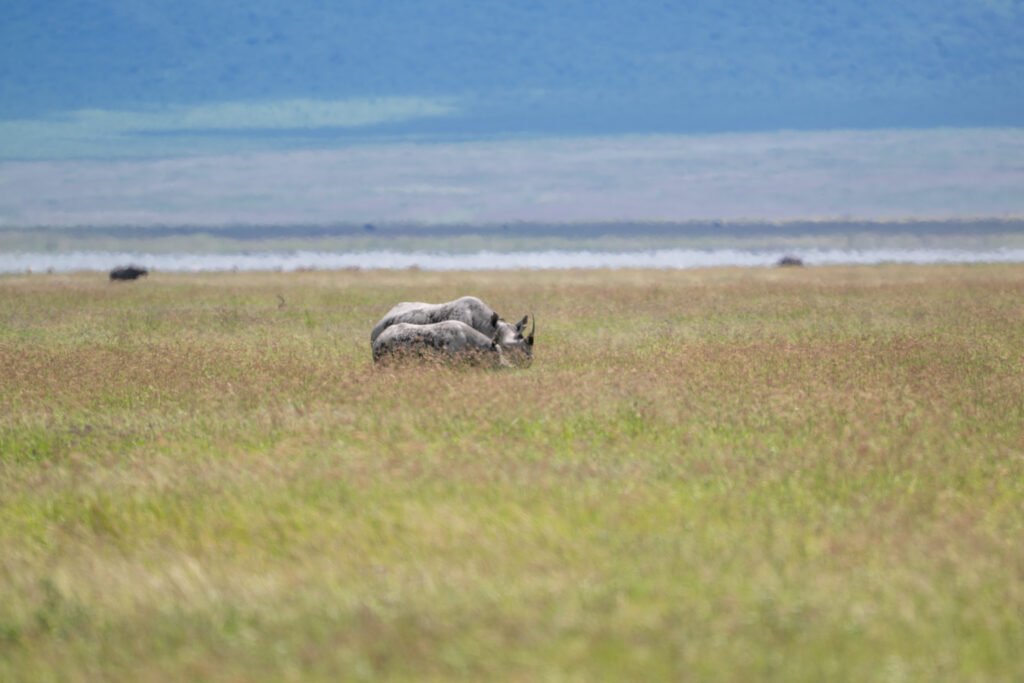
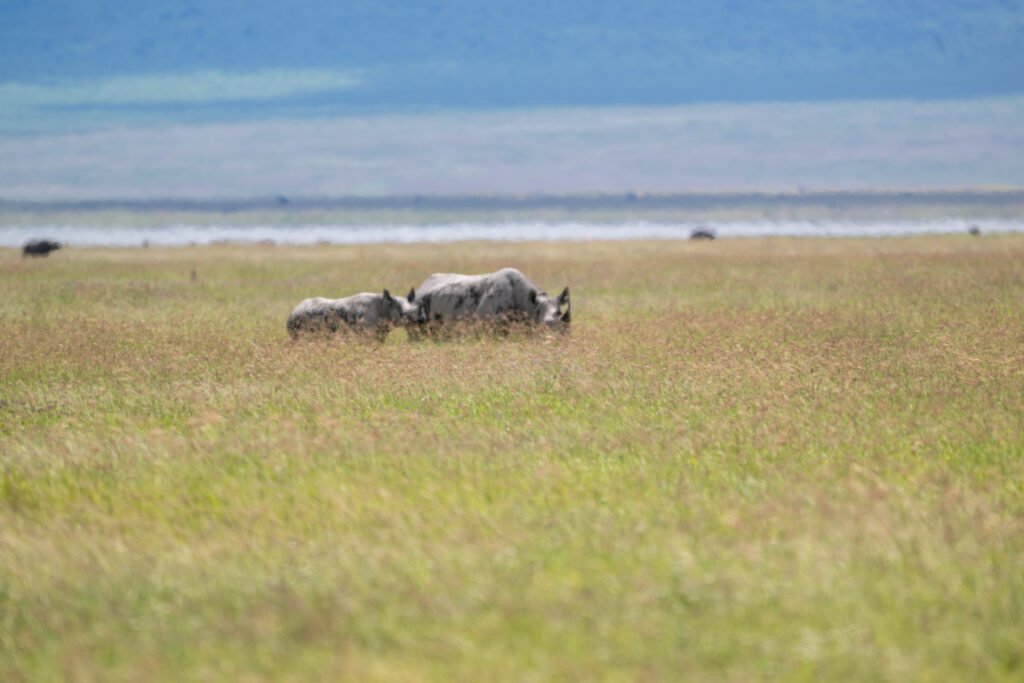
Rhinoceroses are one of the most symbolic and sought-after sightings on a Serengeti safari. Due to poaching and their naturally sparse populations, rhino sightings are a rarity and privilege. These ancient creatures, with their formidable horns and armor-like skin, are a breathtaking sight against the Serengeti's expansive backdrop.
In the Serengeti, both black and white rhinos can be found, though they are critically endangered. Their presence adds an element of prehistoric mystique to the safari experience. Seeing one of these magnificent animals is influential in recognizing the devastating impacts of human activity on wildlife, making conservation efforts not just a necessity but a responsibility.
For those eager to glimpse these endangered giants, the expertise of guided tours, such as those provided by Tanzania Classic Tours, can significantly increase your chances. Their local knowledge and carefully planned itineraries ensure that your safari is not only memorable but sustainable.
Every safari in the Serengeti is undoubtedly accented by the presence of zebras, their famous black-and-white stripes creating living patterns on the savanna. Approximately 250,000 zebras roam these lands, typically seen grazing in lush grasses or playfully interacting within their groups.
Zebras are not just a visual feast; they play a crucial ecological role by maintaining grassland health and serving as a prey base for a variety of predators. During the Great Migration, their numbers swell into massive herds as they move alongside wildebeests, forming a natural spectacle that's awe-inspiring to witness.
One of the Serengeti's crowning jewels—a spectacle that draws wildlife enthusiasts from around the globe—is the Great Migration. This epic journey, featuring an astonishing number of wildebeests—around 1.5 million—along with zebras and antelopes, is a must-see natural phenomenon.
Spanning hundreds of kilometers, the migration follows the seasonal rains in search of fresh grazing grounds and water. It is a dramatic annual cycle of life and death as herds face predatory threats, treacherous river crossings, and the relentless pursuit of survival. Observing this migration is a testament to one of nature's most splendid orchestrations and a highlight of any Serengeti safari.
Hyenas, with their eerie 'laugh' and social intelligence, are fascinating creatures to observe on safari. Often maligned as mere scavengers, they play an essential role in the Serengeti's ecosystem. Hyenas are, in fact, adept hunters, capable of taking down large prey, particularly in coordinated packs.
With over 3,000 spotted hyenas in the Serengeti, you have a high chance of encountering these enigmatic animals. Their keen sense of humor, social structures, and vocalizations are intriguing—highlighting a community-hierarchy as complex as any among the Serengeti's residents.
Apart from the more famous stars of the Serengeti, countless other smaller creatures also deserve a spotlight, and impalas are one such species. These incredibly agile antelopes are known for their leaping prowess, sometimes covering spans of up to 10 meters in a single bound, which is truly remarkable.
Impalas often form large herds and are swift and nimble, allowing them to escape the clutches of predators. Their grace, speed, and delightful antics make them an appealing addition to any wildlife photography collection. During the Serengeti Safari's game drives, you can marvel at these creatures as they frolic in their natural habitat.
Q1. What animals can you see on a Serengeti Safari?
A. A Serengeti Safari offers a chance to see famous wildlife like lions, elephants, giraffes, zebras, and cheetahs. The park is also home to many other species, including wildebeest, buffalo, and different types of birds. Every safari drive brings new opportunities to discover amazing animals.
Q2. What is the best time to see animals in the Serengeti?
A. The best time to see animals in the Serengeti depends on what you want to experience. The dry season from June to October is great for spotting wildlife near water sources. The Great Migration is usually a highlight between July and October.
Q3. Can I see the Big Five during a Serengeti Safari?
A. Yes, the Serengeti is one of the best places to search for the Big Five animals. Visitors often have the chance to see lions, elephants, leopards, buffalo, and rhinos. A guided safari increases your chances of finding these incredible creatures.
Q4. How long should I spend on a Serengeti Safari?
A. A Serengeti Safari usually requires at least three to four days to enjoy the wildlife properly. A longer stay allows more time to explore different areas of the park. It also improves the chance of seeing a wider variety of animals.
Q5. Is a Serengeti Safari safe for visitors?
A. Yes, Serengeti Safaris are generally safe when you follow the rules and listen to your guide. Experienced guides know how to approach wildlife safely. Staying inside the vehicle during game drives helps ensure a secure experience.
A Serengeti Safari offers an unparalleled opportunity to witness the majesty of Africa's wildlife in their natural habitat. From the mighty lions to the graceful giraffes, each animal adds to the unique and unforgettable experience of the Serengeti. As you plan your adventure, be sure to keep an eye out for these incredible creatures. Visit Tanzania Classic Tours to learn more about how you can embark on this unforgettable journey. Book your adventure and capture the essence of the Serengeti like never before!
Climbing Mount Kilimanjaro in 2026 is a dream for many adventurers. In this comprehensive guide, we’ll cover everything you need to know to prepare for your journey, from the best routes and when to go, to what to pack and how to stay safe. Whether you're an experienced climber or a first-timer, this guide will equip you with the essential information to make your Kilimanjaro experience unforgettable.
Mount Kilimanjaro, the highest peak in Africa, stands majestically at 5,895 meters (19,341 feet) above sea level. This volcanic mountain is not only a geological wonder but also a dream destination for trekkers from around the world. Kilimanjaro is often called a 'free-standing mountain' due to its stunning prominence rising up from the surrounding plains. Understanding its unique geology and ecosystems is essential before embarking on your climb.
The diverse ecosystems found on Kilimanjaro range from lush rainforests at the base to alpine deserts and finally, the icy summit. This dramatic shift in climate results in a wide variety of flora and fauna, making the trek an exciting exploration of nature. As trekkers ascend, they can expect to encounter different habitats, including the montane forest, heath and moorland, and the arctic zone at the peak.
Kilimanjaro is a UNESCO World Heritage Site and holds deep cultural significance for the local communities. The Chaga people, who inhabit the region around the mountain, have developed rich traditions and practices that you might learn about during your climb, adding a fascinating cultural dimension to your adventure. For more info visit here!
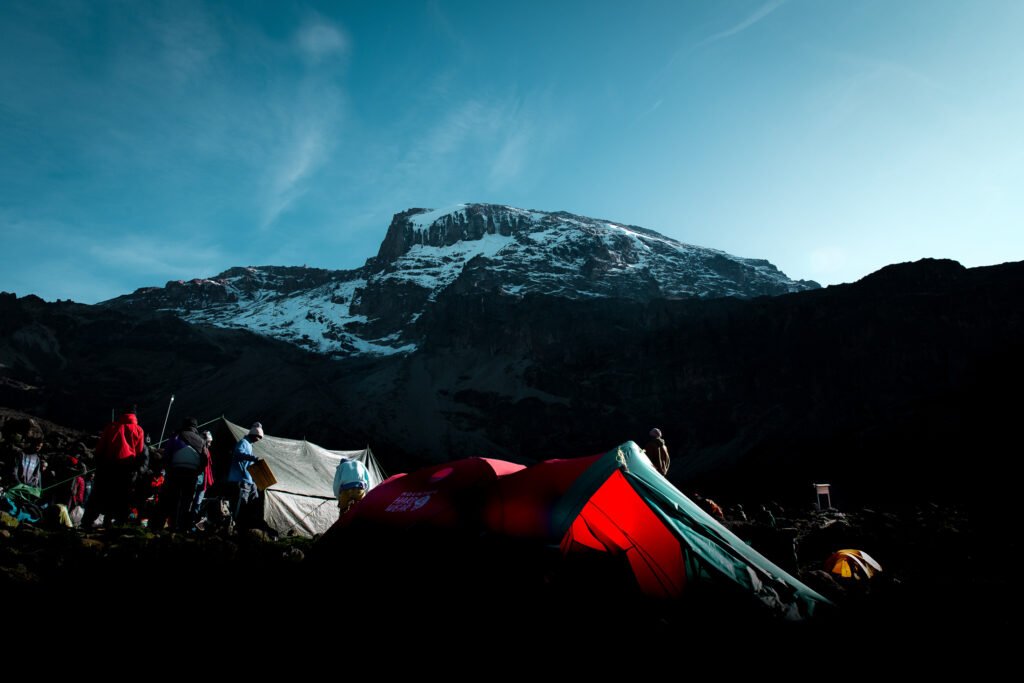
When planning your trek, choosing the right route is fundamental to your experience. Kilimanjaro offers several routes, such as the Marangu, Machame, Lemosho, and Rongai routes, each with unique characteristics. The Marangu Route is the only one with hut accommodations, making it a popular choice for those who prefer a more comfortable climb. In contrast, the Machame Route, known for its scenic beauty, provides a more challenging adventure with camping options.
The Lemosho Route is recommended for those looking for a less crowded experience and a longer acclimatization period, which may increase the chances of summiting successfully. On the other hand, the Rongai Route, which begins on the northern side, offers a completely different perspective of the mountain, making it a unique choice for climbers seeking a quieter ascent.
Consider factors such as your fitness level, the type of experience you're looking for, and how much time you have available. Each route varies in difficulty and duration, typically ranging from five to nine days. Be sure to discuss your preferences with your tour operator, like Tanzania Classic Tours, to choose the best option tailored to your desires.
The climate on Mount Kilimanjaro significantly affects the best time to embark on your climbing adventure. The peak climbing Mount Kilimanjaro in 2026 season typically runs from January to March and June to October, when the weather is generally dry and pleasant, making for optimal trekking conditions. During these periods, you can expect clear skies, stunning views, and less chance of rain.
However, it's also essential to consider the regional climate variations that occur throughout the year. The long rainy season from March to May can bring heavy rainfall, particularly on the southern slopes. The short rainy season during November and December can also impact trekking conditions, making the trails muddy and slippery.
For those who prefer a quieter experience with fewer crowds, January and February are also excellent months to climb, allowing for a more personal interaction with nature and fellow hikers. No matter when you choose to climb, proper preparation and awareness of climate conditions will be critical to your success on the mountain.
Packing the right gear is vital to ensure a safe and enjoyable experience while climbing Mount Kilimanjaro in 2026. Start by investing in quality trekking boots that are waterproof and provide good ankle support. Proper clothing is essential, as you'll encounter a range of temperatures, from warm days in the jungle to freezing conditions near the summit.
Layers are key to managing the various climates you'll experience. Opt for moisture-wicking base layers, insulating mid-layers, and waterproof outer layers. Don't forget essentials like a good quality sleeping bag, sunscreen, and a hat for sun protection. A backpack with ample space and a hydration system will also be helpful as you trek across the varying landscapes.
If you're unsure about what to bring, consider consulting with your tour operator, like Tanzania Classic Tours, who can provide you with a detailed packing list to ensure you have everything you need. Packing wisely will not only enhance your comfort but also help you maintain your energy for the trek ahead.
Physical preparation is crucial to successfully climbing Mount Kilimanjaro in 2026. Engaging in regular aerobic exercises, strength training, and endurance activities will help your body adapt to the demands of high-altitude trekking. Activities such as hiking, running, swimming, or cycling can greatly enhance your cardiovascular fitness and overall strength.
In addition to physical training, mental preparation plays an equally important role. A positive mindset can significantly impact your ascent, so it’s essential to practice mental visualization and affirmations. Many climbers often find that meditation or mindfulness practices help them remain calm and focused during strenuous sections of the climb.
It's beneficial to also participate in practice hikes, ideally at altitude, to help your body acclimatize to climbing Mount Kilimanjaro in 2026. These hikes will allow you to understand the challenges you may face and help build your confidence as you prepare for your Kilimanjaro adventure.
Safety should always be a top priority when climbing Mount Kilimanjaro in 2026. One of the most critical aspects is acclimatization. Ascend gradually to give your body time to adjust to higher altitudes, and be sure to follow the recommended itinerary set by your guide. Watch for symptoms of altitude sickness, which can affect any climber regardless of experience.
Stay hydrated by drinking plenty of water, ideally more than three liters a day, and take advantage of hydration packs. A well-balanced diet that includes carbohydrates and proteins can keep your energy levels stable throughout the climb. Always listen to your body — if you’re feeling unwell or overly fatigued, do not hesitate to communicate with your guide.
Utilizing a reputable tour operator, like Tanzania Classic Tours, ensures you receive proper guidance and support throughout your journey. They will provide experienced guides who know the mountain inside and out, making your safety their utmost priority. With the right measures, you can have a safe and successful climb.
As you embark on your climbing Mount Kilimanjaro in 2026 adventure, prepare for a multi-day journey that will challenge you both physically and mentally. From the moment you set foot on the trail, you will be greeted by the breathtaking beauty of Kilimanjaro's unique landscapes, including verdant rainforests, gentle moorlands, and the stark beauty of alpine deserts.
Days will typically begin early, with your team rising at dawn to enjoy a hearty breakfast. Then, you’ll embark on your trek, which can range anywhere from six to eight hours of hiking each day, depending on the route and the specific itinerary. Along the way, your experienced guides will help keep spirits high with stories, songs, and valuable insights about the mountain.
At night, the camps are set up with a dining tent and sleeping accommodations, providing space for relaxation and preparation for the next day's trek. It's during these moments that you'll forge connections with fellow climbers, sharing experiences and building camaraderie as you all strive for the same goal: to reach the summit.
Having a knowledgeable and trusted guide by your side can make all the difference during your Kilimanjaro experience. The mountain's varied terrains and unpredictable weather conditions can pose challenges for climbers, making the expertise of a guide invaluable. They provide not only essential navigation but also ensure your safety while on the mountain.
Guides are often locals with deep familiarity of Kilimanjaro’s trails and challenges. They can share insights into the flora and fauna encountered along the journey, enhancing your connection with the mountain. Their understanding of the physical and mental demands of the climb allows them to help you manage your pace, ensuring proper acclimatization.
When choosing a tour operator, ensure they have good reviews and a solid reputation, like Tanzania Classic Tours, which prides itself on experienced guides dedicated to providing an exceptional climbing Mount Kilimanjaro in 2026 experience. Their years of experience and commitment to your safety can translate into a transformative climb.
As you embark on the breathtaking journey up Mount Kilimanjaro, capturing these incredible moments through photography will be essential. First, be sure to bring a reliable camera, whether it's a compact point-and-shoot or a DSLR. This will allow you to document the stunning landscapes and unique experiences along your trek.
Lighting plays a crucial role in photography, so consider hiking during the early morning or late afternoon when the sun is low on the horizon, producing softer light. Don’t forget to capture candid moments with your fellow climbers; these memories can become some of your most cherished keepsakes.
Try to experiment with different angles and perspectives to create visually captivating images. Consider including a guide or fellow climber in the foreground with Kilimanjaro's iconic landscapes in the background, framing the moment in a way that tells a story of your adventure. With thoughtful planning, your photographs will serve as lasting memories of your incredible climb.
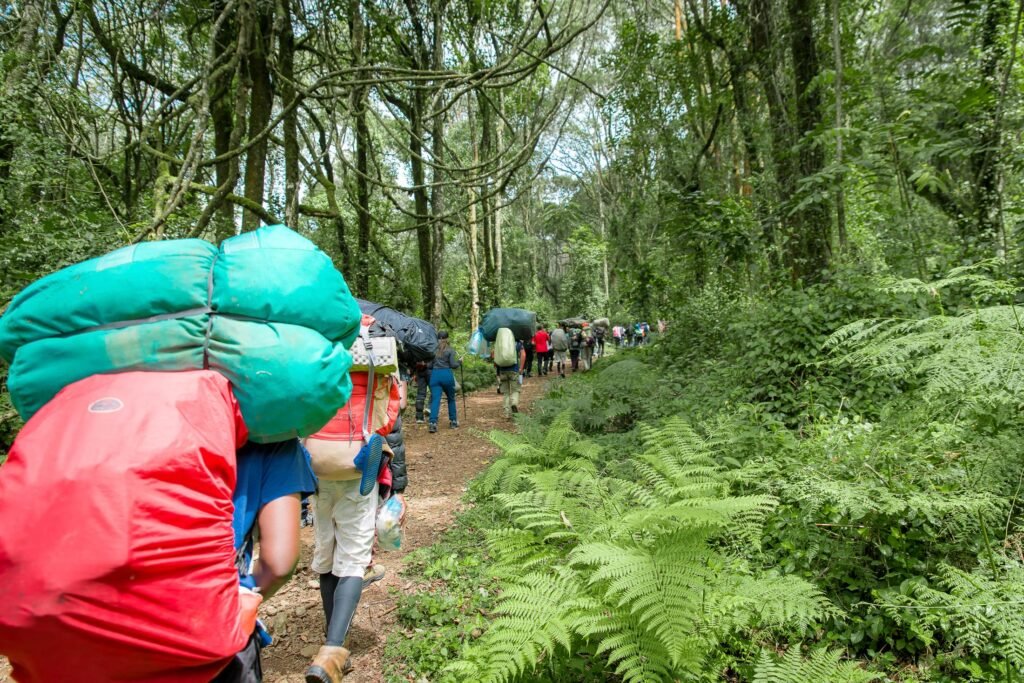
Q1. What is the best time to climbing Mount Kilimanjaro in 2026?
A. The best time to climb Mount Kilimanjaro is during the dry seasons, from January to March and June to October. These months offer better weather conditions, clearer views, and safer climbing paths. However, each season has its own experience depending on your preference.
Q2. How difficult is climbing Mount Kilimanjaro?
A. Climbing Mount Kilimanjaro is challenging but possible for many people with proper preparation. You do not need technical climbing skills, but good fitness, training, and mental strength are important. The altitude is the main challenge that climbers need to manage carefully.
Q3. How many days does it take to climb Mount Kilimanjaro?
A. Most Mount Kilimanjaro climbing routes take between 5 to 9 days depending on the chosen route. Longer routes usually provide better acclimatization and increase the chance of reaching the summit. A slower climb also makes the journey more enjoyable and safer.
Q4. What should I pack for a Mount Kilimanjaro climb?
A. You should pack warm clothing, hiking boots, rain gear, gloves, a sleeping bag, and essential personal items. Weather conditions change quickly on the mountain, so layered clothing is recommended. Carrying the right equipment helps make the climb more comfortable.
Q5. Is it safe to climbing Mount Kilimanjaro in 2026?
A.Yes, climbing Mount Kilimanjaro can be safe when you choose a reliable tour operator and follow proper climbing guidelines. Experienced guides help monitor your health and support you throughout the journey. Proper preparation and acclimatization are key to a successful climb.
Climbing Mount Kilimanjaro in 2026 is not just a physical challenge but a journey filled with breathtaking views, unique experiences, and personal growth. With the right preparation and knowledge, this adventure can be one of the most rewarding experiences of your life. We hope this guide helps you in planning your ascent and inspires you to tackle the mountain with confidence and excitement.