A Safari of a Lifetime is not just a journey; it's a profound adventure that leaves a lasting imprint on our hearts and minds. For those yearning for a truly unforgettable experience, understanding the elements that contribute to a remarkable safari is essential.

The destination sets the tone for your safari adventure. Different locations offer diverse wildlife experiences, landscapes, and cultural encounters. For the most breathtaking wildlife experiences, consider Tanzania, recognized for its iconic sites like the Serengeti and Ngorongoro Crater. Explore the world with us for the ultimate safari experience.
Tanzania is celebrated for its vast landscapes and rich wildlife diversity. The Selous Game Reserve is home to large herds of elephants, hippos, and Tanzania’s last black rhinos, providing unparalleled opportunities to witness wildlife in its natural habitat.
Choosing your safari location involves understanding what each destination offers. While some might be drawn to Botswana's Okavango Delta, others might find the thrill they seek in Tanzania's sweeping plains, where the land teems with life in a way that writes its own story on the African canvas.
Timing can make all the difference. Witnessing the Great Migration, where millions of wildebeests and zebras move in a harmonic dance, is a bucket list event. The best times to catch this spectacle in Tanzania's Serengeti are from July to October.
Beyond migration, Tanzania's climate varies across the year. From June to September, the skies are clear, and the wildlife is vibrant, perfect for game viewing. However, each season offers unique spectacles; visit during the short rains for lush landscapes and fewer crowds.
Understanding weather and wildlife patterns is essential. For instance, visiting the Selous Game Reserve between June and December ensures favorable conditions for both game viewing and exploring its stunning terrain.
A knowledgeable guide is indispensable during a safari. Their deep understanding of the land, the wildlife, and local customs transforms your experience. At Tanzania Classic Tours, our guides like Paul, Fredi, and Leonard not only ensure sightings of the Big Five but enrich it with insights that stay long after the journey ends.
Guides are not only navigators; they are storytellers and protectors. They interpret animal behaviors, leading you safely through nature's wonders. Their expertise ensures that every moment, from spotting a hidden leopard to witnessing a lion's roar, is captured in its full essence.
Guides play a pivotal role in enhancing your safari experience. Their narratives breathe life into the landscapes, and their seasoned eyes spot the unseen, making every sighting more profound. They share tales of the wild and the wisdom of the land that elevates every travel story into a lesson of life.
Interacting with local communities adds an enriching dimension to your safari. Tours facilitated by Tanzania Classic Tours often include cultural experiences with the Maasai, offering a glimpse into their vibrant traditions and way of life.
Safaris aren't just about wildlife. They open doors to connect with cultures that have thrived alongside nature. From iconic Maasai warriors to the Hadzabe hunter-gatherers, every interaction enriches your journey, turning it into a tapestry of shared stories and enduring friendships.
The local culture is an integral part of the safari experience. Learning traditional dances, tasting local cuisine, or participating in community-led initiatives fosters a greater connection to the land and its people. Such experiences bring intangible value, creating memories beyond the wildlife encounters.

Balancing comfort with sustainability ensures a fulfilling Safari of a Lifetime. Choose accommodations that align with eco-friendly practices to preserve the beauty of these natural habitats for future generations. Luxe eco-lodges in Tanzania often provide both comfort and the pleasure of minimal impact travel.
Sustainability in safaris involves more than eco-friendly lodges. It’s a commitment to supporting local economies and preserving wildlife. Opt for tour operators invested in conservation efforts, ensuring that your presence on safari contributes positively to the host ecosystem.
Modern safaris like those offered by East Africa Safari Ventures redefine luxury as a connection to nature, offering experiences that are both enriching and conscious of the environment.
Creating a safari of a lifetime is about more than spotting the Big Five; it's a blend of unique experiences, knowledgeable guides, comfortable stays, and cultural connections. When all these elements come together, they create cherished memories that last a lifetime.
Embarking on a luxury safari in Tanzania is more than just a trip; it's an unforgettable journey through some of the most incredible landscapes on Earth. From the unspoiled beauty of the Serengeti to the majestic presence of Mount Kilimanjaro, Tanzania offers a unique blend of adventure and relaxation that captivates every traveler. In this blog, we'll explore the enchanting allure of a luxury safari in Tanzania and what makes it a must-do experience.

The Serengeti is perhaps Tanzania's most famous safari destination. Known for its stunning landscapes and incredible wildlife, including the Big Five, the Serengeti offers a unique blend of beauty and adventure. Witnessing the Great Migration is a once-in-a-lifetime experience, where millions of wildebeest and zebras traverse the plains in search of greener pastures.
One of the most enchanting times to visit the Serengeti is during the Great Migration, a phenomenon that attracts countless visitors from around the globe. This extraordinary event sees over two million wildebeest, zebras, and gazelles journeying across the plains, accompanied by predators who trail in their wake. Picture yourself amidst this natural spectacle, with the sun setting over the horizon, bathing the landscape in hues of orange and pink. It's a sight that stays etched in your memory forever.
For those seeking an intimate encounter with nature, the Serengeti offers remarkable opportunities to spot the majestic Big Five: lions, elephants, leopards, rhinoceroses, and buffaloes. Each game drive is an adventure, offering new sights and thrilling experiences. The diversity of wildlife is matched only by the stunning variety of landscapes you traverse, from golden grasslands to acacia-dotted savannahs, each corner of the Serengeti reveals a new facet of its beauty.
The Ngorongoro Crater, often referred to as the 'eighth wonder of the world,' is a breathtaking natural marvel that defines the Tanzanian wildlife experience. This UNESCO World Heritage Site is located within the Ngorongoro Conservation Area and offers one of the most dense concentrations of wildlife in Africa. As you descend the crater walls, you'll enter a world teeming with life, from the leisurely grazing zebras to the stealthy big cats prowling through the grasslands.
Visitors to the crater are often struck by its unique topography. The Crater encompasses over 100 square miles of open grassland, forests, and saltwater lakes, forming a self-contained ecosystem that's home to over 25,000 large animals. As you drive through this majestic landscape, you're likely to spot endangered black rhinos, elusive leopards, and large elephant herds, all set against the dramatic backdrop of the towering crater rim.

Tanzania’s luxury safari accommodations are a dream come true for those seeking both opulence and authenticity. Renowned for their impeccable service and stunning settings, these lodges and camps blend seamlessly with the natural environment, providing a truly immersive experience. For an Example Guests at the Serengeti Bushtops can enjoy the comfort of their tented suites while overlooking the plains where giraffes and elephants graze.
Each day on safari concludes with the joy of returning to a haven of luxury. Imagine sinking into a plush sofa with a refreshing cocktail in hand after a day of wildlife adventures. The facilities at these lodges often include world-class spas, infinity pools overlooking the savannah, and gourmet restaurants where every meal is an indulgence.
In addition to stunning landscapes and wildlife, a luxury safari in Tanzania frequently provides opportunities to engage with the local Maasai and Hadzabe tribes. These encounters offer deep insights into the rich cultural tapestry that characterizes this fascinating country. As you connect with the Maasai, adorned in their traditional shuka cloth, you'll gain a glimpse into a lifestyle that has been carefully preserved for generations. This intimate look at their customs and daily life is an enriching aspect of any Tanzanian safari adventure.
For those eager to learn more about local cultures, additional activities can be arranged, such as visits to tribal villages or participation in traditional ceremonies. Guides, often fluent in the local dialects, bridge the gap between visitors and local communities, enhancing understanding and appreciation. Such interactions not only enrich your personal experience but also contribute to the economic development and sustainability of these indigenous peoples.

After the excitement of game viewing, Tanzania's coastline offers a tranquil escape. Places like the Zanzibar Archipelago beckon with their idyllic beaches and vibrant cultures. Here, you can unwind under swaying palms, snorkel through colorful coral reefs, and explore the storied streets of Stone Town — a UNESCO World Heritage Site known for its rich history and architecture.
A visit to Zanzibar completes the Tanzanian adventure trifecta of wildlife, culture, and relaxation. The island not only captivates with its white sandy beaches but also its unique blend of African, Arab, and Indian influences that is reflected in its architecture, cuisine, and traditions. Stroll through lively marketplaces, savor Zanzibari cuisine, and immerse yourself in the island’s vibrant music scene, adding a relaxing yet enriching finish to your Tanzanian journey.
Tanzania’s luxury safaris are a testament to the diverse beauty and wildlife that the African continent has to offer. With endless opportunities for adventure, relaxation, and cultural discovery, a safari in Tanzania is truly magical. It allows you to connect with nature in one of its most pristine forms, tailored to provide comfort and unforgettable experience. Whether it’s a family vacation or a romantic getaway, a luxury safari in Tanzania promises memories that will last a lifetime.
When you think of safari adventures in Africa, Does It Snow in Africa might be the first thing that comes to mind. However, the continent is full of surprises that might just challenge your assumptions. In this blog, we'll explore whether Does It Snow in Africa, particularly during an adventurous Tanzania safari.
Africa is a vast continent with a multitude of climate zones ranging from deserts to tropical rainforests. These varied climates significantly affect weather patterns, including the likelihood of snow.
Within Africa, the diversity of climates results in varied geographical features. You might encounter arid deserts, like the Sahara, lush tropical rainforests, expansive savannas, and alpine ecosystems. This makes Africa an intriguing continent to explore, especially when you consider the climatic contrast from the coast to high mountains like Kilimanjaro.
The climate of Africa is largely influenced by its size and geographical location. As you move from the equator towards either pole, you'll cross through different hemispheres, each offering distinct seasonal patterns. For instance, the weather in Tanzania shows that the country experiences both long and short rainy seasons due to its position straddling the equator.
While snow isn't widespread across Africa, there are regions where it is indeed possible. The key areas where snow can occur are in the higher elevations and mountainous regions, such as the Atlas Mountains in Morocco and Mount Kilimanjaro in Tanzania.
The idea of Does It snow in Africa might seem contradictory to the continent's stereotypical image, but it's not entirely mythical. For instance, Mount Kenya and the Rwenzori Mountains experience snow due to their high altitudes. These areas offer a stark contrast to the warm, sunny climates typically associated with Africa.
Does It Snow in Africa, snow is more than a rare spectacle; it's a reality in certain regions. The presence of snow on high-altitude peaks like Kilimanjaro is a testament to the continent's diverse climate. These snowy zones are located at elevations above 4,500 meters, where temperatures dip to freezing levels.

Tanzania offers a unique safari experience, with a mix of climates from coastal plains to mountainous terrains. During a safari, you're more likely to experience diverse wildlife and landscapes than snow.
Tanzania’s climatic variety is one of its most compelling features. From the humid coastal areas to the cool highlands, safaris in Tanzania provide an extraordinary range of environmental backdrops. This diversity is what makes Tanzania such an exciting destination for both adventurers and nature enthusiasts.
On a safari with Tanzania Classic Tours, you will traverse diverse temperature zones. The journey begins in the warmth, gradually transitioning to cooler air as you move up the mountains. Moshi’s general weather pattern reflects these shifts, providing a unique climate tour.
Tanzania's tourist routes boast well-marked trails that enhance the safari experience. Climbers venturing up Mount Kilimanjaro enjoy safe paths that require no technical climbing skills, making the ascent a remarkable experience rather than a daunting task.
Mount Kilimanjaro, the highest mountain in Africa, is famous for its snow-capped peak. Although the snow is not widespread throughout Tanzania, climbers can experience snow at the mountain's upper elevations.
The scenery on Kilimanjaro is as diverse as its climate zones. While the mountain is hotspot for travellers seeking an authentic African adventure, many also aspire to witness the glacial beauty of its summit firsthand.
Tanzania’s Mount Kilimanjaro offers snow-laden adventure. Climbing to Uhuru Peak means scaling through various climactic zones—each promising an unparalleled experience and the rare chance to walk through African snow.

When planning your safari, it's essential to consider the various climates you'll encounter. While snow is unlikely to be part of your safari journey, the diverse wildlife and stunning landscapes are reason enough to visit.
Expect your Tanzania safari route to vary dramatically in both climate and scenery. A typical safari might start in lush plains teeming with vibrant wildlife, eventually ascending towards the cool, snow-dusted heights of Kilimanjaro, offering a true spectrum of African environments.
Regardless of the season, Tanzania Classic Tours ensures a memorable trip tailored to your interests and abilities. From recreation to climbing, each expedition captures the heart of its climactic stories and breathtaking sceneries.
Now, to round off 'Does It Snow in Africa': While snow isn't a common feature on a Tanzania safari, the presence of Mount Kilimanjaro and its snow-capped peak highlights the incredible diversity of African landscapes. So, while you're unlikely to experience snow flurries during your African adventure, the unique blend of natural wonders offers its own kind of magic.
Embarking on a Safari in Tanzania 2025 offers an unforgettable adventure filled with captivating wildlife, breathtaking landscapes, and rich cultural experiences. Whether you're a seasoned traveler or a first-time explorer, understanding the highlights of this journey will help you make the most of your trip.

The Serengeti is home to the Big Five: lions, elephants, buffalos, leopards, and rhinos. Witness these majestic creatures in their natural habitat and capture moments that are simply awe-inspiring.
For wildlife enthusiasts, the sheer thrill of encountering the Big Five marks a pinnacle of safari adventures. The Serengeti's sprawling landscapes, dotted with acacia trees, provide the ultimate playground for photographers and nature lovers alike. When you embark on this journey with Tanzania Classic Tours, you are not simply an observer; you become part of the circle of life, as guides expertly navigate the terrains for prime wildlife viewing.
The Ngorongoro Crater offers a stunning backdrop for wildlife viewing. Experience the beauty of this UNESCO World Heritage Site and its diverse population of animals all within the confines of the crater.
Sitting in a 610-meter deep caldera, the Ngorongoro Crater acts as a natural fortress, beloved by wildlife. Here, dense forests, grasslands, and swampy marshes coalesce into a kaleidoscope of ecosystems, all sustaining a rich array of species. Don't miss the chance to spot the threatened black rhino and mingle with the local Maasai who inhabit this remarkable area. For a full experience, book a Walking Safari with Tanzania Classic Tours and immerse yourself in the stunning ambiance of the crater.

Witness the Great Migration, one of nature's most extraordinary events, as millions of wildebeests and zebras move across the Serengeti. This phenomenon is a must-see for any safari enthusiast.
The Great Migration is often called the 'World Cup of Wildlife'. As the wildebeests trek over a thousand miles in search of new grazing grounds, the horse of the event unfolds across the Serengeti ecosystem, offering a dramatic showcase of predator-prey interactions. Watching these herds cross rivers infested with crocodiles is both thrilling and inspiring, accentuating the resilience and cycle of life on Africa's untouched plains.
Beyond wildlife, Safari in Tanzania 2025, offers cultural insights. Visit Maasai villages to learn about their traditions, lifestyle, and how they coexist with wildlife, enriching your safari experience.
The Maasai tribe, known for their vibrant attire and rich history, embody one of Africa's most famous cultures. Living harmoniously alongside the wildlife of Tanzania, they offer visitors a glimpse into a world untouched by modernity. By visiting a local Maasai village through Tanzania Classic Tours, you will partake in traditional dances, hear stories of hunting expeditions, and appreciate a culture passed down through generations.

A Safari in Tanzania 2025 is not just about witnessing wildlife; it's an all-encompassing experience of nature, culture, and adventure. By exploring these highlights, you'll create lasting memories and truly appreciate the beauty of Tanzania's wilderness.
If you're dreaming of sun-soaked days and sparkling blue waters, Zanzibar beaches are the ultimate destination. Home to some of the most stunning coastlines in the world, Zanzibar Beaches offers an idyllic escape for any beach lover. To help you make the most of your trip, here are some must-know tips to enhance your experience on Zanzibar's stunning beaches.

From tranquil escapes to vibrant water sports, each Zanzibar beach offers something different. Make sure to research and pick a beach that aligns with your interests, be it snorkeling, sunbathing, or surfing. For instance, Nungwi Beach is ideal for swimming all day due to its minimal tidal effects. However, if you’re looking for a more serene and laid-back scene, consider visiting Pongwe which boasts tranquility away from crowds. Tailor your beach choice to the activities you want to explore.
While some beaches are perfect for water sports, others have unique features like rock formations or coral reefs. Heading to Kendwa will provide you with opportunities for both daytime adventure and vibrant nightlife. Alternatively, if your focus is diving and snorkeling, the northeast region near Mnemba Atoll offers stunning underwater explorations. Choosing the right beach will ensure you have the experience of a lifetime, whether it’s unwinding in a hammock or riding the waves. For more info visit here!
Zanzibar Beaches boasts year-round sunshine, but the dry season from June to October is perfect for beach activities. Plan your visit during this peak time for the best weather conditions. During these months, the skies are clearer, and the waters are invitingly warm. It’s also a great time to engage in a variety of activities both on and off the beach. Should you visit towards the end of the year, you may witness the impact of the Kaskazi winds, which start around October Learn more about Zanzibar Beaches climate. Knowing when to visit not only affects your comfort but can significantly enrich your beach experience.
Despite being a tropical haven, Zanzibar experiences a couple of rainy seasons. These occur from March to May and again in November, albeit more lightly. It’s crucial to consider these weather patterns when planning your itinerary, especially if you wish to avoid the heavier rainfalls that may hinder beach plans. Moreover, visiting during the shoulder seasons might afford you quieter beaches and the chance to engage with locals more intimately. As always, it pays to be flexible and adaptable to shifting weather conditions.
Zanzibar beaches are a realm of dynamic beauty, heavily influenced by the tides. Experiencing the tidal shifts is fascinating, as the landscape changes dramatically from morning to afternoon. During low tide, beaches like Paje reveal extensive sand flats and marine life, perfect for exploratory walks. It’s a surreal experience, watching the shallow pools left behind by the retreating sea shine under the sun. Conversely, high tide brings back the opportunity to indulge in traditional water activities and swim without restriction. Understanding the tidal patterns can enhance your beach itinerary significantly.
While the tides paint a breathtaking picture, they can also pose challenges. For instance, eastern beaches like Matemwe have larger tidal ranges that may affect swimming prospects during low tide. Nevertheless, the low tide offers a compelling invitation for coral walks and sight-seeing expeditions across exposed reefs. When planning your daily excursions, check local tide charts to time your activities perfectly, thereby maximizing both enjoyment and safety during your trip.
Ensuring you have the right gear can make your beach outing far more enjoyable. It’s essential to apply reef-safe sunscreen regularly, as the equatorial sun can be quite intense. Additionally, a wide-brimmed hat and lightweight, breathable clothing are advisable to protect against sunburn. If you plan on wading out to explore shallow reefs, sturdy sandals or water shoes can safeguard you from rocky or coral-laden seabeds. Prepare comprehensively to fully embrace the coastal environment without any discomfort.
Including a good beach blanket and reusable water bottles in your packing list ensures you stay comfortable and hydrated throughout the day. Consider a beach bag with compartments to organize your items, making it easier to keep track of your essentials while protecting them from sand. Some beaches offer rentable gears, which might save you from carrying too much; however, having your own preferred and well-tested equipment often proves more convenient. Remember, a well-packed beach bag is your trusty companion throughout your beach adventures.
Indulge in Zanzibar’s culinary delights like freshly caught seafood and spicy street food. These flavors add a unique dimension to your beachside experience. Taste the local favorite, octopus curry, at Forodhani Night Market in Stone Town or treat yourself to a lavish seafood platter at beachfront restaurants. Spices are the soul of Zanzibari cuisine, a heritage from the island’s illustrious history as a trade hub. Be sure to venture into the world of spice farms for firsthand insights and tastings. Exploring these culinary offerings transforms your beach vacation into a richer, more immersive experience.
From fragrant rice dishes like pilau and biryani to the street-side fritters known as 'urojo,' Zanzibar's diverse dining experiences will delight every palate. Many beachside cafes and eateries offer unique twists on traditional Swahili dishes, harmoniously combining local ingredients with international influences. Embrace the rich cultural tapestry through its food, whether dining in upscale resorts or sampling freshly-prepared snacks along the shorelines. This culinary journey is bound to be one of your most memorable island experiences.
Zanzibar is rich in culture. Remember to dress modestly when away from beach areas and learn a few Swahili phrases to connect with friendly locals. The predominantly Muslim local population appreciates visitors who respect their customs, particularly during Ramadan when many observe fasting. Even simple greetings like 'Jambo' (Hello) and 'Asante' (Thank you) go a long way in fostering goodwill. Engage with local customs and traditions to enrich your understanding of the island’s vibrant culture, making your visit more mutually rewarding.
Beyond language, participating in cultural tours or visiting historical sites like the Old Slave Market and the House of Wonders in Stone Town can provide deeper insights into Zanzibar’s fascinating history. Be mindful of cultural sensitivities, especially when taking photographs of people and religious sites; always ask for permission. Resilience and friendliness characterize the people of Zanzibar, and reciprocating these qualities further enhances your cultural immersion. By respecting and honoring local customs, you contribute to preserving Zanzibar’s warm hospitality for future travelers.
Engage with the underwater world through snorkeling or diving excursions, but be sure to practice sustainable tourism and avoid disrupting marine habitats. Zanzibar is home to rich biodiversity, from vibrant corals to exotic fish species. Opt for tours led by operators who emphasize sustainability and conservation. By avoiding physical contact with corals and practicing fish feeding etiquette, you help ensure the preservation of these precious ecosystems. Sharing this respect for nature with eager community members and fellow tourists can further protect Zanzibar’s marine environment for generations to come.
Adhering to safety measures, such as wearing visibly distinct snorkel vests and listening to marine guides, ensures a safe and memorable aquatic experience. Visits to protected areas like Mnemba Island should include understanding the specific regulations meant to safeguard the region’s pristine conditions. By leaving no traces and minimizing waste, you set an example for responsible travel and contribute to the global effort of marine conservation. Through informed choices, you help sustain the natural wonders that make Zanzibar an unparalleled destination.
Zanzibar's west coast is famed for breathtaking sunsets. Find a cozy spot on the sand to witness this daily masterpiece and reflect on your day of beach adventures. As the sky transforms into hues of orange, pink, and purple, consider heading to popular spots such as Stone Town’s beachfront or Kendwa Beach. These locations guarantee an idyllic setting for photography enthusiasts aiming to capture the perfect shot. Every sunset is a splendid opportunity to unwind and savor the tranquility that defines Zanzibar’s seascapes.
The end of a day in Zanzibar is not just about the sights but also the experience it offers. Gather with friends or loved ones, perhaps enjoying a cool coconut drink as the horizon fades into dusk. The delightful camaraderie among other sunset-watchers adds to the warm ambiance. These moments of serene contemplation allow you to appreciate the natural beauty and cultural richness of Zanzibar, creating cherished memories that stay with you long after you leave the island.
Q1. What is the best time to visit Zanzibar beaches?
A. The best time to enjoy Zanzibar beaches is during the dry seasons, usually from June to October and December to February. During these months, the weather is warm, sunny, and perfect for swimming, relaxing, and beach activities.
Q2. What should I pack for a Zanzibar beach trip?
A. For a Zanzibar beach trip, pack light clothes, swimwear, sunscreen, sunglasses, and a hat to protect yourself from the sun. Comfortable sandals and a reusable water bottle can also make your beach experience more enjoyable.
Q3. Are Zanzibar beaches safe for swimming and water activities?
A. Yes, many Zanzibar beaches are safe for swimming, snorkeling, and other water activities. However, it is important to check local tide conditions and follow safety guidelines before entering the water.
Q4. Which beach activities can I enjoy in Zanzibar?
A. Zanzibar offers many activities including snorkeling, diving, boat tours, beach walks, and watching beautiful sunsets. Visitors can also explore nearby islands and enjoy the peaceful atmosphere of the coastline.
Q5. How can I make the most of my Zanzibar beach experience?
A. To enjoy Zanzibar beaches fully, choose the right beach, respect local culture, stay hydrated, and plan your activities according to the weather. Taking time to relax and explore the surroundings will make your trip more memorable.
Embarking on a luxury safari in Tanzania is an adventure like no other. From pristine landscapes to majestic wildlife, this experience promises unforgettable memories. To make the most of your safari adventure, proper preparation is key. Let's walk through some essential steps to ensure your journey is the best it can be.

To optimize your safari experience, consider the timing of your visit. Although Tanzania is gorgeous year-round, different seasons offer diverse wildlife sightings and weather conditions. For instance, the dry season from June to October is perfect for game viewing as animals congregate near water sources, offering you the best chance to witness the Great Wildebeest Migration. By aligning your travel plan with the natural rhythms of the savannah, you’ll maximize your chances of unforgettable encounters. For more info visit here!
Exploring Tanzania during the shoulder seasons of March to May can offer lush landscapes and fewer tourists, creating a unique and intimate wildlife experience. However, it's essential to consider that some areas may be less accessible due to rain. Understanding these seasonal variations allows you to select dates that align with your safari interests and ensure a pleasantly timed adventure.
Choosing the right safari package is crucial for a Luxury Safari in Tanzania experience. Look for packages that offer premium services, including superb accommodation options like the deluxe rooms at Arusha Planet Lodge, renowned for their enhanced amenities and stunning decor. Such luxurious setups ensure comfort and convenience, making them ideal for unwinding after a day of thrilling wildlife exploration.
Prioritize packages that include guided tours with experienced naturalists. These knowledgeable guides enrich your safari by providing insights into Tanzania’s diverse ecosystems and wildlife behavior. For instance, the Serengeti and Ngorongoro Crater boast an impressive array of fauna, and having a guide can transform observations into an educational safari narrative that deepens your appreciation for these majestic lands.
Consider a luxury safari experience offered by reputable companies like Lion King Adventures, who tailor the journey to your preferences. Their packages often include exclusive wildlife encounters and small group settings, ensuring a personalized adventure. This level of exclusivity, combined with prime accommodations and guided expertise, crafts an unparalleled safari experience tailored to a Luxury Safari in Tanzania seekers.
Packing the right clothing can enhance your safari experience. Embrace lightweight, breathable fabrics for daytime adventures and warmer layers for the cooler nights typical of the bush. Essential items include a hat, sunglasses, and sturdy walking boots. In addition to neutral-toned clothing, which helps you blend seamlessly with the environment during game drives, consider insect repellent and sunscreen to shield against the elements.
For those unforgettable moments, ensure you have a high-quality camera with a powerful zoom lens packed alongside your safari essentials. Whether capturing the epitome of the savannah sunrise or a pride of lions in Ngorongoro Crater, having the right gear enriches your storytelling through photography. Accessories like binoculars are essential for spotting distant wildlife and elevating your game-viewing experiences during your safari adventure.
Though style is important, emphasize comfort to optimize your on-field experience. Dress in layers for flexibility as weather conditions fluctuate. Invest in a comfortable scarf or bandana to protect against dust and chilly winds, particularly during early morning drives. Packing these basics right not only heightens your comfort but enhances your overall safari delight, allowing you to indulge fully in the spectacular sights and sounds of Tanzania.
Pre-trip physical preparation can significantly impact your Luxury Safari in Tanzania experience. Staying active before your journey ensures you're ready for walking safaris, which often present an up-close opportunity to learn about the intricate details of Tanzania’s ecosystems. Encourage daily stretches and light exercises to build endurance and flexibility, making your excursions through the bush more enjoyable and less taxing on your body.
Mentally prepare by immersing yourself in the wealth of Tanzanian culture, flora, and fauna. Understanding the significance of iconic locations like the Serengeti, detailed in many safari guides, can deepen the context and appreciation of your visit. As you brush up, carry an open heart and curious mind, ready to absorb every unique aspect of this fantastic journey through the wilds of Africa.
Travel documents are crucial for Luxury Safari in Tanzania, so verify that your passport has at least six months' validity from your date of entry into Tanzania. A visa is required for most travelers and can either be obtained in advance or on arrival, although securing an e-visa before your trip can help expedite entry formalities. Ensure you review all entry requirements and travel advisories related to your home country for a hassle-free border crossing.
Vaccination requirements may include a yellow fever certificate if you’re traveling from or transiting through a region with risk factors. Consult with your healthcare provider about necessary inoculations and medications, like malaria prophylaxis, to ensure comprehensive health coverage during your travels. Proper documentation and medical provisions will significantly reduce travel stress, helping you to focus on the incredible safari journey ahead.
Familiarize yourself with the rich biodiversity you’ll encounter on a Tanzanian safari for an enriching experience. Engage with resources and documentaries on iconic wildlife such as the Big Five and lesser-known species that inhabit the plains and forests. Developing an understanding of their behaviors enhances game drives and offers broader insights into the conservation efforts critical to their survival.
Interactive apps and field guides can provide valuable information about Tanzania’s spectacular creatures and ecosystems. These tools serve not only as educational materials but also as companions on your safari, increasing awareness and engagement. Whether guessing which bird chorus serenades the dawn or identifying animal tracks, being informed ushers in a deeper connection to the wild spaces you explore.
Q1. What should I pack for a luxury safari in Tanzania?
A. For a luxury safari in Tanzania, pack comfortable clothes, neutral-colored outfits, a hat, sunglasses, and good walking shoes. Bring a light jacket for cool mornings, sunscreen, insect repellent, and a camera. Most luxury lodges also provide essential items for guests.
Q2. What is the best time to go on a luxury safari in Tanzania?
A. The best time for a luxury safari in Tanzania is usually during the dry seasons from June to October and January to March. During these months, wildlife is easier to spot near water sources. However, every season offers a unique safari experience.
Q3. Do I need any vaccinations before traveling to Tanzania?
A. Some vaccinations may be recommended before visiting Tanzania, depending on your travel plans and health needs. It is best to consult a travel health professional before your trip. Carrying travel insurance and basic medicines is also a good idea.
Q4. How can I choose the right luxury safari lodge in Tanzania?
A. Choose a luxury safari lodge based on location, services, wildlife access, and the type of experience you want. Lodges near famous parks like Serengeti or Ngorongoro offer excellent wildlife viewing opportunities. Look for places with good reviews and experienced guides.
Q5. Is a luxury safari in Tanzania suitable for first-time travelers?
A. Yes, a luxury safari in Tanzania is a great choice for first-time travelers because everything is well organized. Professional guides, comfortable accommodations, and planned activities make the journey easy and enjoyable. You can focus on enjoying the wildlife and scenery.
With careful planning and thoughtful preparation, your luxury safari in Tanzania will be nothing short of spectacular. Embrace the adventure, cherish the moments, and create memories that will last a lifetime.
Embarking on a Big Five Safari in Tanzania is a dream for many wildlife enthusiasts. Known for its breathtaking landscapes and incredible wildlife, Tanzania offers an abundance of opportunities to witness the majestic Big Five in their natural habitat. But when is the best time to go? This guide will help you understand the optimal seasons to plan your adventure.

Before planning your Big Five Safari, it's important to know what the Big Five are. The term refers to five of Africa's most iconic animals: the lion, leopard, elephant, rhinoceros, and buffalo. Each species has its own peak viewing times, which can influence when you decide to visit.
The Big Five represent more than just animals; they're a testament to the wild and raw beauty of Africa's ecosystems. These creatures are often shrouded in mystery and allure, making the chance to see them an unforgettable part of any safari experience.
Tanzania's climate varies throughout the year, influencing the best time for a Big Five Safari. The country experiences both dry and wet seasons, which affect the wildlife viewing conditions. Understanding the climate can help you choose the most suitable time for your trip.
The country's dry season generally offers clearer skies and less foliage, while the wet season turns the landscape into a vibrant, lush panorama. Each season has its own charm, influencing wildlife behavior and the overall ambiance of your Tanzanian adventure.
Tanzania's varied landscapes and weather patterns create a dynamic and ever-changing environment. From the cool highlands to warm lowlands, each region has its own microclimate, which is crucial to consider when deciding on the ideal safari season.
From June to October, Tanzania's dry season offers some of the best wildlife viewing opportunities. During this time, animals are easier to spot as they gather around watering holes and the vegetation is less dense. It's an ideal time for a Big Five Safari when the weather is generally mild and dry.
The highlight of the dry season is undoubtedly the Great Migration in the Serengeti. This time sees large herds of wildebeest and zebra, with predators like lions and cheetahs following closely. It's a spectacle you won't want to miss if you're visiting during these months.
During the dry season, many water-dependent species like elephants are often found congregating around diminishing water sources, providing excellent opportunities for photography and observation.
The wet season from November to May might not seem like an obvious choice, but it can be equally rewarding. While the landscape turns lush and green, making wildlife spotting a bit more challenging, it's a fantastic time for birdwatching and capturing stunning photographs of the scenery.
The wet season also brings a plethora of migratory birds to areas like Lake Manyara, making it a birdwatcher's paradise. This time of year highlights Tanzania's rich avian diversity, which is often overshadowed by the more iconic land mammals.
The lush greenery and abundant food attract baby animals during this season. Witnessing young elephants, lions, and other wildlife play and adapt to their environment offers a heartwarming and rare look into the life of these creatures.
Apart from weather, consider other factors such as park accessibility, crowd levels, and personal preferences when planning your safari. Some travelers prefer the solitude of the off-peak seasons, while others enjoy the buzz of peak tourist times.
Understanding when specific parks offer their best experiences can lead to a more rewarding Big Five Safari. For instance, the Ngorongoro Crater provides excellent year-round wildlife viewing due to its unique ecosystem.
Each safari timing has its perks. Whether you favor the immersive solitude and lower costs of off-peak times or the bustling excitement of peak season, selecting the right time is about aligning your preferences with the adventure of a lifetime.
Q1. What is the best month for a Big Five Safari in Tanzania?
A. The best time for a Big Five Safari in Tanzania is usually from June to October. During this dry season, animals gather around water sources, making it easier to spot lions, elephants, leopards, buffaloes, and rhinos. The weather is also comfortable for game drives.
Q2. Can I enjoy a Big Five Safari in Tanzania during the rainy season?
A. Yes, a Big Five Safari is possible during the rainy season from November to May. This period offers beautiful green landscapes, fewer crowds, and excellent bird-watching opportunities. Many animals also give birth during this time, creating unique wildlife experiences.
Q3. Is the Great Migration a good time for a Big Five Safari?
A. The Great Migration season is an amazing time to combine with a Big Five Safari. From around July to October, large herds move through the Serengeti, attracting predators like lions and cheetahs. It offers some of the most exciting wildlife sightings.
Q4. Which parks are best for seeing the Big Five in Tanzania?
A. Popular parks for Big Five sightings include Serengeti National Park, Ngorongoro Crater, and Tarangire National Park. These areas have rich wildlife populations and experienced guides who help travelers find the best animal encounters.
Q5. How many days are enough for a Big Five Safari in Tanzania?
A. A 5 to 7-day safari is ideal for exploring Tanzania’s top wildlife destinations. This allows enough time to visit multiple parks, enjoy different landscapes, and increase your chances of seeing all Big Five animals.
Planning your Big Five Safari in Tanzania requires careful consideration of various factors like wildlife activity, weather, and personal preferences. Whether you choose the dry or wet season, each offers unique experiences and opportunities for unforgettable memories.
Planning a safari of a lifetime for your family can be an exciting adventure filled with anticipation and wonder. However, as with any significant travel plan, it requires careful planning to ensure it turns into the experience of a lifetime. From selecting the right destination to packing essentials, these tips will guide you through crafting the perfect safari for your loved ones.
The first step in planning your safari of a lifetime is selecting the perfect destination. Consider factors like wildlife diversity, seasonality, and travel logistics to ensure it matches your family's interests and travel preferences. Tanzania is a top choice for many families due to its stunning landscapes and abundant wildlife. Destinations like the Ngorongoro Crater and Serengeti offer iconic wildlife sightings, making them unforgettable experiences for all ages.
For a unique adventure, consider the Selous Game Reserve, Africa's largest protected wildlife area. Here, you can embark on walking safaris and boat trips on the Rufiji River, offering a different perspective than the traditional game drives. With approximately 350 bird and reptile species, it's a paradise for nature enthusiasts. Planning your trip to this diverse landscape promises an unmatched family safari of a lifetime experience.

Timing your safari correctly can make all the difference. To witness the Great Migration in the Serengeti, plan your visit during the dry season from June to October. This period offers the best opportunity to see large herds of wildebeest and zebra crossing the Mara River—a dramatic spectacle that mesmerizes visitors of all ages. For more relaxed wildlife viewing, consider the short rainy season from late October to December when newborn animals abound, and landscapes are lush and vibrant.
Choosing the right lodgings is crucial for a comfortable safari of a lifetime. Ensure that your accommodations offer family-oriented services, like lodging in secure areas, activities designed for children, and knowledgeable guides who can cater to young learners. The Tanzania Family Fun Safari Adventure package with Tanzania Classic Tours provides excellent options tailored for families seeking to explore the Serengeti and Mara River migrations.
Safety should always be a priority when embarking on a family safari of a lifetime. Familiarize yourself with local guidelines and ensure you carry necessary vaccinations and health precautions tailored for your safari location. For instance, if visiting areas where malaria is prevalent, ensure that everyone is protected. Additionally, safety briefings by experienced guides are invaluable, offering essential tips on staying safe around wildlife and within camp boundaries.
An engaged and knowledgeable guide can make your safari of a lifetime experience not only safer but also more enriching. They can provide fascinating insights into wildlife behavior and conservation efforts while keeping the group secure. Experienced guides, such as those available through Tanzania Classic Tours, become an integral part of your family's adventure, ensuring both safety and an educational experience.

A well-crafted itinerary is key to enjoying your safari to the fullest. Mix must-see wildlife sights with cultural experiences to give your family a comprehensive understanding of your destination. Enrich your trip by visiting local communities, participating in conservation projects, or exploring historical sites. This balance will keep everyone entertained and provide your family with diverse stories and memories to cherish long after returning home.
Consider incorporating activities that cater to each family member’s interests. For those intrigued by history, visiting a spice farm in Zanzibar offers a fascinating insight into the region's vibrant past and aromatic present. With trips designed for various needs, from adventurous families to those seeking relaxation by the beach, you'll find itineraries that can adapt to everyone’s preferences.
When packing for your safari, bring layers for varying temperatures and climates. Lightweight clothing, sturdy walking shoes, a wide-brimmed hat, and sun protection gear are essential for all ages. Don’t forget binoculars and a quality camera to capture memorable moments. Remember to include a basic first aid kit, medications, and perhaps a journal to document your family’s adventures.
By engaging with local communities, you enrich your safari with meaningful cultural insights. Tanzania, known for its rich traditions, offers numerous opportunities to connect with local tribes like the Maasai, where you can learn about their lives and customs. This interaction provides children and adults alike a broader understanding of the world and fosters a sense of global community.

Capturing the breathtaking beauty of a safari goes beyond simply snapping pictures of animals. Understanding basic photography techniques—such as composition and lighting—can dramatically enhance the quality of your shots. For an elevated experience or to ensure everyone is in the photos, consider hiring a professional photographer who can accompany your family on this once-in-a-lifetime adventure.
Keeping young adventurers engaged on safari of a lifetime requires a plan. Include interactive activities like treasure hunts, nature walks, or identifying animal tracks. Educating them about the conservation efforts involved in protecting wildlife can also spark their curiosity and foster a lifelong love for nature. To further enhance their experience, check if your chosen lodgings offer educational programs tailored for young explorers.
Creating an engaging environment for children adds depth to their experience. Offering camera or sketching activities stimulates their creative sides, allowing them to express their adventures visually. When children are able to immerse themselves in their surroundings, it not only enhances their enjoyment but also creates lasting impressions that shape their understanding of the natural world.
Choosing eco-friendly tour operators and lodgings plays a significant role in protecting Africa’s wildlife and ecosystems. Opting for sustainable travel options not only helps conserve the environment but also supports local communities. Researching how your safari will contribute positively to conservation efforts ensures that your family adventure helps preserve the stunning landscapes and animals for future generations to enjoy.
By prioritizing sustainability, families can lead by example, demonstrating to children the importance of responsible travel. Engage with lodges like those offered by Tanzania Classic Tours, which embed eco-friendly practices into their operations. This dedication not only preserves the environment but also brings your family closer to the natural beauty and vibrant communities that make the region so special.
Camping in the heart of the Serengeti offers unprecedented access to breathtaking wildlife and landscapes. The Seronera Campsite is a gem for nature enthusiasts and adventure seekers. To make the most out of your visit, here are some valuable tips to ensure you have an unforgettable experience.
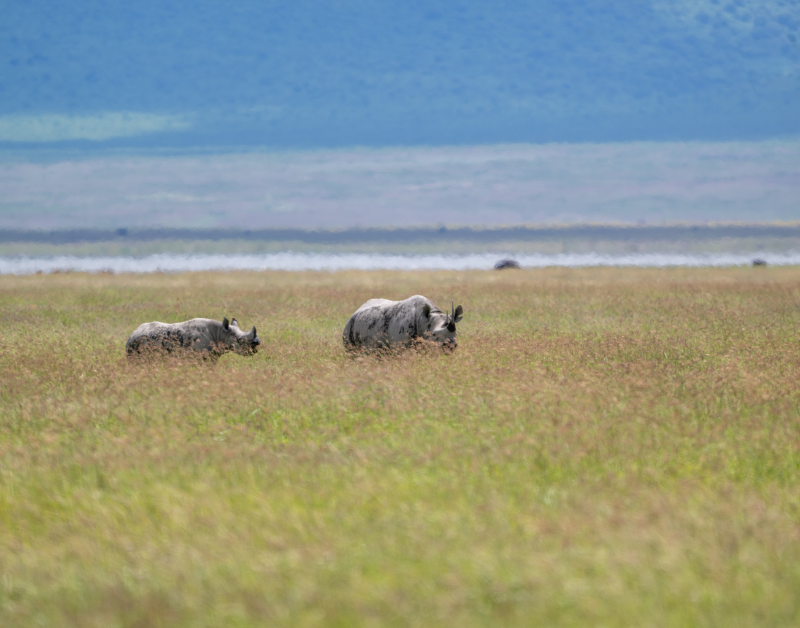
The Serengeti offers unique experiences year-round, but your choice of season can dramatically impact your trip. For instance, the dry season from June to October is ideal for witnessing the awe-inspiring Great Migration. During this time, wildebeest, zebras, and gazelles traverse the plains, making it a prime season for wildlife viewing. In contrast, the green season provides lush landscapes and is less crowded, offering a different yet remarkable Serengeti experience. It's essential to align your preferences with the seasonal patterns to maximize your adventure.
Timing your visit to coincide with these natural events requires a bit of planning. Use online resources to track the migration patterns and check out specialized safari packages like the 5 Days Budget Serengeti Camping Safari for curated experiences. This way, you’ll ensure that your Serengeti adventure is nothing short of spectacular.
Packing the right gear is crucial for a comfortable stay. The Serengeti's climate can range from cool mornings to warm afternoons, necessitating a versatile wardrobe. It’s advisable to pack lightweight, breathable clothing for daytime and warmer layers for the cooler evenings. Don't forget a sturdy pair of boots for walking safaris. Essentials like sunscreen, a wide-brimmed hat, and sunglasses are vital for sun protection during daytime explorations.
In addition to clothing, your packing list should also include camping essentials. Consider items like a portable solar charger for your electronic devices, a multi-tool for impromptu equipment fixes, and a durable water bottle. Camping in the wild also means being prepared for any surprises that mother nature may present. Review guides like the First Timer's Guide to Camping in the Serengeti for further insights into must-have gear specific to the Serengeti experience.
Familiarizing yourself with the park's rules not only ensures your safety but also protects the wildlife and environment. Seronera Campsite is an unfenced area, making adherence to park guidelines crucial for a safe and enjoyable experience. Park regulations are put in place to minimize human impact and preserve the natural habitats for the diverse animal species that reside there.
Strategically setting up your camp can be pivotal to your overall experience. When selecting a spot, consider its proximity to essential amenities such as restrooms and water sources. Also, be mindful of your surroundings and choose a site that offers a safeguarded, respectful distance from the wildlife. This balance ensures both convenience and safety.
Keep in mind that while camping in unfenced areas like Seronera-Campsite, you will be sharing space with the wilderness. It might be tempting to capture photos of wildlife approaching the campsite, but maintaining a safe distance is paramount for safety. Nighttime camps can bring unexpected visitors like hyenas roaming close by, making it imperative to follow general safety precautions shared by your guides.
Wildlife viewing is the highlight of any Serengeti adventure, and timing can play a significant role in maximizing your experiences. Early mornings and late afternoons are prime times for animal activity as temperatures are cooler, making these parts of the day ideal for drives and exploration. Observing animal behavior can also lead to more enriching sighting opportunities.
For an unparalleled experience, consider adding unique activities such as other tour Comapanies into your itinerary. These experiences provide a more intimate connection with the ecosystem, allowing you to engage with the environment beyond a traditional vehicle safari. Walking safaris, in particular, offer a chance to notice small details, from animal tracks to local flora, enriching your appreciation for the Serengeti.
Seronera Campsite is situated in a region teeming with remarkable attractions that extend beyond the campsite. The nearby Seronera Campsite Information Center serves as an educational hub where travelers can learn about the park's history, wildlife, and conservation efforts. This center provides valuable context that enriches your Serengeti adventure.
Beyond the information center, the area is known for its exceptional wildlife density. Regions such as the Ndutu and Ngorongoro Crater add layers to your adventure, providing a multitude of landscapes and ecological zones to explore. Incorporating these areas into your safari itinerary ensures you make the most of every moment spent in the Serengeti.
Practicing eco-friendly camping is not just about reducing your footprint; it's about preserving the Serengeti's pristine beauty for generations to come. Start by respecting the Leave No Trace principles, ensuring all waste is properly managed. Keeping the campsite clean not only maintains its natural allure but also reduces the risk of attracting wildlife to human areas.
When setting up camp, utilize existing campsites rather than creating new ones, protecting the native flora. In terms of fuel, opt for reusable sources, and refrain from picking up natural firewood, as it disturbs the ecosystem. Contributing to local economies by purchasing from markets around the camp and supporting conservation efforts ensures your trip has a positive impact right from the start.
Ensuring your safety is paramount while camping in the wild Serengeti Seronera Campsite. Always stay vigilant, particularly around animals, and adhere strictly to the advice given by park rangers and guides. Remember that while wildlife photography is thrilling, no picture is worth risking your safety—keep a respectful and safe distance from all animals.
Understanding animal behavior can greatly enhance your safety and overall experience. Familiarize yourself with tell-tale signs of aggression or distress. Being knowledgeable allows you to react appropriately and remain calm in unexpected encounters. Regularly attending safety briefings and taking their advice to heart ensures that you stay prepared for any situation, setting the stage for a memorable, safe adventure.
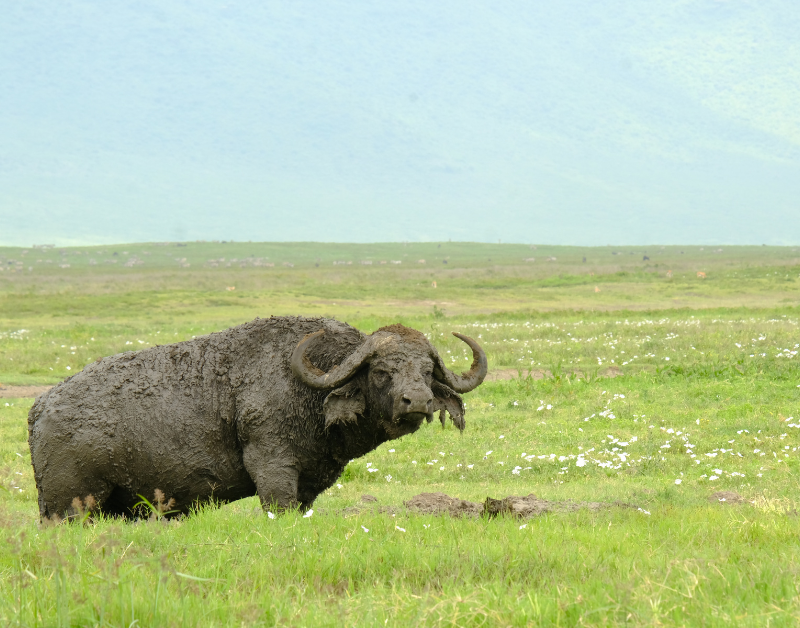
Q1. What is the best time to visit Seronera Campsite?
A. The best time to visit Seronera Campsite is during the dry seasons when wildlife viewing is easier. Animals gather around water sources, making safari experiences more exciting. However, every season offers a unique view of nature and wildlife.
Q2. What should I pack for a Seronera Campsite stay?
A. You should pack comfortable clothes, a warm jacket, sunscreen, insect repellent, and a good pair of shoes. A camera and binoculars are also useful for enjoying wildlife sightings. Packing light but smart helps make your stay more comfortable.
Q3. Is Seronera Campsite safe for travelers?
A. Yes, Seronera Campsite is generally safe when visitors follow campsite rules and safari guidelines. Experienced guides help ensure a secure and enjoyable experience. Staying aware of your surroundings makes your trip even better.
Q4. What kind of wildlife can I see near Seronera Campsite?
A. Seronera Campsite is known for its rich wildlife, including lions, elephants, giraffes, zebras, and many bird species. The area is famous for excellent game viewing opportunities. Early morning and evening safaris often provide the best sightings.
Q5. How can I make my Seronera Campsite experience more enjoyable?
A. To enjoy your stay, plan your activities, listen to your guide, and spend time observing nature. Respecting the environment and wildlife creates a better experience. A positive attitude and proper preparation make your campsite adventure memorable.
Planning a family safari in East Africa can be an exciting yet daunting task. With a myriad of options available, one of the first decisions to make is whether a luxury or budget Safari in East Africa best suits your family's needs. In this blog, we'll explore the differences between these two types of safaris, helping you make an informed choice for an unforgettable family adventure.
Luxury family safaris offer a premium experience with top-notch accommodations, personalized services, and exclusive access to remote areas. These safaris often include private guides, gourmet meals, and luxurious lodges or tents, ensuring a comfortable and unique safari adventure. High-end safaris might feature private game drives, providing a personalized and in-depth wildlife experience. You can enjoy peace and privacy while you gaze at the vast savannah, teeming with wildlife such as elephants, lions, and giraffes. Some luxury accommodations even include swimming pools, spas, and exclusive excursions like hot-air balloon rides for breathtaking views over the Serengeti. This unparalleled access ensures a truly immersive experience, all while enjoying the finer things in life.
One of the key aspects of a luxury safari is the exceptional service provided by staff, who are often well-trained local guides with extensive knowledge of wildlife behavior and conservation. This not only enhances the safari experience but also provides educational opportunities for families, allowing children to learn about the delicate balance of ecosystems. Moreover, such trips frequently coordinate custom itineraries that consider your family's specific interests and pacing, offering flexibility in scheduling game drives or cultural tours at nearby local communities. This might involve learning about the traditions of the Maasai or engaging with Swahili culture through interactive cooking classes. For more info visit here!
A luxury family safari focuses on exclusivity and personalization. Your family can enjoy private sundowners at picturesque spots, enjoy lavish meals in the bush, and even partake in exclusive photographic safaris to capture once-in-a-lifetime moments without the crowds. For those who cherish comfort, safety, and uniqueness, a luxury safari provides a fabulous one-of-a-kind journey where every detail is meticulously attended to. These unique experiences make luxury safaris appealing for families seeking an adventurous retreat without sacrificing any comforts of home.
Budget family safaris are designed to provide an authentic experience without breaking the bank. They typically involve more basic accommodations like camping or modest lodges, group tours, and a less tailored schedule, making them ideal for families who love adventure and are flexible with their travel plans. These safaris often encourage families to connect with the natural surroundings as they blend comfort with exciting exploration. Imagine sleeping under the open African skies, listening to the distant call of a lion or the gentle rustle of the windswept savannah—a magical and invigorating experience, especially for young explorers eager to discover the wild.
For budget-conscious families, budget safaris offer a sense of community and camaraderie. They foster a shared experience among families and friends as they journey through the plains of Safari in East Africa. The essence of budget Safari in East Africa lies in their simplicity, where the focus squarely rests on the awe-inspiring landscapes and diverse wildlife of the region. Travelling with other families with similar interests makes it more enjoyable, as kids find companionship and parents share stories, allowing the entire group to feel part of a larger adventure.
To maximize savings, budget safaris usually have fixed itineraries that encompass major wildlife hotspots such as the famed Serengeti National Park and the Ngorongoro Crater. Shared game drives are an excellent opportunity to see iconic animals like zebras, wildebeests, and majestic elephants, all while enjoying a cost-effective safari experience. While the accommodations might be basic, such as community-supported campsites, they often include traditional cuisine and cultural evenings where visitors are invited to witness traditional dances or engage in local storytelling.
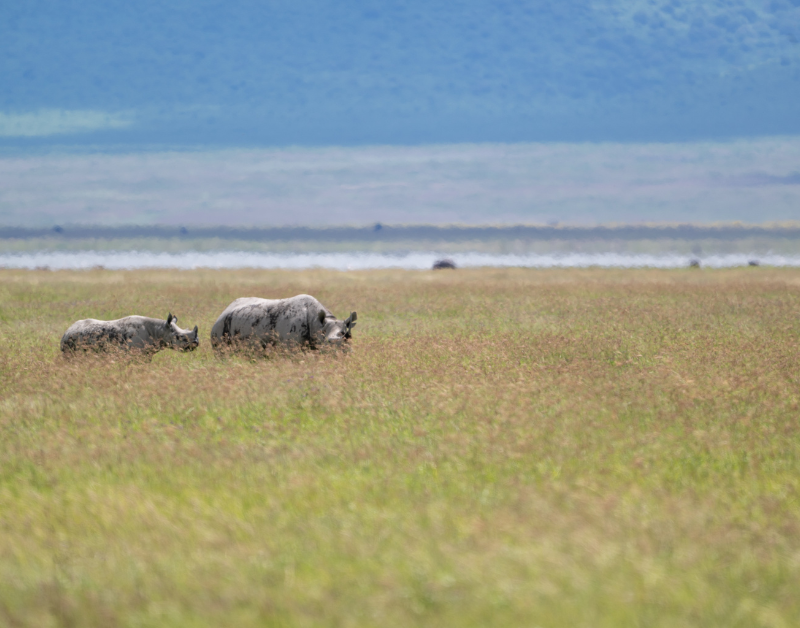
In luxury safaris, expect plush accommodations such as permanent safari lodges or glamping sites with en-suite bathrooms and elegant living spaces. In contrast, budget Safari in East Africa usually offer simple yet comfortable stays with basic amenities. This section will help you weigh the pros and cons of each to fit your family's preferences. Luxury lodges often nestle within prime wildlife areas, accentuated by expansive windows, decks, and observation points for premium sightings right from your room. Gourmet meals inspired by both local and international cuisines further elevate the experience, complemented by the availability of fine wines and spirits as commonly seen in high-end establishments. For those seeking a 'home away from home,' luxury accommodations serve perfectly.
Budget safaris might place you in the heart of nature, often in eco-friendly camps or rustically charming lodges that capture the authentic essence of safari expeditions. Well-maintained campsites provide secure, safe shelter with just enough amenities to ensure a comfortable stay. The emphasis here is more on exploration and adventure rather than on luxurious dwelling. Families can reconnect with the simpler joys of life while honing their appreciation for wildlife and natural beauty. Opting for simple lodges doesn't mean skimping on adventure—it invites a raw, thrilling connection to the land and its ancient rhythms.
Both luxury and budget safaris provide excellent opportunities to witness Safari in East Africa's iconic wildlife. Luxury options might include private game drives and nighttime safaris, while budget safaris can offer incredible group drives during the day. We'll discuss how each option affects the overall wildlife viewing experience. Private Safari in East Africa often navigate through exclusive access areas, allowing families to witness predators at dawn, rare animal behaviors, and lesser-known spots that defy the perennial tourist trail. This results in minimal disturbance and maximized wildlife encounters, giving your family time to capture memories without crowds.
Budget Safari in East Africa shine through group experiences where sharing stories and sightings amplify the thrill of spotting a lion's powerful stride or an elephant's dignified procession across the plains. Group walks and drives are led by knowledgeable guides passionate about their homeland. These shared excursions create bonds as families join forces to discover and learn about the region's fauna and flora. Cultural tours that might be available on budget safaris include visits to nearby traditional markets or schools, hence providing a more immersive, human connection to the region beyond just wildlife.
Whether opting for luxurious privacy or budget-friendly camaraderie, both choices promise unforgettable moments of gazing upon majestic wildlife against Africa’s unrivaled, arresting vistas. These safaris are ideally suited for families with a draw towards exploration, education, and creating lasting memories together. Take, for instance, the great migration in the Serengeti—a spectacle that captivates millions. Seeing masses of wildebeest and zebras navigating through treacherously crocodile-infested waters is a highlight of any safari, be it luxury or budget.
Budget is a crucial factor in planning a safari. Here, we'll explore how to balance costs with experience quality, ensuring you get the most value for your money. Whether you prioritize comfort or adventure, we provide tips on how to maximize your family Safari in East Africa experience within your budget. Begin by identifying what you want to experience most—be it luxury lodges or the immersive spirit of a tented camp. Research different packages bearing in mind seasonal fluctuations, as costs can rise significantly during peak migration periods. It may pay to travel slightly off-peak when crowds thin, yet wildlife sightings remain abundant.
Understanding what is included in your safari package is paramount. Some all-inclusive packages cover meals, guide services, and park fees, while others have hidden costs. Thus, scrutinizing details can help avoid unexpected expenses. A cost-effective strategy might be combining both types—enjoying some nights in a luxury lodge and others within a rustic camp. Families often find this blend elucidates a fuller understanding of Safari in East Africa vibrancy and allure. For fantastic wildlife adventures, consider Booking Your Perfect Wildlife Safari Package with comprehensive options that balance experiences with costs.
Q1. What is the main difference between a luxury and budget family safari in East Africa?
A. A luxury family safari offers premium lodges, private guides, extra comfort, and personalized services. A budget safari focuses on affordable stays, shared transport, and essential experiences. Both options can provide amazing wildlife adventures depending on your family’s needs.
Q2. Is a budget safari safe and suitable for families with children?
A. Yes, a budget safari can be safe and enjoyable for families when planned with a reliable tour operator. Many budget options include family-friendly camps and experienced guides. The main difference is usually the level of comfort and facilities available.
Q3. Which safari option gives the best wildlife experience for families?
A. Both luxury and budget safaris can offer great wildlife viewing in East Africa. The experience depends more on the location, season, and guide quality than the price. Luxury safaris may provide more private and flexible game drives.
Q4. How much does a family safari in East Africa usually cost?
A. The cost depends on the destination, trip length, accommodation type, and activities included. Budget safaris are designed to reduce costs, while luxury safaris include higher-end services. Families can choose an option that matches their travel budget.
Q5. Can families combine luxury and budget safari experiences?
A. Yes, many families choose a mixed safari style to balance comfort and cost. They may spend some nights in luxury lodges and others in affordable camps. This approach allows families to enjoy a complete East African adventure without overspending.
Whether you choose a luxury or budget safari, Safari in East Africa offers breathtaking landscapes and unforgettable wildlife experiences for the whole family. Consider your budget, preferences, and what type of adventure you want to embark on to create lasting memories on your family Safari in East Africa. If you’re ready to start planning your adventure, explore our Tanzania Family Safaris for unforgettable wildlife and cultural experiences.