Tarangire National Park is one of Tanzania’s most underrated safari destinations, offering a unique and intimate wildlife experience. Known for its large elephant herds, ancient baobab trees, and diverse birdlife, Tarangire is a must-visit for anyone planning a Tanzanian safari. Tarangire Safari Packages provide travelers with the opportunity to explore this hidden gem in comfort and style. In this guide, we’ll dive into the best Tarangire-Safari-Packages, top activities, and tips for planning your trip.
Tarangire-Safari-Packages are perfect for travelers seeking a quieter, off-the-beaten-path safari experience. Here’s why Tarangire should be on your safari itinerary:
This package is ideal for first-time visitors and includes:
For those seeking a premium experience, luxury Tarangire-Safari-Packages offer:
Tarangire is a great destination for families, and family-friendly packages include:
For photography enthusiasts, this package includes:
This package combines Tarangire with other iconic parks in Tanzania’s Northern Circuit, such as:
The best time to book Tarangire Safari Packages depends on what you want to experience:
Tarangire Safari Packages offer unparalleled value for travelers. They take the stress out of planning by providing all-inclusive itineraries, expert guides, and comfortable accommodations. Whether you’re dreaming of witnessing massive elephant herds, photographing ancient baobab trees, or simply enjoying a peaceful safari experience, Tarangire-Safari-Packages make it all possible. For more info visit here!
Q1. What makes Tarangire Safari Packages a great choice for wildlife lovers?
A. Tarangire-Safari-Packages offer a chance to explore one of Tanzania’s most beautiful wildlife areas. Visitors can enjoy amazing views, large elephant herds, and diverse animal species. It is a perfect option for travelers who want a memorable safari experience.
Q2. What animals can I see during a Tarangire safari?
A. During a Tarangire safari, you can spot elephants, lions, giraffes, zebras, buffaloes, and many bird species. The park is especially famous for its large elephant population. Every game drive brings new opportunities to see wildlife in its natural habitat.
Q3. What is the best time to book Tarangire Safari Packages?
A. The best time to book Tarangire-Safari-Packages is during the dry season when animals gather around water sources. This makes wildlife viewing easier and more exciting. However, the park remains enjoyable throughout the year with unique seasonal experiences.
Q4. How long should I spend on a Tarangire safari?
A. A 2 to 3-day Tarangire safari is usually enough to explore the park properly. It allows enough time for game drives and relaxing in the natural surroundings. Longer trips can also be combined with other Tanzania safari destinations.
Q5. Are Tarangire Safari Packages suitable for first-time safari travelers?
A. Yes, Tarangire-Safari-Packages are a great choice for first-time safari travelers. They provide comfortable planning, guided tours, and exciting wildlife encounters. The park’s peaceful environment makes it an ideal introduction to African safaris.
Tarangire Safari Packages are the key to unlocking an unforgettable wildlife adventure in one of Tanzania’s most unique national parks. With its iconic elephant herds, stunning baobab trees, and diverse wildlife, Tarangire is a destination like no other. By choosing the right package and planning ahead, you can create memories that will last a lifetime. Start planning your Tarangire safari today and get ready for the journey of a lifetime!
One of the most common questions travelers ask is: "How much does safari in Tanzania cost?" Rather than listing specific prices that quickly become outdated, it's more valuable to understand what factors cause safari costs to vary so dramatically. This guide will help you navigate the key elements that influence pricing for your dream Tanzanian safari.
When asking "how much does safari in Tanzania cost?", it's important to recognize that prices can vary by hundreds or even thousands of dollars per person based on several key factors. Here's a deeper look into what causes such variation.
1. Seasonal Demand Fluctuations
The time of year you visit significantly impacts How much does safari in Tanzania cost:
Even a shift of a few weeks can significantly affect how much your safari in Tanzania costs, so flexibility can mean substantial savings.
2. Accommodation Standards
Your choice of lodging is one of the biggest variables in How much does safari in Tanzania cost:
Each accommodation tier doesn’t just change your comfort level but also directly affects How much does safari in Tanzania cost from start to finish.
3. Safari Duration and Itinerary Complexity
The longer and more diverse your trip, the higher the overall cost—but also the richer the experience. Factors include:
The more elaborate your itinerary, the more you’ll need to invest—but the payoff is a truly unforgettable safari experience. For more info visit here!
4. Group Size and Privacy
How much does safari in Tanzania cost can change drastically based on how many people you're traveling with:
Group dynamics directly influence How much does safari in Tanzania cost, so consider your travel style and budget when choosing.
5. Included Amenities and Services
The finer details can significantly influence how much safari in Tanzania costs:
Beyond the more obvious cost components, several subtle elements play a role in determining how much safari in Tanzania costs.
1. Park Fee Structures
These fees often account for up to 30% of your total safari cost.
2. Operational Logistics
3. Economic Factors
When determining how much safari in Tanzania costs should be for your needs, look beyond the final figure and evaluate value:
Operator Reputation and Reviews:
Check Google, TripAdvisor, and SafariBookings for honest feedback.
Clear Inclusions and Exclusions:
A transparent quote avoids surprises and ensures you're comparing apples to apples.
Guide Experience and Local Knowledge:
The right guide can make or break a safari. Don’t compromise here.
Sustainability Commitments:
Choose operators with ethical tourism practices that benefit local communities and ecosystems.
Local vs. Foreign Ownership:
Local companies may offer better value and insights while contributing more directly to Tanzanian communities.
While we can't state exact figures for How much does safari in Tanzania cost, these strategies can help travelers stay within budget:
Q1. What is the average cost of a safari in Tanzania?
A. The cost of a safari in Tanzania depends on the duration, accommodation, and type of experience you choose. A budget safari can start from around a few hundred dollars per day, while luxury safaris can cost much more. Most travelers choose mid-range options for comfort and value.
Q2. Why are Tanzania safari prices different from one company to another?
A. Safari prices vary because of factors like transport, park fees, guides, meals, and accommodation quality. Some companies offer basic packages, while others include luxury lodges and private vehicles. Comparing what is included helps you understand the real value.
Q3. What factors affect the total cost of a Tanzania safari?
A. The main factors include the number of safari days, national parks visited, travel season, and accommodation style. Visiting popular parks during peak season usually costs more. Private safaris are also more expensive than shared group tours.
Q4. Is a budget safari in Tanzania worth it?
A. Yes, a budget safari can still provide an amazing wildlife experience if planned properly. Many budget options include professional guides, transport, and visits to famous parks. Choosing the right operator helps maintain quality while saving money.
Q5. How can I reduce the cost of my Tanzania safari?
A. You can lower costs by traveling during the off-season, joining a group safari, and selecting mid-range accommodations. Planning early can also help you find better deals. A well-organized itinerary allows you to enjoy more without overspending.
Rather than focusing solely on "how much does safari in Tanzania cost?" in dollar terms, we recommend a more holistic approach:
By grasping these cost drivers, you’ll be better equipped to choose a safari that delivers exceptional memories within your budget.
Tanzania is one of Africa’s premier safari destinations, offering incredible wildlife encounters year-round. But if you're wondering, "When is safari season in Tanzania?", the answer depends on what you want to experience—whether it’s the Great Migration, predator sightings, or lush green landscapes.
This guide breaks down Tanzania’s safari seasons, including:
Peak season vs. low season pros and cons
Best months for the Great Migration
Ideal times for birdwatching and photography
Regional variations in weather and wildlife
By the end, you’ll know exactly when safari season in Tanzania falls based on your travel goals, preferences, and expectations.
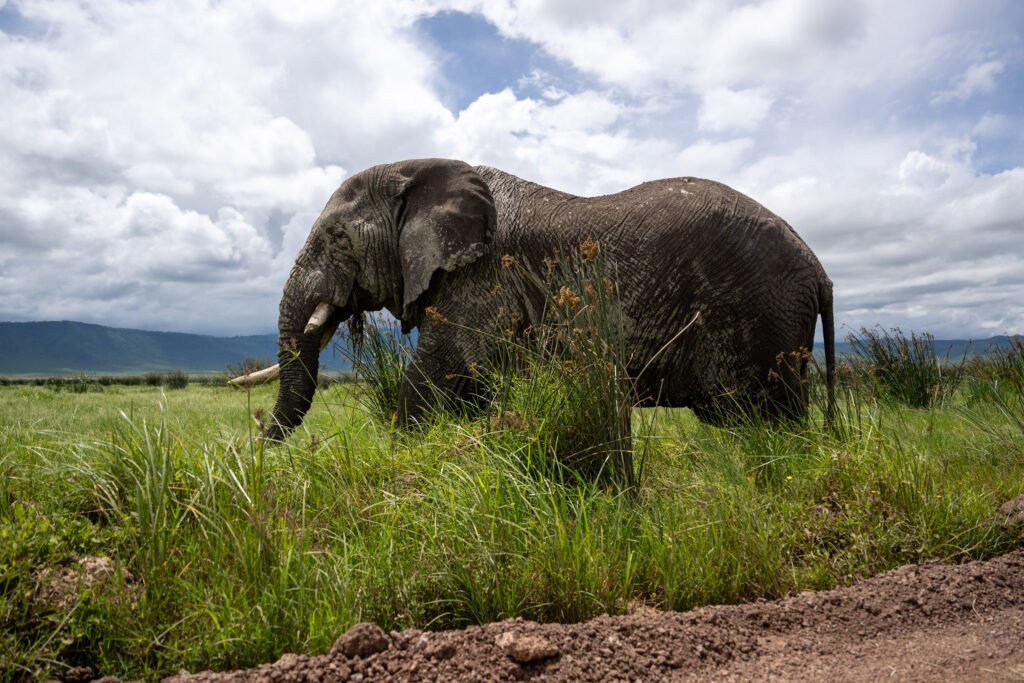
Tanzania has two main weather cycles—dry and wet seasons—which play a major role in shaping safari conditions and determining the best times for specific wildlife experiences.
This period is widely considered the prime time for safaris in Tanzania. If you're seeking the most rewarding game-viewing opportunities, this is often the best choice. For more info visit here!
Why it's ideal:
Wildlife congregates around waterholes, making animals easier to spot
Skies are mostly clear, ensuring great light for photography
Roads are accessible and less muddy, making travel between parks smoother
The Great Migration river crossings—some of the most dramatic wildlife scenes on Earth—take place during this time
Best for:
– First-time safari travelers
– Wildlife photographers
– Those prioritizing high-density sightings of big cats, elephants, and herbivores
– Tourists aiming to witness the famous Mara River crossings in the Northern Serengeti
Keep in mind: This is the busiest (and priciest) time of year, so early bookings are strongly advised.
This brief rainy window is a transitional phase between dry spells, offering a unique safari experience with lighter crowds and lush surroundings.
What to expect:
Afternoon or overnight showers that rarely disrupt full-day game drives
Greener scenery perfect for landscape photography
The arrival of migratory bird species, adding color and movement to your sightings
Greater lodge availability and more flexible itineraries
Best for:
– Budget-conscious travelers looking for quality at better rates
– Photographers seeking vibrant backgrounds
– Safari-goers who don’t mind a few showers in exchange for solitude
Often underestimated, this is Tanzania's true off-season, and while it's the wettest time of the year, it comes with its own advantages.
What makes it special:
Dramatic thunderstorms and plush green landscapes
Calving season for many animals—especially wildebeest—creating rich predator-prey activity
Fewer tourists, meaning you’ll often have entire sightings to yourself
The most competitive rates on accommodations and private safaris
Best for:
– Avid birdwatchers
– Adventurers who prefer uncrowded parks
– Repeat safari travelers who’ve seen the "classic" season and want something new
– Couples or solo travelers looking for peaceful wilderness experiences
One of the most sought-after safari experiences on Earth, the Great Wildebeest Migration takes place year-round but moves across different regions of the Serengeti.
Here’s a seasonal migration breakdown to help you plan:
December – March: Southern Serengeti
– Best for the calving season, where thousands of wildebeest give birth daily
– Prime time for predator action as lions, hyenas, and cheetahs follow the herds
April – June: Central to Western Serengeti
– Herds begin moving toward the Grumeti River
– The Western Corridor offers dramatic scenes of river crossings, though less publicized than the Mara
July – October: Northern Serengeti
– The famous Mara River crossings occur, with heart-pounding scenes of wildebeest dodging crocodiles
– Iconic for photographers and wildlife lovers alike
Pro Tip: The precise timing shifts slightly each year due to rainfall patterns. Always consult with a trusted safari planner for real-time insights.
Tanzania’s diverse ecosystem means that safari timing varies depending on the specific park or region. Here’s what you need to know:
Best: June – October
Good Alternative: January – March (calving season)
– World-famous for the Great Migration and predator-prey interactions
– Offers excellent game viewing year-round, with changing scenery and wildlife behavior
Year-Round Destination
Peak Viewing: June – September
– Due to its enclosed nature and rich resources, wildlife remains consistently abundant
– Excellent visibility during the dry season enhances crater floor exploration
Peak Safari Season: July – October
Low Season Perks: April – May
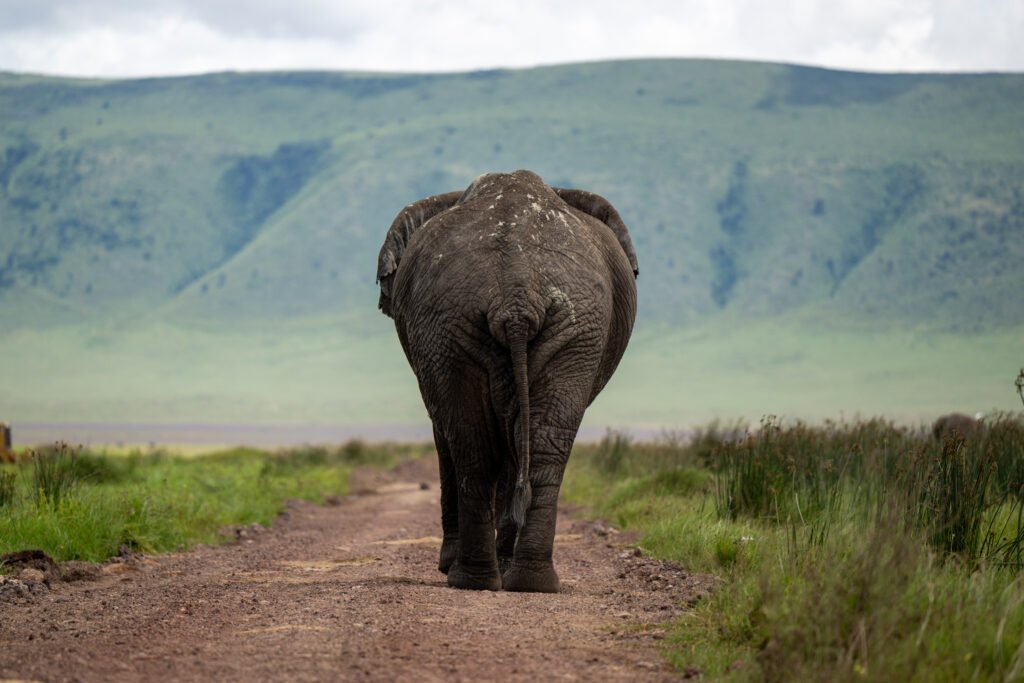
– Famous for massive elephant herds and ancient baobab trees
– During dry months, animals congregate around the Tarangire River in dramatic numbers
Best Time: June – October
Birding Peak: November – April
– Lesser-visited parks that offer raw, untamed landscapes and excellent predator sightings
– During the rainy season, rivers swell and migratory birds flourish, making it a paradise for bird enthusiasts
Frequently Asked Questions (FAQs)
Q1. What is the best time of year to go on a safari in Tanzania?
A. The best time for a Tanzania safari is usually from June to October because the weather is dry and wildlife is easier to spot. Animals gather around water sources, making game viewing more exciting. This period is also perfect for exploring famous parks.
Q2. Can I visit Tanzania for a safari during the rainy season?
A. Yes, Tanzania safaris are possible during the rainy season from November to May. The landscapes become greener, and many animals give birth during this time. It is also a great season for bird watching and fewer crowds.
Q3. When is the Great Migration in Tanzania?
A. The Great Migration happens throughout the year as millions of wildebeest and zebras move across the Serengeti. From around July to October, visitors can often see dramatic river crossings. Other months offer chances to view different stages of the migration.
Q4. Which month is best for seeing wildlife in Tanzania?
A. July to September are among the best months for wildlife viewing because animals are more concentrated in open areas. The dry season improves visibility and safari conditions. However, each season offers a different wildlife experience.
Q5. Is Tanzania safari suitable for first-time travelers?
A. Yes, Tanzania is one of the best destinations for first-time safari travelers. The country has well-managed parks, experienced guides, and diverse wildlife. With proper planning, visitors can enjoy a safe and memorable safari adventure.
The best time to go on safari in Tanzania truly depends on your personal preferences:
By aligning your travel dates with your interests—whether it's big cats, baby antelopes, or rare birds—you’ll discover your own perfect safari season in Tanzania.
When travelers ask "What are the best safari companies in Tanzania?", one name consistently rises to the top: Tanzania Classic Tours. With over 15 years of crafting exceptional wildlife experiences, they've earned their reputation as leaders in Tanzanian safaris. But what exactly makes them stand out among the best safari companies in Tanzania? Let's explore the seven key reasons in exhaustive detail to understand why they're the premier choice for discerning travelers seeking an authentic African safari experience.
Among the best safari companies in Tanzania, Tanzania Classic Tours boasts the most knowledgeable guides in the industry. Their rigorous guide training program lasts six months - twice as long as most competitors - ensuring unparalleled wildlife expertise. Each guide specializes in particular areas:
This exceptional knowledge transforms game drives into immersive educational experiences. Where other companies simply show you animals, Tanzania Classic Tours' guides help you understand intricate ecosystem relationships and conservation challenges. Their recent innovation - specialized night vision equipment for nocturnal wildlife viewing - demonstrates their commitment to cutting-edge safari experiences. For more info visit here!
The best safari companies in Tanzania understand that cookie-cutter tours don't satisfy today's sophisticated travelers. Tanzania Classic Tours' customization process begins with an in-depth consultation assessing:
Their signature "Safari Design Lab" employs former luxury travel concierges who craft hyper-personalized itineraries. Recent innovations include:
Private vehicle guarantees for all bookings
Flexible meal scheduling at remote bush locations
Exclusive-use camp options for complete privacy
Behind-the-scenes conservation experiences
When evaluating the best safari companies in Tanzania, ethical operations are non-negotiable. Tanzania Classic Tours' sustainability initiatives set industry benchmarks:
Wildlife Conservation
Community Empowerment
Environmental Stewardship
The best safari companies in Tanzania must deliver exceptional game viewing consistency. Tanzania Classic Tours' advantages include:
Exclusive Access
Seasonal Specialization
Innovative Viewing Methods
Consistently ranked among the best safari companies in Tanzania, their service excellence is validated by:
Recent Accolades
Service Differentiators
Safety protocols at Tanzania Classic Tours exceed industry norms:
Health Preparedness
Vehicle Safety
Crisis Management
While premium experiences command premium prices, Tanzania Classic Tours delivers exceptional value through:
Inclusive Excellence
Exclusive Perks
Satisfaction Guarantee
Q1. How do I choose the best safari company in Tanzania?
A. Choosing the best safari company depends on their experience, customer reviews, safari packages, guides, and safety standards. A good company should offer clear itineraries, professional guides, and support throughout your trip.
Q2. What services do Tanzania safari companies usually provide?
A. jobkMost safari companies provide transport, accommodation, park entry fees, meals, and guided wildlife tours. Many also help with airport transfers, custom safari plans, and additional activities like cultural visits.
Q3. Are private safaris better than group safaris in Tanzania?
A. Private safaris offer more flexibility, personalized schedules, and a quieter wildlife experience. Group safaris can be a more affordable option and are great for travelers who enjoy sharing the journey with others.
Q4. Which destinations do the top safari companies cover in Tanzania?
A. Leading safari companies usually cover famous destinations like Serengeti, Ngorongoro Crater, Tarangire, and Lake Manyara. They can also arrange trips to Zanzibar and Mount Kilimanjaro depending on your interests.
Q5. How much does a safari with a Tanzania safari company cost?
A. Safari costs vary based on the duration, accommodation type, season, and travel style. Budget options are available, while luxury safaris offer premium lodges, private vehicles, and exclusive experiences.
After examining all criteria that define the best safari companies in Tanzania, Tanzania Classic Tours emerges as the clear choice for travelers seeking:
For travelers truly seeking the best safari companies in Tanzania, Tanzania Classic Tours represents the pinnacle of African safari experiences - where every detail is perfected to create your ultimate wildlife adventure.
Planning a trip to the beautiful islands of Zanzibar? Understanding the ins and outs of the airport will ensure a smooth start to your journey. In this Zanzibar Airport guide, we'll cover everything travelers need to know about navigating Zanzibar's primary gateway.
Abeid Amani Karume International Airport, located in the heart of Zanzibar, is the main entry point for visitors to this stunning archipelago. Named after the island's first president, the airport comprises several terminals, with Terminal 3 handling the majority of international flights since its opening in October 2020. Visitors can expect modern facilities including a spacious waiting lounge, duty-free shops, and a variety of dining options. With flights connecting Zanzibar to major East African hubs, Europe, and the Middle East, the airport is a bustling hive of activity throughout the year. Understanding its layout can greatly enhance your airport experience, making the process smoother whether you're arriving or departing. From the architectural design to the services offered, the airport reflects the rich culture and hospitality that Zanzibar promises, setting the tone for an unforgettable stay on this island paradise.
Navigating through the airport is straightforward, with an emphasis on traveler convenience. The newer Terminal 3, dedicated to international operations, features a range of passenger support facilities such as prayer rooms, dedicated smoking areas, and a VIP lounge, ensuring both comfort and accessibility throughout your journey. These enhancements underscore the commitment to improving the travel experience in an increasingly competitive tourism landscape. Whether you're a first-time visitor or a seasoned traveler, the airport's setup is designed to cater to all your needs, right from arrival with clear signage guiding every step of the way, to departure, where you can relax in style, awaiting your flight while perusing the plethora of retail and dining options. Understanding the points of entry and facilities laid out across the terminals empowers travelers to navigate efficiently, ensuring a seamless experience from check-in to takeoff.

For most travelers arriving at Zanzibar, a valid visa is essential. Visitors can easily acquire a visa on arrival, which costs $100 for a multiple-entry visa valid for 90 days, making it convenient for those who plan to extend their stay. However, it's advisable to process your visa in advance through Tanzania e-Visa for expedited entry. This process starts with ensuring your passport is valid for at least six months beyond your intended stay. Citizens from certain countries, like South Africa, do not require a visa to enter and can benefit from streamlined processing. Make sure to have all required documentation, including return tickets and proof of accommodation, readily available to avoid delays. Visitors are encouraged to contact their local Tanzanian embassy to clarify specific entry requirements, as these can vary depending on nationality. These measures are not only necessary for entry but also play a part in ensuring a secure and seamless travel experience within Tanzania.
Vaccination is another important consideration, especially for travelers arriving from specific regions. It's highly recommended, though not mandatory, to have a yellow fever vaccination certificate if you're coming from high-risk areas. This health precaution extends into Zanzibar, where malaria is prevalent, and preventative medication is advisable. Zanzibar Travel Insurance provide useful insights for health measures, suggesting Health Insurance as part of preparation. Staying informed about the latest health guidelines and entry regulations can prevent any last-minute hiccups at the airport and ensure a stress-free start to your vacation. Embarking on your journey to Zanzibar is made significantly smoother with awareness of both entry and health requirements, so take the time to research and prepare adequately.
Clearing customs and security at Zanzibar Airport is generally a straightforward process. Upon arrival, be prepared to present your completed arrival form—these are usually distributed during your flight. The airport staff are generally quite efficient, but keeping your documents organized will facilitate a faster clearance. Commonly, you'll need your passport, visa or proof of entry eligibility, and health certificates if applicable. Zanzibar Airport has enhanced its customs process over the years to accommodate the growing number of tourists, ensuring that your transition from airplane to paradise is as smooth as possible. Zanzibar Airport customs officers are strict about carrying plastic bags, as these are banned to protect the local environment.
Security procedures are in place to ensure the safety of all passengers. Upon landing, you'll pass through a baggage screening area where it is standard protocol for all luggage to be scanned, a measure designed to safeguard both tourists and locals. It’s recommended to declare any high-value items to avoid complications. Familiarizing yourself with these security protocols in advance can be beneficial. Additionally, the friendly airport staff are usually at hand to guide and assist travelers through these processes, making the experience efficient and welcoming.
After landing at Zanzibar Airport, travelers have several transportation options to choose from to reach their accommodations. The most popular method is hiring an airport taxi; these are reliable and can be easily found outside the terminal. It’s wise to agree on a fare beforehand, ensuring a smooth transition from airport to destination. For the budget-conscious traveler, local dala-dalas, though often crowded, present an authentic and economical travel experience Zanzibar Airport Terminal 3. For an added touch of convenience, many resorts offer private shuttles—often included with your booking—that guarantee direct service to your lodging.
Those seeking more flexibility can opt for car rental services available at the airport. This option is particularly useful for travelers wanting to explore Zanzibar beyond the popular tourist sites, offering the freedom to travel at your own pace. A word of caution: familiarize yourself with local driving laws and common road conditions to ensure safe travels. For a seamless start to your Zanzibar adventure, organizing your airport transfer in advance is strongly recommended. Your hotel or a reputable provider can arrange transfers, allowing you to effortlessly begin immersing yourself in all that this beautiful destination has to offer.

Zanzibar Airport offers various services and amenities designed to enhance your travel experience. The new Terminal 3, known for its modern design, features ample waiting areas and business zones complete with Wi-Fi access. Should you require cash, currency exchange services are present, although it’s advisable to carry some local currency in advance due to variable exchange rates. Duty-free shopping is available for those interested in purchasing local products and souvenirs, offering a selection of items to commemorate your journey.
Food and beverage options cater to a range of tastes, with cafes and restaurants serving local and international cuisine. Whether you're looking for a quick snack or a leisurely meal, the airport provides ample choices to satisfy your palate. Families traveling with children can make use of dedicated kid-friendly areas, while infants and parents will appreciate the family restrooms and changing facilities. The airport’s thoughtful approach to comprehensive passenger care ensures that everyone, from solo adventurers to large families, can travel comfortably.
To make the most of your time at Zanzibar Airport, a few additional tips can go a long way. First, consider travel insurance to cover unexpected medical needs, cancellations, or theft, prioritizing peace of mind as you explore the island. Using technology, such as flight tracking apps and digital boarding passes, can simplify logistics and help you stay informed of any changes. Packing essentials like a portable charger ensures your devices remain functional, ideal for communication or navigation upon arrival.

To navigate Zanzibar’s unique climate, dress comfortably, and carry essentials like sunscreen and a refillable water bottle. Staying hydrated is key in the tropical heat, and leveraging the airport's amenities to make transitions seamless can ensure your travel is both efficient and enjoyable. Moreover, staying connected with locals through simple Swahili phrases or cultural gestures is a wonderful way to enrich your vacation. Each of these details contributes to a successful travel experience, leaving you free to enjoy everything that Zanzibar has to offer.
With this comprehensive guide to Zanzibar Airport, you're equipped with the essentials to navigate like a pro. Whether it's knowing about entry requirements or organizing transportation after arrival, a bit of preparation goes a long way in ensuring a seamless travel experience.
Nestled in the heart of the Serengeti, Seronera Campsite is a paradise for nature enthusiasts and adventure seekers alike. Whether you're yearning for a breathtaking safari or a peaceful retreat under the African stars, this campsite offers a wealth of exciting activities to make your stay unforgettable.

Experience the thrill of witnessing the majestic wildlife of the Serengeti. A safari at Seronera offers up-close encounters with elephants, lions, zebras, and more. Guided tours provide insights into the park's unique ecosystem and the behaviors of its inhabitants, offering a truly immersive experience. You might find yourself captivated by the rhythmic movements of a herd of elephants or the solitary grace of a leopard resting in a tree. Each safari is a chance to learn about the preservation efforts that help keep these environments thriving.
The Serengeti is not just about big animals. As you venture deeper into the campsite, you'll discover the smaller gems that make this ecosystem so vibrant. Watch in awe as a cunning jackal hunts, or spot a curious meerkat standing sentinel. Each outing offers a new story and connection to the intricate tapestry of life, making every safari a unique experience.
Rise early to catch the stunning sunrise over the vast savannah or relax in the evenings as the sun dips below the horizon. The vibrant colors painting the sky turn every sunrise and sunset into a photographer's dream, perfect for capturing unforgettable moments. The atmospheric changes not only create a stunning visual but also signal shifts in the animal behavior; predators winding down from their night hunts or grazers stepping out to feed. It's this blend of visuals and wildlife that makes each dawn and dusk an event in its own right.
For the best shots, position yourself atop the rolling hills surrounding the campsite, where panoramic views unfold before your eyes. As the soft light envelops the landscape, even the familiar acacia trees take on a new charm, casting long, dramatic shadows across the terrain.
For those who enjoy exploring on foot, the nature trails around Seronera campsite offer spectacular views and a chance to connect with the untouched wilderness. Whether you're a seasoned hiker or a casual walker, these trails provide a serene escape into nature's heart. Walking quietly through the savannah, you'll appreciate the smaller details of the ecosystem, from the busy ants carrying loads much larger than themselves to the tiny ephemeral flowers poking through the earth.
As you traverse the trails, the serenity is occasionally punctuated by the distant roars of a lion or the bird calls above. Each step presents a new soundscape, a reminder of your place within this vibrant environment. It's not only a physical journey but a meditative one, allowing you to unplug and rejuvenate amid one of the world's most incredible natural landscapes. Keep a lookout for interpretive signs that provide fascinating insights into the flora and fauna you encounter.

Home to diverse bird species, Seronera Campsite is a haven for birdwatchers. From colorful passerines to majestic raptors, birdwatching tours offer a glimpse into this vibrant avian world, enhancing your appreciation for the Serengeti's biodiversity. The sight of a fish eagle soaring against the morning sun or the melodious songs of woodland kingfishers will captivate both novice and seasoned birders.
Organized birdwatching walks with a local guide can turn a simple stroll into an educational journey, revealing the hidden lives of these feathered creatures. Capture the spirited antics of lilac-breasted rollers or the regal silhouette of a secretary bird stalking its prey. Birdwatching in Seronera campsite is more than observing; it's about connecting with the rhythm and flow of the African landscape.
After a day filled with adventure, unwind with some stargazing. The clear skies of Seronera Campsite reveal a blanket of stars above, offering a tranquil moment to reflect on the day's experiences and the beauty of the natural world. With little light pollution, the serenity of the African night sky can leave you feeling a profound sense of connection to the universe.
Consider joining a guided stargazing session to enrich your experience. Learn about the southern constellations, planets visible to the naked eye, and tales of African nights linked to the celestial phenomena. It's a peaceful activity that rounds off your day with the perfect mix of wonder and relaxation.
Just a short drive from the campsite, the Mawe Meupe Picnic Site provides an idyllic setting for a leisurely afternoon. Enjoy a packed lunch amidst sweeping landscapes and perhaps spot a few giraffes peacefully browsing nearby. This scenic spot offers both a change of pace and a deeper dive into the Serengeti's inviting environment. Beyond the obvious appeal of dining al fresco, it's an opportunity to stretch your legs and maybe even indulge in a bit of sketching or writing, inspired by the breathtaking backdrop.

Immerse yourself in the rich cultural heritage of the area. Interacting with local communities provides a unique perspective on traditional Maasai customs and their harmonious relationship with the land, enhancing your adventure with cultural enlightenment. Through stories and shared experiences, gain insights into their sustainable practices, age-old traditions, and how they’ve adapted to modern challenges while preserving their cultural identity.
Visits to Maasai villages often include a peek into the colorful artistry of beadwork or a chance to participate in traditional dances. It's a bonding experience that opens a window into the resilient spirit and wisdom of the Maasai, allowing you an authentic glimpse into a lifestyle intricately woven into the tapestry of the Serengeti.
Tanzania, a gem in East Africa, is not only renowned for its breathtaking landscapes and vibrant culture but also its reputation as a safe haven for travelers. Whether you're heading there to explore the Serengeti's wildlife or to relax on the pristine beaches of Zanzibar, this country offers much more than just beautiful sights. In this blog, we'll delve into why Tanzania is considered one of the safest countries in Africa for tourists.
Tanzanians are renowned for their hospitality and friendliness. Visitors often remark on the warm welcomes they receive and the genuine kindness of the local people, making it easy for tourists to feel at home. From bustling markets in Dar es Salaam to the serene beaches of Zanzibar, locals are always ready to lend a helping hand or share a smile. This friendliness not only makes your stay more enjoyable but also adds a layer of security as you move through the country. Whether you’re dining at a local eatery or bargaining at a market, you’re sure to encounter the inviting and supportive spirit of the Tanzanian people. For more info visit here!
Tanzania enjoys a stable political environment compared to many of its neighbors. The country's ongoing commitment to peace and democracy ensures a tranquil atmosphere for tourists who wish to explore all that it has to offer. The government consistently works to maintain law and order, providing a stable background that supports the tourism industry. This stability is reflected in international advisories, which often mark Tanzania as a safe destination, thus attracting visitors from around the globe.
Crime rates, particularly in tourist areas, are relatively low. The presence of community policing and security measures mean travelers can enjoy their stay without undue worry. Tourist hotspots like the Ngorongoro Crater and the island of Zanzibar are well-patrolled by local law enforcement to ensure the safety and security of visitors. Moreover, Tanzania's reputation as one of the top safest countries in Africa is further supported by these proactive safety measures.
With well-maintained roads and growing infrastructure tailored to support tourism, getting around Tanzania is not only convenient but also safe. Plenty of reputable tour agencies ensure travelers can navigate the country securely. Infrastructure improvements have been significant in recent years, contributing to safer travel conditions and enhancing the overall visitor experience. Whether traveling by road to national parks or flying between cities, tourists can rely on trusted services for a safe passage through this incredible country and this is what makes it one of the Safest Countries in Africa.
Tanzania offers accessible and efficient emergency services. Whether it's a health emergency or a need for police assistance, services are increasingly reliable, providing peace of mind to tourists. The country has invested in its medical facilities and emergency response capabilities to ensure that help is readily available when needed. Tourists can travel with confidence, knowing that there are systems in place to handle any unforeseen situations that might arise during their adventures.
Tanzania is home to some of the world's most famous national parks and reserves. Security measures are implemented effectively to ensure the safety of visitors while they enjoy the wonders of nature. Parks like the Serengeti and the Ngorongoro Crater are staffed by well-trained rangers who monitor both the wildlife and the safety of tourists. The presence of these rangers, alongside clear guidelines for park activities, helps create a safe environment for visitors to enjoy the awe-inspiring wildlife experiences Tanzania has to offer and making it one of the Safest Countries in Africa.
International travel advisories seldom issue warnings against visiting Tanzania, reflecting its status as a reliably safe travel destination within the region. This confidence from global agencies is due to rigorous safety protocols and the country's dedication to ensuring a secure environment for its visitors. As evidenced by the increased popularity of Tanzanian safaris, tourists feel assured of their safety throughout their journeys.
Local governments are proactive in addressing any potential threats to public safety, working closely with community leaders to maintain peace and order across regions heavily frequented by tourists. Initiatives include community engagement programs and law enforcement training aimed at preemptively addressing any security concerns. This proactive approach ensures a welcoming and stable environment for all visitors, allowing them to focus on creating unforgettable experiences.
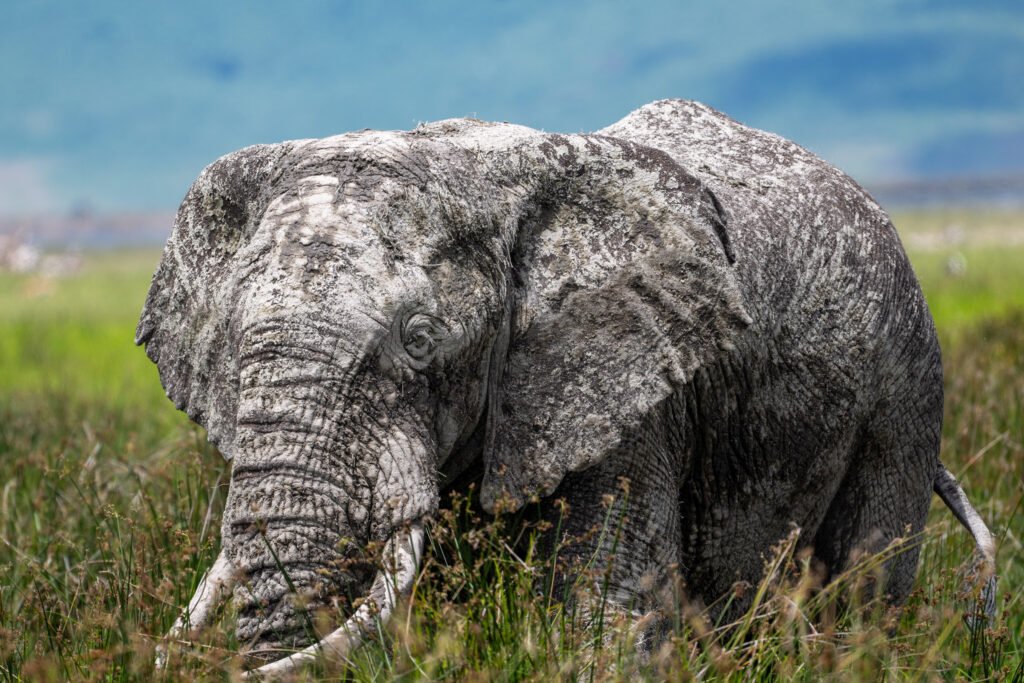
Tanzania boasts highly trained and experienced tour guides who are well-versed in ensuring tourist safety, providing valuable insights and assistance to ensure a safe and enriching experience. These guides are well-acquainted with local wildlife behaviors, cultural history, and navigation, allowing them to offer an informative and secure journey through the stunning landscapes of Tanzania. Their hospitality and knowledge not only enhance the tour but significantly reduce any potential risks to tourists and making it one of the Safest Countries in Africa.
Cities like Dar es Salaam offer a vibrant cultural experience with low rates of serious crime compared to other major cities in Africa, making urban exploration both safe and enlightening. Visitors can explore historic sites, local markets, and culinary delights without excessive concern for safety. Enhanced police presence and community awareness efforts in these urban centers further bolster their reputation as safe destinations for global travelers.
Tanzania's strong diplomatic relationships contribute to its stability and security, with international collaborations enhancing the safety measures in place in tourist-heavy areas. These partnerships support local initiatives to safeguard visitors and improve infrastructure, showcasing Tanzania's commitment to maintaining its reputation as a safe and inviting destination. This cooperation also strengthens the trust of international visitors, encouraging exploration and repeated visits.
Diverse ethnic and religious communities coexist peacefully within Tanzania, fostering an environment of mutual respect and understanding that extends to its visitors. This legacy of harmony is a testament to the collaborative and inclusive spirit that defines Tanzanian society, providing a strong foundation for welcoming travelers from around the world. This cultural mosaic enriches the travel experience, offering a tapestry of traditions and stories to discover and appreciate and making it one of the Safest Countries in Africa.
Q1. Is Tanzania safe for tourists to visit?
A. Yes, Tanzania is considered one of the safer destinations in Africa for tourists. Millions of travelers visit every year for safaris, beaches, and cultural experiences. By following normal travel precautions, visitors can enjoy a safe and memorable trip.
Q2. What safety precautions should tourists take in Tanzania?
A. Tourists should keep their belongings secure, avoid walking alone in unfamiliar areas at night, and follow local advice. Using trusted tour operators and guides can make the journey more comfortable and safer.
Q3. Is it safe to go on a safari in Tanzania?
A. Yes, going on safari in Tanzania is generally very safe when traveling with professional guides. Safari guides are trained to handle wildlife encounters and follow strict park safety rules. Visitors should always listen to their guide’s instructions.
Q4. Are Tanzania’s tourist areas safe for international visitors?
A. Popular tourist areas like national parks, safari lodges, and beach destinations are designed to welcome international travelers. These areas have experienced staff, security measures, and services that help tourists feel comfortable.
Q5. Is Tanzania safe for solo travelers and families?
A. Tanzania can be a safe choice for both solo travelers and families with proper planning. Choosing reliable accommodations and organized tours helps create a smooth and enjoyable travel experience.
Embarking on a safari in the Serengeti is a dream for many nature lovers and adventurers. The vast landscapes, incredible wildlife, and breathtaking sunsets create an experience unlike any other. But did you know that the type of vehicle you choose can significantly impact your safari adventure? In this blog, we'll explore how African safari cars are specifically designed to enhance your experience, ensuring your journey through the Serengeti is as enjoyable and enriching as possible.
African Safari cars are not just a mode of transport; they are your gateway to the Serengeti's wonders. Offering comfort, safety, and mobility, these vehicles are tailored for exploring the rugged landscapes of the African wilderness. Selecting the right safari car is crucial to ensuring that your journey is not merely a trip, but a unique experience that brings you closer to nature. For instance, Altezza Travel emphasizes that a quality safari car enhances game viewing and provides necessary comfort on Tanzania’s challenging terrains.
Leading safari operators, like Tanzania Classic Tours, use vehicles that are designed to handle the diverse environments of the Serengeti. From the lush plains to the rocky terrains, these cars ensure a seamless transition across all landscapes. The expertise of vehicle design allows travelers to venture into the heart of the Serengeti, capturing the rich diversity of life that calls this unique ecosystem home. For more info visit here!
African safari cars are equipped with features like pop-up roofs and large windows that provide unobstructed views, allowing passengers to capture amazing photos and observe wildlife closely without disturbing their natural habitat. The custom-built safari vehicles offer unparalleled game-viewing experiences, showcasing panoramic views of the endless plains and the awe-inspiring wildlife.
Designed for photographers, these vehicles come with bean-bags or mounts for camera stability, ensuring each image reflects the stunning beauty of the Serengeti. With the help of customized storage space and charging facilities, photographers and tourists alike can keep their equipment safe and powered throughout the journey. As you venture into the captivating heart of the Serengeti, the design of these vehicles does indeed become an indispensable companion to your experience.
Designed to traverse difficult terrains, safari vehicles are built with robust suspension systems and all-terrain tires. Their interiors provide comfort during long drives, ensuring you can fully enjoy your expedition. At Tanzania-Experience, the quality of these vehicles is emphasized, promising rugged stability while maintaining the comfort necessary for hours spent on bumpy tracks.
The vehicles come equipped with coolers to keep refreshments chilled, sockets for charging devices, and soft-cushioned seats. These features all contribute to a secure and pleasant escapade through untamed territories. With the unpredictable factors of the safari, from the sudden appearance of wildlife to the ever-changing weather, the importance of a safe and comfortable vehicle cannot be overstated.
The experience of a professional safari guide is invaluable. They navigate the paths, share insights about the ecosystem, and maximize your chances of encountering diverse wildlife, all while ensuring your safety. Guides from Takims Holidays undergo rigorous training, so they are well-equipped to enhance your safari experience by sharing rich knowledge about the wildlife and the local environment.
The seamless blend of these guides’ expertise with the vehicles' superior functionalities ensures that each journey into the wilderness is both educational and exhilarating. With a skilled guide behind the wheel, travelers can focus entirely on enjoying the spectacle that the Serengeti offers, from the awe-inspiring migration of wildebeest to the stealthy emergence of the big cats.
With growing awareness of sustainable tourism, many safari companies are opting for eco-friendly vehicles. These minimize environmental impact while still offering exceptional safari experiences, contributing to conservation efforts. Mili Adventure Africa highlights the importance of environmentally conscious vehicle choice, reinforcing the need for balanced and sustainable tourism practices.
Eco-friendly safari vehicles are often equipped with solar panels and advanced engine systems, designed to reduce footprint in these fragile environments. This new wave of green initiatives not only supports national park conservation goals but also enhances the experience of the modern-day explorer keen on minimizing their environmental impact while maximizing their exploratory spirit.
Q1. Why are African safari cars important for a Serengeti safari?
A. African safari cars provide comfort, safety, and better wildlife viewing opportunities during your journey. They are designed to handle rough terrain and allow travelers to explore remote areas of the Serengeti. With experienced guides, these vehicles help you enjoy a smooth and memorable safari experience.
Q2. What features make safari cars suitable for Serengeti wildlife tours?
A. Safari cars are built with high clearance, strong suspension, and open viewing areas to make wildlife spotting easier. Many vehicles have pop-up roofs that allow visitors to stand and observe animals comfortably. These features help travelers capture amazing moments while staying protected.
Q3. Can African safari cars improve your chances of seeing animals?
A. Yes, safari vehicles help you reach different parts of the Serengeti where animals are commonly found. Skilled drivers know the best routes and understand animal behavior, increasing your chances of seeing lions, elephants, giraffes, and other wildlife. They also help maintain a safe distance from animals.
Q4. Are safari cars comfortable for long Serengeti journeys?
A. Modern African safari cars are designed for long-distance travel with comfortable seating and enough space for passengers. They often include charging points, storage areas, and large windows for better views. This makes long drives across the Serengeti more enjoyable.
Q5. How do safari cars make a Serengeti adventure safer?
A. Safari cars provide a secure environment while exploring areas with wild animals. Professional guides follow safety rules and ensure travelers have a responsible wildlife experience. The strong design of these vehicles offers protection while allowing close encounters with nature.
African safari cars play a crucial role in making your Serengeti adventure truly unforgettable. Their design, technology, and the expertise of safari guides ensure a seamless and immersive journey. Whether you're spotting the Big Five or capturing a stunning sunset, these vehicles enhance every moment spent in the Serengeti. So, when planning your safari trip, remember that choosing the right vehicle is as important as the destination itself. To kickstart your journey, explore our homepage for exciting safari packages.
Planning a safari adventure in Tanzania is exciting, but understanding the local currency can be a bit daunting for first-time visitors. In this guide, we'll explore everything you need to know about Tanzania currency to make your trip as smooth and enjoyable as possible.
The official currency of Tanzania is the Tanzania currency Shilling, often abbreviated as TZS. It comes in both coins and notes, offering a wide range of denominations to ensure convenience for all kinds of transactions. Coins typically range from 50 to 500 TZS, while banknotes can range from 1,000 to 10,000 TZS. This variety means you need to carry different denominations for ease while traveling, especially for day-to-day expenses in local markets or for transportation.
The exchange rate for TZS can fluctuate, so it’s a good idea to keep an eye on conversions to popular currencies like USD or EUR before and during your visit. This way, you can know exactly how much your money is worth and plan your budget accordingly. For current rates, websites like xe.com can offer reliable information. For more info visit here!
Tanzania currency offers more than just a method of transaction; it’s etched with the country's rich cultural heritage and natural wonders. Banknotes are beautifully designed with images of native wildlife, notably the African elephant and giraffe, and other iconic landscapes such as Mount Kilimanjaro. This adds an educational and aesthetic value, making each note a little piece of Tanzanian culture. When receiving change, make sure the banknotes are in good condition, as damaged notes are often refused by vendors. It’s also worth mentioning that US dollars are widely accepted in tourist areas, but you'll find that using local shillings might offer a better deal, especially in local markets where prices can often be inflated for dollars.
Exchange your money in reputable places such as banks or authorized currency exchange bureaus to get the best rates. It's advisable to avoid exchanging currency at airports or hotels where rates can be less favorable. For a smoother exchange process at banks or official exchange points, have your passport handy as it may be required. Also, beware of unofficial exchange locations that might offer slightly better rates at the risk of counterfeit currency—it's not worth the gamble. Staying aware of current exchange rates can help you make informed decisions. Visiting official websites or using currency conversion apps can provide you with real-time updates and allow you to budget your trip effectively.
When planning your budget, consider splitting your cash reserves between Tanzania currency Shillings and US Dollars. While US Dollars are widely used, particularly in tourism and for larger expenses like booking safaris or accommodations, Tanzania currency Shillings are crucial for small transactions, such as buying souvenirs or dining in smaller, localized eateries. Having a bit of both currencies will not only ensure smooth transactions but might also help you save as local vendors might charge a premium for payments in USD. For instance, when purchasing souvenirs or utilizing services in markets, using Shillings can often yield better prices. Explore local banks such as CRDB or NMB for exchanging larger amounts as they generally offer competitive exchange rates.
While credit and debit cards are accepted in urban areas and tourist hotspots, it's important to carry cash for transactions in rural areas or local markets where cards might not be accepted. Many luxury hotels, high-end restaurants, and major tourist attractions do allow for card payments; however, a transaction fee of around 3-5% might be added, so it's wise to check with your bank on international transaction fees.
Prior to your trip, inform your bank of your travel plans to prevent your cards from being unexpectedly blocked due to suspicion of fraud. It’s also a good idea to keep the bank’s international contact number handy for any issues that may arise during your travels. Utilizing banks like Barclays or Standard Charted in larger cities can also provide a reliable ATM service for cash withdrawals if needed.
In Tanzania Currency, especially in less commercialized areas, cash is king. While places that cater significantly to international visitors, like Zanzibar or Arusha, often accept cards, smaller businesses, local vendors, and rural establishments primarily transact in cash. As a tip, carry both TZS and USD as backup; the former for daily expenditures and the latter for more substantial payments or as an emergency fund. For added convenience, apps like Google Pay or Apple Pay are being increasingly recognized, although not yet universally accepted. Remember to draw cash during daytime hours in safe, busy areas and avoid carrying large sums at once to minimize potential losses.
One unique aspect of Tanzania Currency is that some places may allow for payment in other major currencies such as Euros or British Pounds, though these are the exception rather than the norm. Therefore, it is advisable to have predominantly Tanzania currency Shillings for smaller transactions. If bringing cash from abroad, make sure notes are in pristine condition as damaged or overly worn bills may not be accepted. Additionally, travelers should consider travel credit cards that offer benefits like no foreign transaction fees, travel insurance coverage, or free currency exchange, adding safety and convenience to your journey. Keep these insights in mind when preparing for your safaris, city adventures, or lounging in beautiful Tanzanian beaches.
Keeping small denominations for convenient transactions is crucial in Tanzania Currency, where having the exact or close-to-exact change can speed up the purchasing process. The importance of practical cash handling cannot be overstated, as it will contribute significantly to an enjoyable travel experience. Use money belts or hidden pouches under your clothing to keep your cash secure, especially in crowded areas or bustling market streets, which can be quite vibrant but also avenues for pickpockets. Being discreet when handling cash is always a good practice, drawing as little attention as possible. While ATMs in major cities are generally reliable for withdrawals, it's best to plan your cash flow ahead, as rural areas may not offer such facilities easily.
Additionally, carrying a small change pouch makes everyday purchases much more straightforward. This way, you can keep larger denominations safely stored in a money belt or your hotel safe while using smaller bills for on-the-go expenses like cab fares, street food, or tipping. If possible, draw out just enough cash for a day or two to minimize losses should your wallet be misplaced.
For accommodation, most established hotels provide safes for valuables, giving you confidence in their security while you explore the beautiful terrains of Tanzania Currency. Besides, keeping track of your expenditures will help you stay budget-conscious, especially in enthusiastically bustling environments where it's easy to lose track of spending. Remember, a little planning goes a long way when it comes to managing your travel finances.
Another valuable tip is to separate your cash reserves; keep some in a secure location like a hotel safe, another portion within your money belt, and perhaps a small sum in a readily accessible wallet. This ensures you are not left in a difficult situation should you misplace part of your funds. In eventuality of losing some cash, always having a backup ensures that your adventures stay on track. For added safety, record transactions either manually or using an app to track your spending habits. Ensuring a mix of digital and tangible payment options will facilitate smooth financial operations during your Tanzanian excursion.
Tipping in Tanzania is quite appreciated, but the absence of it won’t cause offense. Gratuities are a thoughtful way to show recognition for the exceptional service you might receive during your stay. Knowing customary tipping practices in Tanzania Currency is one method to immerse yourself in the cultural landscape and appreciate the hospitality offered by local providers. Generally, a tip of 5-10% of the bill is welcomed at restaurants, while for safari guides and lodge staff, tipping $10 per day is considered respectful.
Many lodges and hotels maintain common tip boxes at the reception. This system ensures that all staff members, including those working behind the scenes, receive a fair share of the tips. When it comes to safaris, the tip is typically provided to guides during a farewell ceremony. It’s essential to consider the good services you’ve experienced and express this through a tip, but never feel compelled to do so. Tipping guidelines may vary depending on the type of service, the quality provided, and personal preference, but they all contribute positively to the tourism industry and local economy.
Family ventures into Tanzania's spectacular wilderness can often mean shared expenses, including tips. It’s helpful to decide as a group on the amount to give, ensuring transparency and satisfaction. Tipping culture, although not obligatory, plays a role in supporting a vibrant tourism industry and ensuring service quality in Tanzania Currency. For those who gain enrichment from engaging with local experiences, it can be rewarding to connect with your guides, rangers, or lodge employees by expressing gratitude with a tip.
Q1. What currency is used in Tanzania during a safari?
A. The official Tanzania Currency is the Tanzanian Shilling (TZS), which is used for most local payments. However, US dollars are also widely accepted in many safari lodges, hotels, and tourist areas. It is recommended to carry both currencies for convenience.
Q2. Should I exchange my money before traveling to Tanzania?
A. You can exchange your currency after arriving in Tanzania at banks, exchange offices, or airports. Bringing some US dollars is helpful because they are commonly accepted by tourism businesses. Always use trusted exchange services to get fair rates.
Q3. Can I use credit cards during a Tanzania safari?
A. Many safari lodges, hotels, and larger businesses accept credit cards, especially in popular tourist areas. However, smaller shops and local markets may only accept cash. Carrying some Tanzanian Shillings is useful for small purchases and tips.
Q4. How much cash should I carry for a Tanzania safari trip?
A. The amount of cash you need depends on your travel style and safari package. Most major expenses like accommodation and tours are usually prepaid, but extra cash helps with tips, souvenirs, and small personal expenses.
Q5. Is tipping expected in Tanzania safari tours?
A. Tipping is a common practice in Tanzania’s safari industry and is appreciated by guides, drivers, and lodge staff. The amount depends on the quality of service and your experience. Carrying small notes makes tipping easier during your journey.
Armed with this knowledge about Tanzania currency , you're now ready to embrace your safari adventure with confidence. Whether you're bargaining at local markets or sipping coffee in a café, you’ll be well-prepared to navigate the financial aspects of your trip.
Embarking on a safari in Tanzania 2026 promises breathtaking vistas, rich wildlife, and unforgettable memories. Whether you're a seasoned traveler or planning your first adventure, understanding the essentials can ensure your journey is nothing short of magical. In this guide, we'll explore how to make your Tanzanian safari dream a reality.

Tanzania's unique landscape offers a stunning backdrop for a diverse array of wildlife. From the iconic Serengeti to the majestic Mount Kilimanjaro, Tanzania remains a top destination for safari enthusiasts. Safari in Tanzania 2026, new conservation efforts and tourist-friendly policies make it an even more attractive choice. One of the most compelling draws is the opportunity to witness the Great Migration in the Serengeti, a mesmerizing spectacle of nature's choreography as millions of wildebeest and zebras traverse the plains. Whether you're visiting for the wildlife or the majestic landscapes, Tanzania never fails to captivate the heart of every traveler.
But it's not just about the wildlife. Safari in Tanzania 2026 is a cultural tapestry that offers authentic interactions with local Maasai tribes, coastal Swahili communities, and the Hadzabe bushmen. Engaging with these communities can offer profound insights into a way of life unchanged for centuries. This rich cultural experience complements the diverse fauna, making Tanzania an unforgettable fusion of adventure and learning. Moreover, initiatives in eco-tourism have ensured that your visit contributes to conservation and community development, making your travel experience responsible and enriching. For more info visit here!
Timing is crucial when planning your Tanzanian safari. The best months for wildlife viewing are typically from June to October, during the dry season, when creatures gather around water sources. However, visiting during the wet seasons reveals lush landscapes and fewer crowds, offering a different kind of charm. In fact, the wet months between November and May bring life to the savannas, with vibrant greenery and the arrival of migratory birds—a dream for avid birdwatchers.
Moreover, each season brings its own unique experiences. For instance, the great wildebeest migration offers thrilling predator-prey interactions, mostly occurring from June to September. If you're captivated by calving season, the period between January and March is ideal, providing incredible opportunities to witness new life in the Serengeti. Each part of the year offers something special, so aligning your visit with your interests is key to experiencing the best of Tanzania.
From luxurious lodges to rugged camping adventures, your Safari in Tanzania 2026 options in Tanzania are varied. Consider your comfort level, desired itinerary, and budget when choosing between private tours, group excursions, or self-driven adventures. Tanzania Classic Tours offers a range of tailor-made itineraries that can cater to different interests and preferences. Their 5-day Tanzania lodge safari, for example, promises thrilling wildlife encounters along with cultural experiences like the Maasai village visit, perfectly blending adventure with cultural immersion.
For those seeking a more grounded experience, budget camping safaris provide the chance to connect deeply with nature. Camping under the expansive Tanzanian sky, surrounded by the sounds of nocturnal wildlife, is an experience that few forget. Alternatively, if comforts and privacy are paramount, consider a luxury lodge or tented camp safari. These options often include gourmet meals, expert guides, and breathtaking views right from your accommodation. No matter your choice, each type of safari leaves you with unique memories, ensuring you'll have a personal adventure to cherish.
Understanding local customs and traditions enhances your travel experience. Engaging with communities and appreciating their cultural heritage fosters meaningful connections and enriches your journey. When visiting tribal areas, such as those inhabited by the Maasai, respect for traditions is paramount. Tanzanian people are renowned for their hospitality, but being sensitive and respectful can go a long way in ensuring your interactions are genuine and rewarding.
Dress modestly, particularly in rural areas, and always ask for permission before photographing people. Swahili phrases like 'Jambo' (Hello) or 'Asante' (Thank you) are appreciated and can greatly enhance your interaction with locals. Additionally, participating in culturally immersive activities, such as visiting local markets or attending a traditional dance, offers deeper personal insights and supports local economies. These experiences can profoundly enrich your safari, turning it from merely a sightseeing trip into a meaningful journey of cultural discovery.
Q1. What is the best time to plan a safari in Tanzania in 2026?
A. The best time for a Tanzania safari in 2026 is usually during the dry seasons from June to October and January to February. These months offer better wildlife viewing because animals gather near water sources. The weather is also comfortable for exploring national parks.
Q2. Which national parks should I visit on a Tanzania safari?
A. Tanzania has many famous parks, including Serengeti, Ngorongoro Crater, Tarangire, and Lake Manyara. Each park offers a different experience with unique landscapes and wildlife. Serengeti is especially popular for the Great Migration and big cat sightings.
Q3. How many days are enough for a Tanzania safari trip?
A. A safari of 5 to 7 days is a good option for first-time visitors who want to explore multiple parks. It allows enough time for game drives and relaxing between activities. Longer trips can include Zanzibar or extra wildlife destinations.
Q4. What animals can I see during a Tanzania safari?
A. Tanzania is home to the famous Big Five, including lions, elephants, leopards, buffalo, and rhinos. Visitors can also see giraffes, zebras, wildebeests, and many bird species. Wildlife experiences can vary depending on the season and location.
Q5. How can I prepare for a Tanzania safari in 2026?
A. You should pack comfortable clothing, a hat, sunscreen, binoculars, and a good camera for your safari adventure. Booking with a reliable tour operator helps create a smooth travel experience. Planning early is recommended because popular lodges can fill quickly.
A Safari in Tanzania 2026 promises to be a life-changing experience filled with wonder, adventure, and connection to the raw beauty of nature. With proper planning and a touch of curiosity, 2025 could be the year you make memories on the vast savannas that last a lifetime.